Time:2026-11-12 07:21:34 Source:Sanjian Meichen Steel Structure
I've fabricated conveyor support structures for mining projects where the engineering drawings looked perfect on paper—until we laid them out on the shop floor and realized the connection details were practically unweldable. That's when I learned that conveyor supports aren't just another steel structure job. They're a completely different animal, and treating them like building frames is how projects end up with cost overruns, schedule delays, or worse—structural failures six months after commissioning.
The core issue? Most conveyor support structure failures in mining and bulk material handling don't happen because of calculation errors. They happen because engineers treat these structures like standard building frames—completely ignoring the dynamic belt loads, start-stop impacts, material surges, and corrosive environments that make conveyor structures uniquely demanding.
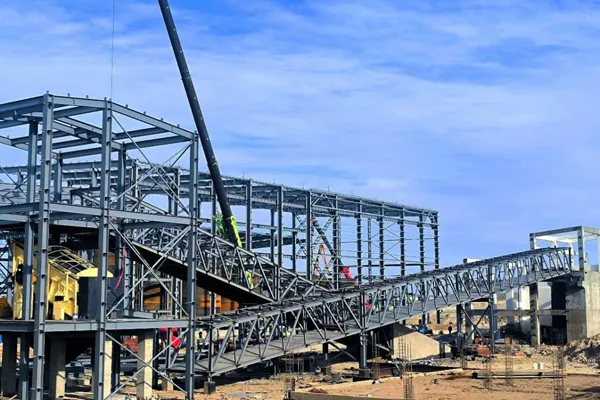
Here's what most procurement specs miss: conveyor support structures live in a world where static design codes don't apply cleanly, where connection details that work great in office buildings become fabrication nightmares, and where "standard" corrosion protection gets destroyed in months. After reviewing hundreds of client drawings and executing projects from 500 tons to 3,000 tons, I'm going to walk you through what actually matters when you're specifying these structures.
The short answer is dynamic loads. Building codes assume relatively static loads with predictable load combinations. Conveyor structures deal with constant vibration, emergency stop impacts, belt tension fluctuations, and material surge loads that can hit 2-3 times your calculated static design load.
You can't safely design conveyor support structures using unmodified building codes because the dynamic load conditions—belt tensioning forces, emergency stop impacts, material surge events, and vibration fatigue—create stress patterns that static building design assumptions simply don't capture.
Belt Tension Loads Are Not Static Loads
When a loaded conveyor starts, the belt tension can spike to 150-200% of running tension[^1]. During an emergency stop, you get impact loads from the material mass decelerating. One project we fabricated for a coal mine had design loads calculated for steady-state operation—no consideration for startup transients. The client's conveyor supplier flagged this during their review, and we had to add reinforcement before shipping.
The belt isn't just sitting there. It's constantly moving, tensioning, relaxing. That's a fatigue loading situation, not a static load case.
Material Surge Loading
Your design assumes evenly distributed material load across the belt. Real operations? You get surge loading when a loader dumps a full bucket, when material clumps together coming off a stockpile, or when the feeding system malfunctions.
I've talked to maintenance teams at bulk handling facilities who describe how material surges create visible vibration in the structure. If your design didn't account for dynamic amplification factors for these surges, you're under-designed.
Vibration and Resonance Issues
Standard building codes don't really deal with continuous operational vibration. Conveyor structures operate 24/7 in many mining operations. That continuous vibration, especially if you hit a resonance frequency, accelerates fatigue damage dramatically[^2].
We fabricated a conveyor support structure for a cement plant where the engineer specified standard connection details. During our shop assembly, we noticed the span-to-depth ratios would likely create flexibility issues. We flagged it, but the engineer insisted the calculations met code requirements. Six months after installation, they called us about excessive vibration. The structure was code-compliant but operationally problematic.
The projects that avoid these problems typically:
The engineering companies we work with who consistently deliver reliable designs—they're using CEMA (Conveyor Equipment Manufacturers Association) guidelines[^4] as their foundation, then applying additional factors based on site-specific conditions.
Here's where I see the biggest gap between design theory and shop floor reality. Engineers design connection details that look perfect in Tekla or STAAD, pass all the stress checks, and then arrive at our shop completely impractical to fabricate.
Connection details that work perfectly in structural analysis software often create impossible welding access, unmanageable erection sequences, or field assembly conflicts when you're actually building and installing the structure. We've had to request design modifications on approximately 20% of projects because the original connection details couldn't be reliably fabricated or safely erected.
Picture a connection where four or five members meet at a single node—happens all the time in conveyor support trusses. The engineer has calculated every weld size perfectly. But when you actually try to position a welding gun to make those welds? Two of them are physically inaccessible without cutting holes in adjacent members.
Real example: We received drawings for a conveyor gallery structure where the diagonal bracing connected to the column through a gusset plate that was sandwiched between the column and the main beam. The weld specification required full-penetration welds on both sides of the gusset. Physically impossible to weld the back side without making access holes that would weaken the connection.
What we request instead:
Engineers design connections assuming the structure gets built in some theoretical sequence. Site reality? You're assembling with cranes, limited access, sometimes building around existing operations.
We fabricated conveyor support towers for a port facility where the connection bolts could only be installed if you assembled the structure in a very specific sequence—bottom to top, one bay at a time. The site condition required building from both ends toward the middle because of space constraints and crane access. The connection details didn't allow for this erection method.
Design approaches that work better:
Over a 200-meter conveyor structure, you'll accumulate dimensional variations from fabrication tolerances, foundation variations, and thermal expansion.
We've seen connection details specified with 2mm bolt hole clearances that become impossible to assemble in the field because the tolerance stack-up across multiple connections has consumed all your adjustment range.
Experienced conveyor structure engineers specify:
I've visited mining sites where conveyor support structures looked like they'd been operating for 20 years—they'd been installed for 3 years. The corrosion protection system was "standard" hot-dip galvanizing, perfectly adequate for typical outdoor structures. But conveyor environments aren't typical.
Standard corrosion protection specifications consistently underestimate the combined effects of dust accumulation, moisture retention, chemical exposure, and abrasive particle impact typical in mining and bulk handling environments—leading to coating failure and structural degradation within 2-5 years instead of the 15-20 year design life.
Mining operations generate massive amounts of dust—iron ore dust, coal dust, limestone dust, whatever material you're handling. This dust settles on every horizontal surface of your conveyor structure. When it rains or when moisture condenses, that dust becomes a corrosive paste that sits on the steel.
Horizontal surfaces of conveyor support beams accumulate 10-20mm of dust-mud mixture that stays wet for days after rain. Standard galvanizing provides maybe 5-10 years of protection in normal atmospheric conditions. Under this constant wet-dust exposure? We've observed coating breakdown in 2-3 years.
What works better in dusty environments:
Some bulk materials are chemically aggressive. Coal contains sulfur compounds. Many ores have acidic components. When dust from these materials gets wet, you're creating a corrosive environment that attacks protective coatings.
A phosphate fertilizer project we worked on—the client initially specified standard galvanizing. We flagged that phosphate dust in wet conditions is highly acidic[^6]. They consulted with their corrosion engineer and upgraded to a specialized coating system with chemical-resistant topcoat. That specification change probably saved them from complete coating failure within five years.
This is specific to conveyor structures near transfer points and loading zones. You're getting physical impact from material particles—basically sandblasting your protective coating. Standard paint systems or even galvanizing can be mechanically worn away by this constant particle bombardment.
The projects that get this right don't use one corrosion specification for the entire structure. They zone it:
Zone 1: Near transfer points and high dust generation areas
Zone 2: General conveyor run areas
Zone 3: Low-exposure areas away from dust generation
This zoned approach costs more upfront but dramatically reduces lifecycle costs and unplanned maintenance shutdowns.
Not all conveyor structures face the same demands. A warehouse distribution center running a 500mm belt at 2 m/s handling packaged goods is completely different from a mining overland conveyor running a 2000mm belt at 5 m/s hauling 5,000 tonnes per hour of iron ore.
Light-duty warehouse conveyor supports and heavy-duty mining overland conveyor structures require fundamentally different structural approaches—different design load factors, different connection types, different material specifications, and different fabrication quality standards.
These are typically:
For these applications, you can often use:
We fabricate these regularly for distribution warehouses and light manufacturing. They're pretty straightforward—similar to building mezzanine structures. Lead times are short (4-6 weeks), costs are moderate, and you don't need specialized conveyor expertise.
These are a different beast entirely:
For these applications, you absolutely must have:
These projects require experienced conveyor structure fabricators. Lead times are longer (12-16 weeks minimum), costs are significantly higher, and you need engineers with specific bulk material handling experience.
The tricky situations are the medium-duty operations:
This is where procurement teams make expensive mistakes. The operation looks "medium-duty" but actually faces heavy-duty fatigue loading due to continuous operation.
When we review inquiry drawings for these medium-duty projects, we ask specific questions:
These questions reveal whether you need light-duty or heavy-duty structural approaches, even if the tonnage capacity falls in the middle range.
After working with dozens of EPC contractors and seeing which evaluation approaches lead to successful projects versus which ones create problems, I can tell you what actually matters.
Successful EPC contractors evaluate conveyor structure fabricators on manufacturing capability verification, project-specific experience review, and early design involvement—not just on price comparison and general certification claims. The fabricators who catch your design errors before steel gets cut are worth far more than the lowest bidder who builds exactly what you drew, problems and all.
Generic steel fabrication capability isn't enough. Here's what's specifically relevant for conveyor structures:
Large-span fabrication experience: Conveyor support structures often involve 20-30 meter spans between support points. Can the fabricator manufacture, handle, and ship sections of this size? Do they have adequate shop floor space and lifting equipment?
Dimensional control capabilities: Belt conveyor alignment is critical. Lateral misalignment of 5mm over span length can cause belt tracking problems[^10]. Does the fabricator have laser measurement systems and documented dimensional control procedures?
When we submit dimensional inspection reports, we're typically showing accuracy within ±1.5mm for critical dimensions. That's tighter than standard building structure tolerances (±3mm) but necessary for conveyor applications.
Welding procedure qualifications: For heavy-duty mining conveyors, you're often welding thick plates (30-40mm) in critical connections. Does the fabricator have WPS (Welding Procedure Specifications) qualified for the specific steel grades and thicknesses you're using?
Similar application experience: Have they fabricated support structures for similar conveyor systems? Belt width, tonnage capacity, operational environment—similarity matters because it demonstrates they understand the specific demands.
Reference project verification: Don't just accept fabricator claims—talk to their previous clients. Ask specific questions:
We provide reference contacts for projects similar to what the client is procuring. The smart clients actually call these references and have detailed conversations.
Geographic and logistical experience: Can they handle the shipping and logistics for your project location? A fabricator who's never shipped to remote mining sites might not understand the transportation constraints, import documentation requirements, or packaging standards needed.
This is the capability that saves the most money and schedule. Fabricators who can review your preliminary designs and identify problems before final engineering—that's gold.
What we catch during early design review:
The contractors we work with repeatedly—they involve us at 60-70% design completion, before final drawings are issued. We review, provide feedback, they make adjustments, then issue final fabrication drawings. This process adds maybe two weeks to the engineering schedule but eliminates problems that would add months to the project schedule.
Per-ton pricing for heavy-duty mining conveyor structures typically runs 1.8-2.5x the cost of light-duty warehouse structures. The difference comes from heavier material sections, more complex connection details, specialized corrosion protection, and tighter fabrication tolerances. A light-duty structure might cost $2,500-3,500 per ton fabricated, while a heavy-duty mining structure runs $5,000-7,000 per ton—sometimes higher for extreme corrosive environments.
Ideally at 50-60% design completion, before connection details and material specifications are finalized. At this stage, fabricator input on manufacturability, material availability, and practical construction sequences can prevent expensive design changes later. We've saved clients 10-15% on fabrication costs and 2-4 weeks of schedule just through early design review that identified simpler, more cost-effective structural solutions.
Request specific items: welding procedure specifications (WPS) for your steel grades and thicknesses, dimensional inspection reports from similar projects showing achieved tolerances, reference project contacts with similar conveyor applications, shop capacity verification (bay lengths, crane capacity, available floor space), and quality control procedures specific to tight-tolerance fabrication. Generic ISO certificates don't tell you much about conveyor-specific capability.
Coastal mining combines the worst conditions: salt air, high humidity, and dust accumulation. For these environments, specify duplex coating systems (hot-dip galvanizing minimum 100 microns plus epoxy topcoat), with additional abrasion-resistant coatings near material transfer points. Zone your corrosion specification—highest protection where salt spray and dust combine, standard protection in less exposed areas. Budget for inspection and maintenance coating touch-up every 2-3 years. Stainless steel fasteners in critical connections.
Common causes include: structural resonance when operating frequency matches natural frequency of the structure (poor dynamic analysis during design), inadequate connection stiffness allowing excessive flexibility, belt tension imbalance creating uneven loading, foundation settlement creating misalignment, or material surge loading exceeding design assumptions. From a fabrication perspective, we sometimes see this when the structure was designed with insufficient lateral bracing or when connection details that looked adequate in static analysis don't provide enough rotational stiffness for dynamic loads.
Steel conveyor support structures for mining and bulk material handling aren't just another steel fabrication project—they demand specialized understanding of dynamic loads, operational environments, and the gap between design theory and construction reality. The successful projects I've been part of share common elements: engineers who recognize that building codes need adaptation for conveyor-specific loads, fabricators involved early enough to catch unbuildable connection details, corrosion specifications that reflect actual operating conditions rather than generic outdoor exposure, and procurement approaches that evaluate capability and experience instead of just comparing prices.
If you're specifying conveyor support structures, the decision that matters most isn't choosing between structural steel grades or connection types—it's choosing to involve experienced fabricators before your designs are finalized. That early involvement catches the problems that don't show up in your analysis software but definitely show up in your project schedule and budget.
At MEICHEN STEEL STRUCTURE, we've fabricated conveyor support structures for projects ranging from 500 tons to 3,000 tons in petrochemical and industrial facilities. We maintain EN 1090 EXC3 certification[^11] and specialized welding qualifications for heavy structural sections. If you're developing a conveyor structure project and want a manufacturability review before finalizing your design, contact our technical team at info@meichensteel.com or call +86 13383791128. We're located in Luoyang, China, with 70,000 square meters of fabrication capacity and specific experience in the dynamic loading and corrosion challenges of bulk material handling structures.
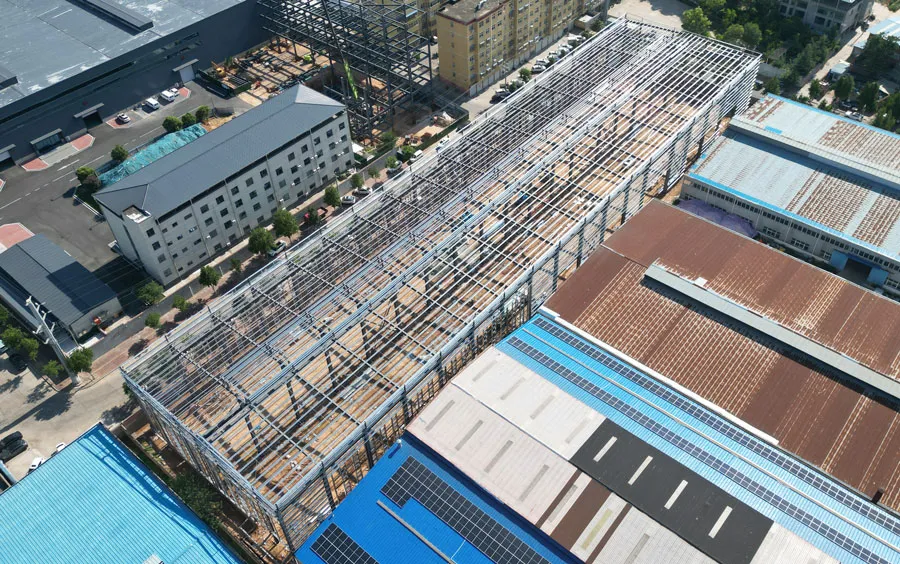
Steel Structure Workshop Solutions
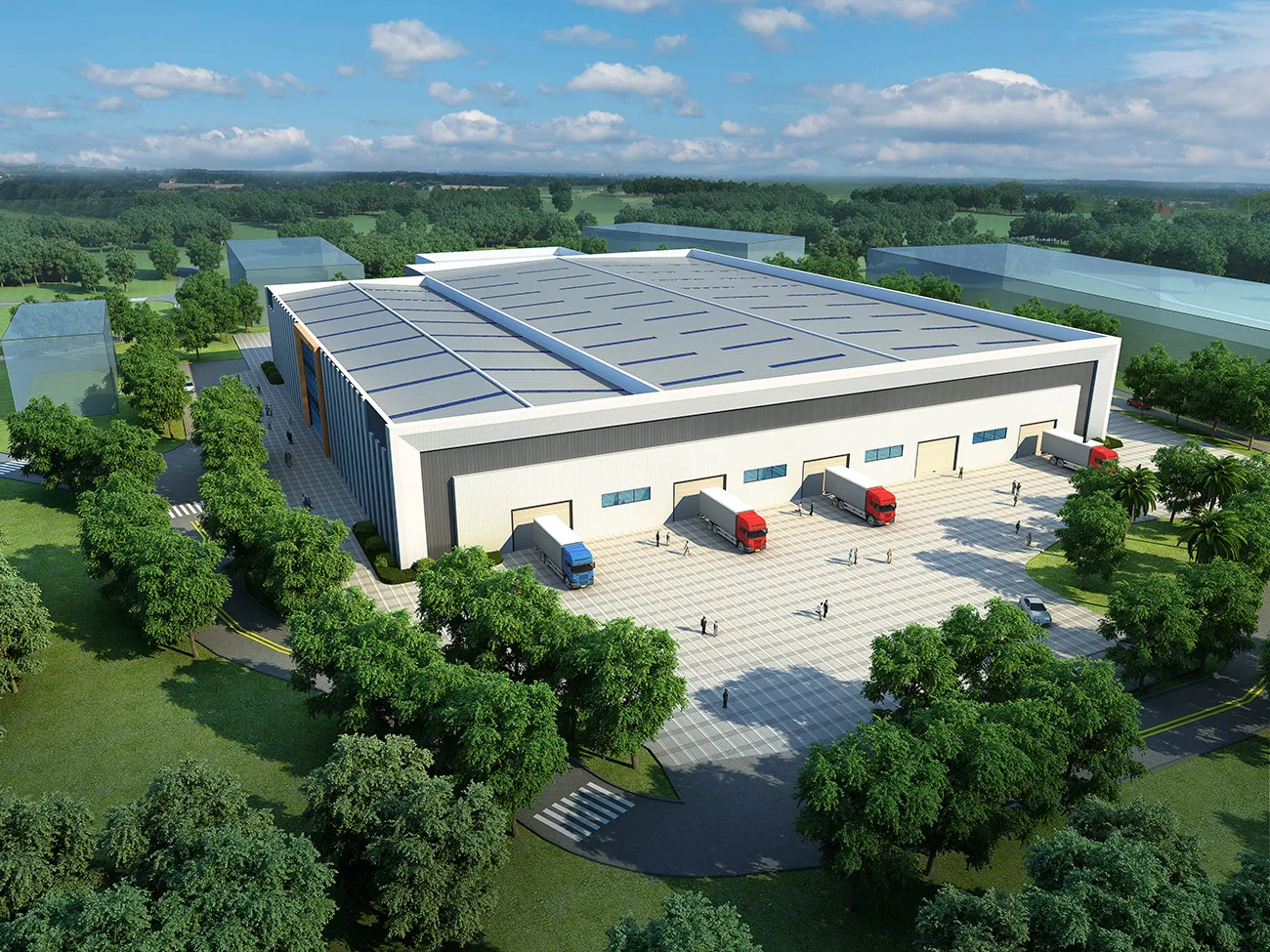
Steel Warehouse Solutions
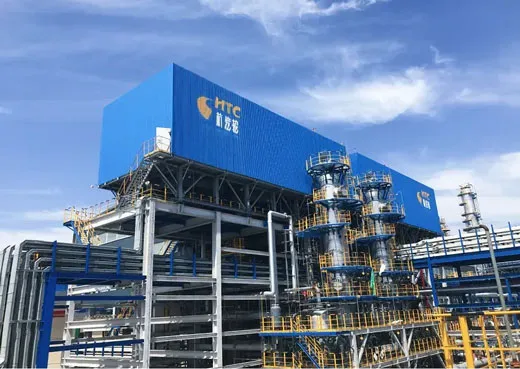
Heavy Steel Structures for Equipment
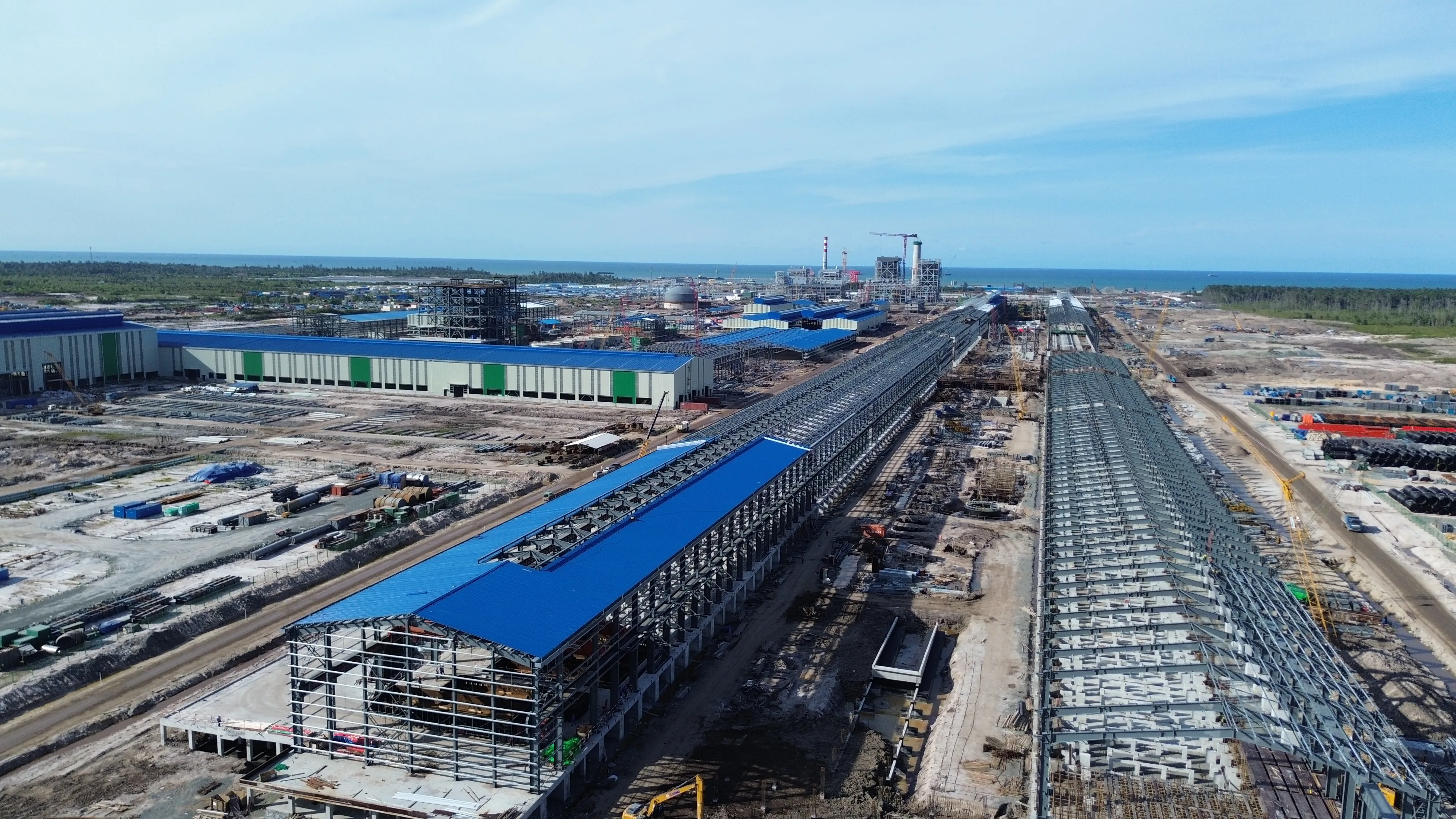
Indonesia North Kalimantan Aluminum Plant Project
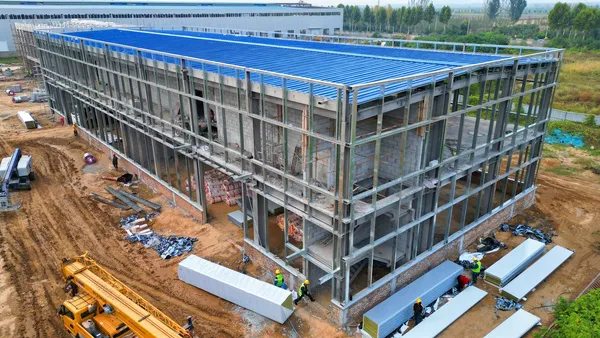
Steel Structure Factory and Warehouse Project for a Material Processing Production Base
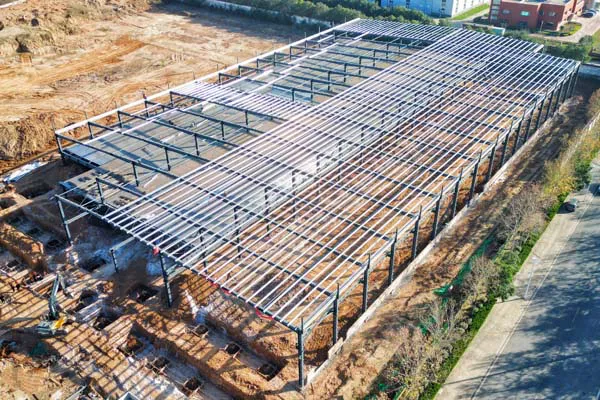
Luoyang Haode Auto Parts Steel Structure Factory Project
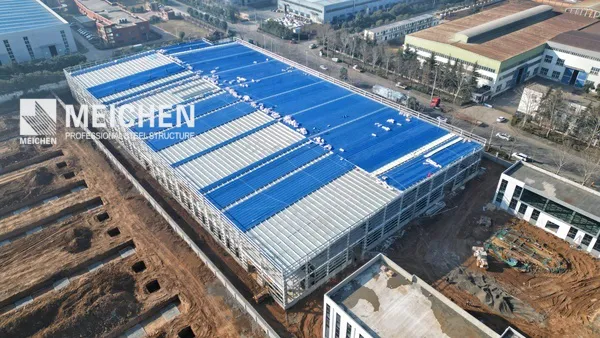
Automated Glass Production Line Steel Structure Factory Building Project
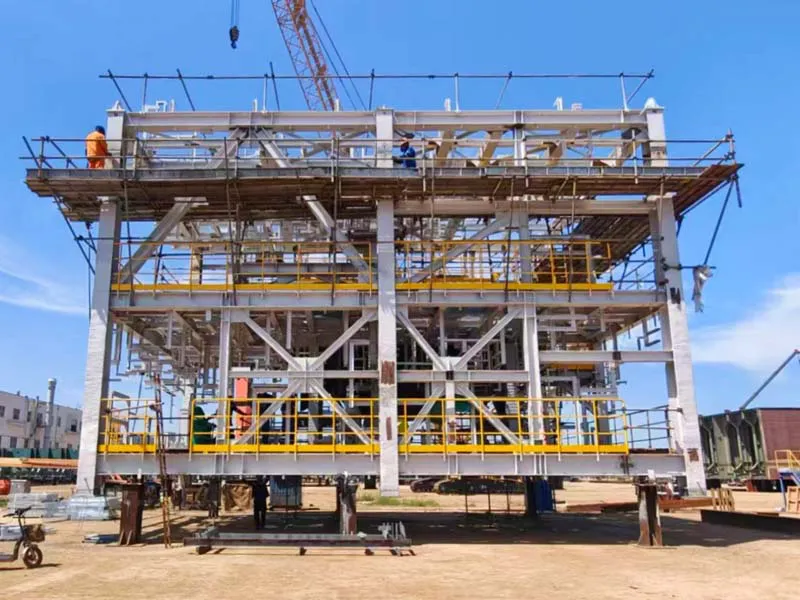
Oil & Gas Modular Steel Structure Fabrication Project