Time:2026-08-26 06:35:25 Source:Sanjian Meichen Steel Structure
If you focus only on price when choosing a steel structure manufacturer, you could be stepping into project troubles that cost far more than any discount you get.
The best way to select a warehouse steel structure manufacturer is to check if they can actually deliver quality and timelines. Once a contract is signed, fixing mistakes is nearly impossible and can lead to expensive delays.
In real projects, we have seen procurement teams rely on price as the first filter. But this is where the big risks hide. We know the numbers on bids can look tempting, yet the real cost is not visible until work begins. Once the deposit is paid, the real test starts. If the manufacturer can’t follow through with quality or delivery, the project suddenly faces delays, costly rework, and even contract penalties. No one wants to scramble for fixes when the structure is already on-site and the schedule is slipping. We learned the hard way that a low quote is often a sign of hidden issues, not a bargain.
If you rely on price alone, you risk ending up with hidden costs, quality issues, and missed deadlines that won’t show up until construction is underway.
We had a logistics warehouse project where the lowest bid looked like an easy win. But after signing, the problems began. Production fell behind, welding failed basic inspections, and site delivery slipped by weeks. The initial savings disappeared fast. The extra time and money spent fixing mistakes cost more than choosing a reliable manufacturer from the start. Price is only the first step; what matters is the manufacturer’s ability to handle unique structural needs and changing site demands.
| Price Focus | Real Project Risks | Post-Contract Consequences |
|---|---|---|
| Lowest quote | Quality failures, schedule slips | Rework, penalties, cascading delays |
| Assumed similarity | Manufacturing and execution gaps | No exit, project risk magnifies |
Certifications like ISO 9001 or EN1090 look good on paper, but only real project documentation shows how manufacturers handle technical challenges and quality in practice.
When we started in the steel structure business, we thought certifications would provide all the answers. But it’s not that simple. Documentation tells you a company meets standards, yet it takes more to know how those standards are used in daily work. For example, EN1090 covers welding and inspection systems, but what do weld logs or NDT reports actually look like? We always ask for sample records from recent jobs, not just credentials. In one industrial warehouse project, we reviewed the production logs, checked how actual defects were handled, and found the team’s welding system matched their paperwork. That gave us confidence the manufacturer could handle heavy-load trusses and complex joint requirements.
| Certification | What It Claims | What to Review |
|---|---|---|
| ISO 9001 | Quality management | Audit reports, process checklists |
| EN1090 | Welding/NDT protocols | Real weld logs, defect repair records |
The true capability of a manufacturer is revealed during design review, production planning, and welding execution—and each phase is tied to risks you can’t undo later.
Drawing from our experience, we know the real test starts with the design review. The best manufacturers ask tough questions about loading, equipment integration, or technical clarifications. Silence or vague answers here lead to expensive mistakes later. For production planning, we don’t just accept schedules; we check if workflows and material orders match project needs. A missed delivery window can slow down everything on-site. Finally, welding execution is where promises become reality. We ask for NDT and weld repair histories, use them to track how issues were solved, and trust manufacturers who show consistent records of fixing mistakes.
| Stage | What to Ask For | What Risks You Avoid |
|---|---|---|
| Design Review | Clarification records | Misapplied loads, weak joints |
| Production Planning | Actual workflow schedules | Shipment gaps, site delays |
| Welding Execution | NDT logs, repair history | Structural faults, contract penalties |
Once manufacturing or quality problems appear on-site, fixing them is expensive, painful, and sometimes impossible—you cannot switch suppliers or save time by changing course.
I have seen clients try to recover after delivery failures by asking for new suppliers or more materials. It never works. The moment a steel structure arrives out of spec, you’re locked into a chain of repairs and delays. One industrial job ran into such problems: beams were a few millimeters out of tolerance. Local rework couldn’t restore the design, and the decision made months earlier could not be undone. Schedule drifted, penalties multiplied, and no extra money could solve the root issue. That is why we tell our team and clients—supplier selection is a one-way decision. Testing the manufacturer’s real execution before signing is your only chance to protect cost and schedule.
| Post-Contract Problem | Consequence | Why It Can’t Be Fixed |
|---|---|---|
| Quality failure | Rework, delays, penalties | Material already installed |
| Late delivery | Cascade schedule risks | Replacement too slow, costly |
Choosing the right warehouse steel structure manufacturer means verifying execution, not just credentials or price—because project risks are permanent once started.
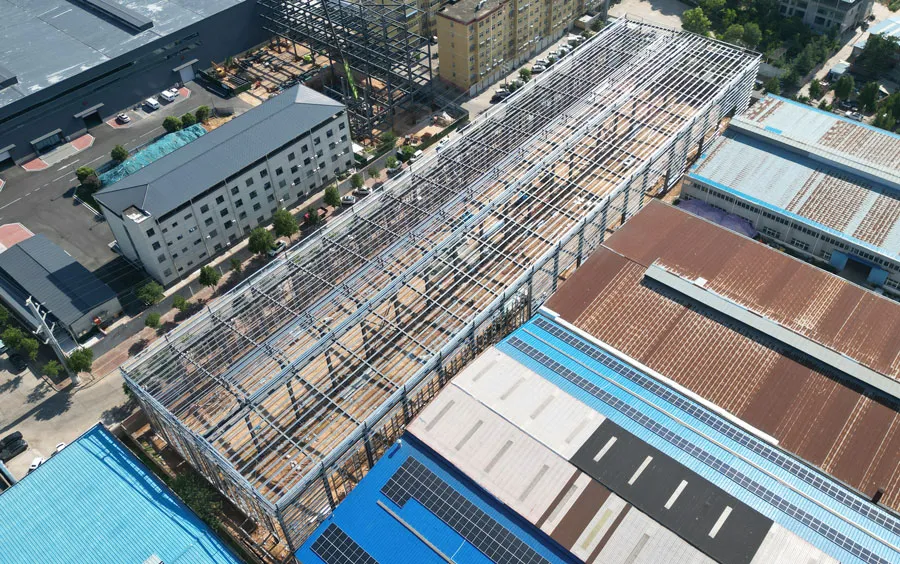
Steel Structure Workshop Solutions
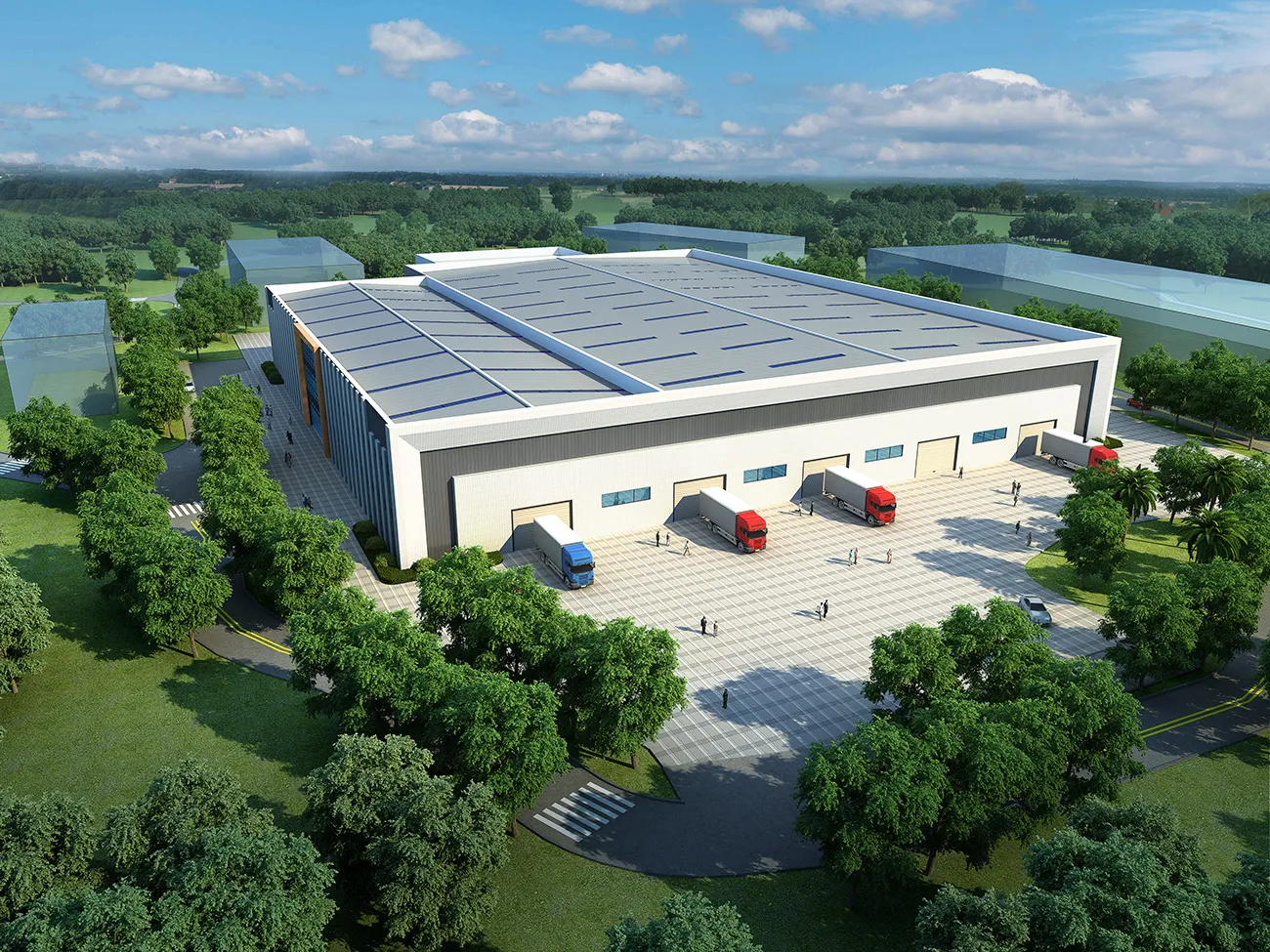
Steel Warehouse Solutions
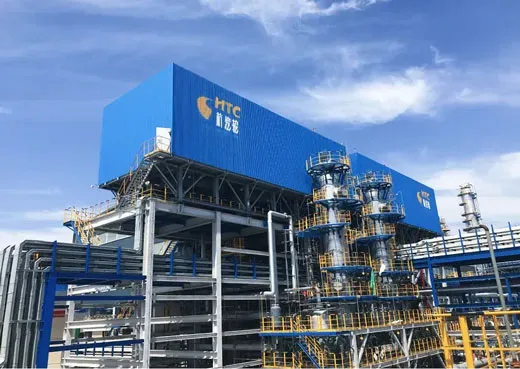
Heavy Steel Structures for Equipment
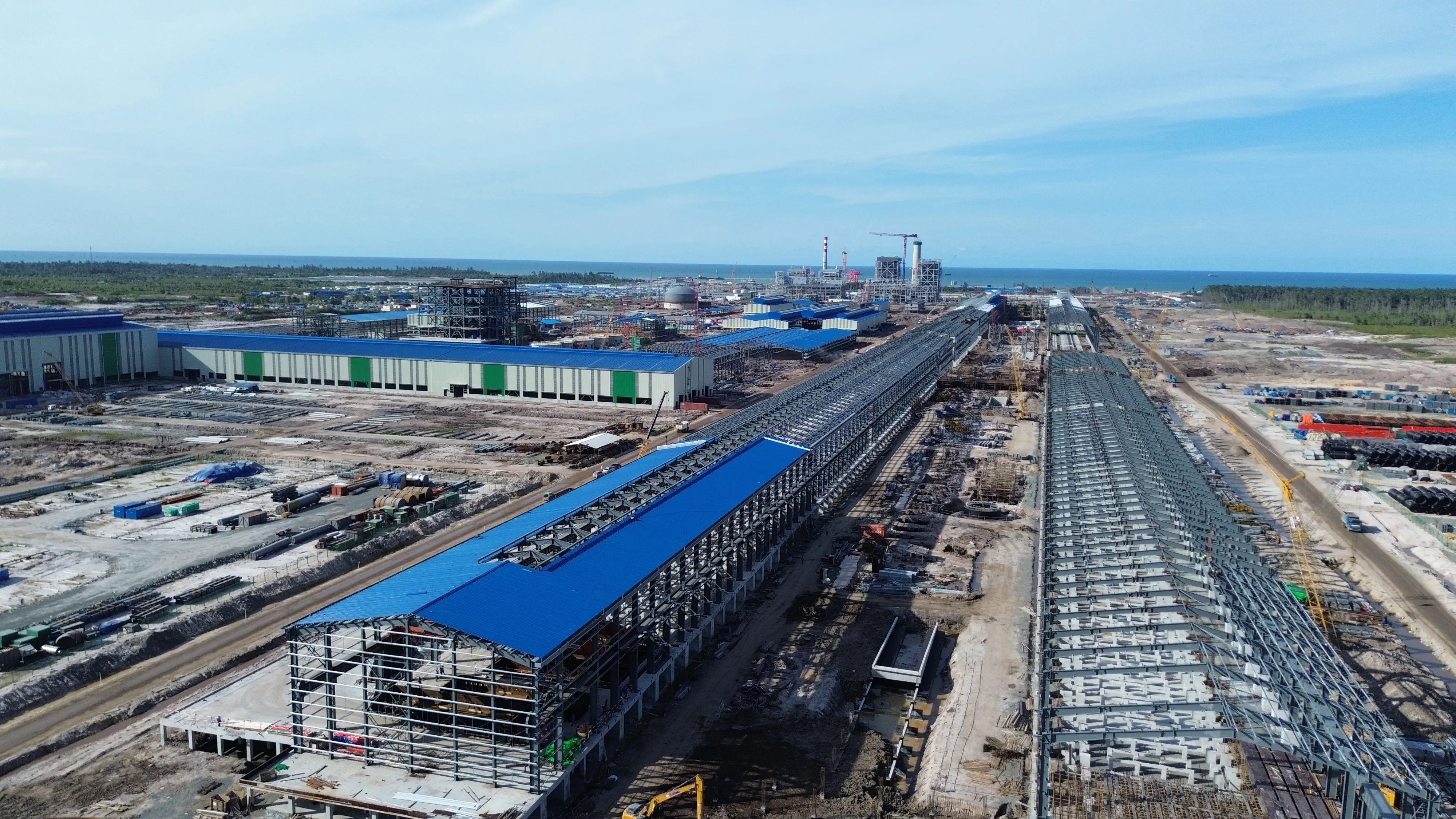
Indonesia North Kalimantan Aluminum Plant Project
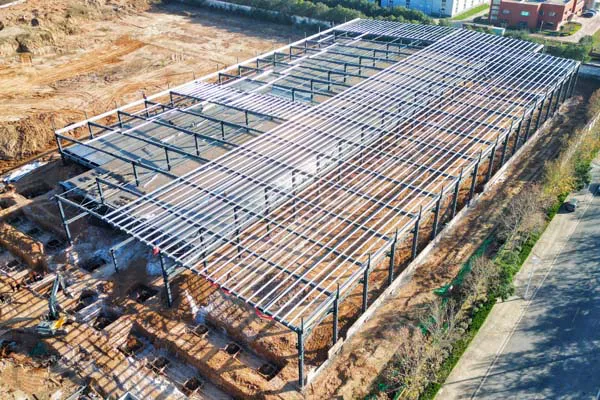
Luoyang Haode Auto Parts Steel Structure Factory Project
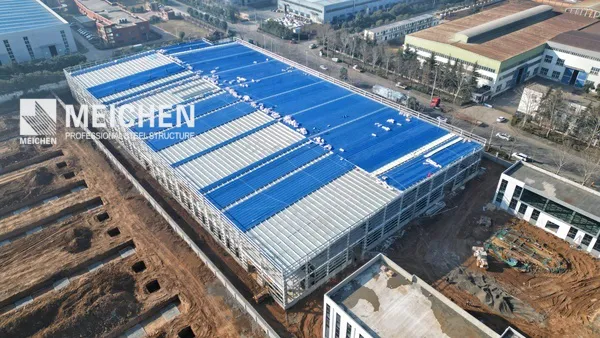
Automated Glass Production Line Steel Structure Factory Building Project
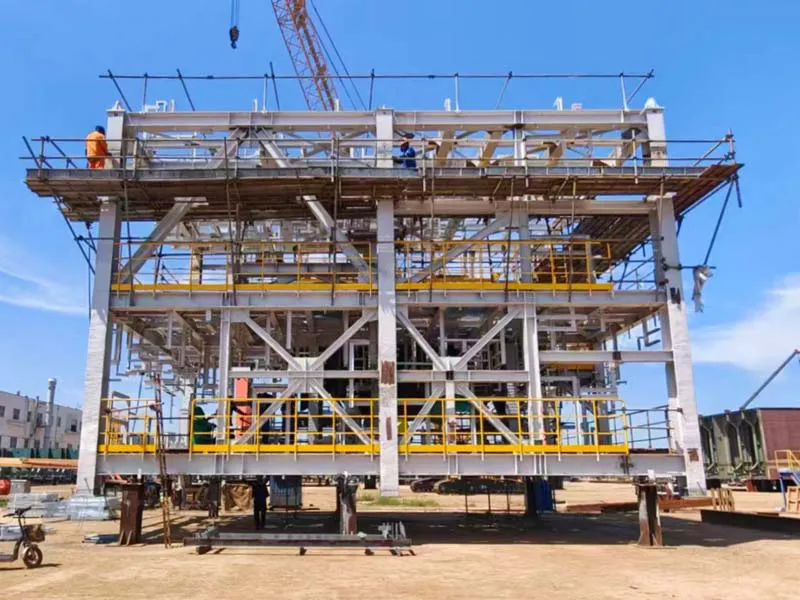
Oil & Gas Modular Steel Structure Fabrication Project

Flare Stack Structure