Time:2026-04-27 08:14:06 Source:Sanjian Meichen Steel Structure
Steel warehouses have long been a cornerstone of modern industrial and commercial storage solutions due to their structural strength, durability, and cost-effectiveness. However, one common challenge many facility managers face is inadequate thermal insulation in existing steel warehouse structures. Poor insulation can result in extreme indoor temperatures, higher energy consumption, and increased wear on HVAC systems, ultimately affecting both operational efficiency and worker comfort. For businesses looking to optimize performance and reduce long-term operational costs, upgrading insulation in existing steel warehouses is a strategic investment that yields tangible benefits.
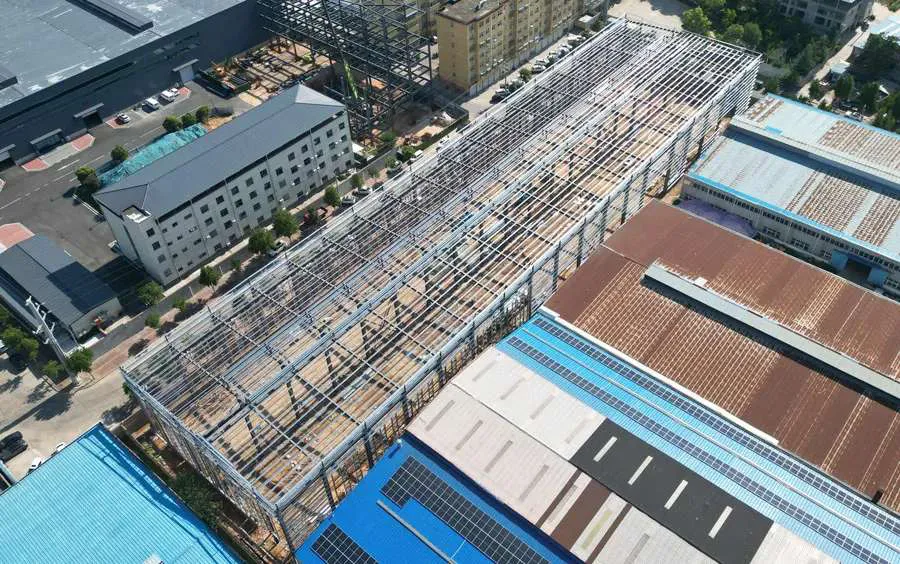
Many steel warehouses were originally constructed with minimal consideration for thermal insulation, especially older facilities built before energy efficiency regulations became standard. Steel, as a construction material, has high thermal conductivity, meaning it can rapidly transfer heat or cold from the external environment into the interior space. This can lead to a number of operational issues:
Energy Inefficiency: HVAC systems must work harder to maintain comfortable temperatures, resulting in higher energy consumption and increased utility costs.
Product Safety Concerns: For warehouses storing temperature-sensitive goods, fluctuations in indoor temperatures can compromise product quality or safety.
Worker Comfort and Productivity: Extreme heat in summer and cold in winter can create an uncomfortable working environment, lowering productivity and potentially increasing absenteeism.
Structural Strain: Repeated thermal cycling can accelerate wear and tear on building components, including steel panels, roof decking, and fasteners, shortening the facility's lifespan.
Addressing these challenges requires a comprehensive approach to insulation that takes into account material selection, installation methods, and long-term maintenance.
Upgrading insulation in an existing steel warehouse offers a variety of immediate and long-term benefits that extend beyond simple temperature control:
1. Enhanced Energy Efficiency
By adding high-performance insulation materials to the roof, walls, and even the floors, warehouses can significantly reduce the rate of heat transfer. Modern insulation options such as spray foam, rigid foam panels, or reflective barriers can lower HVAC load, reduce energy consumption, and lower operational costs. Over time, the savings from reduced energy bills often outweigh the initial investment in insulation upgrades.
2. Improved Climate Control and Product Safety
Upgraded insulation helps maintain a stable indoor environment, protecting sensitive inventory from temperature fluctuations and humidity variations. This is especially crucial for warehouses storing pharmaceuticals, electronics, perishable goods, or other products that require controlled environments. Consistent temperature and humidity levels prevent spoilage, degradation, or damage, preserving the quality and reliability of stored goods.
3. Enhanced Employee Comfort and Productivity
A well-insulated steel warehouse creates a more comfortable workspace by reducing drafts, heat build-up, and cold spots. Employees can work more efficiently and safely, and businesses benefit from higher morale and reduced absenteeism. In addition, improved indoor climate control can make warehouses more attractive for long-term staff retention.
4. Sustainability and Environmental Impact
Upgrading insulation contributes directly to a facility’s sustainability goals. Reduced energy consumption translates to lower greenhouse gas emissions, making the warehouse more environmentally friendly. Businesses that invest in energy-efficient warehouse upgrades can also enhance their corporate social responsibility (CSR) profile and appeal to environmentally conscious clients or partners.
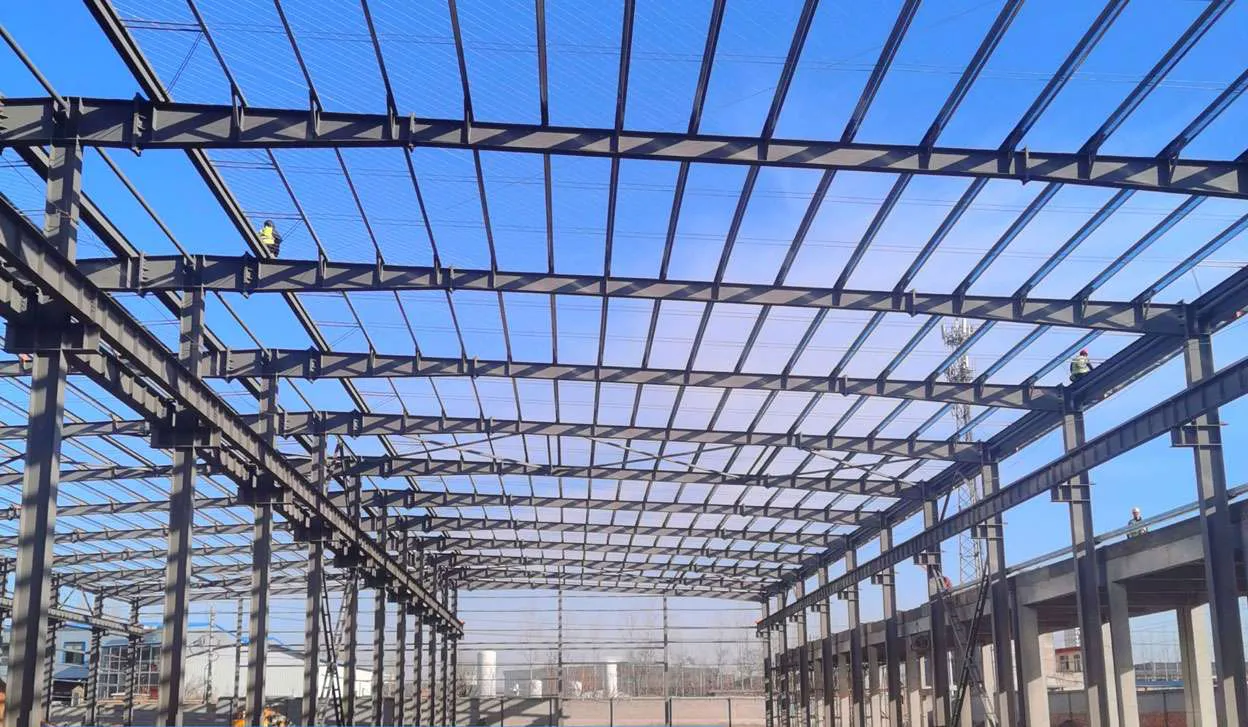
Successful insulation upgrades in steel warehouses require a careful assessment of the building's current structure, environmental conditions, and operational needs. Key strategies include:
1. Comprehensive Energy Audit
Before initiating any insulation work, a professional energy audit can identify areas where heat loss or gain is most significant. Inspecting roof panels, wall sections, doors, windows, and ventilation points helps determine the most effective insulation approach. Advanced tools such as thermal imaging cameras allow precise detection of weak points and air leaks.
2. Selecting the Right Insulation Material
The choice of insulation material depends on factors like climate, budget, and desired performance:
Spray Foam Insulation: Offers excellent thermal performance and air sealing capabilities. Ideal for retrofitting complex geometries or filling gaps and voids.
Rigid Foam Panels: Provide high R-values and durability, often used for walls and ceilings. Easy to install in modular sections.
Reflective Insulation: Incorporates radiant barriers that reflect heat away, effective in hot climates or warehouses with metal roofs exposed to sunlight.
Fiberglass or Mineral Wool: Cost-effective and fire-resistant options suitable for larger wall cavities or ceiling spaces.
3. Proper Installation Techniques
The effectiveness of insulation is highly dependent on proper installation. Key considerations include:
Ensuring continuous coverage without gaps or compressions.
Sealing joints, seams, and penetrations to prevent air leakage.
Maintaining appropriate moisture barriers to prevent condensation and corrosion of steel components.
Professional installation ensures that insulation performs as intended over the long term and avoids issues like mold growth or structural deterioration.
4. Combining Insulation with Ventilation Solutions
Effective insulation upgrades should be paired with optimized ventilation systems to maintain air quality and control humidity. Options such as controlled roof vents, industrial fans, or dehumidifiers complement insulation improvements and enhance overall warehouse performance.
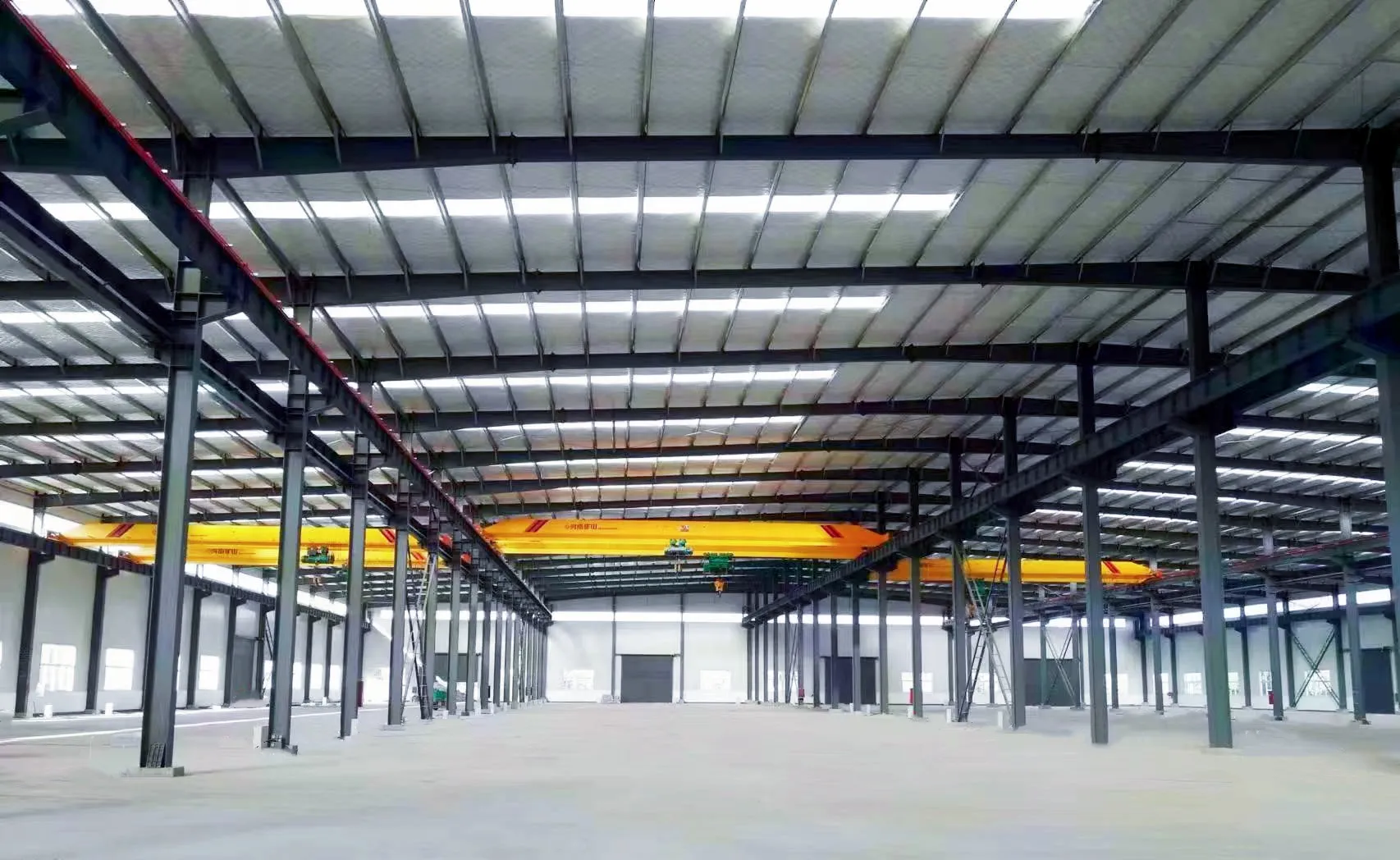
While upgrading insulation involves upfront costs for materials and labor, the return on investment is often substantial. Reduced energy bills, longer equipment lifespan, and fewer climate-related inventory losses contribute to measurable financial benefits. Many businesses also qualify for government incentives or energy-efficiency rebates, further improving cost-effectiveness.
Investing in insulation upgrades today prepares steel warehouses for future operational demands. As energy costs continue to rise and sustainability standards become stricter, insulated facilities will offer competitive advantages in cost efficiency, environmental compliance, and employee satisfaction. Modern insulation solutions also integrate with emerging smart building technologies, enabling real-time climate monitoring and predictive energy management.
Upgrading insulation in existing steel warehouses is not just a matter of comfort; it is a strategic decision that impacts operational efficiency, product integrity, energy consumption, and long-term sustainability. By assessing the current structure, choosing the right materials, and implementing professional installation practices, facility managers can transform underperforming steel warehouses into energy-efficient, climate-controlled spaces. Businesses that prioritize insulation upgrades will benefit from lower operating costs, improved employee productivity, and a stronger competitive position in an increasingly energy-conscious market.
For companies seeking practical solutions, partnering with experienced insulation providers ensures tailored recommendations and high-quality installation, unlocking the full potential of your steel warehouse infrastructure. Upgrading insulation today is an investment in efficiency, sustainability, and the overall success of your warehouse operations.
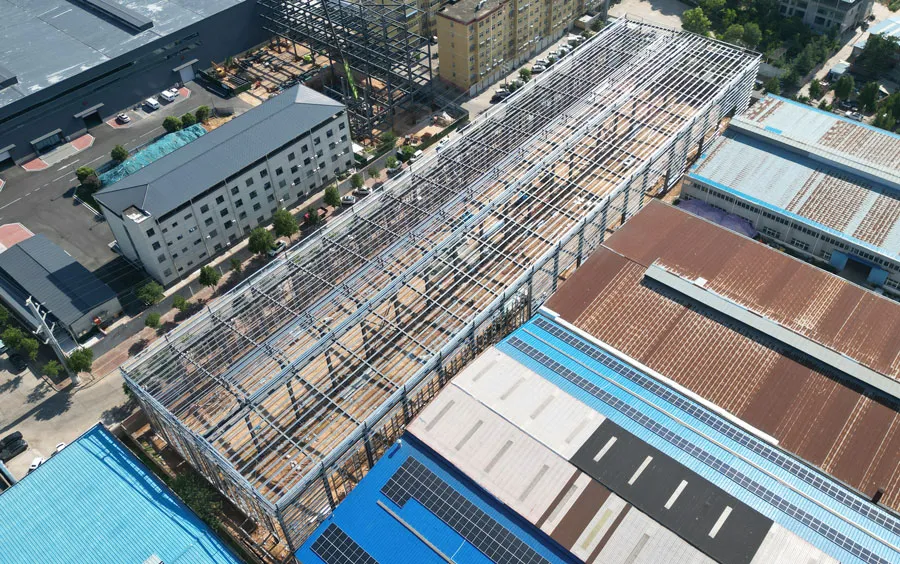
Steel Structure Workshop Solutions
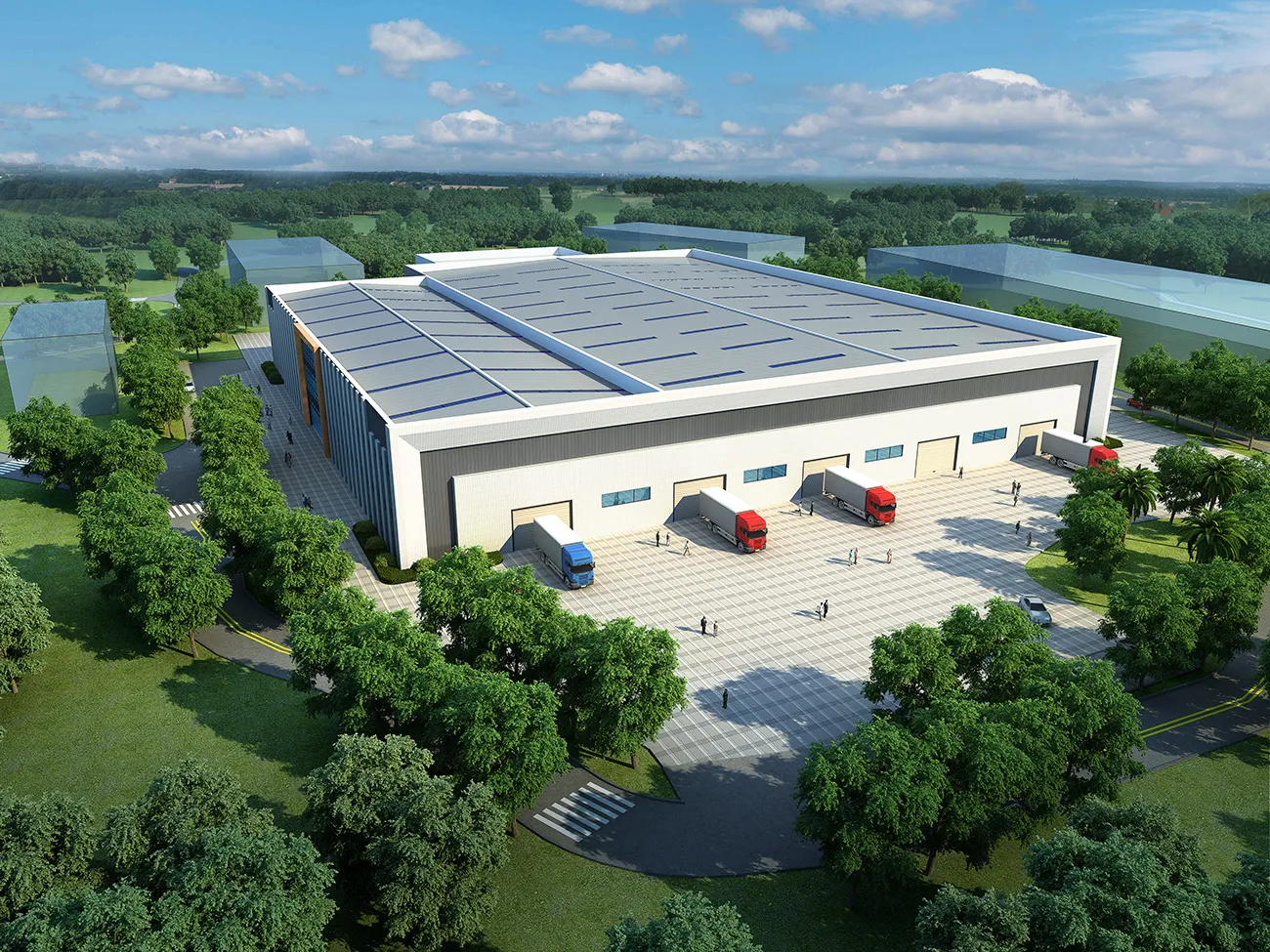
Steel Warehouse Solutions
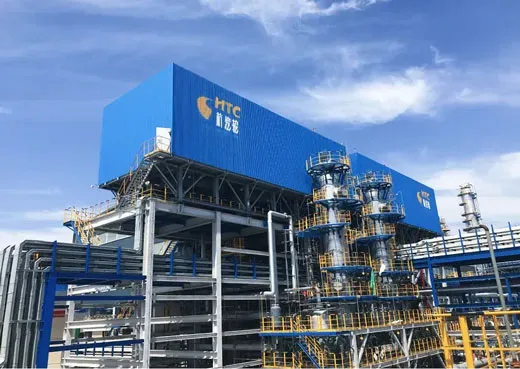
Heavy Steel Structures for Equipment
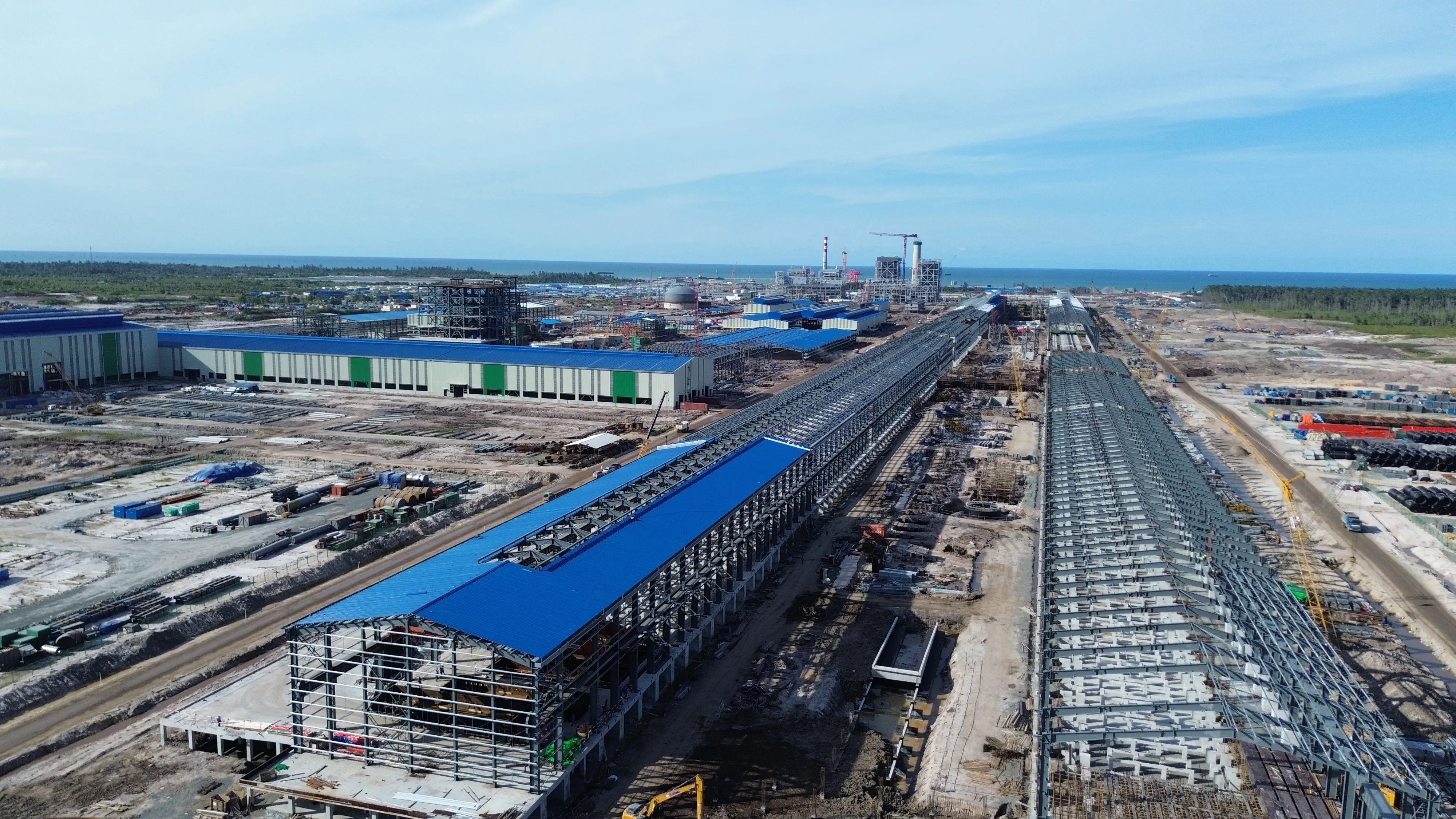
Indonesia North Kalimantan Aluminum Plant Project
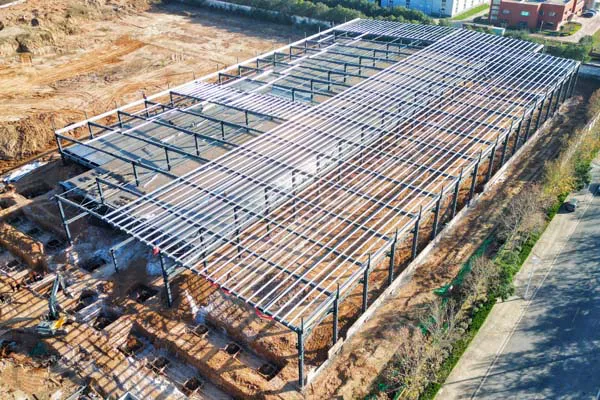
Luoyang Haode Auto Parts Steel Structure Factory Project
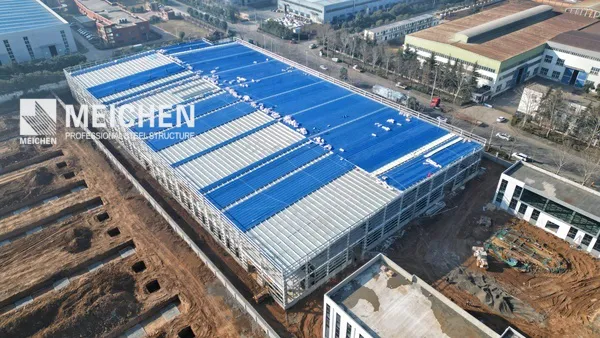
Automated Glass Production Line Steel Structure Factory Building Project
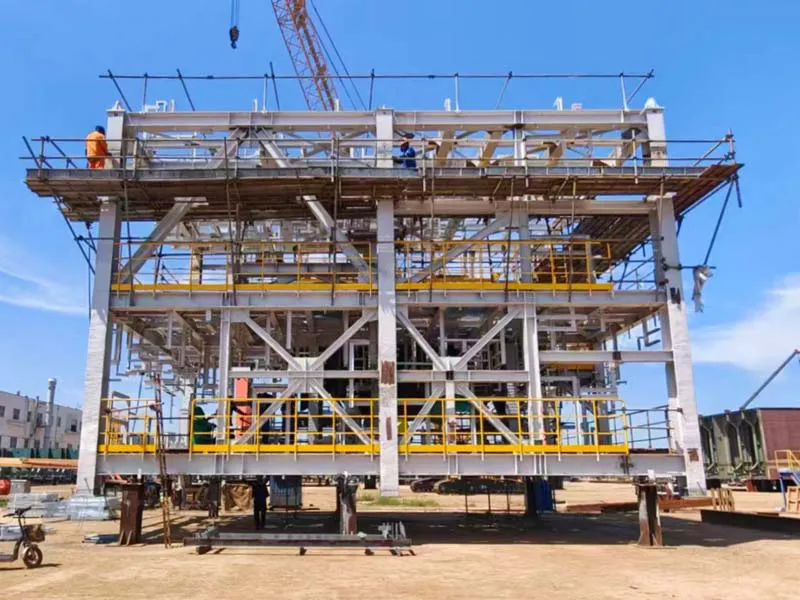
Oil & Gas Modular Steel Structure Fabrication Project
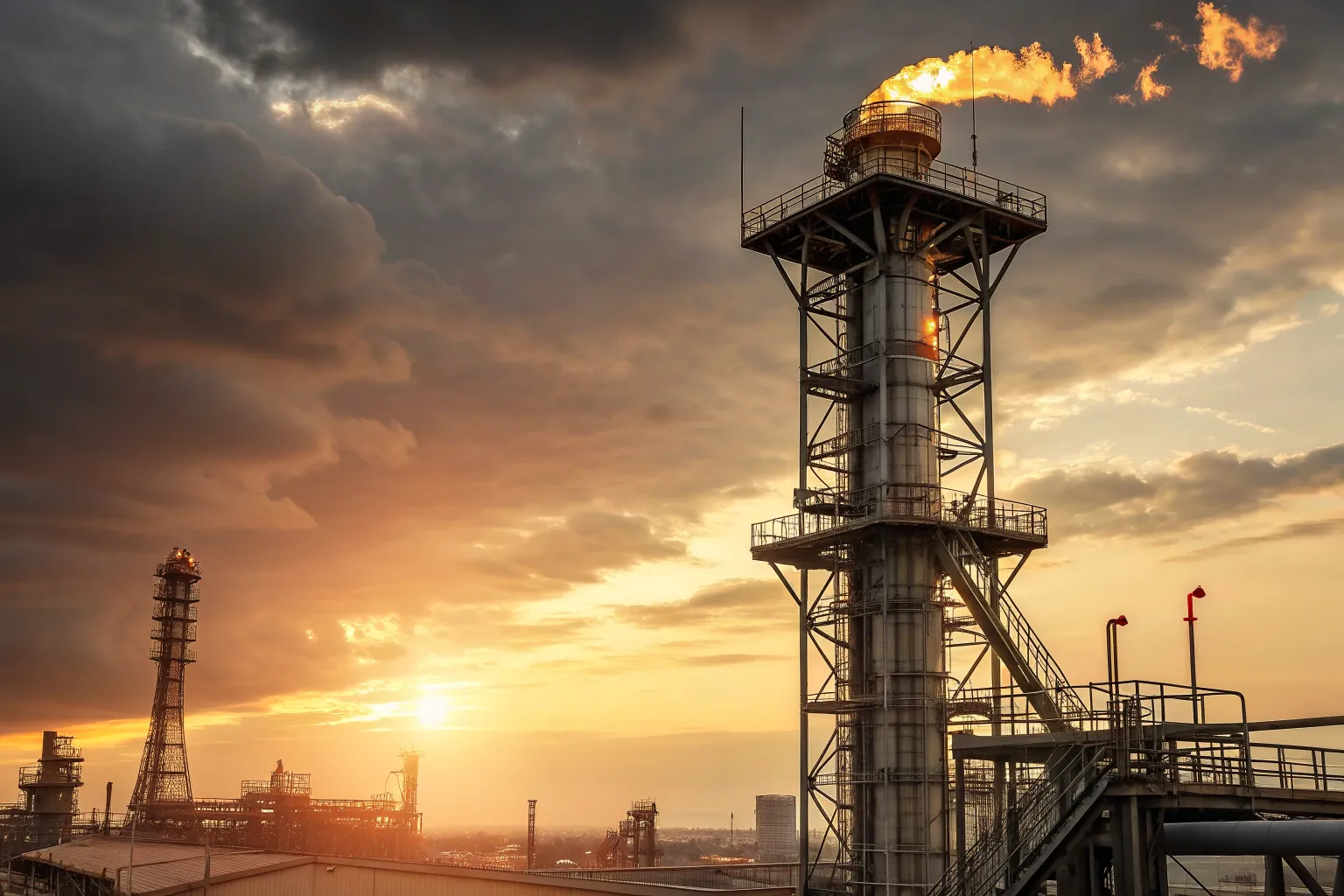
Flare Stack Structure