Time:2026-08-17 06:43:55 Source:Sanjian Meichen Steel Structure
Many buyers ask for a steel warehouse, get three very different quotations back, and then wonder why the prices and scopes do not match. That confusion can waste time and create project risk.
A steel structure warehouse is the broad term, a steel frame warehouse refers to the main load-bearing frame, and a prefabricated steel warehouse highlights factory-made components and site assembly efficiency. The best choice depends on your building use, loads, schedule, and supplier needs.
If we understand what each term really means, it becomes much easier to compare suppliers, read quotations properly, and avoid buying the wrong solution for the project.
Many people use this term as if it means the same thing as every other steel warehouse term. In real projects, that is where confusion often starts.
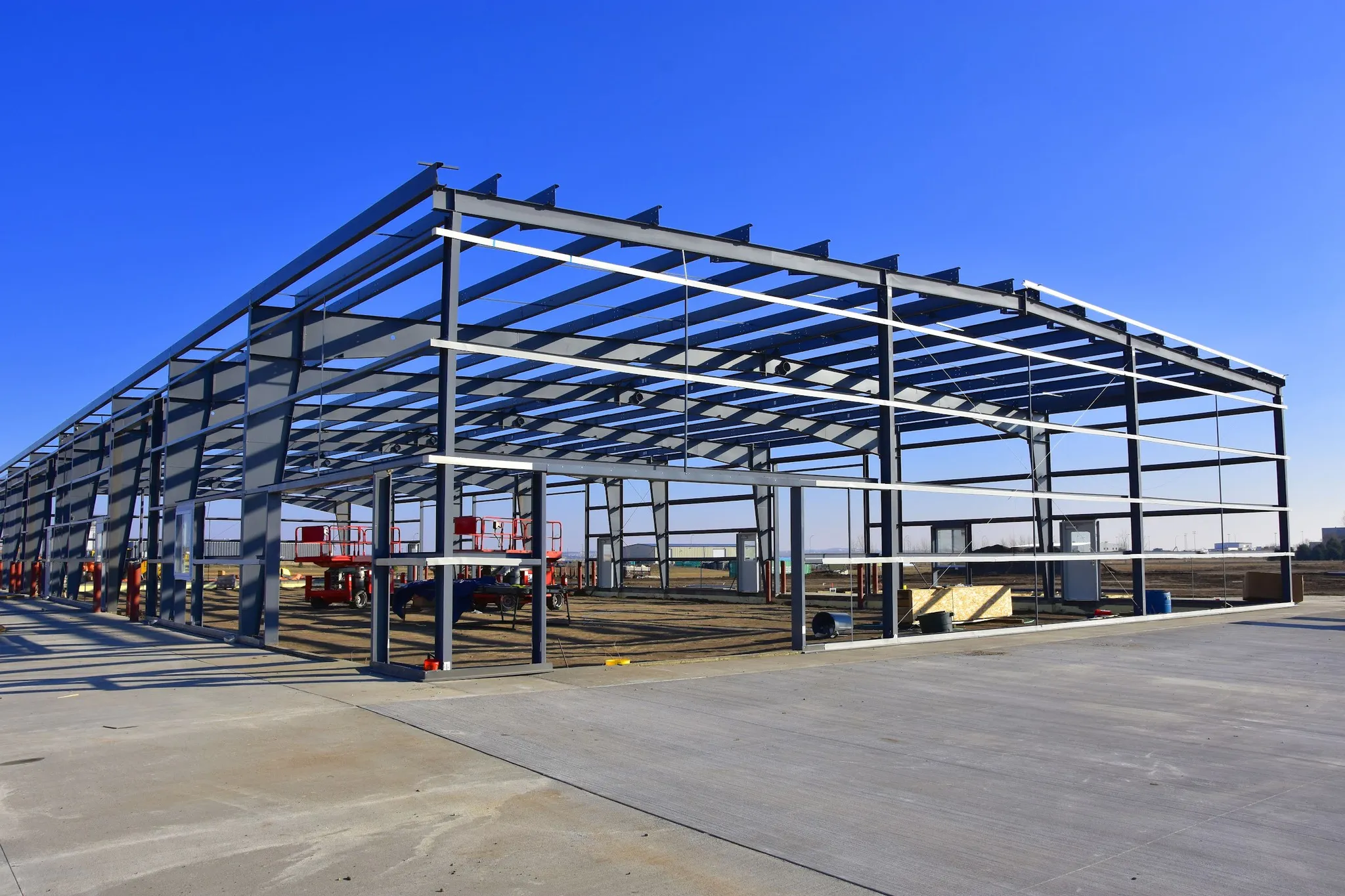
A steel structure warehouse is the broadest term. It usually refers to a warehouse whose primary structural system is made of steel, including columns, beams, rafters, bracing, purlins, and other supporting steel components as required by the design.
When we use the term steel structure warehouse, we are usually talking about the whole structural solution, not just one part of it. That is why this term is often the safest one to use in the early stage of procurement. It gives room for the supplier to understand the full building system. In actual projects, that system may include steel columns, steel beams, welded H-sections, box columns, roof trusses, bracing systems, purlins, connection plates, equipment support steel, and in some cases parts of the roof and wall support system too.
We have seen buyers ask for a “steel warehouse” and assume every supplier is pricing the same thing. That almost never happens unless the scope is very clear. One supplier may include the main frame only. Another may include secondary steel. Another may include some support structures for equipment. The words sound similar, but the quotation basis is very different. That is why we often tell buyers to start with the broader term if they are still defining scope.
In industrial, manufacturing, and logistics projects, a warehouse is rarely just a simple box. The building must respond to span, height, wind load, snow load, seismic requirements, internal equipment, crane loads, door openings, fire protection needs, and future expansion plans. Once we look at it that way, the term steel structure warehouse makes more sense because it reflects the building as a system.
| Steel structure warehouse may include | Why it matters |
|---|---|
| Steel columns and beams | Main structural support |
| Rafters or roof trusses | Roof load transfer |
| Bracing systems | Stability and lateral resistance |
| Purlins and girts | Support for roof and wall systems |
| Connection plates and nodes | Structural integrity and installation |
| Equipment support steel | Needed in industrial and process buildings |
| Custom welded assemblies | Used in non-standard designs |
Some projects need more than a standard frame. If the building must fit operations, heavy equipment, or future changes, a broader structural solution is usually the better path.
We should choose a steel structure warehouse when the project needs custom design, large spans, heavy-duty use, flexible layout, or integration with equipment and industrial operations.
In our experience, this choice becomes clearer when we look at how the building will actually be used. If the warehouse is only for simple storage, the structure may stay fairly standard. If the warehouse is part of a production line or heavy industrial operation, the design becomes much more specific. The structure may need to support crane systems, mezzanines, pipe runs, maintenance platforms, machinery openings, ventilation loads, or process equipment. At that point, buying a warehouse is no longer about choosing a simple building type. It is about matching the structure to the operation.
We usually suggest this approach for projects that need large clear spans, high strength, flexible internal planning, and room for future expansion. It also makes sense when there are strict project codes or special environmental needs, such as corrosion protection or fire requirements. In those cases, a supplier’s real fabrication experience matters much more than a nice-looking low quotation.
We have also learned that this approach helps in communication. When we talk with a capable steel structure supplier, the conversation quickly moves from “What is your square meter price?” to “What loads do you have, what is your steel grade, what openings are needed, what is the coating system, and what is the delivery schedule?” That is usually the point where a serious project starts getting serious answers.
This term sounds close to steel structure warehouse, and in casual conversation people often mix them together. Still, there is a useful difference.
A steel frame warehouse focuses on the primary load-bearing frame of the building, usually made up of steel columns, beams or rafters, and bracing members that transfer loads to the foundation.
When we say steel frame warehouse, we are talking more specifically about the skeleton of the building. This is the part that carries the main structural loads. In simple terms, the load path usually goes from the roof and working loads into beams or rafters, then into columns, and then down into the foundation. That is why this term is especially useful when the buyer wants to focus on span, frame layout, column spacing, eave height, steel section size, load capacity, or connection design.
This wording works well in technical discussions. If we are comparing frame schemes, checking structural design logic, or reviewing whether a portal frame is enough for the building, the term steel frame warehouse is often more accurate. It helps narrow the conversation to the primary frame instead of the whole building package.
At the same time, this is where some confusion appears in procurement. Buyers sometimes think a steel frame quotation covers every steel item in the warehouse. In practice, that may not be true. Secondary members, support steel, maintenance platforms, stair systems, and equipment support structures may be outside the offered scope. We have seen this happen in bid comparisons. The frame looked cheaper at first, but later extra items started appearing one by one.
So, if the main question is about the structural frame itself, steel frame warehouse is a good term. If the question is about the entire building solution, steel structure warehouse is usually better.
| Term | Main focus | Best use |
|---|---|---|
| Steel structure warehouse | Overall structural system | Whole-project discussion |
| Steel frame warehouse | Main load-bearing frame | Structural design and frame comparison |
| Prefabricated steel warehouse | Manufacturing and assembly method | Schedule and construction planning |
This term shifts the focus from what the building is to how the building is made. For many projects, that difference matters a lot.
A prefabricated steel warehouse is a warehouse whose steel components are produced in a factory before being transported to the project site for assembly.
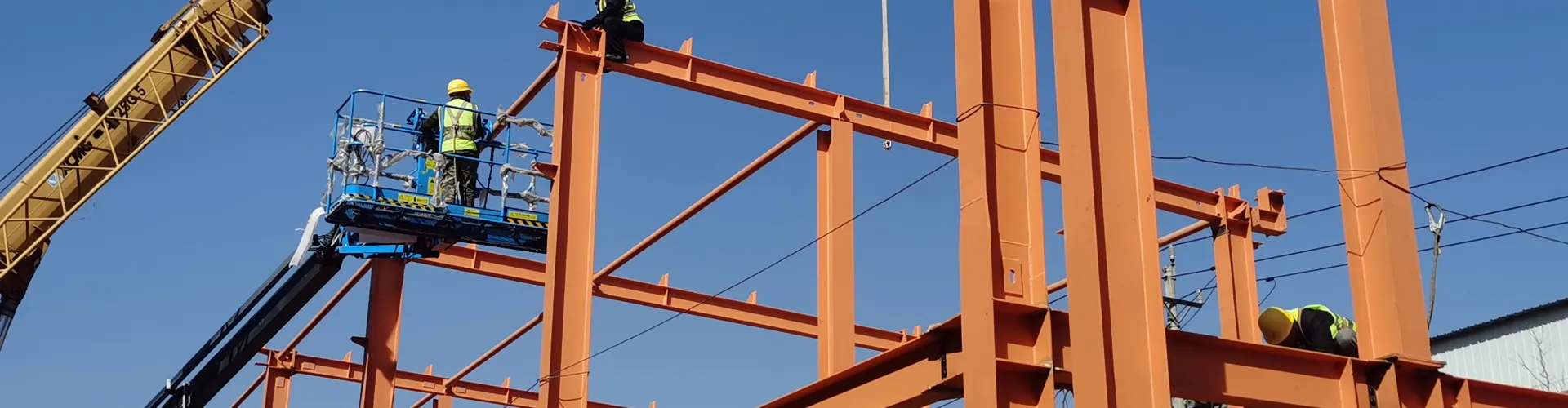
We like to explain this term in a practical way. Prefabrication is about where and how the work happens. Instead of cutting, welding, and preparing major steel members on site, the supplier does most of that work in the factory under controlled conditions. The normal flow is engineering, CNC cutting, fabrication, welding, surface treatment, inspection, transportation, and then site assembly.
This matters because factory production usually brings better consistency. Cutting can be more accurate. Welding procedures can be controlled more closely. Surface treatment is easier to manage. Inspection is easier to organize. Site work also becomes faster because more work is already finished before delivery. For projects with tight schedules, that can be a big advantage.
Still, we do not see prefabricated as meaning simple or standard. A prefabricated steel warehouse can be very basic, but it can also be highly customized. Large-span industrial steel, heavy welded assemblies, and complex support structures can all be prefabricated if the supplier has the right equipment and management. What matters is not whether the warehouse is “standard” but whether the components are prepared well for installation.
We have found this especially useful in export and EPC projects. When the supplier can fabricate, inspect, pack, mark, and ship according to the erection sequence, the site team has a much easier job. When they cannot, the project starts losing time before erection even begins.
| Prefabrication stage | What happens |
|---|---|
| Engineering | Shop drawings and production planning |
| CNC cutting | Accurate cutting of steel plates and sections |
| Fabrication and welding | Assembly of structural members |
| Surface treatment | Shot blasting, primer, coating, or galvanizing |
| Inspection | Dimensional checks and quality control |
| Packing and shipping | Organized delivery for site use |
| Site assembly | Fast erection with less on-site fabrication |
On paper, the difference is simple. In real procurement, the difference matters because it affects quotation scope, supplier selection, and project planning.
A steel structure warehouse describes the whole structural solution, a steel frame warehouse focuses on the main frame, and a prefabricated steel warehouse describes the production and assembly method. One project can fit all three descriptions at the same time.
This overlap is what often confuses buyers at first. We may be looking at one warehouse project, but different people describe it from different angles. The designer may focus on the structural system. The supplier may focus on the frame. The contractor may focus on prefabrication and erection speed. None of them are necessarily wrong. They are just emphasizing different things.
That is why we always suggest asking one more question when a supplier uses one of these terms: “What exactly is included?” That one question can save a lot of trouble later.
For example, a project may be described as a steel structure warehouse because the full building system is steel-based. It may also be a steel frame warehouse because the main load-bearing frame is a rigid steel frame. At the same time, it may be a prefabricated steel warehouse because all major members are fabricated in the factory and delivered ready for erection. In that case, the terms are not competing with each other. They are describing different aspects of the same building.
| Term | What it emphasizes | What buyers usually care about |
|---|---|---|
| Steel structure warehouse | Overall structural solution | Supplier capability, full scope, customization |
| Steel frame warehouse | Main load-bearing frame | Span, frame type, loads, dimensions |
| Prefabricated steel warehouse | Factory production and assembly | Schedule, quality control, site efficiency |
There is no one answer for every project. The right choice depends on what the building needs to do, how fast it must be delivered, and how much customization is involved.
For standard storage, a steel frame warehouse may be enough. For heavy industrial or process-related use, a steel structure warehouse is often the better fit. For fast-track work, a prefabricated steel warehouse offers clear schedule and quality advantages.
We usually start by looking at the project type. If it is a straightforward storage building, then a standard frame solution may be the most efficient. The key questions are usually the span, height, roof load, wind load, door size, and local code requirements. In that kind of job, a well-designed steel frame warehouse can do the work very well.
If the building is an industrial warehouse, the structural demands often increase very quickly. Overhead cranes, high equipment loads, mezzanines, process openings, large machinery, and custom supports all make the design more complex. In that case, we need a broader steel structure solution, and we need a supplier who can actually fabricate what the drawings require.
If the project is in manufacturing, then the warehouse may need to serve the production process, not just store goods. That changes everything. The structure may need to fit around material handling systems, utilities, maintenance routes, large openings, and equipment bases. At that point, buying only by standard building type is risky.
If the project is an EPC or international contract, prefabrication becomes even more important. A factory-made system can improve control of quality, delivery, inspection, packing, and on-site assembly. That does not remove risk by itself, but it gives us a better way to manage risk.
| Project type | Usually best starting point | Why |
|---|---|---|
| Standard storage warehouse | Steel frame warehouse | Simple and efficient frame-based solution |
| Heavy-duty industrial warehouse | Steel structure warehouse | More custom structural demands |
| Manufacturing facility | Steel structure warehouse | Needs to match operations and equipment |
| Fast-track EPC project | Prefabricated steel warehouse | Better factory control and faster site assembly |
A supplier should not be judged by price alone. In steel projects, low price often hides missing scope, weak quality control, or delivery problems that show up later.
Before choosing a supplier, we should check manufacturing capacity, welding quality, material traceability, surface treatment, certifications, inspection process, packing ability, and whether the quotation covers the same scope as others.
This is where experience really matters. We have learned that many procurement problems are not caused by steel itself. They are caused by unclear scope and weak supplier control. So we look at the supplier from several angles.
First, we check manufacturing capability. Can they handle the tonnage? Can they produce welded H-sections, box columns, trusses, and complex assemblies? What is their maximum component size? Do they have automated welding lines or only manual fabrication? These questions tell us whether the supplier can really do the work or is just trying to win the order first.
Second, we check welding and quality control. Welding is one of the most important parts of fabricated steel. A serious supplier should have qualified procedures, trained welders, inspection records, and dimensional control steps. If the project needs special standards, we verify that too.
Third, we review materials and coatings. The steel grade must match the design. The coating system must match the service environment. For industrial and petrochemical projects, the cheapest paint system is often the wrong choice.
Last, we compare quotation scope carefully. We check whether the offer includes raw material, fabrication, welding, blasting, painting, packing, loading, documentation, inspection, and shipping terms. We never assume two quotations mean the same thing just because the total building size is the same.
| Check item | What to ask |
|---|---|
| Manufacturing capacity | Can the factory handle the size, tonnage, and complexity? |
| Welding control | Are procedures, welder qualifications, and inspections in place? |
| Material traceability | Can they provide material certificates and heat tracking? |
| Surface treatment | Is the coating system suitable for the project environment? |
| Certification | Do they have the required project certifications? |
| Quotation scope | Are all suppliers pricing the same items and services? |
Many buyers want a quick price per square meter. We understand why. It is simple. The problem is that steel warehouse projects are rarely simple.
There is no reliable universal cost per square meter for a steel structure warehouse because the final price depends on loads, span, height, steel quantity, fabrication complexity, coatings, transport, and many other project-specific factors.
We have seen two warehouses with similar floor areas end up with very different steel quantities and very different prices. One may be a light storage building. The other may need cranes, heavy equipment support, large openings, stronger bracing, thicker plates, or special corrosion protection. On paper, the area looks the same. In fabrication terms, they are not the same project at all.
That is why we do not recommend comparing suppliers based only on a rough square meter rate. A better approach is to compare based on actual drawings, bill of materials, loading data, coating requirements, standards, and delivery scope. When that information is clear, the quotation becomes much more meaningful.
In short, good buying decisions come from clear technical input, not from oversimplified cost shortcuts.
The best warehouse choice comes from clear project needs, clear scope, and the right supplier. When we understand the terms properly, buying becomes much simpler and much safer.
Steel Structure Workshop Solutions
Steel Warehouse Solutions
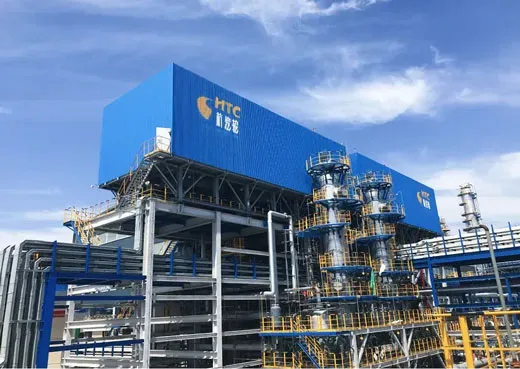
Heavy Steel Structures for Equipment
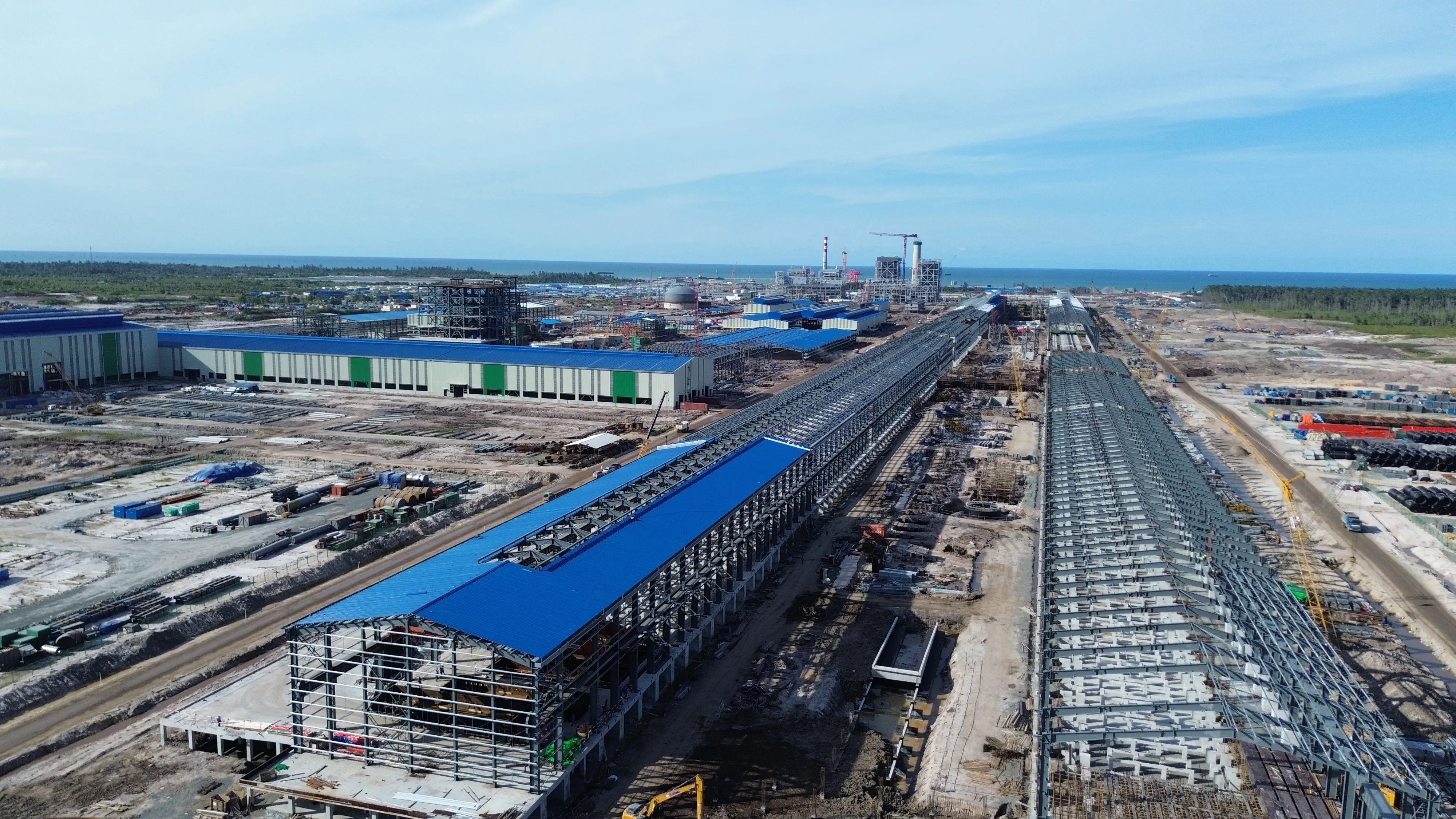
Indonesia North Kalimantan Aluminum Plant Project
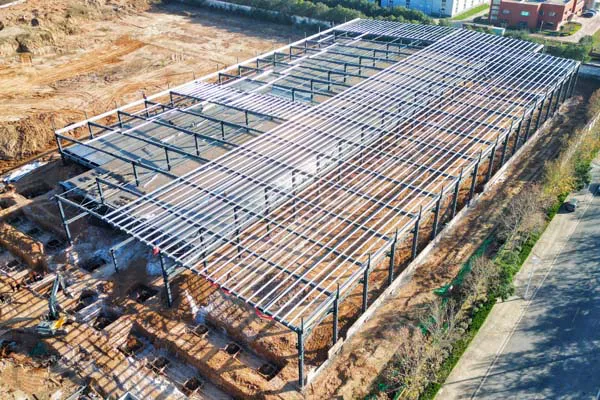
Luoyang Haode Auto Parts Steel Structure Factory Project
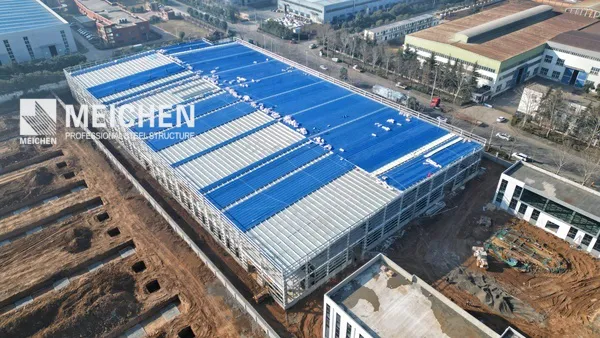
Automated Glass Production Line Steel Structure Factory Building Project
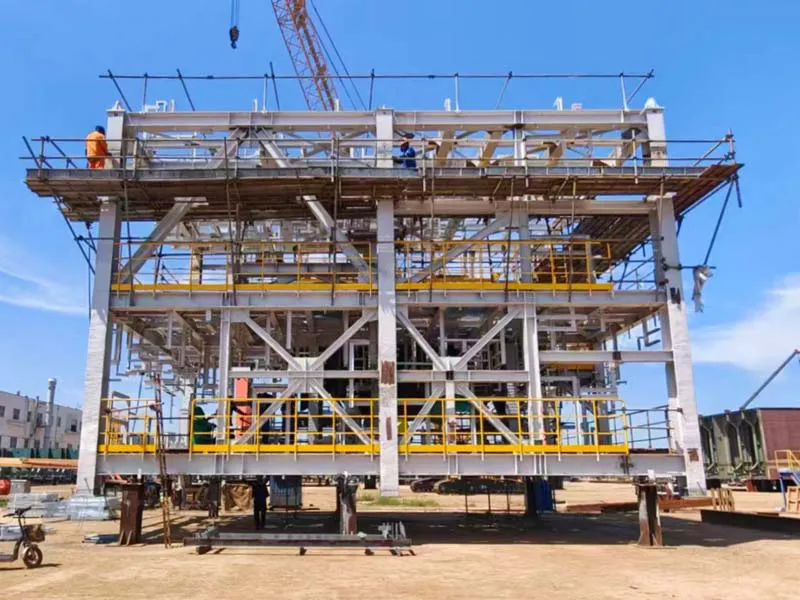
Oil & Gas Modular Steel Structure Fabrication Project

Flare Stack Structure