Time:2026-09-10 00:54:20 Source:Sanjian Meichen Steel Structure
Steel structure warehouse prices surprise even experienced buyers. We look at similar drawings and get wildly different quotes. This can feel confusing, frustrating, and risky—but there’s a reason behind every price difference.
Steel structure warehouse prices vary between suppliers because each quote can have different steel tonnage, design loads, material grades, fabrication quality, scope details, and support services. To compare properly, we need to look beyond the numbers.
We have learned the hard way that a low price is usually not the whole story. Sometimes, the price gap is because the supplier cuts corners—simplifies the structure, uses cheaper materials, leaves out accessories, or does not count all the engineering work. I remember one warehouse project years ago where we went with the lowest quote. That decision ended up costing much more in site modifications and delays. Now, I always dig deeper into every quote, checking the details before making a decision.
Design standards change the steel structure itself, even for warehouses that seem identical. If a supplier uses weaker wind or seismic assumptions, the tonnage drops and the price looks attractive—but you may pay more later.
From our experience, local wind speed, snow load, seismic risk, and roof loads are not minor details. A warehouse in Texas is not like one in Nebraska or coastal Asia. We learned this lesson when a supplier based the design on “typical wind” instead of actual codes. The price was lower—until re-engineering later called for heavier columns and more bracing, which drove up both steel tonnage and cost. We always ask suppliers to state their design loads up front. Only when every quote uses the same safety factors do prices mean anything.
| Factor | Low-Load Region | High-Load Region |
|---|---|---|
| Wind Speed | 100 kph | 160 kph |
| Seismic Design | Basic | Strict |
| Steel Tonnage | 180 tons | 240 tons |
| Cost Difference | Lower | Higher |
No, material grades vary—and this matters. Some quotes use basic steel grades, while others use high-strength materials. Both affect price and performance.
When we ask for a quote, we do not just look at “6 mm plate.” We check what grade—Q235, Q355, ASTM A36, S355—and where it came from. Once, we received steel with wider tolerances that was said to be “6 mm”, but delivered as 5.7 mm. That difference affected both strength and compliance. High-grade steel offers better safety and efficiency but costs more. We ask for mill certificates and check if the factory maintains a reliable supply chain. Cheap material usually means hidden risk, especially for critical projects.
| Item | Supplier X (Q235) | Supplier Y (Q355) |
|---|---|---|
| Plate Thickness | 6 mm | 6 mm |
| Yield Strength | 235 MPa | 355 MPa |
| Tolerance | -0.3 mm | -0.1 mm |
Fabrication is about more than just cutting and welding. Good fabrication means tight tolerances, clean welds, and easier installation. Poor fabrication costs less upfront but brings expensive headaches later.
We were on site when a batch of beams arrived with poorly cut ends. It took double the labor just to get things to fit, with workers re-drilling and grinding parts. That project taught us that clean, precise fabrication is worth paying for. We now ask for factory inspection reports and sometimes even visit the workshop. High-quality suppliers invest in skill, machines, and checks. Their price is higher, but the warehouse goes up faster and costs less to correct. We always remember that “cheap fabrication” quickly becomes “expensive installation.”
| Feature | Good Supplier | Cheap Supplier |
|---|---|---|
| Weld Quality | Certified | Unqualified |
| Tolerance Control | +/- 2 mm | +/- 8 mm |
| Site Corrections | Rare | Common |
| Erection Speed | Fast | Slow |
Absolutely. Corrosion protection, from basic primer to hot-dip galvanizing, can double or triple the cost. But it also doubles or triples the lifespan, depending on the environment.
We once managed a warehouse project in a coastal area where basic primer failed after only two years. The repair bill was higher than the original paint upgrade. Now, we always specify the exact corrosion protection needed—primer, epoxy, or galvanizing—and check coating thickness reports. For chemical plants, we insist on high-performance systems. Suppliers often quote the cheapest paint to win the deal, but that savings disappears quickly when rust sets in. Asset owners should focus on lifecycle cost, not just initial outlay.
| Environment | Primer Only | Epoxy Paint | Galvanizing |
|---|---|---|---|
| Dry Inland | Works | Good | Best |
| Coastal Humid | Risk | Better | Best |
| Chemical Plant | Fails | Strong | Essential |
Quotes vary depending on what’s included. Main frames only? Or everything—purlins, bracing, gutters, trims, crane beams? We ask for a full bill of materials and compare line-by-line.
Buyers often get caught when a low quote excludes small but important items. On one job, gutters and trims were not included, so we spent extra money later to buy them separately. Now, we always insist on a detailed scope list. We check if anchor bolts, staircases, flashing, and installation bolts are included. Comparing apples to apples saves us from surprise bills and drama during construction.
| Warehouse Item | Supplier M | Supplier N |
|---|---|---|
| Main Frame | Yes | Yes |
| Purlins/Girts | Yes | No |
| Bracing Rods | Yes | No |
| Edge Trims | Yes | No |
| Anchor Bolts | Yes | Yes |
Steel warehouse prices are not just about steel weight or building size. The real value lies in design safety, material quality, fabrication precision, scope, protection, and reliable support. Comparing only price risks costly surprises. We ask the tough questions, clarify scope and requirements, and only then choose the supplier that offers the safest, clearest, and most cost-effective solution for our project. That’s how we turn quotations into successful project outcomes.
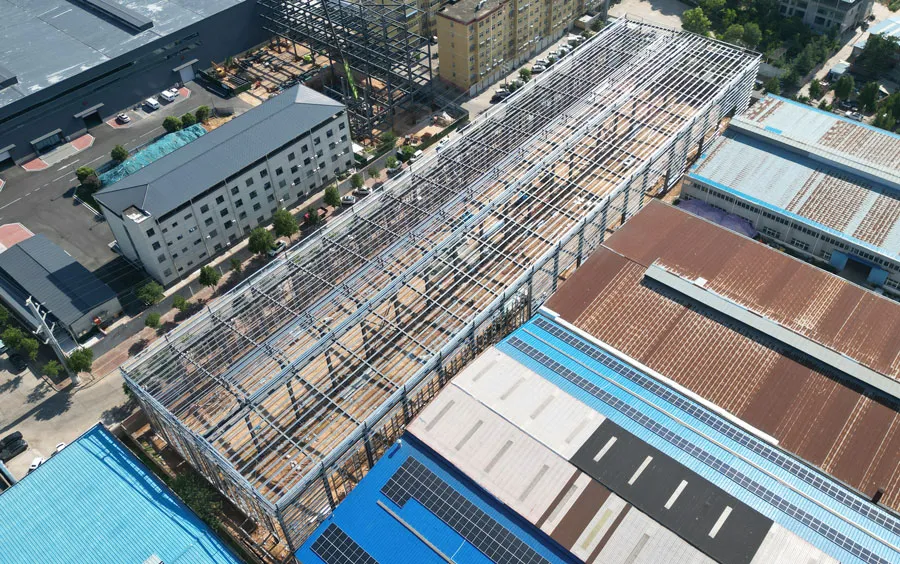
Steel Structure Workshop Solutions
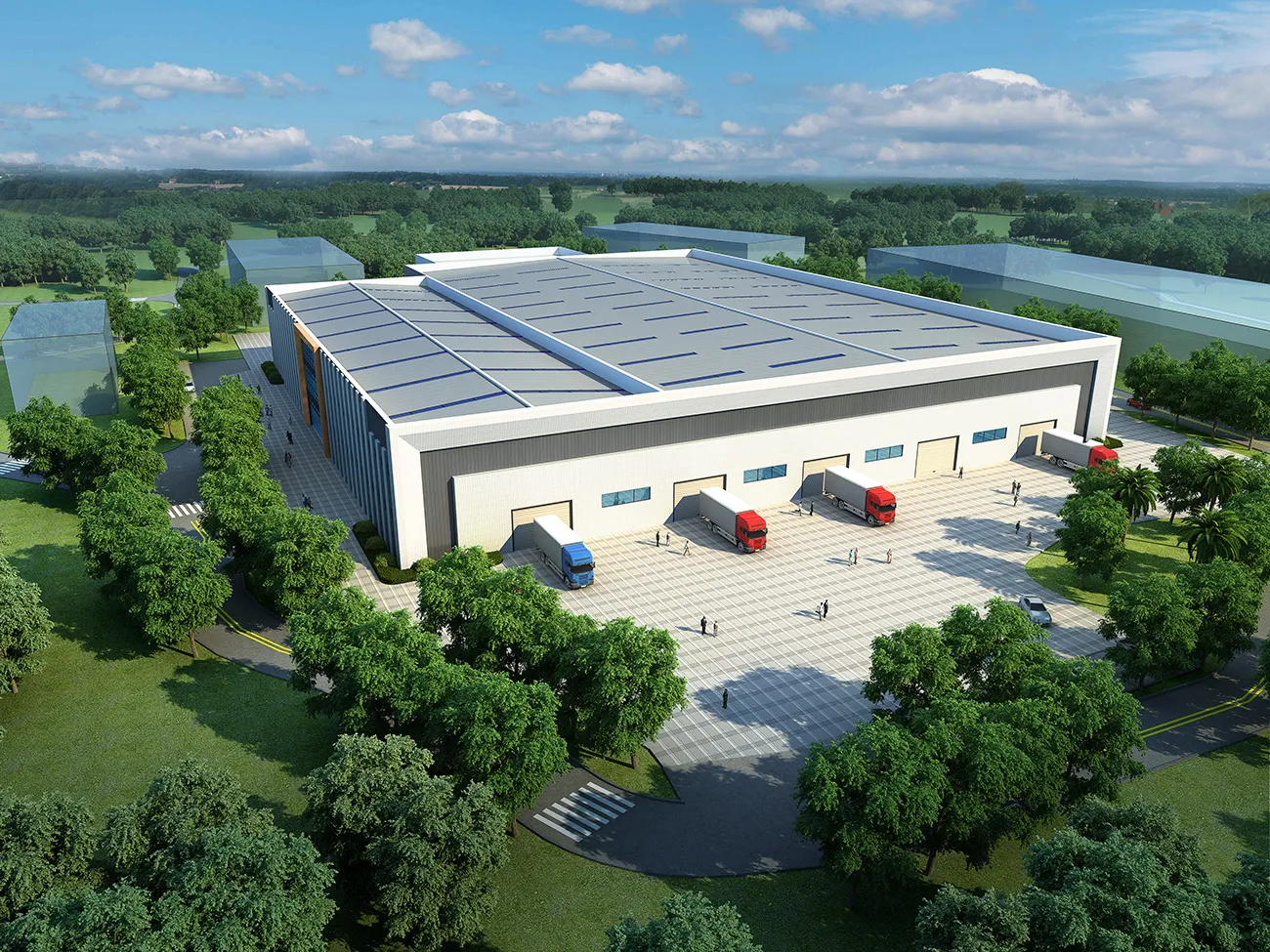
Steel Warehouse Solutions
Heavy Steel Structures for Equipment
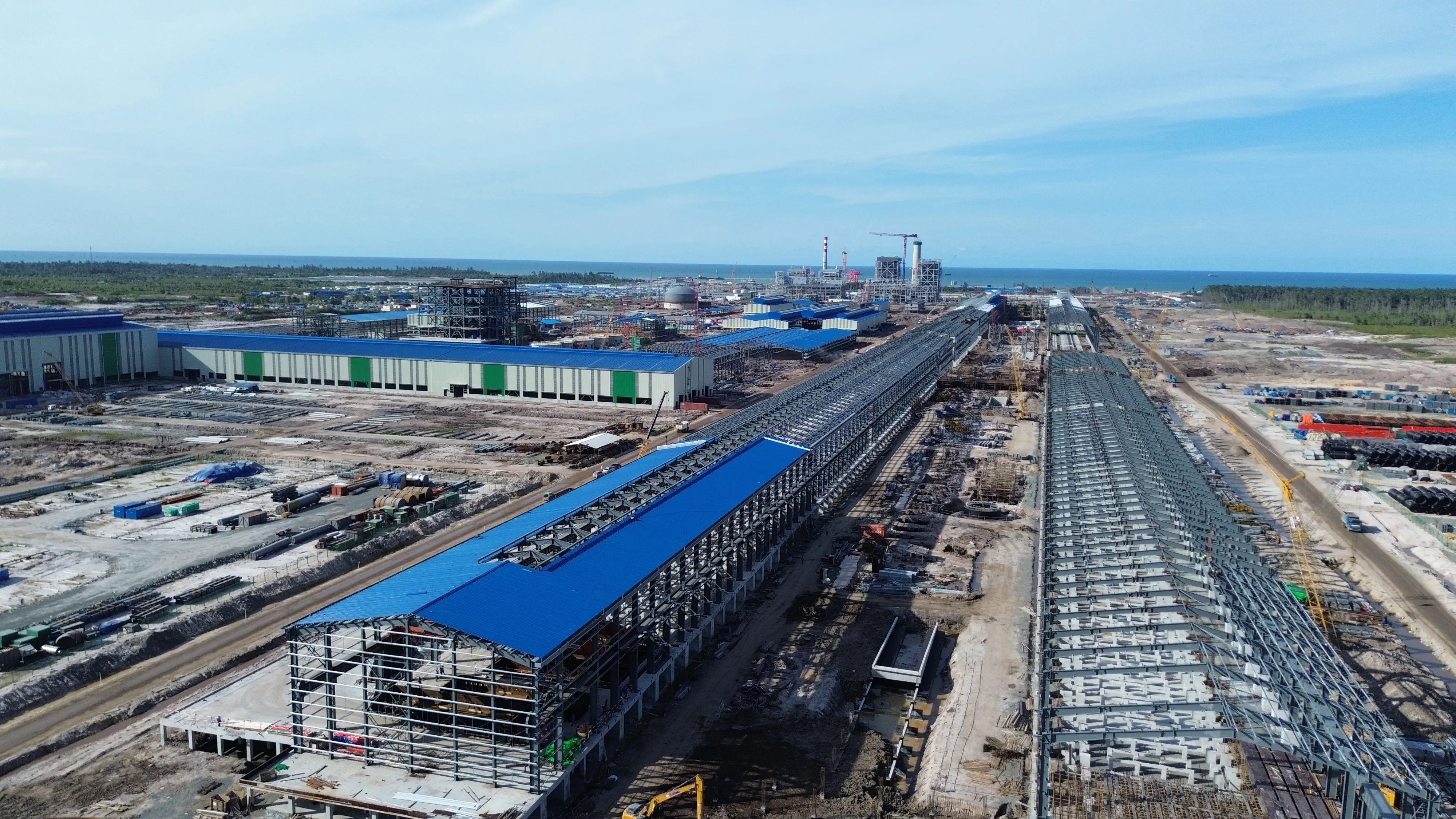
Indonesia North Kalimantan Aluminum Plant Project
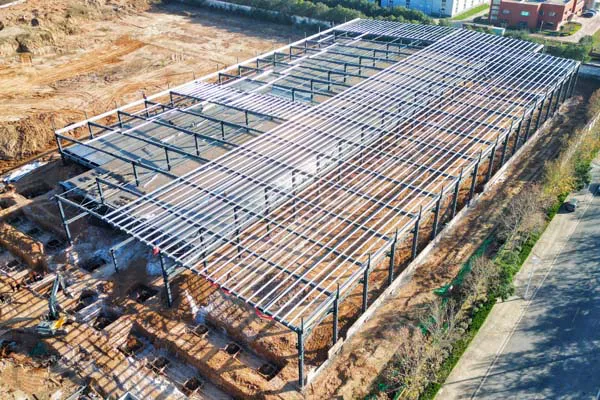
Luoyang Haode Auto Parts Steel Structure Factory Project
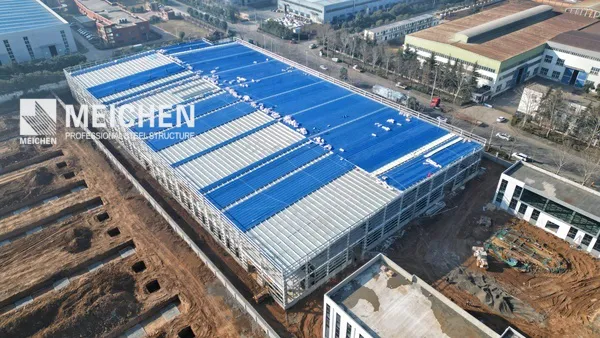
Automated Glass Production Line Steel Structure Factory Building Project
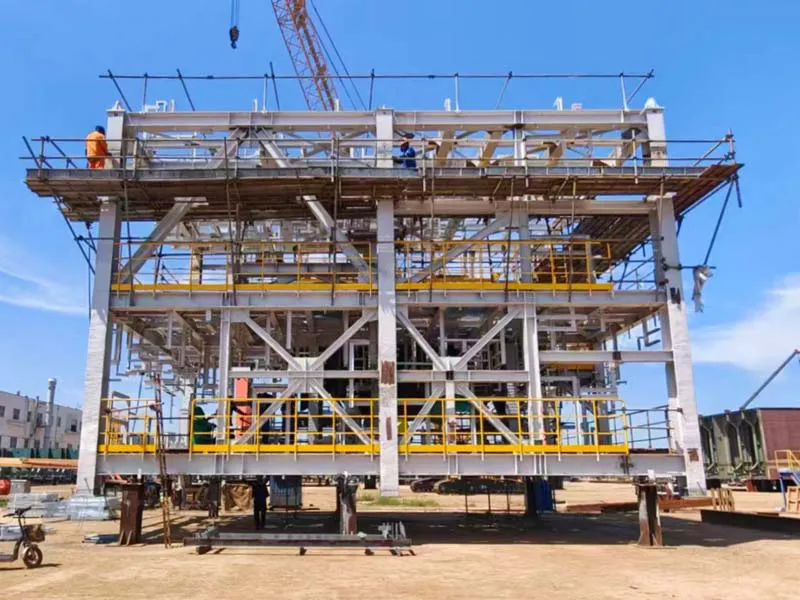
Oil & Gas Modular Steel Structure Fabrication Project
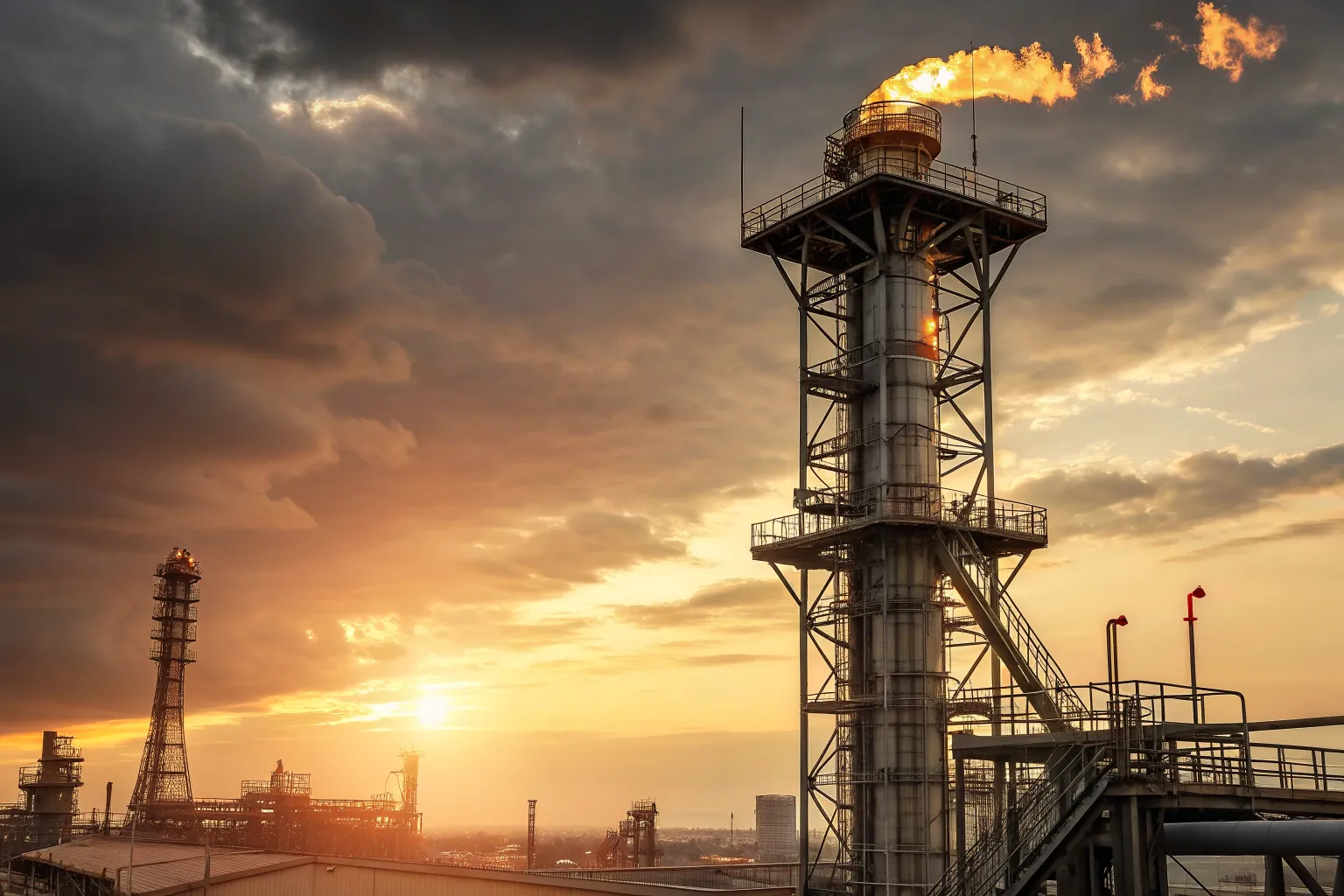
Flare Stack Structure