Time:2026-09-21 03:10:07 Source:Sanjian Meichen Steel Structure
Selecting the right steel structure supplier is one of the most consequential decisions in any construction or industrial project. A poorly chosen partner can lead to cost overruns, structural failures, and compliance headaches. To help you avoid these pitfalls, we have compiled the top 10 questions you must ask every potential supplier. These questions go beyond surface-level sales pitches and dig into the supplier’s technical competence, quality control, project management, and long-term reliability. By asking these questions systematically, you will be able to compare suppliers like MeiChen Steel on a level playing field and make an informed, confident choice.
Every credible steel structure supplier should hold relevant certifications that demonstrate adherence to international or local building codes. Ask for specific certifications such as ISO 9001 for quality management, ISO 14001 for environmental management, or AWS D1.1 for welding procedures. In many regions, structural steel must comply with ASTM, EN, or GB standards. A supplier like MeiChen Steel typically maintains multiple certifications to serve global clients. Do not accept vague claims; request copies of certificates and verify their validity.
Certifications are not just badges—they represent a systematic approach to quality, safety, and consistency. A certified supplier follows documented processes, which reduces the risk of defective materials or workmanship. Without proper certifications, you may face increased liability and inspection failures.
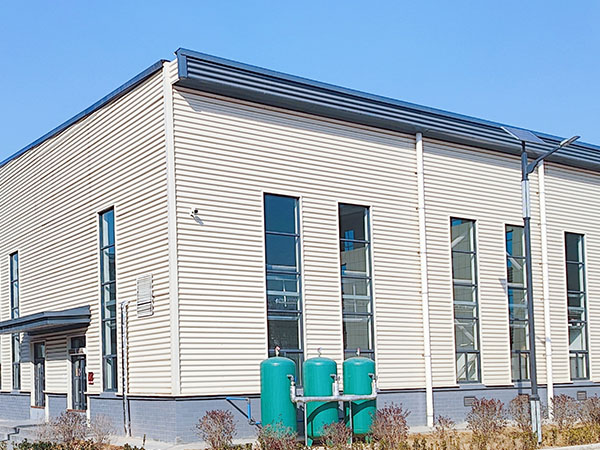
Experience in your specific sector (industrial warehouses, commercial buildings, bridges, or agricultural structures) can significantly affect project outcomes. Ask for a portfolio of completed projects that match the scale, complexity, and intended use of your building. Inquire about the number of years the supplier has been in business, but more importantly, ask about the specific challenges they have overcome.
A seasoned supplier like MeiChen Steel will have case studies that detail how they solved engineering issues, managed tight timelines, or adapted to local climate conditions. Request references and follow up with past clients to validate performance.
The quality of a steel structure starts with the raw material. You need to know the exact steel grade (e.g., Q235, Q355, S235JR, S355JR, A36, A572) and the chemical composition. Reputable suppliers source steel from trusted mills and provide mill test certificates (MTCs) that trace the heat number and mechanical properties. Do not accept a supplier who cannot supply these documents.
Additionally, ask about the coating and corrosion protection system. For exposed environments, hot‑dip galvanizing or advanced paint systems may be required. Clarify the expected lifespan of the coating and the warranty offered.
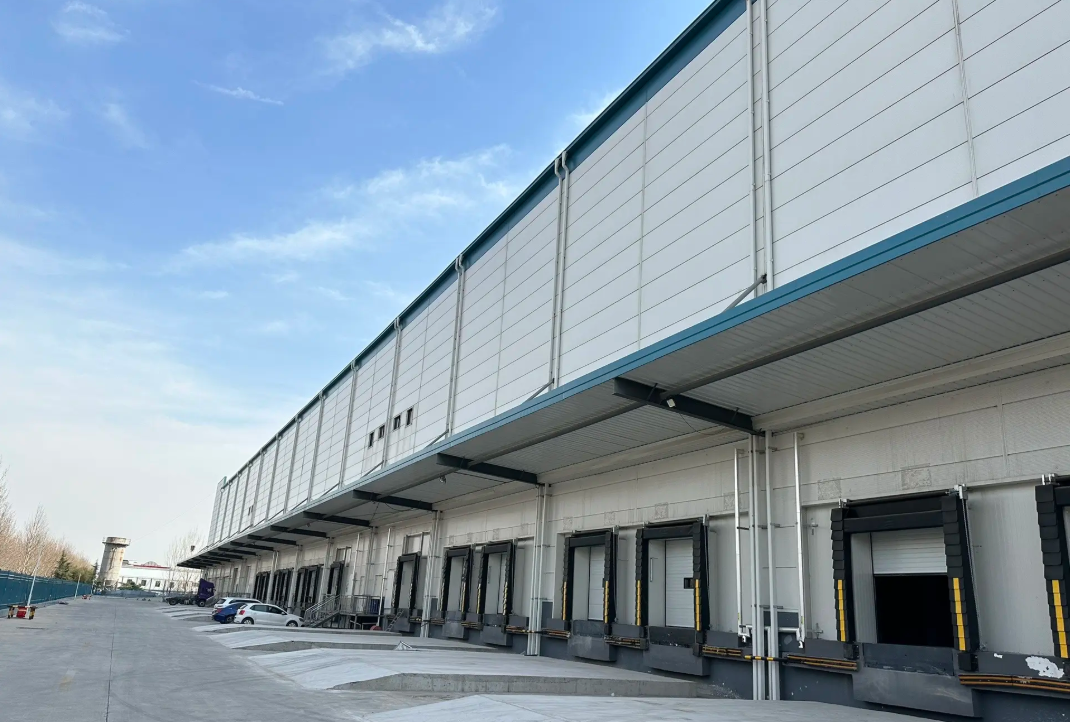
Every project has unique requirements—load conditions, seismic zones, local wind speeds, and architectural preferences. Ask whether the supplier has in‑house engineering capabilities or outsources design to third‑party firms. If they have licensed structural engineers (PE/SE) on staff, that is a strong indicator of technical depth. Inquire about their familiarity with BIM (Building Information Modeling) and FEA (Finite Element Analysis) software, as these tools enable accurate 3D modeling and clash detection.
For example, MeiChen Steel’s engineering team can develop customized solutions that optimize material usage while maintaining safety margins. Ask for a sample of design calculations or connection details to assess their competence.
Timely delivery is critical to your construction schedule. Ask for a realistic lead time from receipt of order to material delivery. But more important is how the supplier plans for potential disruptions—in raw material supply, production capacity, shipping, or labor. Request a detailed project timeline with milestones (drawing approval, fabrication start, inspection, loading, delivery).
Find out if they have fallback suppliers for steel if their primary mill has a shortage. Also ask about their policy on late deliveries—are there penalty clauses? A professional supplier will be transparent about risks and mitigation strategies.
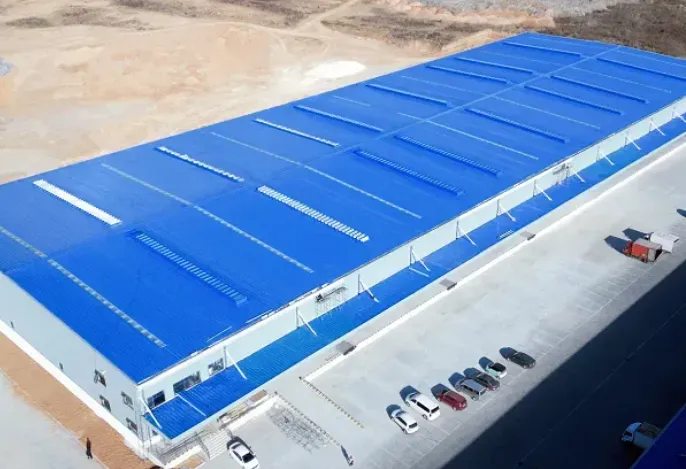
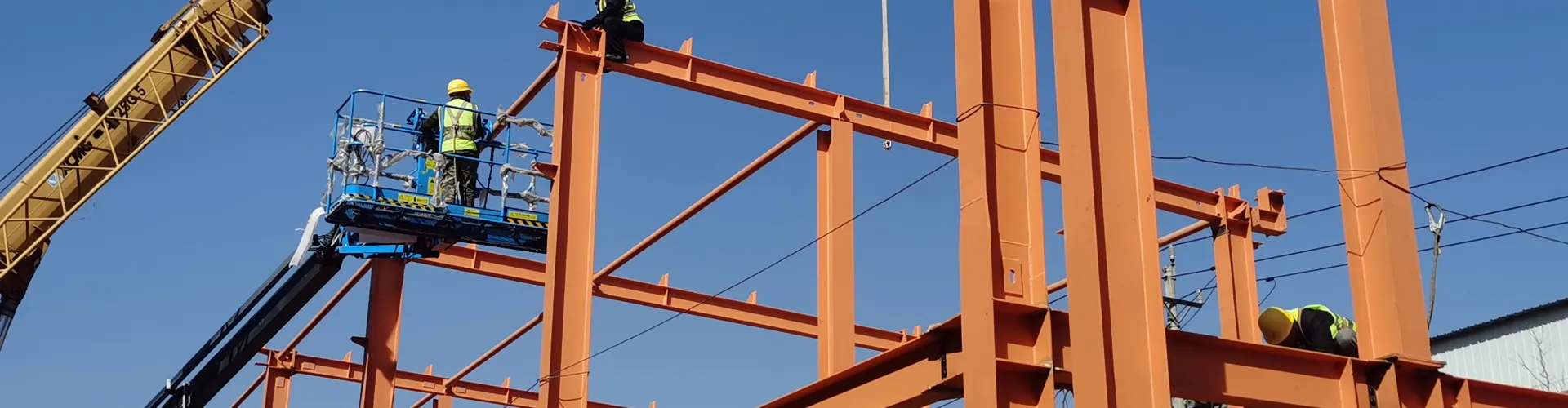
Some suppliers only sell fabricated steel, while others provide full erection services. Your choice depends on your in‑house capabilities. If you need installation support, ask whether they supply detailed erection drawings, sequence plans, and on‑site supervisors. Clarify who is responsible for bolt torque values, crane operations, and safety compliance. If you prefer to hire your own contractor, discuss how the supplier coordinates with the erector to avoid interface issues.
Many clients find value in suppliers like MeiChen Steel who offer optional engineering supervision during installation, which can prevent costly mistakes.
A strong quality control (QC) program includes raw material inspection, in‑process checks during fabrication (e.g., dimensional tolerance, weld quality via NDT), and final inspection before shipment. Ask for a copy of their QC plan. Inquire about the frequency of third‑party inspections and whether you (or your representative) can visit the factory during production.
Understand their non‑destructive testing (NDT) capability—ultrasonic testing, magnetic particle testing, or radiography. Also confirm that they follow a clear non‑conformance report (NCR) process for any deviations.
Financial transparency is essential to avoid disputes. Ask for a clear breakdown of the total price: material cost, fabrication cost, transportation, taxes, and any optional services. Typical payment terms in the steel structure industry are a percentage upon order confirmation, milestone payments during fabrication, and the balance before or upon delivery. High‑risk suppliers may demand heavy upfront payments; a trusted partner like MeiChen Steel usually offers a balanced schedule that aligns with project progress.
Also discuss change order procedures. How are design modifications priced and approved? What is the turnaround time for a quotation change? Clear contract language protects both parties.
Steel structures are long‑term assets, so warranty coverage is a serious consideration. Ask about the warranty period for material defects, workmanship, and coating performance. Understand what is excluded (e.g., damage from misuse, natural disasters). Also ask about after‑sales support: do they offer spare parts, replacement bolts, or repair advice? How quickly can they respond to an issue that arises years after delivery?
A supplier’s willingness to stand behind its product is a strong indicator of quality. Review the warranty documentation carefully before signing.
The most convincing evidence comes from actual clients and firsthand observation. Request a list of at least three references from projects of similar scope and complexity. Contact them and ask about their experience with the supplier’s communication, adherence to schedule, product quality, and problem‑solving. If feasible, schedule a factory tour to see the fabrication process, inventory management, and working conditions. A supplier that is proud of its facility will welcome visitors. MeiChen Steel, for example, regularly hosts client visits to demonstrate their manufacturing prowess and quality assurance.
Asking these 10 questions will separate a competent, reliable steel structure supplier from a risky one. Each answer should give you confidence—or raise red flags. Take the time to document responses, compare them across candidates, and trust your due diligence. When you find a supplier like MeiChen Steel that consistently meets high standards in certification, engineering, quality control, and client service, you have a partner who will help your project succeed from design through completion.