Time:2026-07-17 06:36:54 Source:Sanjian Meichen Steel Structure
Do you feel every steel structure factory project drags on longer than it should? Tight deadlines slip away—and as costs tick up, so does your stress.
A typical steel structure factory takes between 3 and 7 months to build. Timelines depend on overall size, how custom your design is, and—most critically—how well you manage and coordinate each project phase.
We’ve seen rushed schedules turn into six-month headaches. Most construction managers (us included, back in the day!) underestimate where the real bottlenecks are. After many factories and a fair share of tough lessons, we’ve nailed down what actually matters: set requirements, the right team for the job, and keeping several steps moving at once. Below, let me walk you through each stage—so you can build smarter, not just harder.
So often, teams dive in without clear drawings, thinking design is just a formality. Don’t make this mistake—it can easily add weeks to your timeline.
Design and engineering usually take between 3 and 6 weeks. Where projects get stuck is in incomplete requirements, slow feedback, and revisions from the client or consultants.
Let’s get real: This phase is the heart of your project. It starts with what you need and ends with something your fabricator can actually build. We once supported a petrochemical client who spent days adjusting layouts and workflows before finalizing their drawings. Each change delayed structural plans, which then delayed foundation engineering. If I could give one tip, it’s to get everyone—owner, architect, engineers, even your operations lead—at the table early.
Here’s a simple timeline, based on projects we’ve managed:
| Task | Typical Duration | Delay Factors |
|---|---|---|
| Requirements Gathering | 1 week | Unclear goals, late feedback |
| Site Survey | 1 week | Bad weather, access issues |
| Design/Engineering | 2-3 weeks | Scope changes, coordination |
| Approval/Permitting | 1-2 weeks | Regulator feedback, resubmits |
You can rein in delays by locking down requirements and reviewing all layouts before design even begins. We coach all our B2B clients to set weekly check-ins during design—this alone has cut at least a week of backlogs off some schedules.
This is where your schedule can either speed up or slow down dramatically, and it often surprises clients how varied these timelines can be.
Procurement and fabrication generally run 4 to 8 weeks. Standard warehouse-type buildings go quickly, but custom spans or unusual shapes demand more time for both sourcing and assembly.
Every steel project starts with material—purchasing takes time, especially these days. We’ve had projects that waited an extra week for mill certifications or specific grades. Standard designs move fast, but anything custom—tapered beams, unique bracing, heavy columns—means your shop has to switch setups or even order special plates.
Clients who insist on special coatings or extreme corrosion protection also add a few days to a week, depending on drying and cure times. We always share a realistic schedule based on prior projects’ lessons:
| Fabrication Step | Standard (days) | Custom (days) |
|---|---|---|
| Raw Material Purchase | 5-10 | 10-15 |
| Cutting/Drilling | 4-7 | 7-10 |
| Assembly/Welding | 5-10 | 8-15 |
| Surface Treatment | 3-5 | 5-7 |
| Quality Control | 2-3 | 3-4 |
As a rule, if you want the fastest schedule, stick to tried-and-tested profiles. When you do need something custom, talk to your fabricator early—and always confirm their in-house capacity. We’ve trimmed weeks off by keeping every stage under our own roof.
Most B2B project leaders we work with are surprised how much time is lost here—simply because they treat these as back-to-back steps.
You can usually complete logistics and site preparation in 2 to 4 weeks. But here’s the secret: when we overlap site readiness with material delivery, projects move faster.
I always look for a way to “double-track” this phase. Civil and foundation work can move ahead while the steel components are still being finished in the shop. What slows things down is waiting until after steel fabrication is done before even starting site prep. On one Texas project, we had trucks pulling up with columns just as concrete crews wrapped up—perfect handoff, zero storage headaches.
Here’s a breakdown that’s worked for our clients:
| Task | Standalone | Overlapped |
|---|---|---|
| Site Clearing, Survey | 3-5 days | 3-5 days |
| Foundation Works | 7-14 days | 7-14 days |
| Steel Delivery, Offloading | 4-7 days | 4-7 days |
By planning delivery to coincide with the end of foundation works, your team can start installation immediately—no dead time, no mudholes for materials to sit in.
This is the phase every project team keeps their eyes on. Even so, avoidable delays here are what most often blow up a schedule.
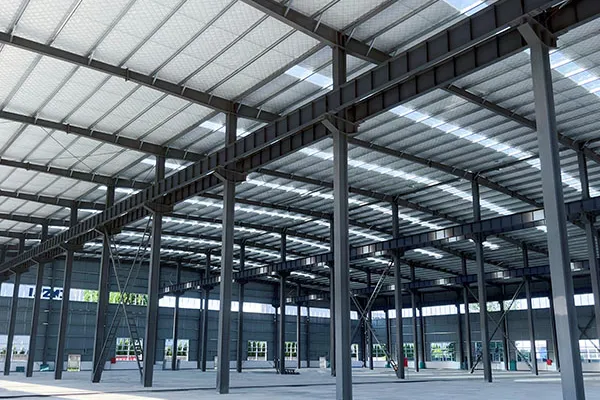
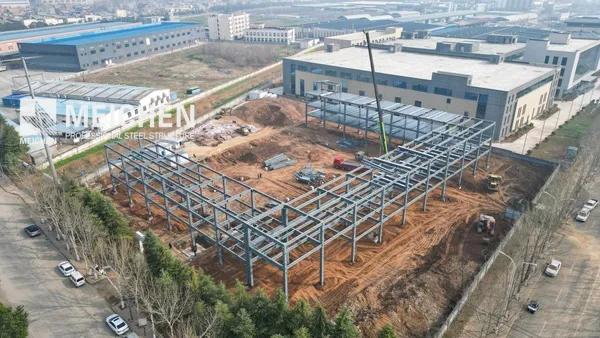
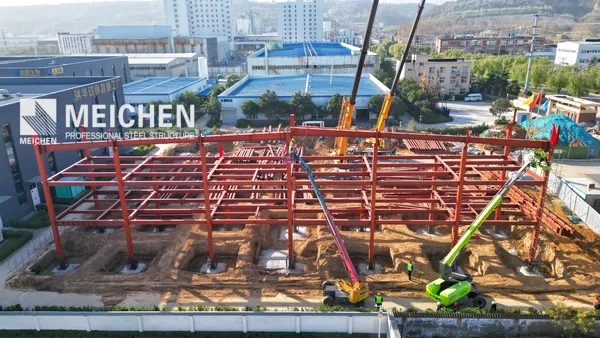
Installation and construction usually take 4 to 12 weeks. Offsite modular prep and strong project management can nearly halve this window, while weather and component fit-up issues stretch it.
Let’s be honest: no two sites are the same. We’ve had clear blue skies and crews breaking records; we’ve also had teams lose a week to rain and missing bolts. Weather has the biggest say but isn’t the only issue—for high-precision buildings, misaligned foundations or out-of-sequence deliveries cause just as much trouble.
One piece of advice from our field teams: pre-assemble as much as possible offsite. For example, wall frames and roof sections put together under cover meant less labor lost on a cold Chicago winter. Our best projects have blended modular construction with just-in-time deliveries.
Typical installation milestones look like this:
| Step | Time Required (avg.) |
|---|---|
| Main Structural Frame | 1-3 weeks |
| Floor/Roof Deck Panels | 1-2 weeks |
| Wall Cladding & Openings | 1-3 weeks |
| Doors, Windows, Aux. Equip. | 1-2 weeks |
| Punch List & Final Fixes | 1-2 weeks |
Strong on-site leadership and one point of contact prevent confusion, streamline questions, and keep everyone accountable. We recommend weekly coordination meetings and strict daily punch lists—small actions, big time savings.
Ask any project veteran: the last 5% is often the hardest. But with the right preparation, it doesn’t have to be.
Inspection and handover usually take 1 to 2 weeks. Start involving inspectors and tackling punch lists before you finish construction and you will sail through this phase.
We have seen too many near-finished builds delayed because paperwork wasn’t ready or small punch items went unaddressed. What works best is to invite third-party inspectors early—let them check welds, bolts, and paint before you shut up walls or ceilings. We complete a punch list for every area, and handle small defects right away, not at the end.
We also prepare all handover documents—including material certificates, welding standards, and as-built drawings—during the build, not after. On our smoothest handovers, the commissioning client walked through their new factory on schedule, found no surprises, and got running that much faster.
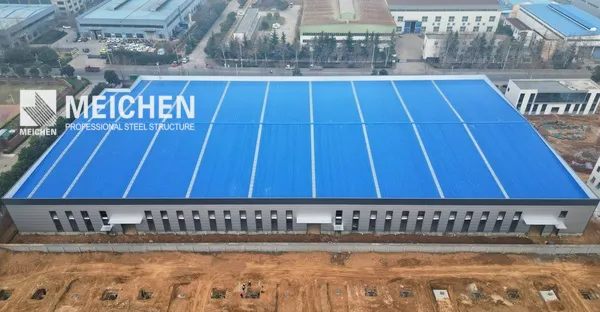
Every steel structure factory project is unique, but with forward planning, clear scope, and synchronized teams, we consistently finish in 3 to 7 months—without sacrificing quality or safety.
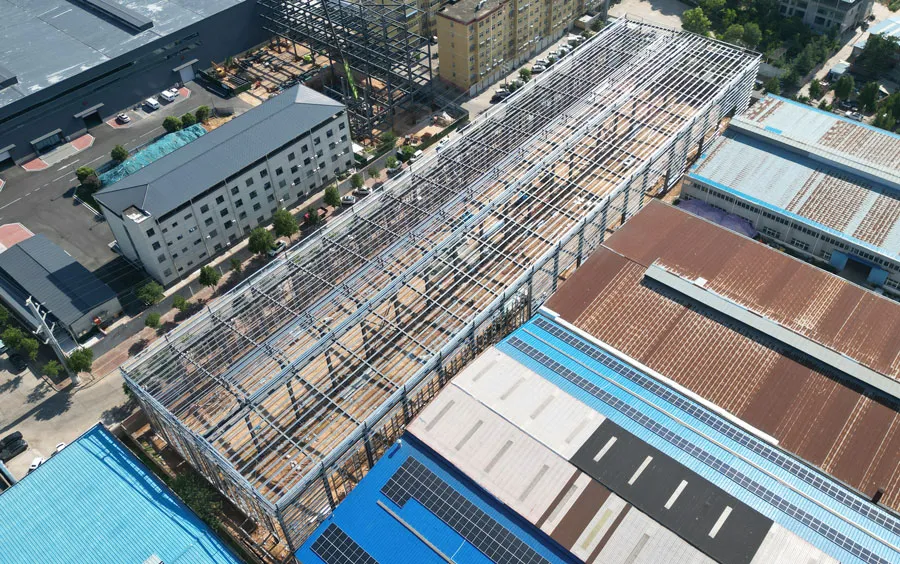
Steel Structure Workshop Solutions
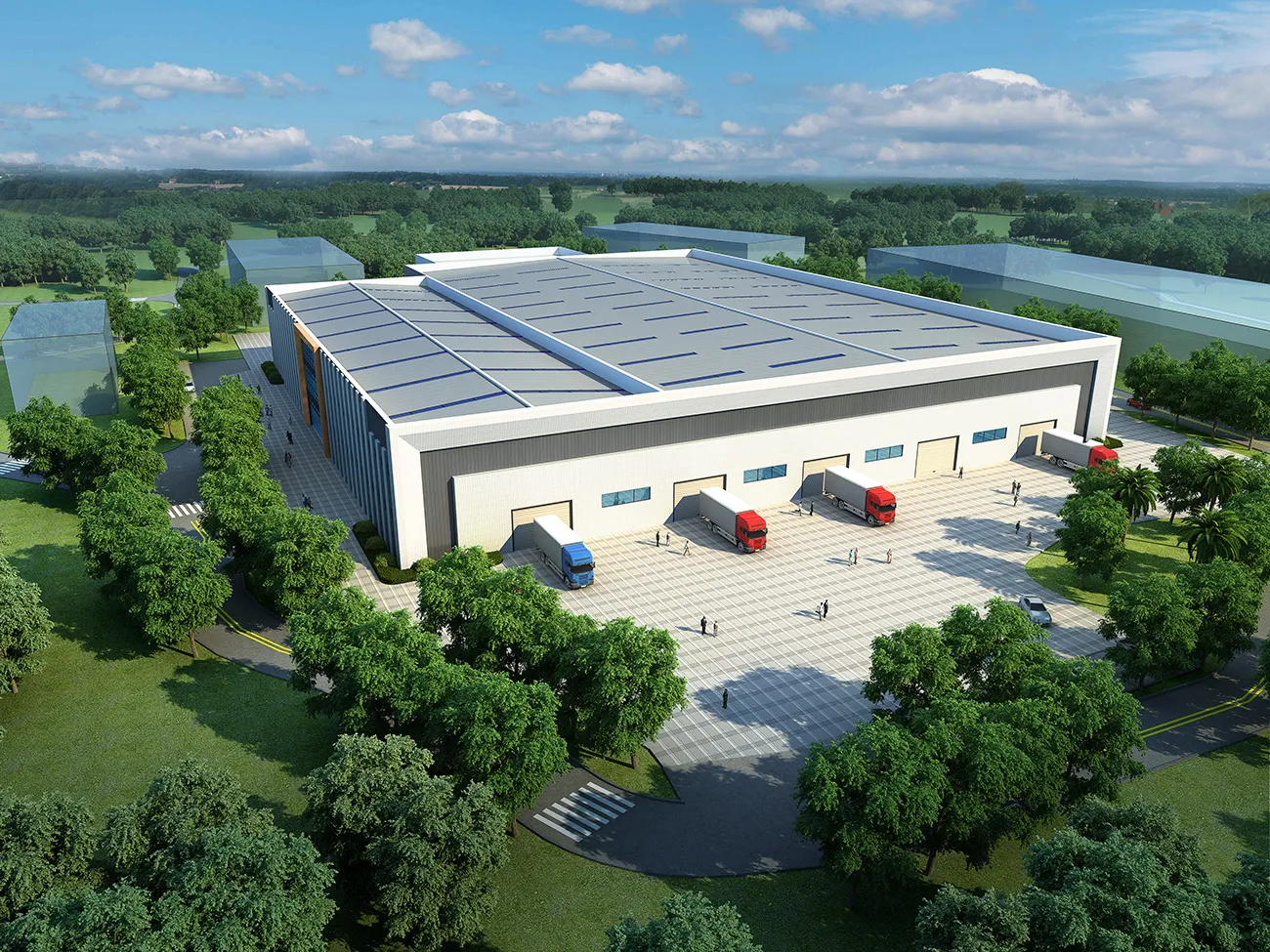
Steel Warehouse Solutions
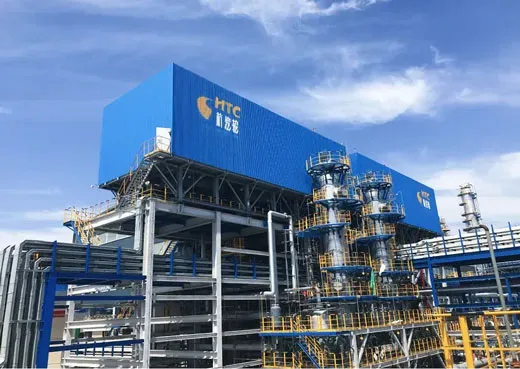
Heavy Steel Structures for Equipment
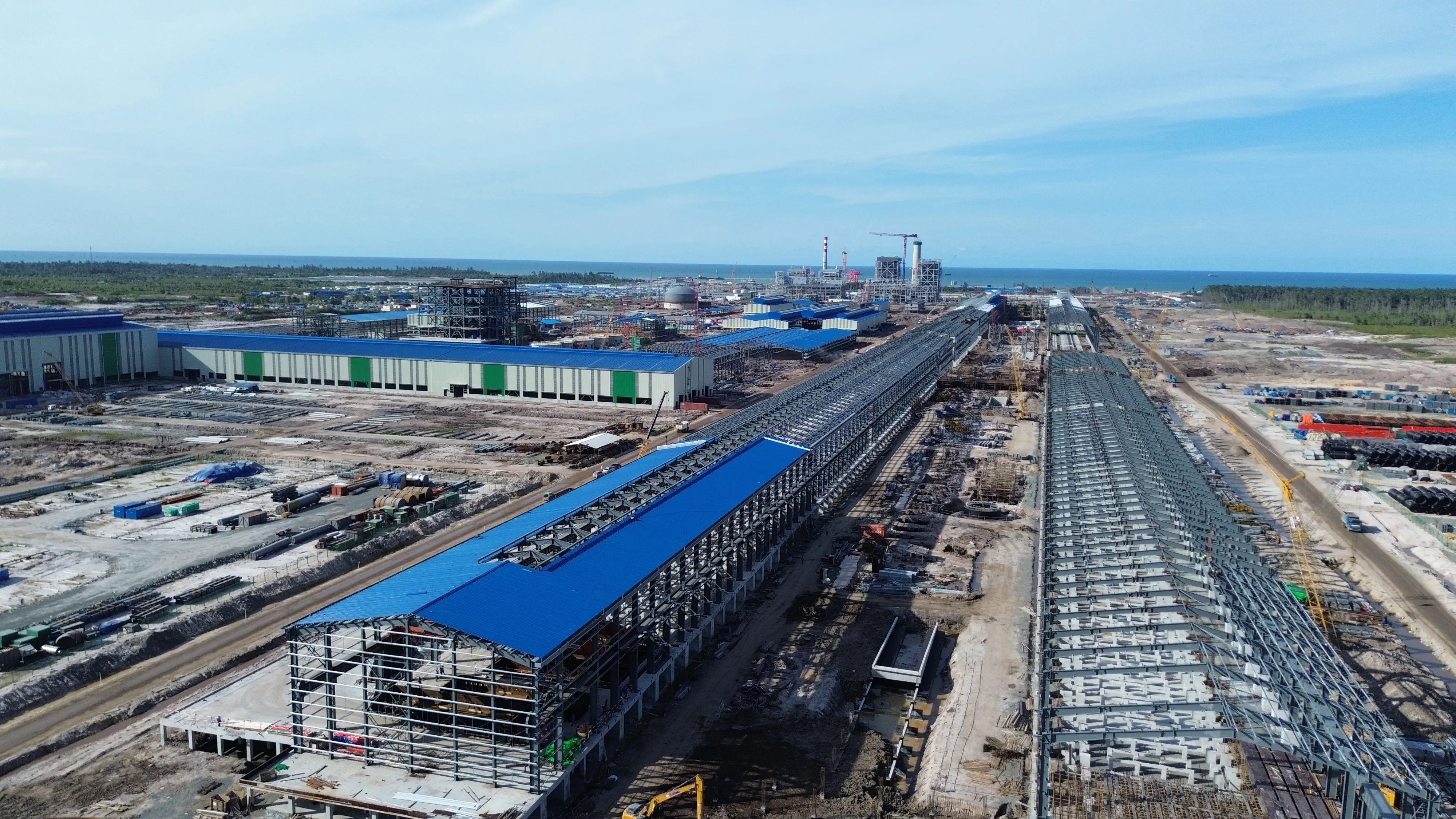
Indonesia North Kalimantan Aluminum Plant Project
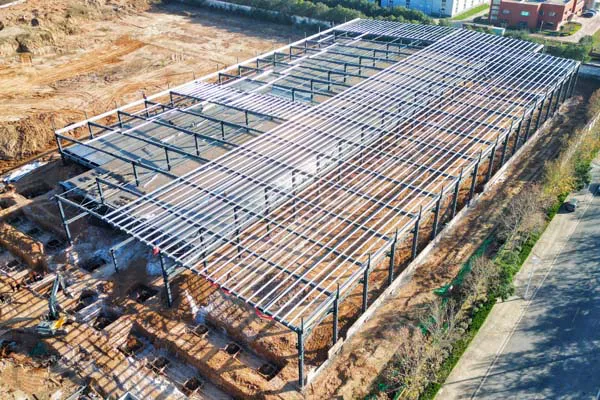
Luoyang Haode Auto Parts Steel Structure Factory Project
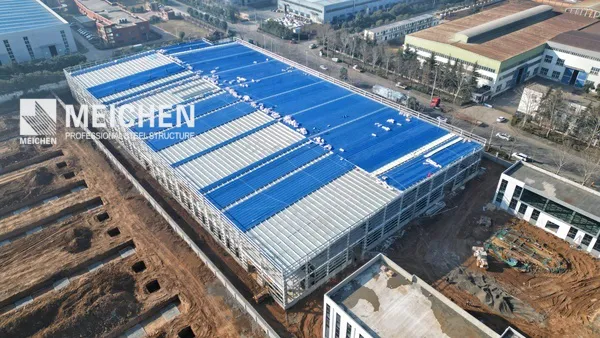
Automated Glass Production Line Steel Structure Factory Building Project
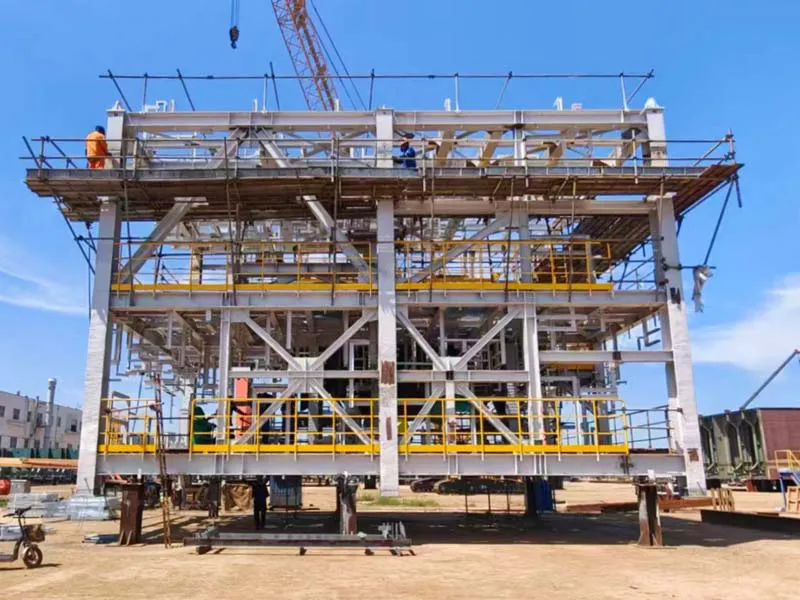
Oil & Gas Modular Steel Structure Fabrication Project

Flare Stack Structure