Time:2026-10-23 07:01:54 Source:Sanjian Meichen Steel Structure
When planning a steel mezzanine floor, one of the first questions that pops up is: “How much does it cost per square meter?” It's a natural thing to ask, but here's the truth: there's no standard price per square meter for steel mezzanine floors. Why? Because every mezzanine is a custom-engineered structure1, and the cost isn't just about size—it's about load, span, and design complexity.
The cost of a steel mezzanine floor depends heavily on factors like load capacity, span distance, structural type (storage vs. equipment platform), and manufacturing complexity. Focusing only on square meters without addressing these variables leads to unrealistic expectations and wasted time during supplier inquiries.
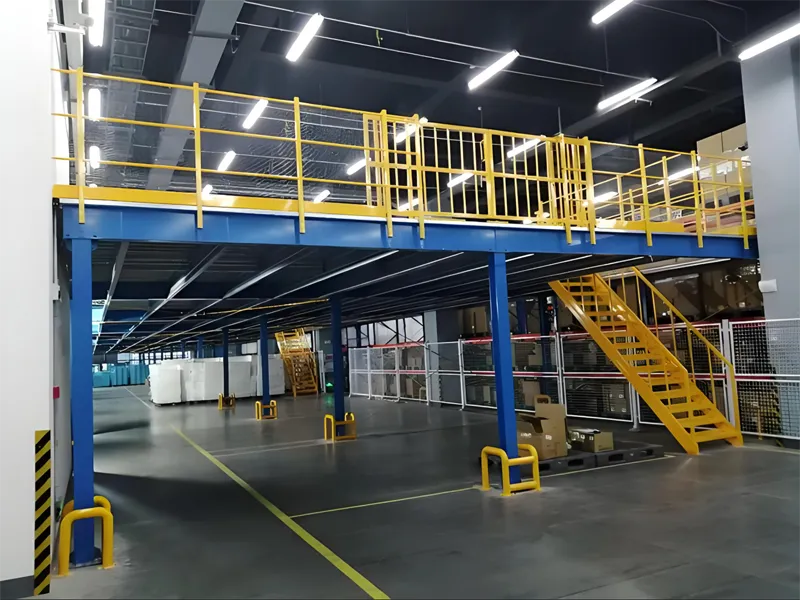
If you're struggling to understand why quotes vary or how to make your inquiry more precise, keep reading—we’ll break it all down.
Asking for a price per square meter may seem straightforward. But when it comes to steel mezzanine floors, this approach oversimplifies a highly customized design process.
The short answer: Because mezzanine floors aren't a standard product. They're engineered solutions designed to meet specific requirements.
Steel mezzanine cost depends on design and load factors
Steel mezzanines are engineered to carry specific loads. Without knowing your load requirements (e.g., storage weight or equipment weight), manufacturers don't know how strong your structure needs to be—or how much steel it will take.
The span distance between columns drastically changes the steel consumption. Longer spans require heavier or more intricate structural members.
Different mezzanine types (a warehouse mezzanine vs. an equipment platform) typically need entirely different design approaches. Quoting one as the other leads to massive cost differences later.
If you only ask for “$ per square meter,” suppliers are forced to either inflate their quotes (to cover worst-case scenarios) or decline altogether because they can't accurately predict the complexity of your structure. Neither helps you get closer to an actual cost estimate.
When pricing mezzanine floors, several critical elements must be considered. Let's go through the most important ones.
This is the single most important factor. Load capacity refers to how much weight the mezzanine floor must support per square meter. For example:
The heavier the load, the stronger the structure—and the more steel and sophisticated engineering it requires.
For example: A mezzanine carrying 300 kg/m² vs. 1,000 kg/m² may look identical but require nearly twice the material4 for strength.
Manufacturers select materials (e.g., H-beams, box sections, trusses) based on your load and safety requirements. Without this information, no quote will reflect what you actually need.
Span length is another critical factor. It determines the spacing of your support columns and directly impacts steel consumption.
Here's why: Short spans, such as 4-6 meters, typically require smaller structural sections. But as span length increases to 6-8+ meters, the steel members must be larger, often doubling material usage per square meter5.
For example:
| Span Length (Meters) | Steel Consumption (Approx.) |
|---|---|
| 4m | 30-40kg/m² |
| 6m | 50-70kg/m² |
| 8m | 90+kg/m² |
Larger spans save space under the mezzanine by reducing columns—great for operations like forklift movement or aisle clearance—but they come at a cost: materials and design complexity.
Not all mezzanines are designed the same. A basic storage mezzanine is relatively lightweight compared to an equipment support platform, which might carry heavy industrial machinery.
What's different? Equipment platforms often require precise vibration control6, dynamic load handling7, and sometimes additional bracing or truss systems. These increase cost significantly over storage mezzanines.
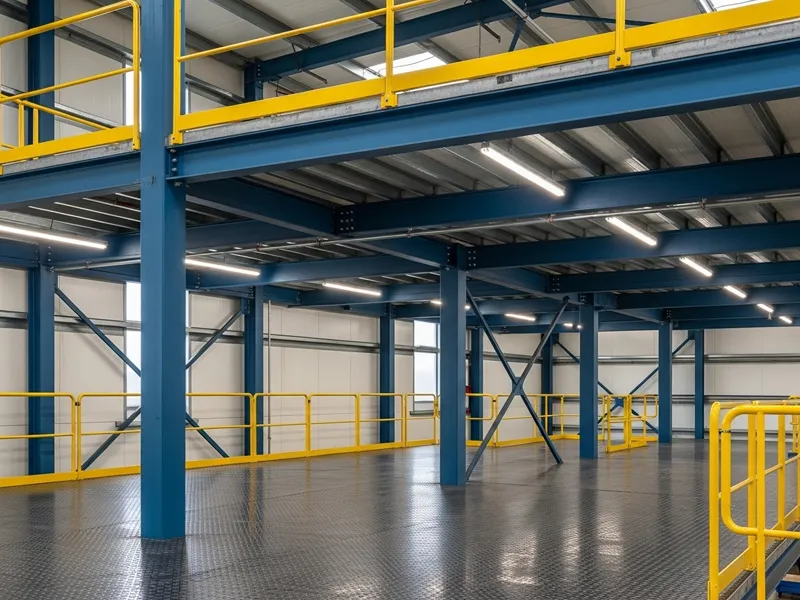
If you treat warehouse storage designs and equipment mezzanines interchangeably during inquiries, you'll get wildly inaccurate quotes—or delayed feedback asking for more details.
Even if you're clear about load and span, other factors can still influence the cost:
Tip: Including these details upfront avoids costly design and quoting revisions during later stages.
To get an accurate cost estimate, you'll need to include the right details in your request for a quote. At a minimum, provide the following:
The more detailed you are, the faster manufacturers can provide a meaningful quote. Otherwise, there's a lot of back-and-forth clarifying your needs.
You shouldn't. Material weight depends on engineered specifications, such as the load requirements, spans, and structural design. It's based on calculations best left to structural engineers or qualified manufacturers.
Longer spans require stronger structural members to hold the weight over a greater distance without additional support columns. This often means using heavier H-beams, thicker box sections, or advanced truss designs, all of which increase material usage.
No, online $/sqm references are too generic. Without tailored engineering input on load, span, and design, these averages won't match your project's actual costs and may mislead your planning.
Steel mezzanine floor costs can't be reduced to a simple “price per square meter” because they depend on factors like load capacity, span length, structural type, and additional requirements. A storage mezzanine might cost significantly less than an equipment support platform of the same size because of their very different designs. Accurate costing requires detailed input from you regarding your project's load, span, height, and functional needs.
If you're looking to price a steel mezzanine floor, don't start with vague square meter estimates. Start by preparing detailed project requirements. Contact us at MEICHEN STEEL STRUCTURE today to ensure your inquiry is handled accurately and efficiently.
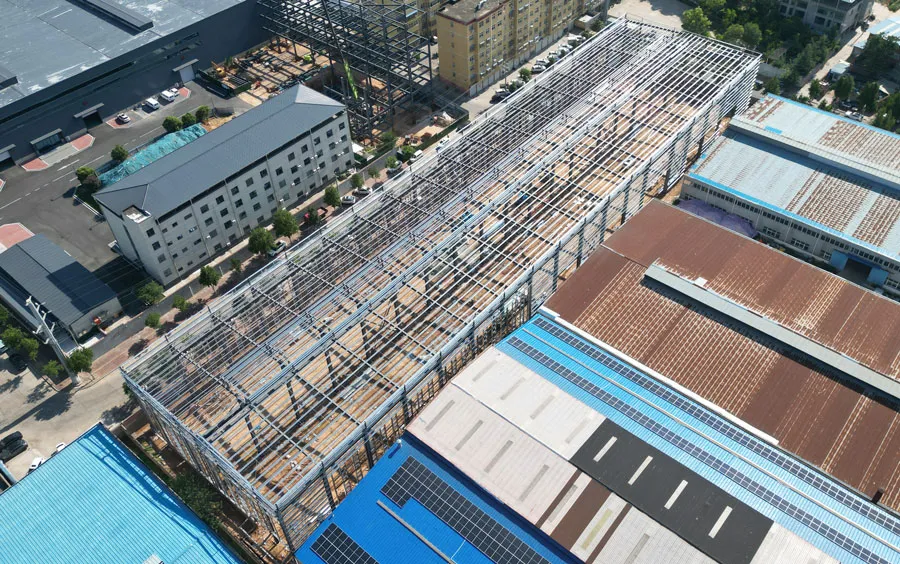
Steel Structure Workshop Solutions
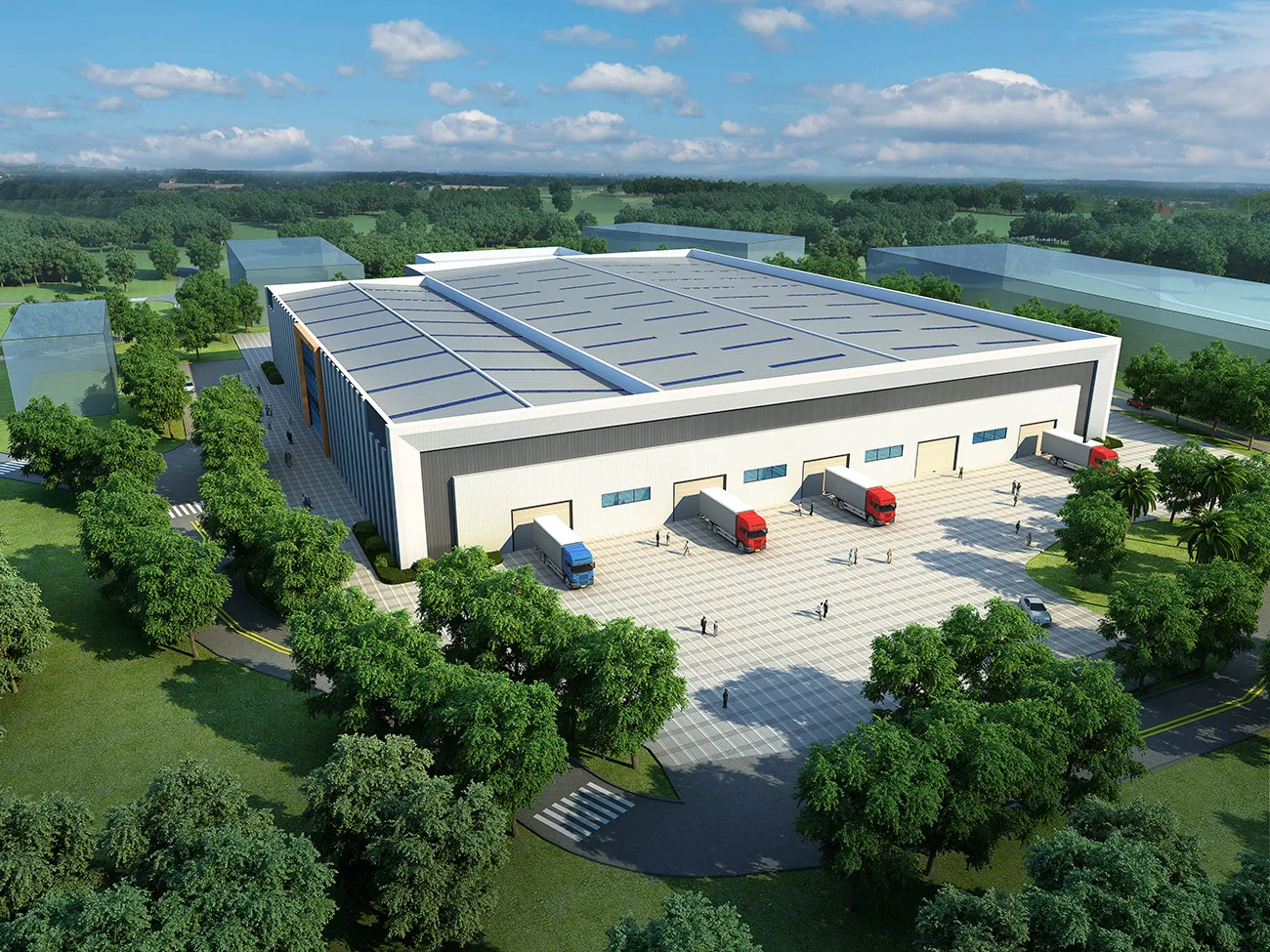
Steel Warehouse Solutions
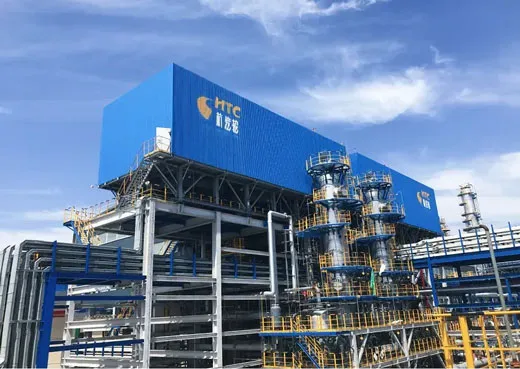
Heavy Steel Structures for Equipment
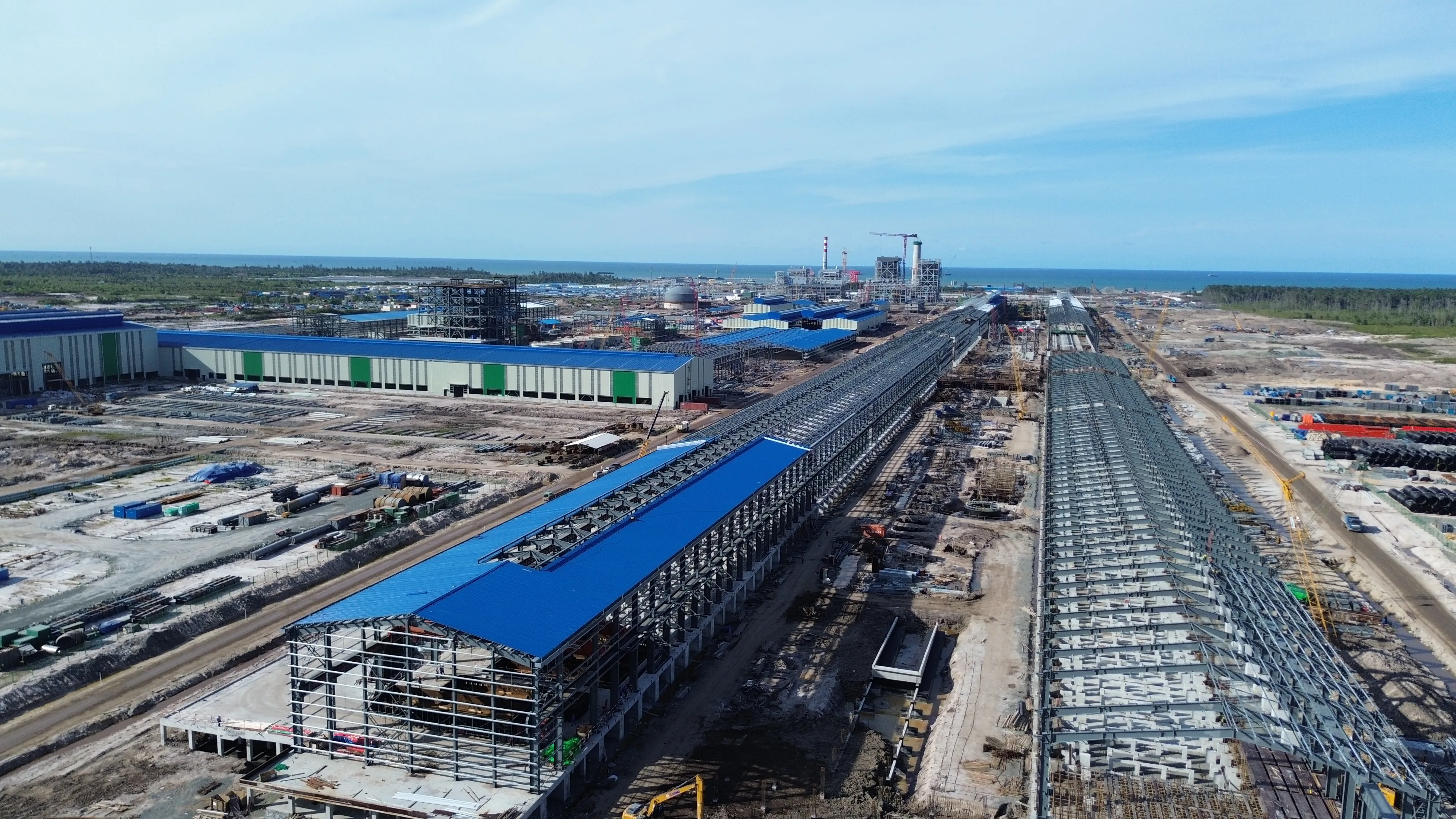
Indonesia North Kalimantan Aluminum Plant Project
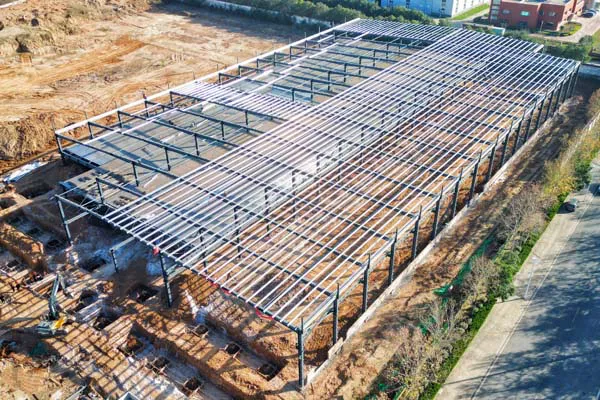
Luoyang Haode Auto Parts Steel Structure Factory Project
Automated Glass Production Line Steel Structure Factory Building Project
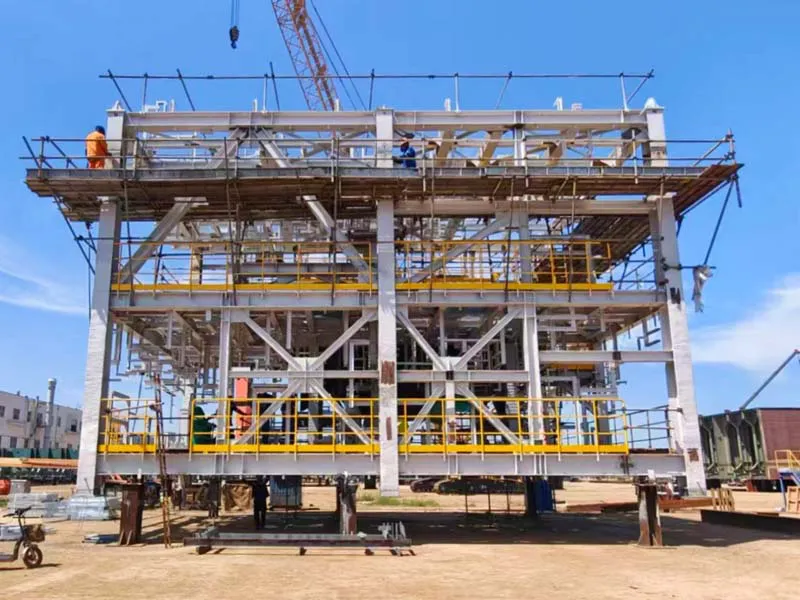
Oil & Gas Modular Steel Structure Fabrication Project

Flare Stack Structure