Time:2026-09-28 03:10:24 Source:Sanjian Meichen Steel Structure
When planning an industrial facility—whether a manufacturing plant, warehouse, or distribution center—the choice between a steel frame and a concrete frame is one of the most consequential decisions. Both structural systems have proven track records, but they differ significantly in upfront investment, construction timeline, long-term maintenance, and adaptability. A thorough cost-benefit analysis must go beyond the initial price per square foot to include factors such as speed of erection, foundation complexity, insurance premiums, future expansion potential, and end-of-life value. This article provides a structured comparison to help industry professionals evaluate which framing system aligns best with their project goals, budget constraints, and operational requirements. As a trusted steel frame fabricator, MeiChen Steel offers insights drawn from decades of industrial construction experience.
Steel and concrete exhibit fundamentally different behavior under load, which directly influences foundation design, member sizing, and construction methodology. These differences translate into distinct cost profiles.
On a per-ton basis, steel is generally more expensive than concrete. However, because steel has a higher strength-to-weight ratio, far less material is required to achieve the same load-bearing capacity. A steel frame can be up to 40% lighter than an equivalent concrete frame, reducing the size and cost of foundations. Concrete, by contrast, requires substantial formwork, curing time, and often more reinforcing steel. The total installed cost for a steel frame typically ranges from $20 to $40 per square foot, while a cast-in-place concrete frame can run $25 to $50 per square foot, depending on location and complexity.
Because steel frames impose lower dead loads on the ground, they often require shallower and less extensive foundations, especially on sites with poor soil conditions. Concrete frames, being heavier, demand deeper footings and more reinforcement, adding weeks to the schedule and tens of thousands of dollars in excavation and concrete work. For industrial users on brownfield sites or locations with high water tables, this advantage can be decisive.
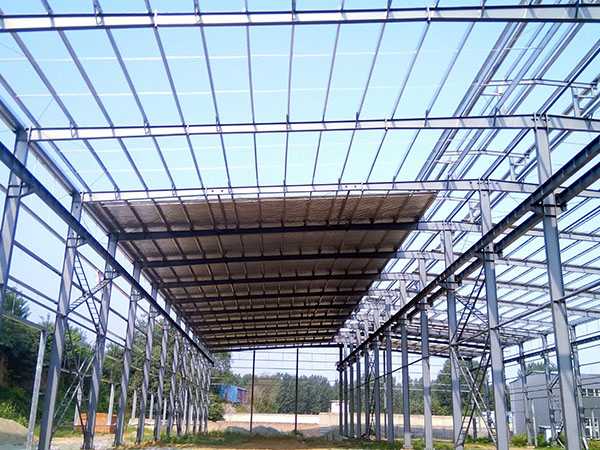
The following table summarizes key comparison points across the full project lifecycle. Each factor is weighted differently depending on industry application, but the analysis reveals clear patterns.
Time is money in industrial projects. A steel frame can be fabricated off-site while foundation work proceeds, enabling a total construction schedule that is often 6–12 weeks shorter than a comparable concrete frame. For a warehouse generating $50,000 per month in rent, that translates to $75,000–$150,000 in accelerated revenue. MeiChen Steel routinely delivers custom steel structures within 8–12 weeks from order to ready-to-erect, helping clients meet critical deadlines.
Concrete frames can last 50–100 years with proper maintenance, but they are vulnerable to chemical attack from industrial processes, freeze-thaw cycles, and water infiltration. Steel frames, when galvanized or coated with advanced protective systems, can exceed 50 years in most environments. Routine inspection and spot repair of coatings are generally less disruptive than concrete crack injection or cathodic protection. In aggressive environments (e.g., chemical plants, coastal facilities), specialty steel alloys or encapsulated concrete may be needed, but steel’s repairability often gives it an edge.
Industrial operations frequently require layout changes, equipment upgrades, or building expansions. A steel frame’s bolted connections allow for relatively simple removal or addition of members to accommodate new crane runs, conveyor systems, or mezzanines. Concrete is integral; cutting openings or adding structural capacity involves coring, reinforcing, and sometimes temporary shoring, at significant cost and downtime. For growing businesses, the future flexibility of steel is a tangible economic benefit that reduces the risk of obsolescence.
Corporate sustainability goals and regulatory pressures increasingly influence material selection. Both frames have environmental strengths, but the analysis depends on whether you evaluate embodied carbon, operational energy, or end-of-life fate.
Steel production is energy-intensive, with an average 1.8–2.5 tons of CO₂ per ton of steel. However, roughly 70% of structural steel worldwide is made via electric arc furnaces using recycled scrap, resulting in much lower carbon footprints. Concrete’s embodied carbon is largely from cement manufacturing (8% of global CO₂), and recycling concrete is energy-intensive and yields lower-grade material. Steel’s infinite recyclability without loss of properties gives it a clear edge in a circular economy.
Concrete’s thermal mass can reduce heating and cooling costs in certain climates, although this advantage is modest in open industrial spaces where doors are frequently opened. Steel frames can be enclosed with insulated metal panels offering R-values from R-20 to R-40, providing excellent thermal performance. The choice of envelope system often matters more than the frame material. In high-bay warehouses, steel’s ability to create large clear spans without interior columns also improves lighting and ventilation efficiency, lowering operational energy consumption.
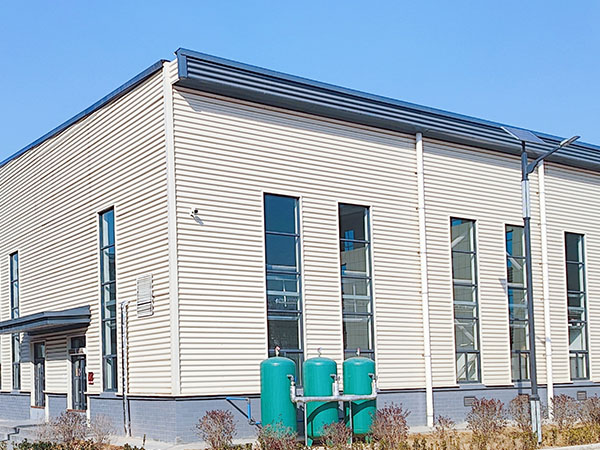
The decision ultimately hinges on project-specific priorities. For applications where speed, expandability, and long-term adaptability are paramount—such as distribution centers, auto manufacturing, aerospace hangars, and food processing plants—steel frames consistently deliver superior lifecycle value. Concrete remains competitive for structures requiring extreme mass (e.g., nuclear containment, heavy blast protection) or where local material availability and labor skills lower its cost premium.
MeiChen Steel specializes in custom-engineered steel frame solutions for industrial clients. Our team collaborates with architects, general contractors, and project owners to optimize structural costs, reduce erection time, and ensure compliance with local building codes. Whether your project requires clear spans of 150 feet or integrated crane systems, we provide the technical expertise and fabrication capacity to meet your schedule and budget.
In summary, a cost-benefit analysis must look beyond the initial construction estimate. When factoring in foundation savings, faster time-to-revenue, lower maintenance expenses, and greater future flexibility, steel frames often provide a lower total cost of ownership for industrial buildings. Concrete frames, while durable and fire-resistant, typically incur higher lifecycle costs in environments that demand adaptability. By partnering with an experienced fabricator like MeiChen Steel, you can realize the full economic and operational potential of a steel-frame facility.
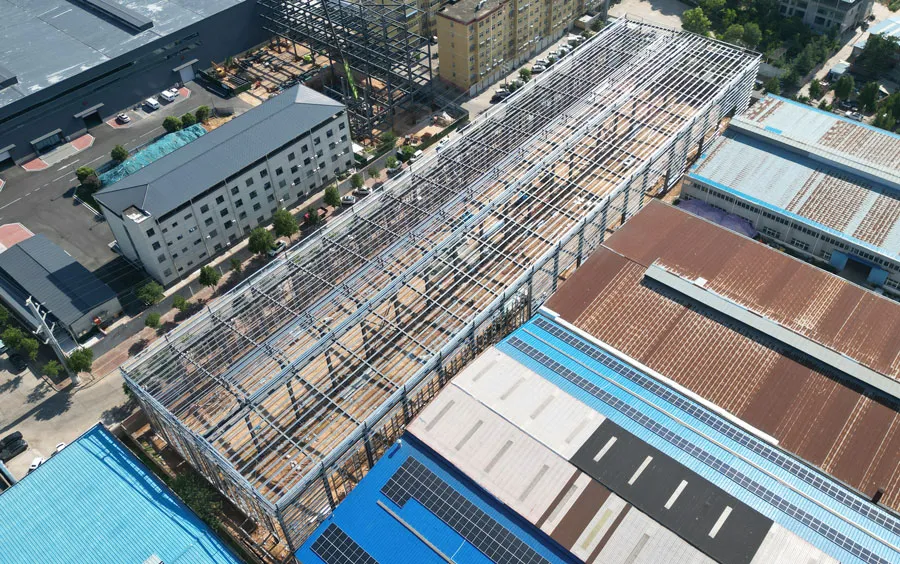
Steel Structure Workshop Solutions
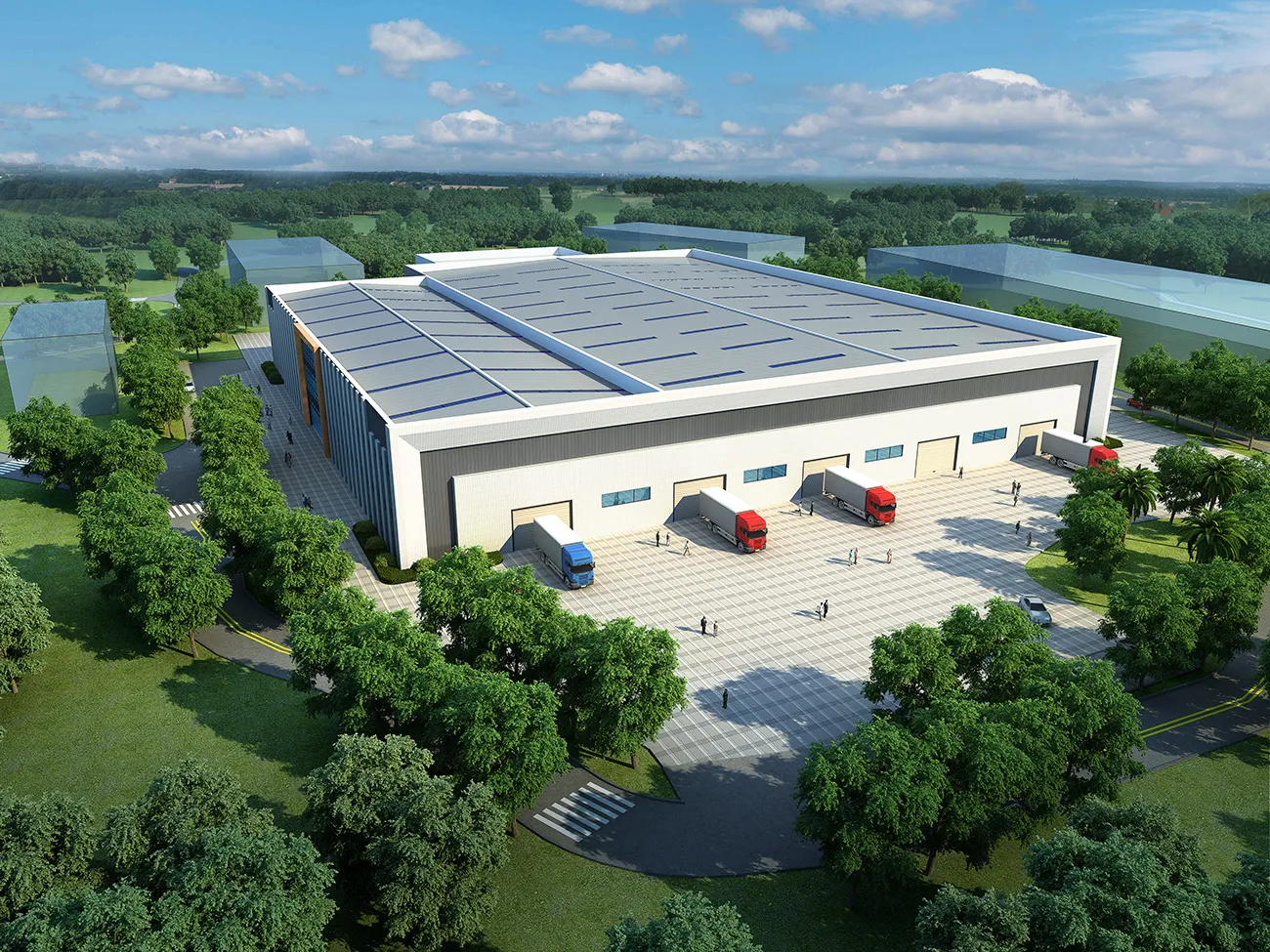
Steel Warehouse Solutions
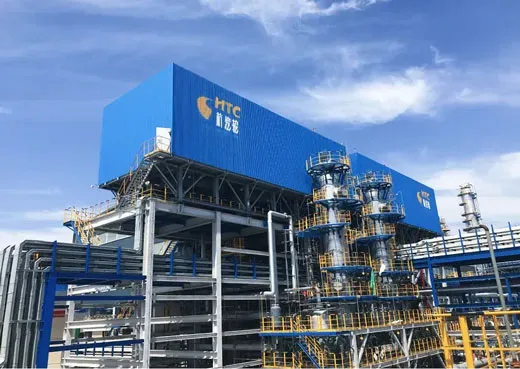
Heavy Steel Structures for Equipment
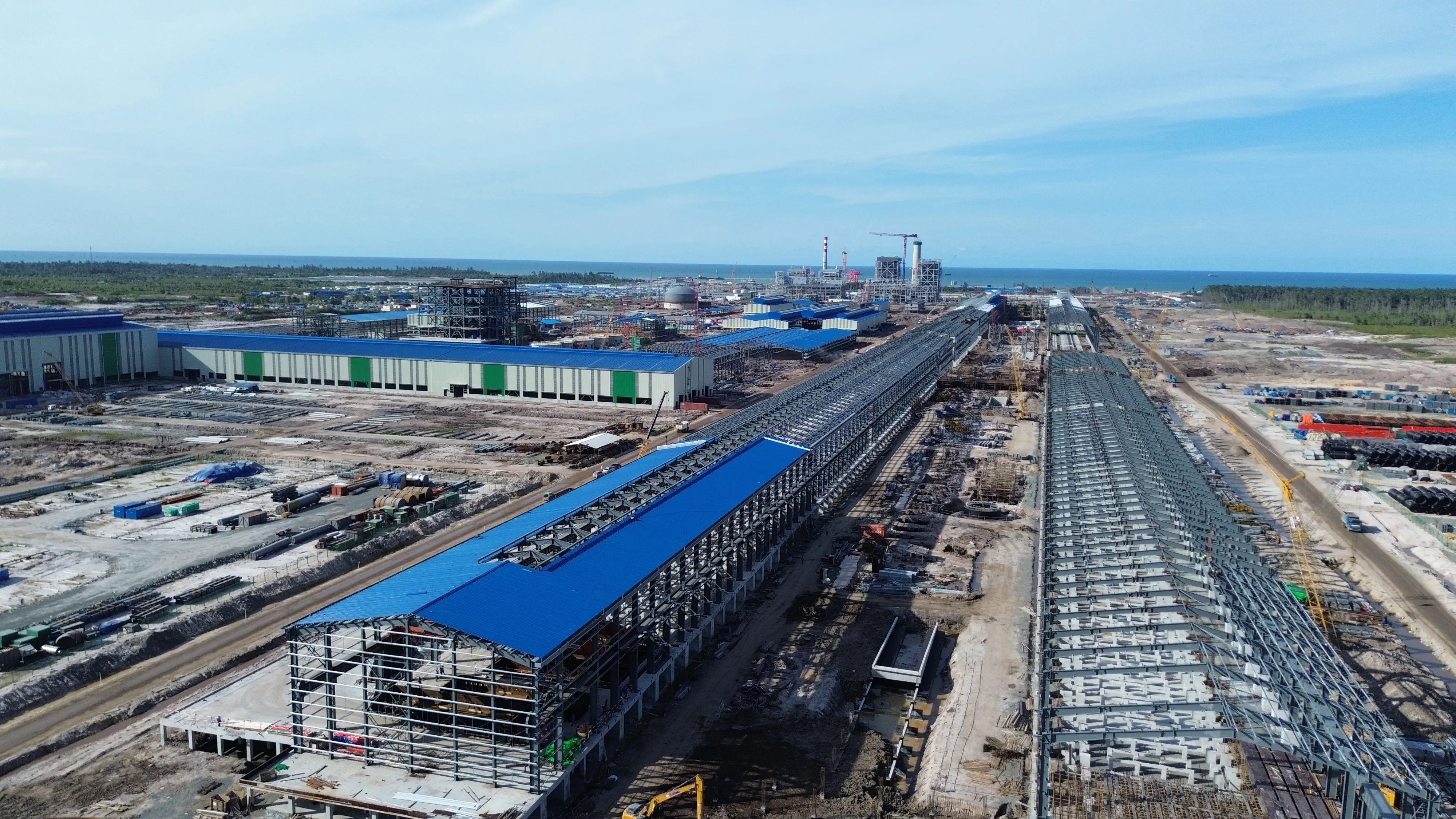
Indonesia North Kalimantan Aluminum Plant Project
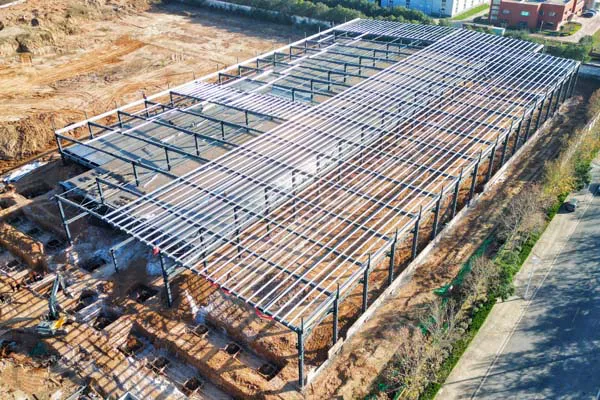
Luoyang Haode Auto Parts Steel Structure Factory Project
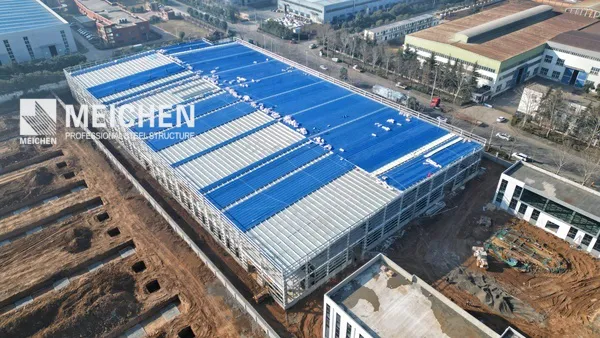
Automated Glass Production Line Steel Structure Factory Building Project
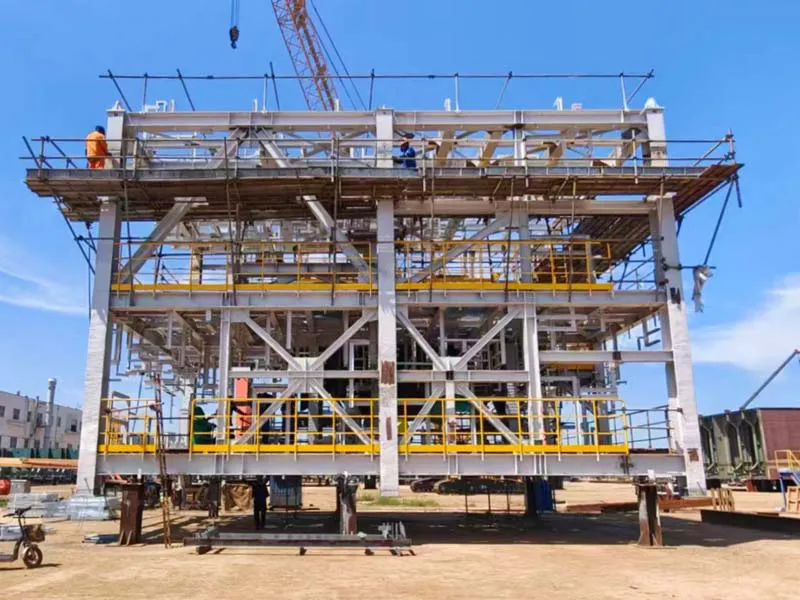
Oil & Gas Modular Steel Structure Fabrication Project
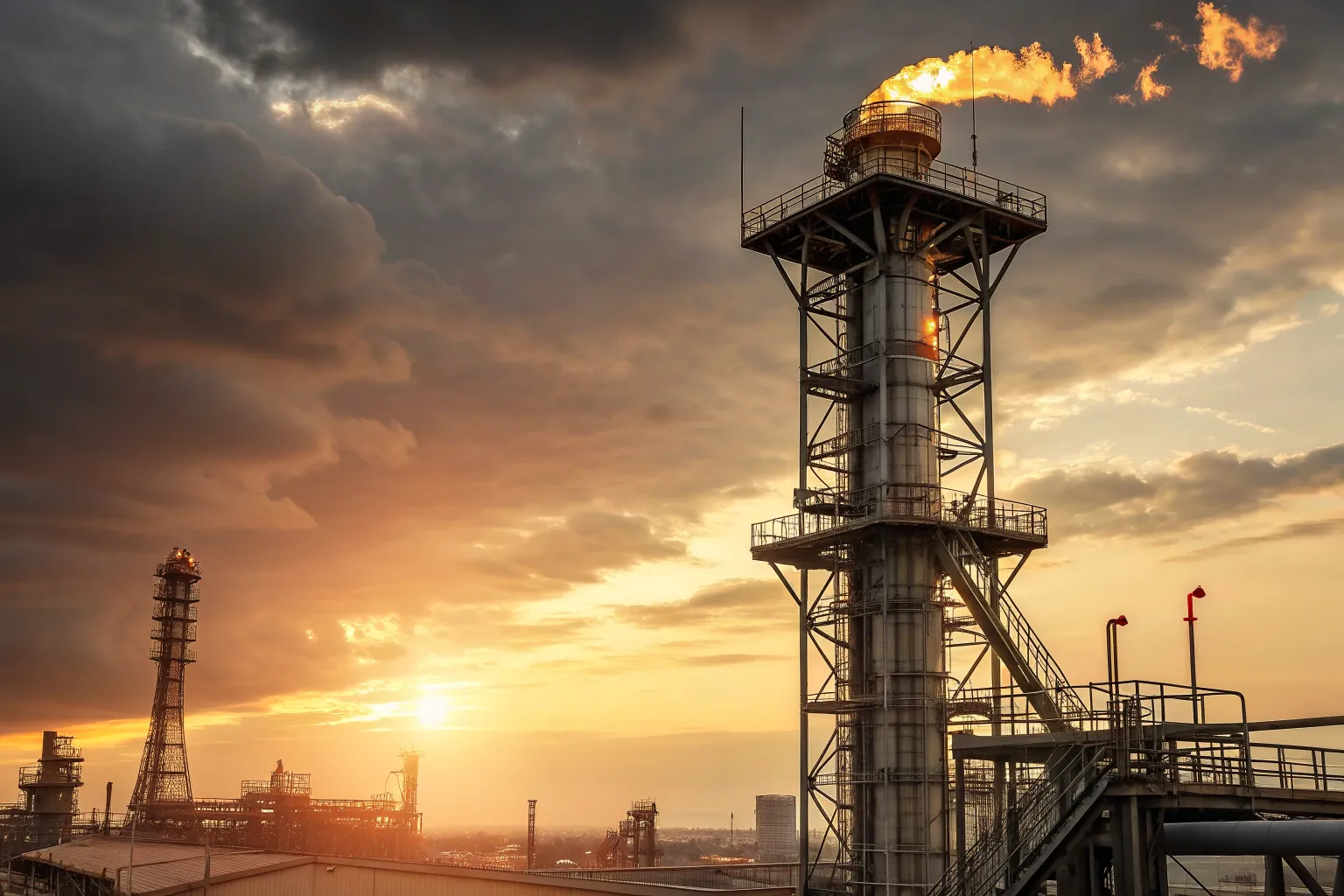
Flare Stack Structure