Time:2026-06-22 02:39:15 Source:Sanjian Meichen Steel Structure
Steel factory buildings are the backbone of many industrial projects. Getting them right means you avoid wasted money, time, and headaches. We’ve seen what happens when key questions go unasked—you end up with permit issues, unexpected maintenance costs, and a space that stifles future growth.
Before you sign on the dotted line, there are ten questions you should always ask. These aren’t just checklist items—they are real lessons we learned from years of helping clients across a wide range of industries. These questions protect your budget, your timeline, and your team’s safety.
Choosing a supplier is about much more than lowest price. It’s about trust, proven experience, and willingness to handle the details that matter. We’ll walk you through each question and share insights that have made a difference for our clients.
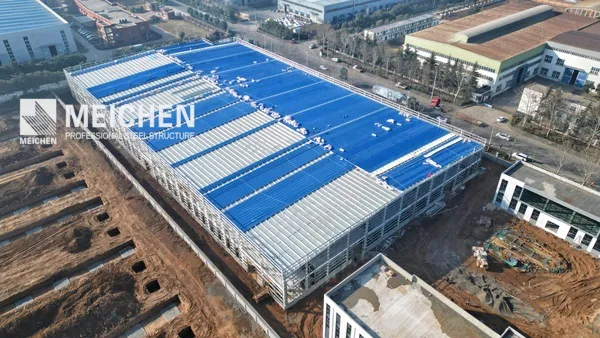
Many buyers start with a basic square footage requirement, but what you really need is a building that works with your process. Will you move heavy machinery? Do you need overhead cranes? Is ventilation critical because you handle chemicals? Will you expand down the road? These details matter. One client of ours insisted on double-width loading bays, allowing trucks to pass without waiting. Another asked for flexible wall systems for future changes.
Asking suppliers how your building can be adjusted for workflow and expansion goes way beyond size. In our experience, a flexible design saves you the expense and disruption of future structural changes. It’s worth mapping out your daily operations and sharing them early so the supplier can propose the most effective layout and structure. Don’t hesitate to ask about options for removable partitions, expansion joints, or ceiling height upgrades.
Local building codes can be strict, and weather extremes are a real concern. We’ve worked on projects where ignoring snow load or seismic risks resulted in costly redesigns. Your supplier should know your region inside out. They should reference past projects in your area and provide evidence that they can handle local permitting hurdles.
Some climates call for advanced insulation, while others need wind bracing or reinforced frames. Ask the supplier what adaptations they’ve made for factories in climates similar to yours. Push for specifics: How will they prevent rust in high humidity? What’s their track record with earthquake zones? A knowledgeable supplier will offer real answers and show you local compliance certificates, not just generic claims.
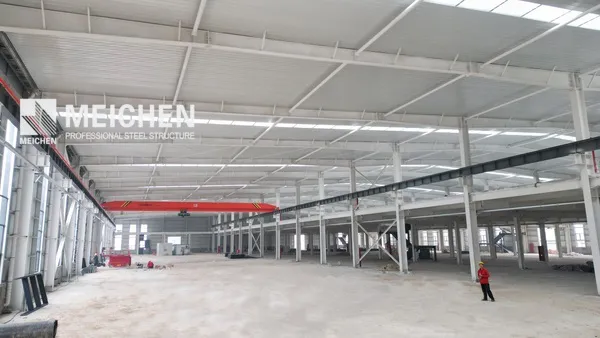
Steel grade makes a huge difference. Some suppliers cut corners with thinner, lower-grade steel that can save money up front but cause problems later. We’ve seen clients pay dearly for repairs when painted steel rusted within five years in coastal climates. That’s why we help buyers understand the pros and cons of Q235 vs Q345 steel, and the benefits of galvanized finishes.
Always request mill certificates and quality inspection reports. They prove you’re getting what you pay for. Here’s a quick reference:
| Material | Durability | Cost | Common Usage |
|---|---|---|---|
| Q235 | Medium | Low | Small structures |
| Q345 | High | Medium | Large factories |
| Galvanized | Highest | High | Corrosive regions |
| Painted | Medium | Low | Interior, dry areas |
Transparency is key. Insist that your supplier walks you through their material sourcing and explains which coatings or treatments will best suit your location.
Some suppliers assemble prefab kits only. However, you want a team with structural engineers and architects who provide drawings, calculations, and ongoing support. We’ve seen projects go off track when buyers had to hire separate consultants later—adding cost and confusion. An integrated supplier can address design changes quickly and keep liability clear.
Ask directly—does your technical team include certified engineers? Will you help with permits or adapt as needed throughout the build? If they hesitate, consider it a warning sign. For complex projects, especially in areas with strict code or heavy equipment, full-service support ensures smoother communication and fewer mistakes.
Time is money. One of the biggest frustrations we hear is suppliers promising quick delivery, then delaying for months. Real lead times depend on factory capacity, project complexity, and even market changes with steel prices. When we work with clients, we always provide a step-by-step schedule.
Insist on a written production timeline and delivery commitments. Penalties for delay—written into your contract—hold suppliers accountable. Monitor progress closely and ask for regular updates. You can’t risk your project opening late, especially if you coordinate construction crews, permits, or other trades.
Warranties and maintenance rarely get attention until something goes wrong. We’ve seen clients struggle to get repairs or replacements because terms were vague or support was slow. After-sales service should be tested. Ask for stories from past customers where the supplier stepped up.
Push for clear warranty terms and check if they offer maintenance support—such as routine inspections or spare part supply. What happens if a column cracks or bolts loosen? Is there a local partner or service office? Good suppliers are confident in their service and will share examples of swift, successful fixes.
Quality problems—like misaligned bolt holes or missing pieces—are more common than you think. We always ask for ISO certification and QC team credentials. When possible, arrange for third-party inspections. Suppliers who welcome this show confidence and transparency.
Request regular updates during fabrication, including inspection reports and photos. Quality failures affect productivity, delay schedules, and can even require dangerous repairs. Make quality control part of your contract, and don’t be shy about tracking every step.
Steel structure is only half the equation—the foundation supports everything. We see suppliers skip coordination, leaving buyers to deal with mismatched bolts or uneven bases. Make sure your supplier works directly with your civil contractor, or offers foundation engineering.
At a minimum, review foundation plans together before pouring concrete. It is critical to check that anchor bolts, column sizes, and load requirements match perfectly. Foundation mistakes are among the most expensive to fix, so insist on clarity upfront.
Cheap upfront pricing can mislead. Shipping, onsite assembly, customs, crane rentals, and local taxes can nearly double the true cost. We help clients request fully itemized quotes, breaking down every stage—steel production, transport, unloading, assembly, finishing.
Clarify responsibilities: Who arranges cranes? Who covers unloading and insurance? Ask for “turn-key” pricing if possible. Comparison shopping makes sense only when everyone is quoting the same scope. Never let hidden fees catch you off guard.
You want proof, not promises. Ask to visit real projects or speak directly with previous buyers. If geographic distance makes it hard, request video calls, live walkthroughs, or testimonials. We always encourage transparency; when we help clients visit completed sites, they gain confidence and clarity.
Fake references or photos are red flags. Good suppliers are proud of their work and ready to show it. Talking to previous buyers often uncovers strengths and weaknesses you wouldn’t know from sales pitches.
The right questions lead to a factory building that supports your goals, avoids costly surprises, and delivers lasting value. We believe sharing these lessons helps every project succeed.
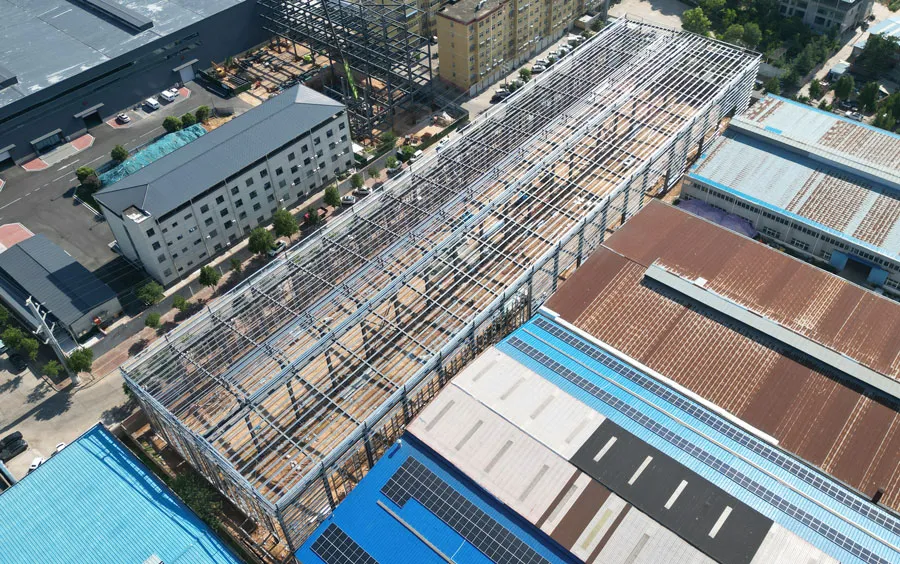
Steel Structure Workshop Solutions
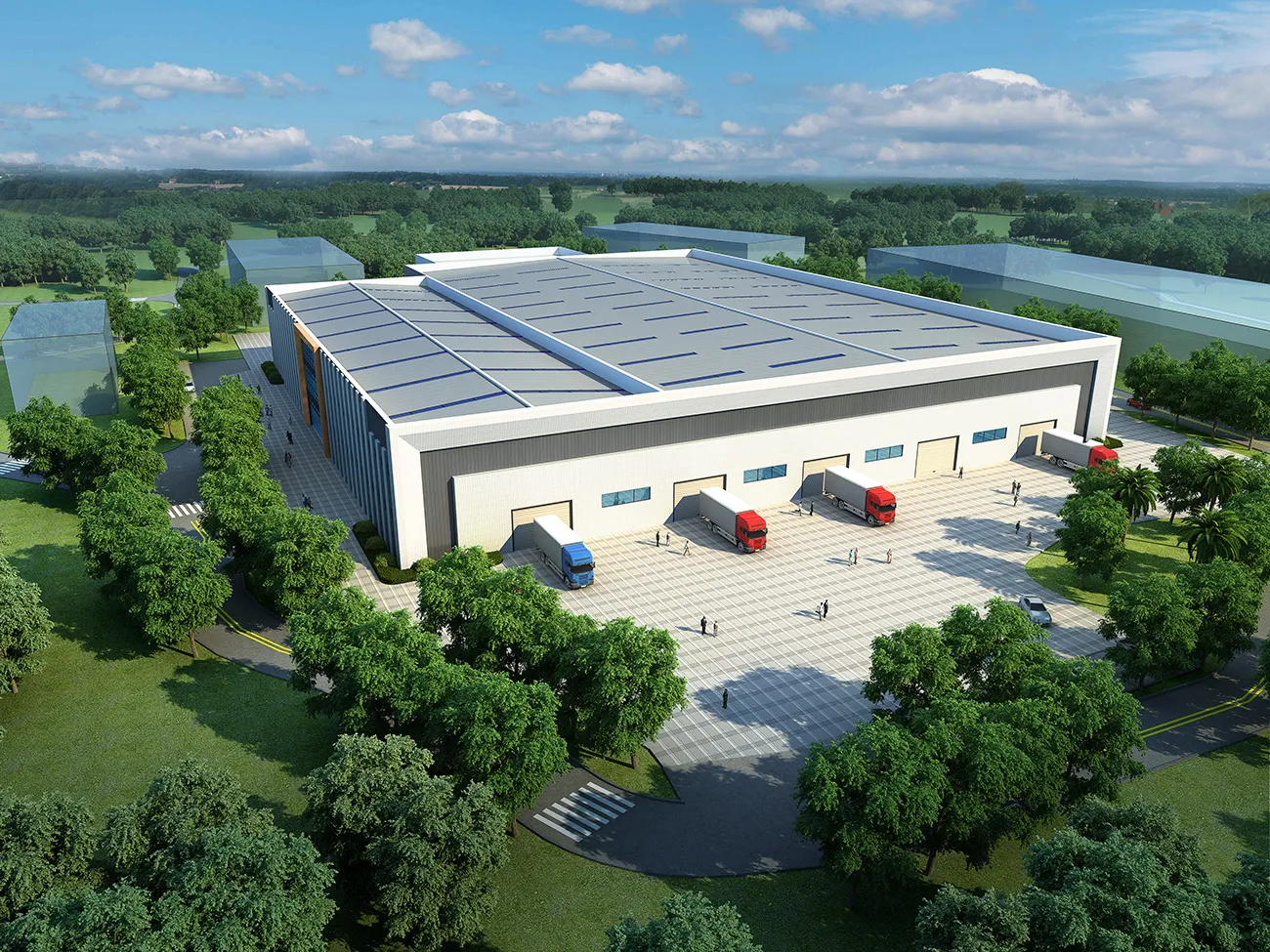
Steel Warehouse Solutions
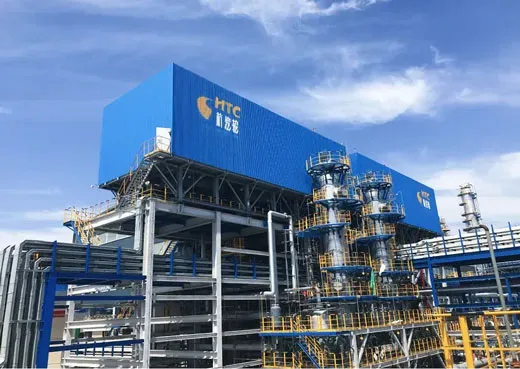
Heavy Steel Structures for Equipment
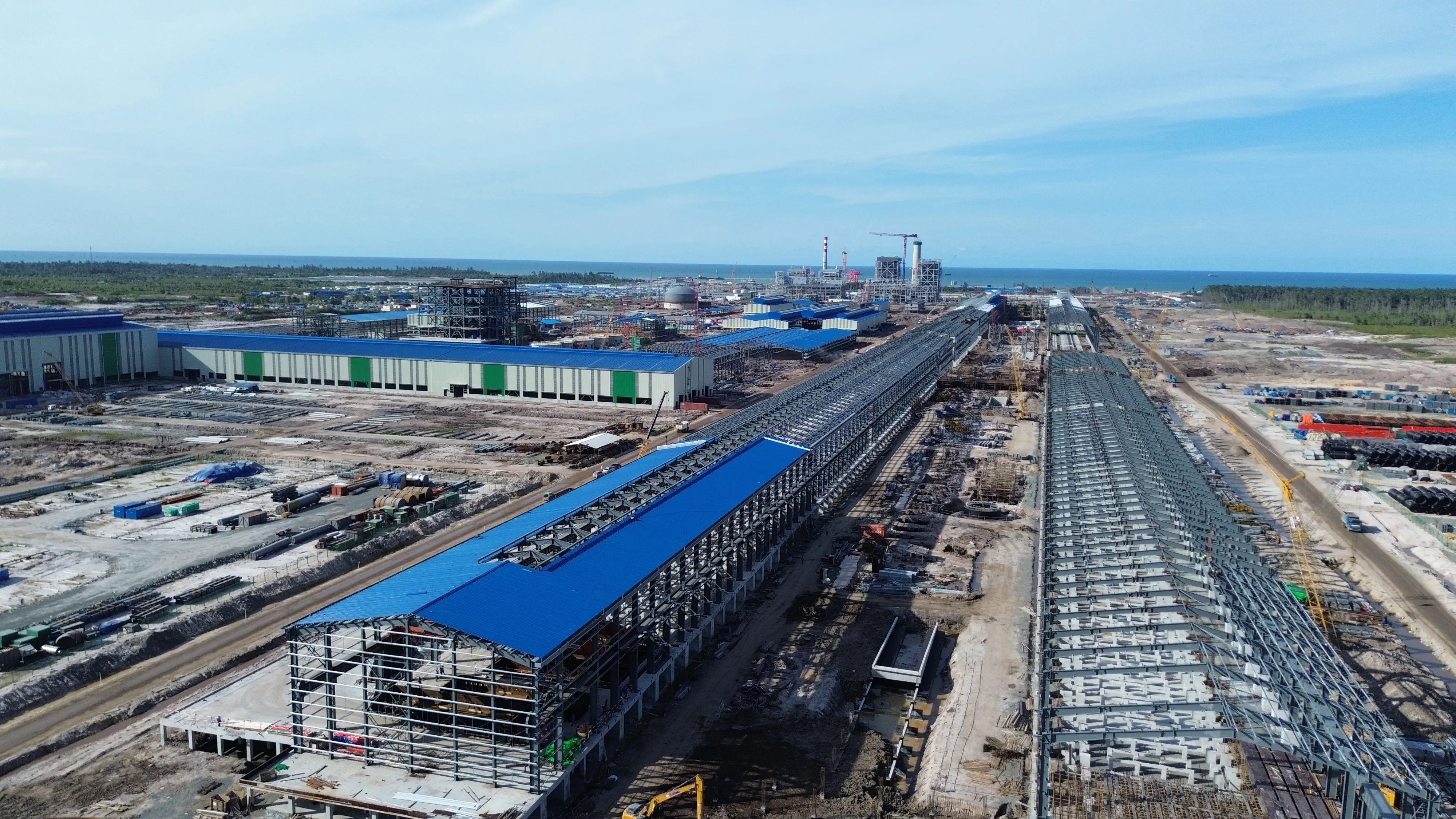
Indonesia North Kalimantan Aluminum Plant Project
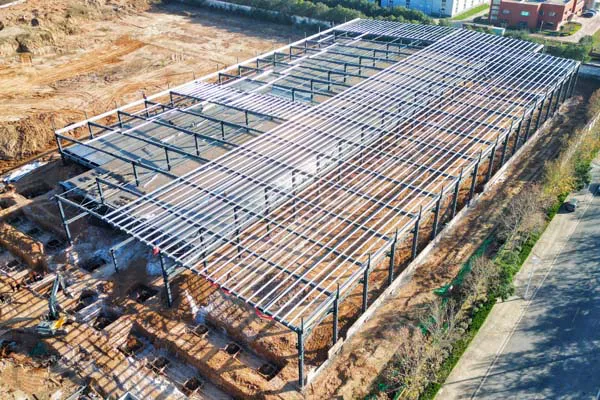
Luoyang Haode Auto Parts Steel Structure Factory Project
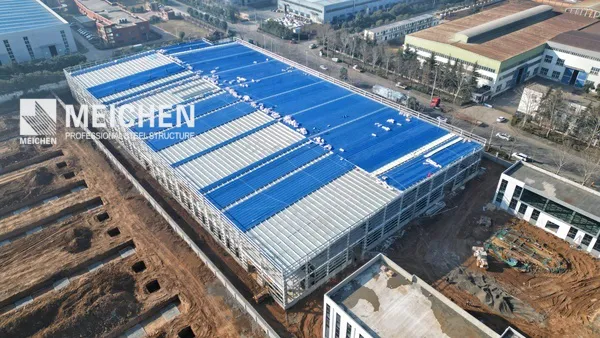
Automated Glass Production Line Steel Structure Factory Building Project
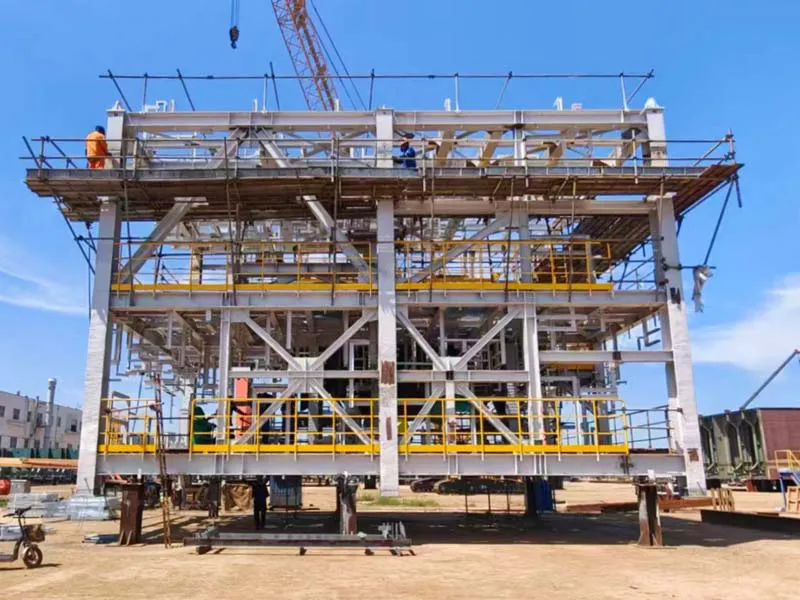
Oil & Gas Modular Steel Structure Fabrication Project
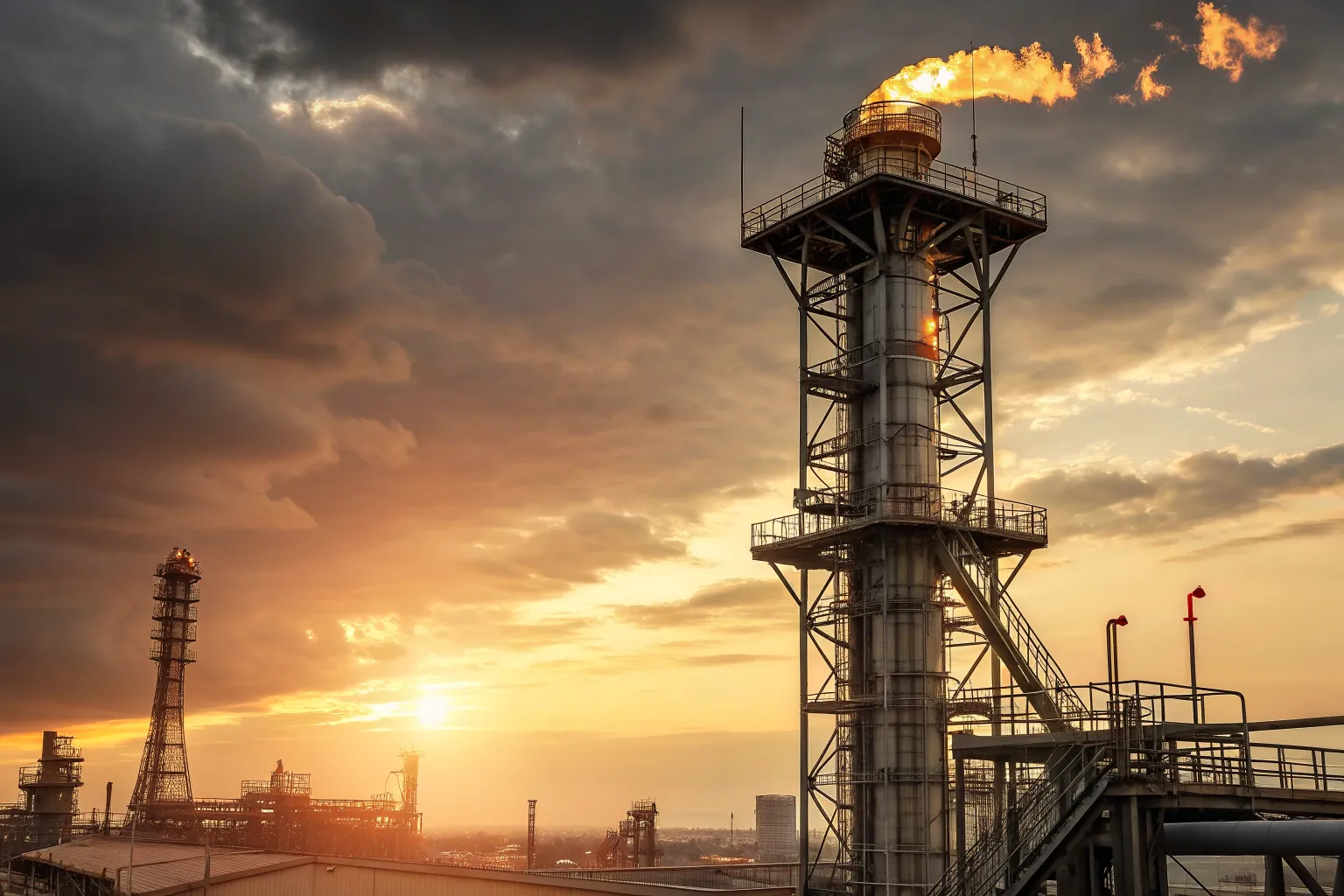
Flare Stack Structure