Time:2026-04-24 08:20:57 Source:Sanjian Meichen Steel Structure
Steel warehouse frames are the backbone of industrial storage facilities, providing structural integrity and long-term durability. Over time, however, these steel structures can succumb to corrosion and rust, especially when exposed to harsh environmental conditions such as humidity, rain, and fluctuating temperatures. Repairing rust on old steel warehouse frames is not only essential for maintaining safety but also for extending the lifespan of the facility and reducing costly replacements.
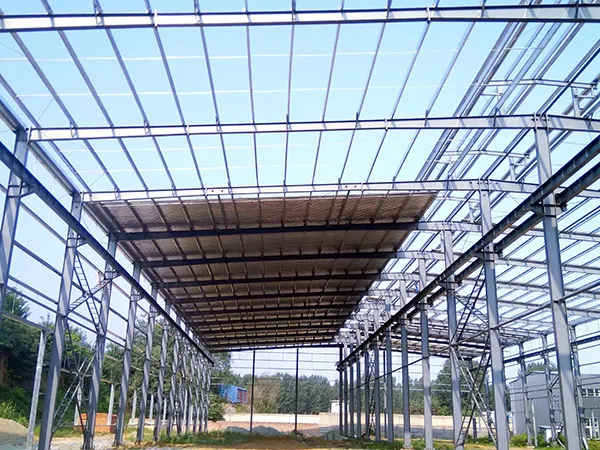
Rust is the result of oxidation, a chemical reaction between iron, oxygen, and moisture. In warehouse frames, rust often appears in areas where protective coatings have worn off, welds are exposed, or water tends to accumulate. Older steel structures are particularly vulnerable due to outdated coatings, accumulated dirt, and lack of maintenance. Ignoring rust in its early stages can lead to structural weakening, deformation, and even catastrophic failure of the warehouse frame. Therefore, timely intervention is critical.
Before beginning any repair, it is important to assess the severity of the rust. Common indicators include:
Surface Flaking and Peeling – Rust can cause the steel surface to peel or flake, which exposes more metal to corrosion.
Discoloration – Orange or brown patches indicate ongoing oxidation.
Pitting and Holes – Deep rust can create small pits or even holes in steel members, compromising their load-bearing capacity.
Weakened Welds or Joints – Rust often attacks welded connections first, which are critical to structural integrity.
Deformation or Warping – Advanced corrosion can lead to visible bending or sagging of frame components.
Identifying these signs early allows warehouse managers to plan an effective maintenance and repair strategy.
Repairing rust on steel warehouse frames requires a combination of cleaning, surface preparation, protective treatment, and sometimes structural reinforcement. The following steps outline a comprehensive approach:
1. Safety First
Before beginning any work, ensure the warehouse area is secure. Wear protective gear, including gloves, goggles, and masks, to prevent contact with rust particles and chemicals. If the repair involves high elevations, use scaffolding and harnesses for fall protection.
2. Assess and Remove Rust
Start by inspecting the entire frame to locate all rusted areas. Use wire brushes, grinders, or sandblasting equipment to remove loose rust. For severe corrosion, mechanical removal may need to be supplemented with chemical rust removers to ensure complete treatment.
3. Clean the Surface
After rust removal, clean the steel surface with water and degreasing agents to eliminate dust, dirt, and residual rust chemicals. A clean surface is essential for ensuring proper adhesion of protective coatings and paint.
4. Apply Rust Converter
For areas with minor residual rust, applying a rust converter can stabilize the corrosion. Rust converters chemically transform iron oxide into a stable compound, preventing further oxidation. This step is crucial when complete mechanical removal is impractical.
5. Prime the Steel
Use a high-quality metal primer specifically designed for steel surfaces. Priming creates a protective layer that enhances paint adhesion and provides an additional barrier against moisture and oxidation.
6. Paint and Seal
Apply corrosion-resistant paint to the primed surfaces. For industrial warehouses, epoxy-based or polyurethane coatings offer excellent durability and chemical resistance. Ensure all surfaces, including joints and welds, are thoroughly covered. Multiple coats may be required for optimal protection.
7. Reinforce Structural Weak Points
If rust has compromised the steel’s load-bearing capacity, consider reinforcing the affected beams or columns with additional steel plates or brackets. Structural engineering assessment is recommended for heavily corroded areas to ensure safety compliance.
8. Regular Maintenance
Repairing rust is only part of the solution. Implementing a routine maintenance program is crucial. Periodically inspect the warehouse frame, clean accumulated dirt, touch up paint coatings, and immediately address any new signs of corrosion. Preventive maintenance reduces long-term repair costs and prolongs the lifespan of the structure.
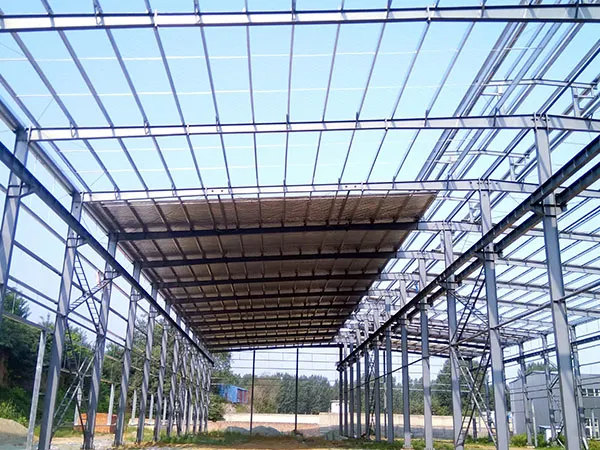
Investing in repairing rust on old steel warehouse frames provides multiple advantages:
Enhanced Safety: Prevents potential structural failures that could endanger workers and stored goods.
Cost Savings: Timely repairs reduce the need for expensive full-frame replacements.
Extended Lifespan: Protective coatings and reinforcements prolong the service life of steel frames by decades.
Preserved Asset Value: Well-maintained warehouses retain higher market and operational value.
Operational Efficiency: Minimizes downtime caused by emergency repairs or structural hazards.
Selecting appropriate materials for rust repair is critical. Industrial-grade primers, rust converters, and corrosion-resistant paints are recommended. For structural reinforcements, only certified steel grades should be used. Additionally, techniques such as sandblasting or professional chemical treatments are often more effective than DIY methods, particularly for extensive corrosion.
While minor surface rust can be handled with basic rust removal and coating, severe corrosion compromising load-bearing members requires professional evaluation. Structural engineers can assess whether reinforcement or partial replacement is necessary to ensure compliance with building codes and safety regulations. Consulting professionals also mitigates liability risks and guarantees the longevity of the repair work.
Repairing rust on old steel warehouse frames is a critical aspect of industrial facility management. By understanding the causes of corrosion, identifying early warning signs, and implementing a structured repair process, warehouse operators can safeguard their infrastructure, prevent costly downtime, and extend the service life of their steel frames. Investing in preventive maintenance and timely rust treatment is not merely a technical decision; it is a strategic move to protect assets, enhance safety, and maintain operational efficiency.
Adopting these practices ensures that steel warehouse frames remain strong, safe, and reliable, even decades after initial construction. For companies looking to maintain or restore their industrial facilities, prioritizing rust repair is an essential step toward long-term structural integrity and operational success.
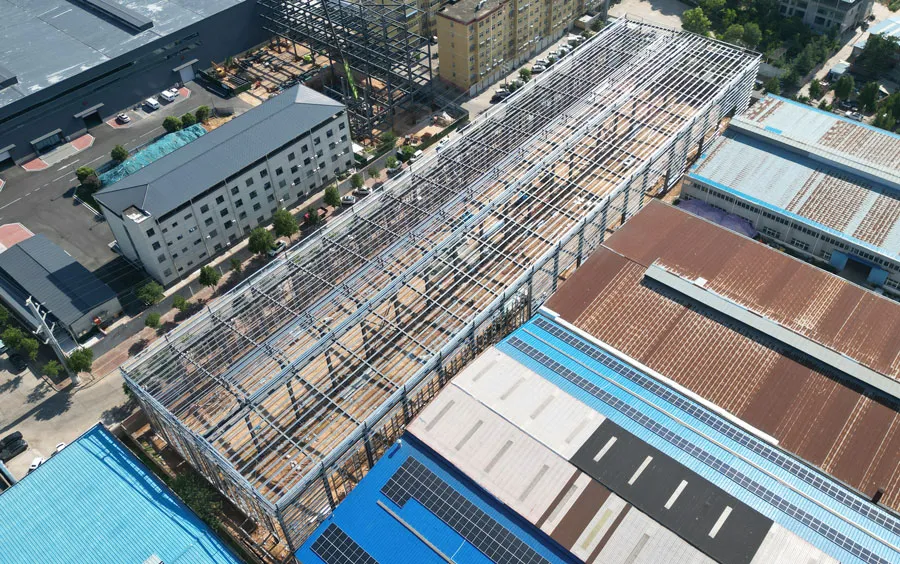
Steel Structure Workshop Solutions
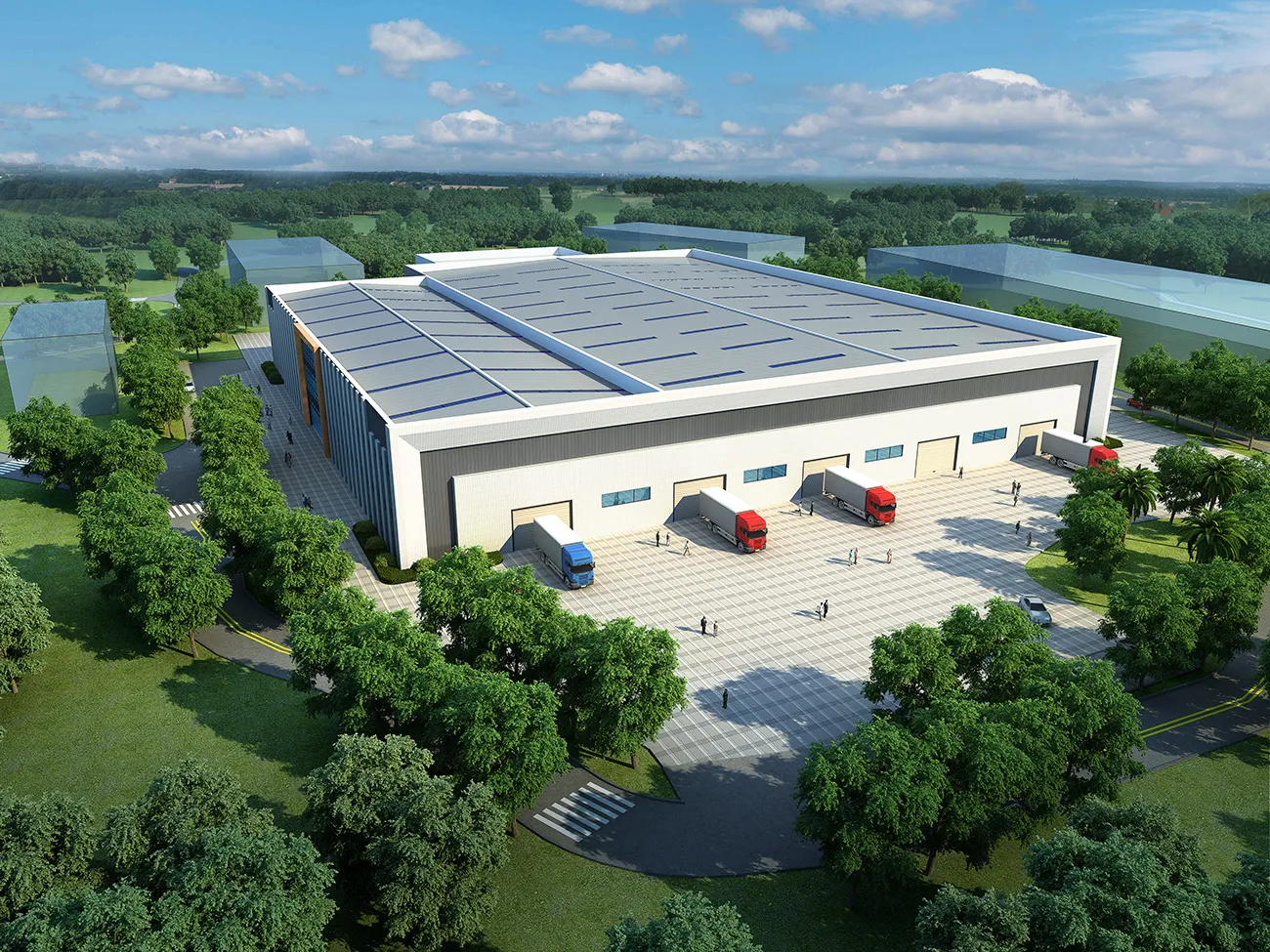
Steel Warehouse Solutions
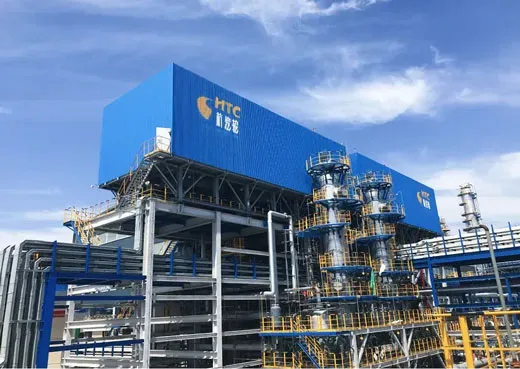
Heavy Steel Structures for Equipment
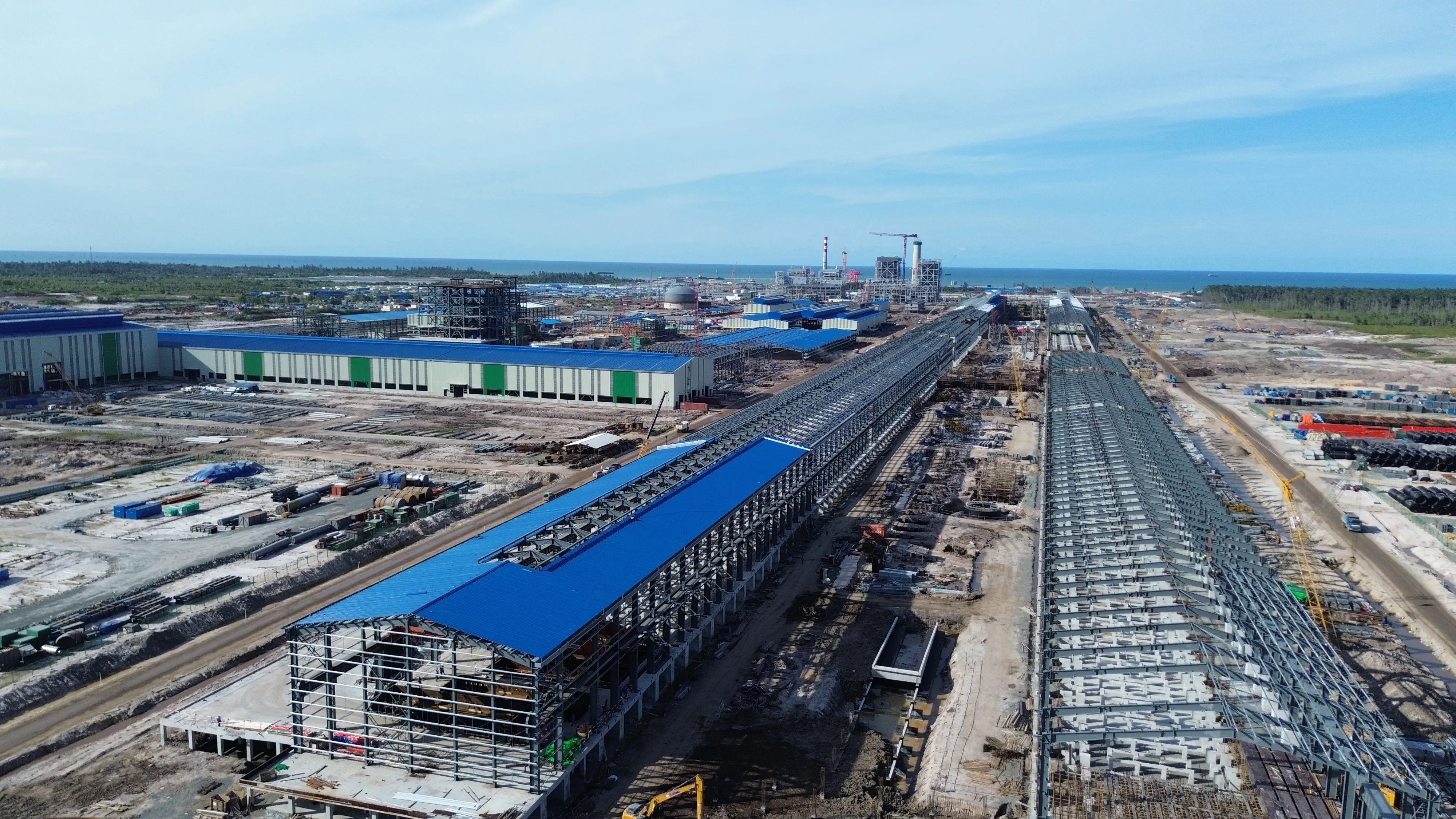
Indonesia North Kalimantan Aluminum Plant Project
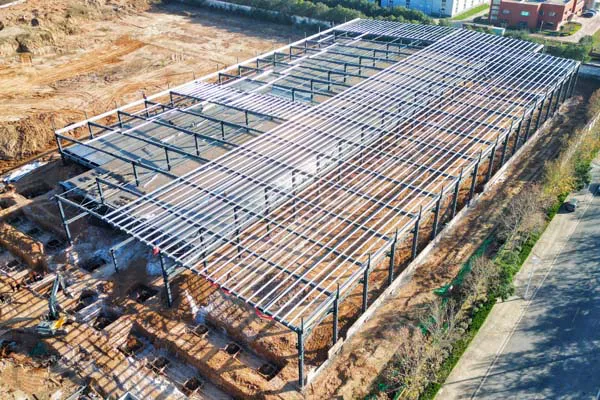
Luoyang Haode Auto Parts Steel Structure Factory Project
Automated Glass Production Line Steel Structure Factory Building Project
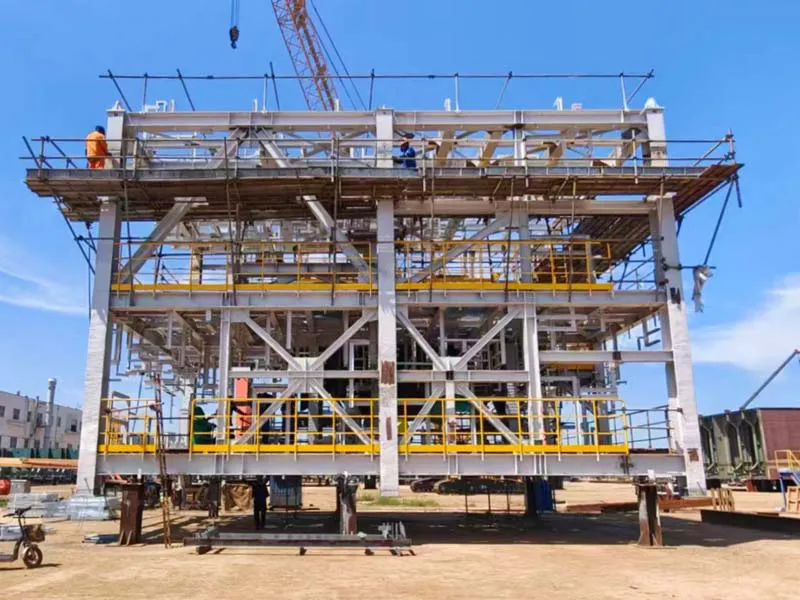
Oil & Gas Modular Steel Structure Fabrication Project
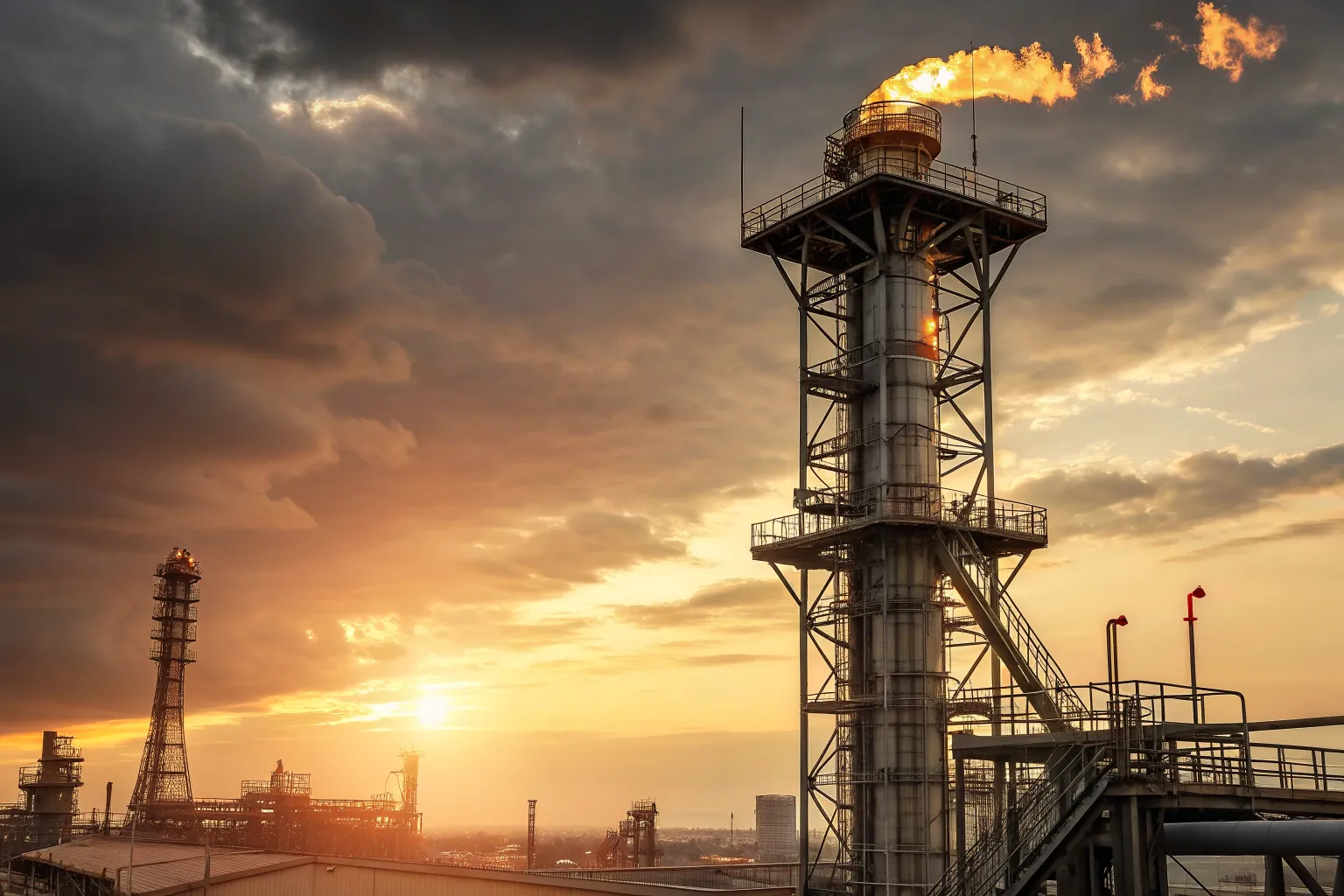
Flare Stack Structure