Time:2026-09-28 06:53:23 Source:Sanjian Meichen Steel Structure
Reducing steel structure warehouse costs is a priority for procurement managers, but it’s not about lowering quality or cutting corners. The key lies in eliminating hidden cost drivers embedded in design, specification alignment, and supplier evaluation. Understanding these factors can help you achieve cost savings without compromising the safety or performance of your warehouse project.
Many buyers worry that reducing costs might mean trading off structural integrity or long-term durability. They often compare quotations blindly, focusing purely on price tags without analyzing what’s inside them. Let’s break down the real drivers of steel structure warehouse costs—and where genuine savings can be found.
Steel structure warehouse costs go beyond the sticker price. Hidden drivers such as design inefficiency, transportation weight, fabrication complexity, and misaligned specifications can inflate costs without adding value.
The core issue: Buyers rarely look beyond the quotation total, overlooking cost components like column spacing, purlin design, or connection methods. Correcting these areas can make a significant difference.
Fabrication costs are primarily influenced at the design stage. Optimizing for simpler layouts, standard sections, and weldable connection details can significantly reduce costs without altering steel grade or coating requirements.
Key areas where design inefficiency impacts cost:
By prioritizing efficient structural design, you can reduce fabrication hours and transportation weight, cutting costs intelligently.
One of the biggest mistakes procurement managers make is comparing supplier quotations without ensuring specifications match.
Case in point: Supplier A may include shot blasting to SA2.5 and ultrasonic testing, while Supplier B skips these steps—but you wouldn’t know unless you closely verify delivery scope.
Key aspects to check when comparing quotations:
| Component | Specification to Confirm | Importance |
|---|---|---|
| Steel grade | Matches required tensile strength and project load codes | Ensures structural safety |
| Coating thickness | Compatibility with environmental and corrosion resistance | Adds longevity to the structure |
| Fabrication methods | Whether certified welders are used; connection details | Impacts production quality |
| Testing steps | Ultrasonic flaw detection, shot blasting, inspections | Reduces risk of defects |
Without scrutiny, you risk approving an "apples to oranges" comparison, leading to unexpected cost overruns or quality issues during implementation.
Transportation costs for steel structures are often overlooked, yet they can make up a significant portion of the budget depending on the project location.
The main factors influencing transportation costs include the tonnage, component dimensions, and shipping method.
Strategies to minimize steel structure transportation costs:
By keeping these factors in mind from the onset, buyers can mitigate transportation expenses while maintaining quality standards.
Buyers often attempt to use benchmarks from unrelated sectors like residential buildings or commercial office spaces to estimate warehouse costs. However, steel structure warehouses have completely different drivers for cost escalation.
Key differences between warehouse and other project costs:
Procurement managers should avoid relying on misleading historical data and focus on warehouse-specific factors to estimate costs effectively.
Request detailed specifications from suppliers rather than relying on lump-sum prices. Items like steel grade, coating details, fabrication methods, and testing protocols should match project requirements.
Not always. Modular structures can reduce installation time and transportation costs but have higher initial fabrication complexity. Evaluate whether modular fabrication aligns with your project's needs.
Look for certifications like EN 1090 EXC3, ISO 9001, and traceable quality records. These ensure fabrication meets international standards for industrial-grade steel structures.
Lighter grades may reduce tonnage costs, but they must be carefully balanced with load requirements to avoid structural risk. Consult a qualified engineer for approval.
Failing to verify specifications, ignoring transportation costs, and accepting incomplete delivery scopes can lead to higher long-term expenses due to repairs, replacements, or project delays.
Reducing steel structure warehouse costs doesn’t mean cutting corners—it means understanding and eliminating hidden cost drivers. Aligning design efficiency, checking specifications in quotations, and optimizing transportation costs can yield savings without sacrificing quality or reliability.
If you’re planning a warehouse steel structure procurement, focus on asking the right supplier questions to uncover these cost-saving opportunities. Reach out to us at Meichen Steel Structures for reliable fabrication expertise and solutions tailored to your industrial project needs.
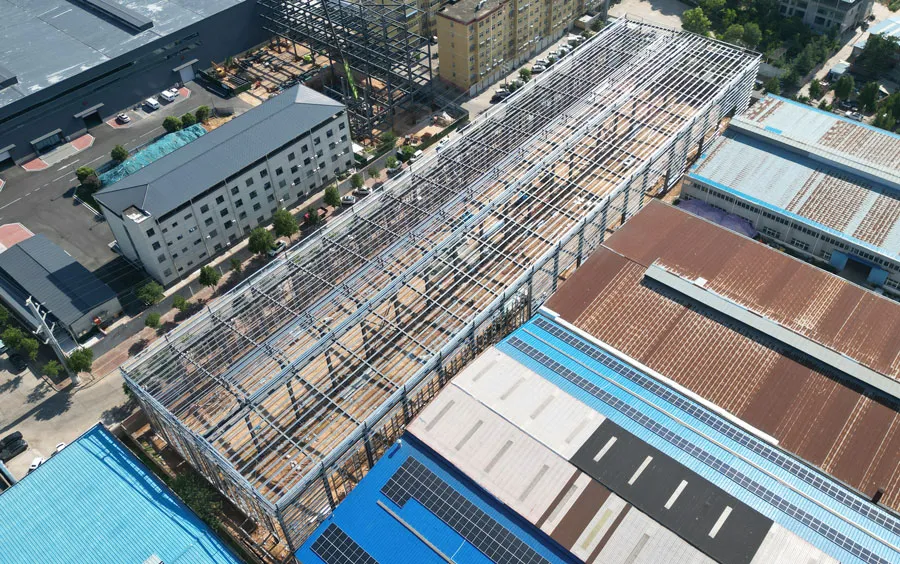
Steel Structure Workshop Solutions
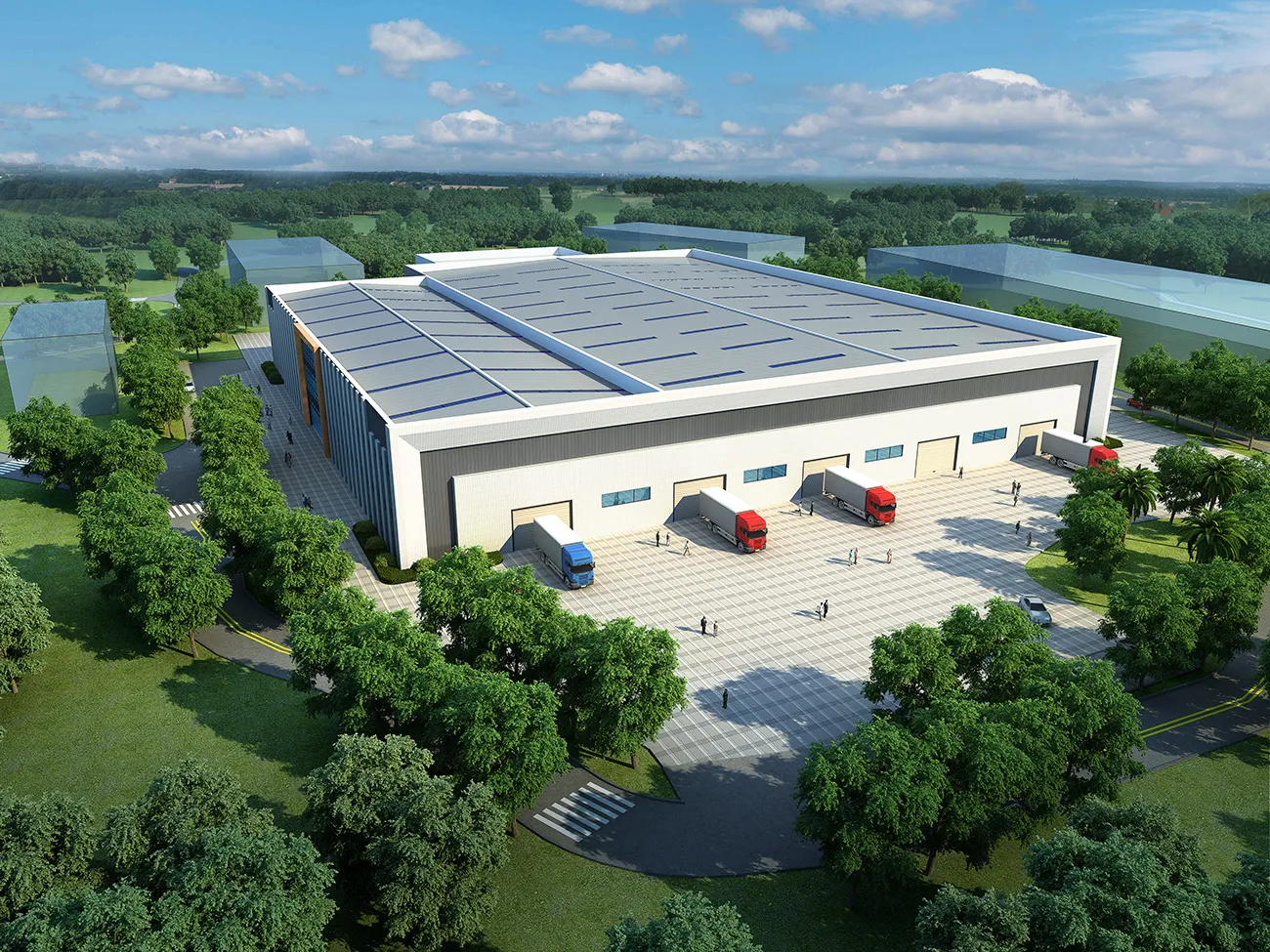
Steel Warehouse Solutions
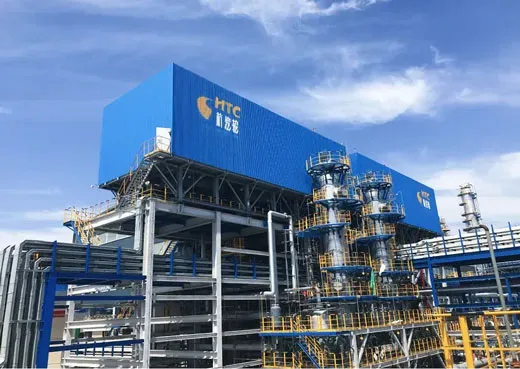
Heavy Steel Structures for Equipment
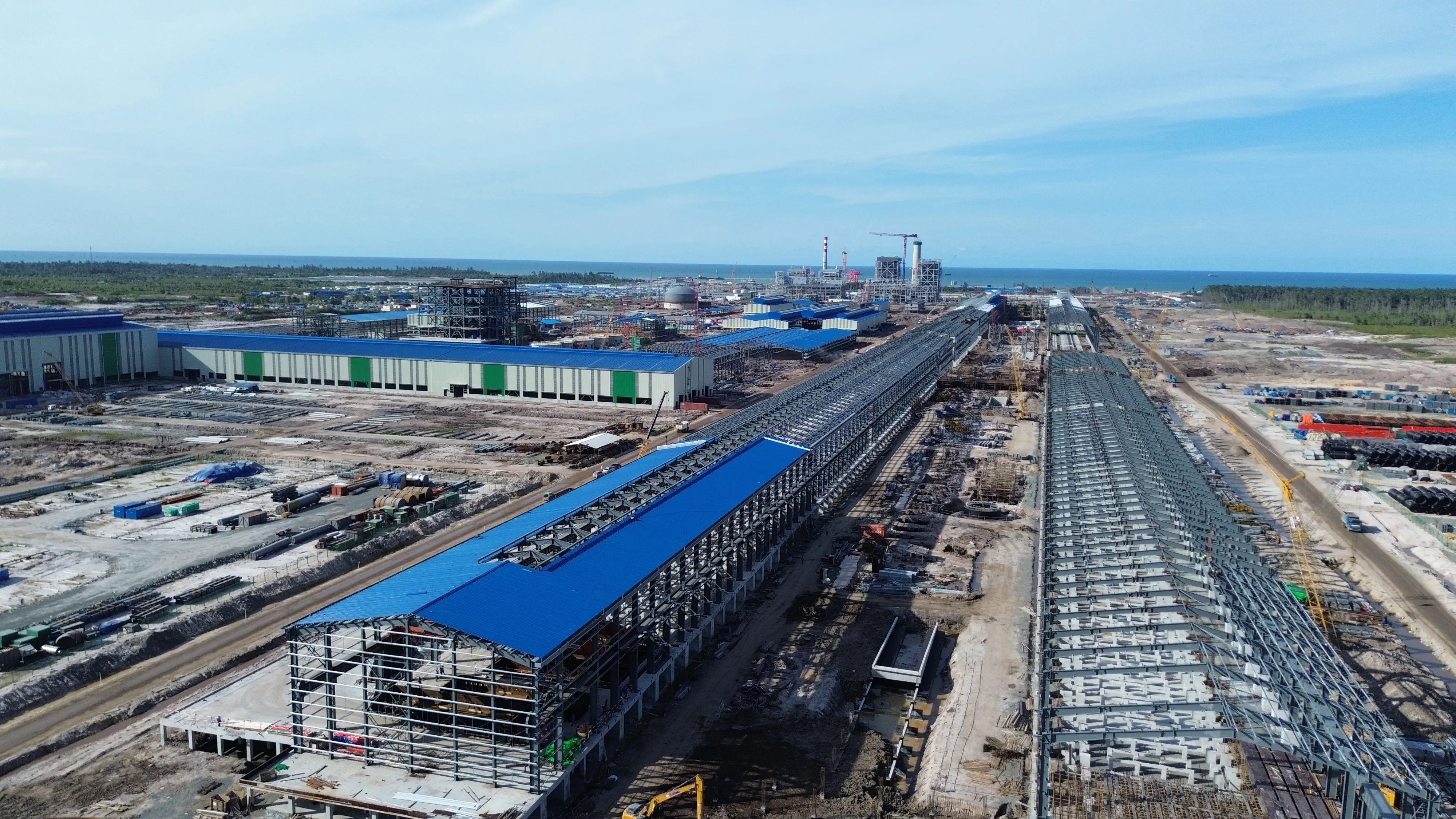
Indonesia North Kalimantan Aluminum Plant Project
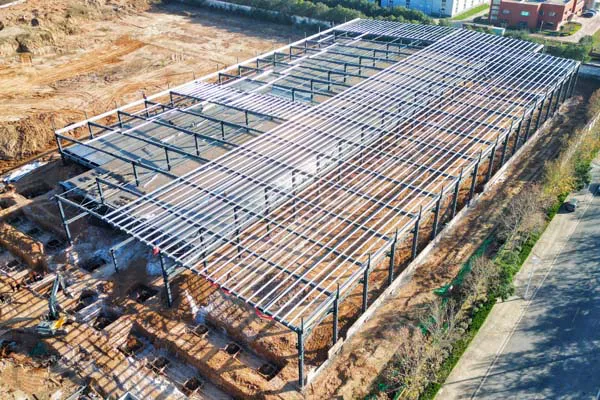
Luoyang Haode Auto Parts Steel Structure Factory Project
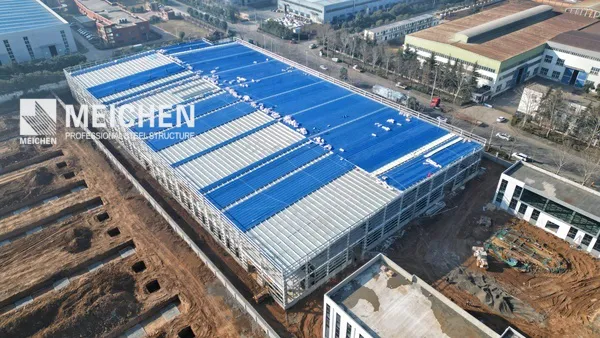
Automated Glass Production Line Steel Structure Factory Building Project
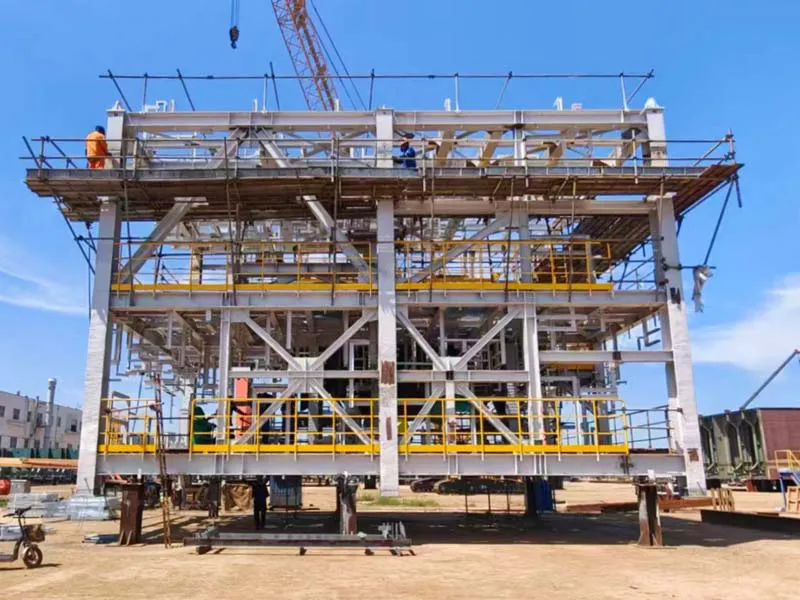
Oil & Gas Modular Steel Structure Fabrication Project

Flare Stack Structure