Time:2026-04-10 00:59:15 Source:Sanjian Meichen Steel Structure
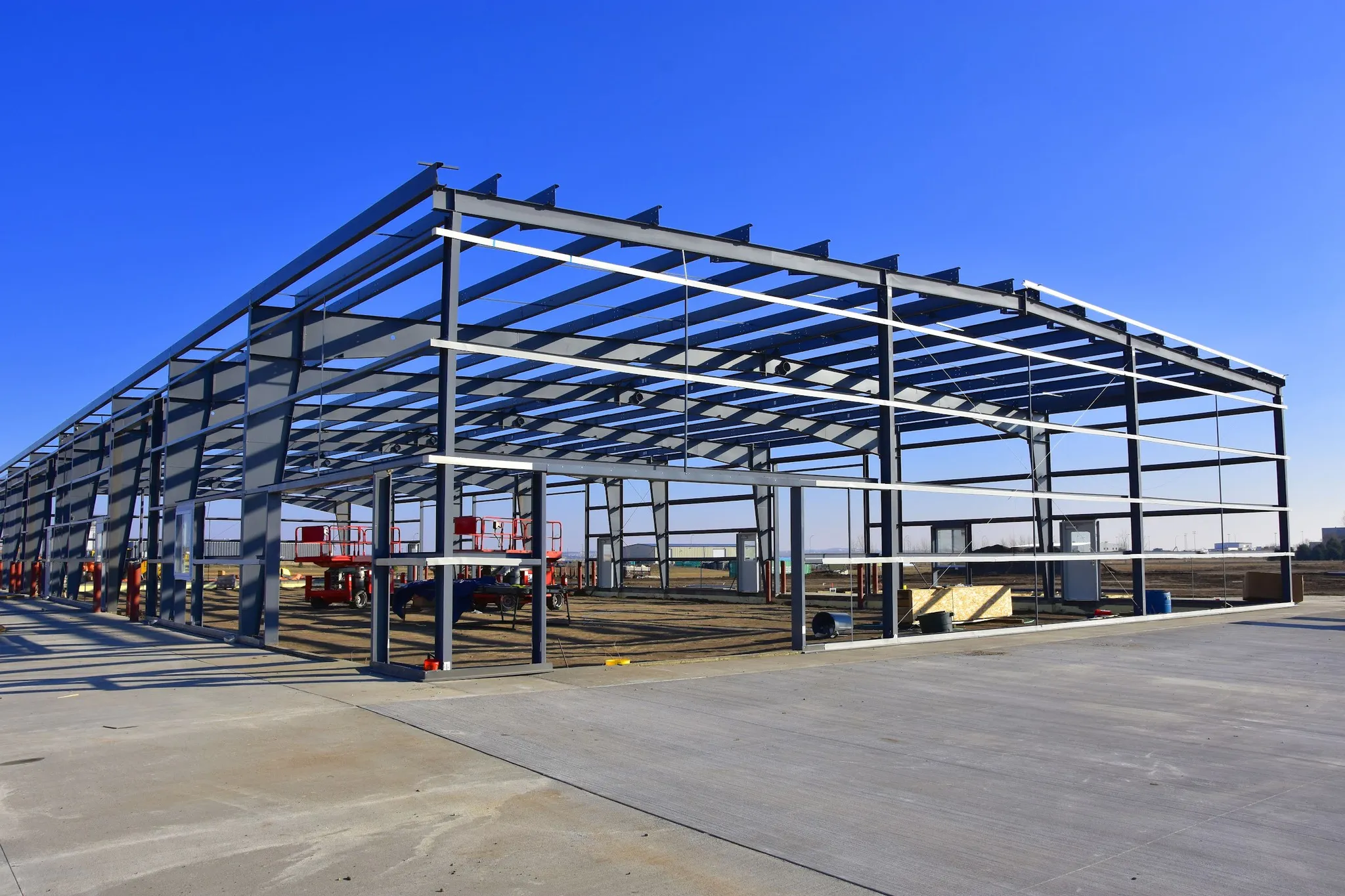
Steel structure warehouses have become a cornerstone of modern industrial and logistics infrastructure. Their durability, flexibility, and speed of construction make them a preferred choice for companies looking to optimize storage and operational efficiency. However, constructing a steel structure warehouse can involve significant capital investment, and businesses often seek ways to reduce costs without compromising quality or safety. In this article, we explore effective strategies on how to reduce steel structure warehouse construction costs, offering actionable insights for project managers, engineers, and business owners.
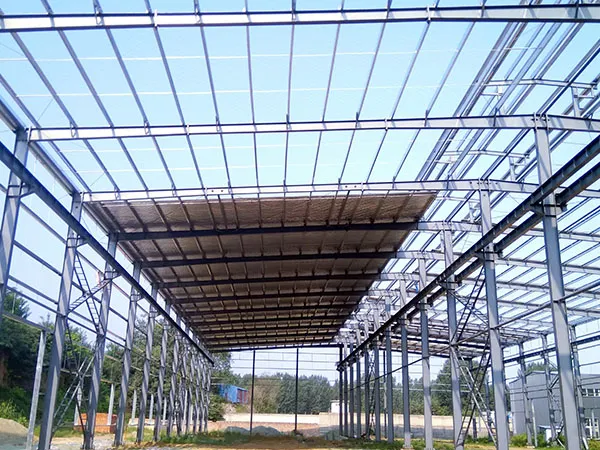
One of the most impactful ways to reduce construction costs is to focus on efficient warehouse design. The design stage determines the material requirements, labor needs, and construction complexity. Businesses should collaborate with experienced structural engineers to design a warehouse that balances space utilization with cost efficiency. Simplifying the layout by reducing unnecessary partitions, minimizing the number of structural bays, and avoiding overly complex roof structures can significantly lower both material and labor costs. Additionally, adopting standardized dimensions for beams, columns, and panels can streamline procurement and reduce waste.
The selection of steel and auxiliary materials directly affects overall construction expenses. While high-grade steel offers superior strength, it may not always be necessary for every warehouse project. Conducting a thorough structural analysis allows businesses to select the appropriate steel grade based on load requirements, environmental conditions, and building codes. Moreover, sourcing materials from reputable manufacturers who offer competitive pricing for bulk orders can reduce costs. Companies should also consider the potential savings from recycled or secondary steel, which meets quality standards while being more budget-friendly.
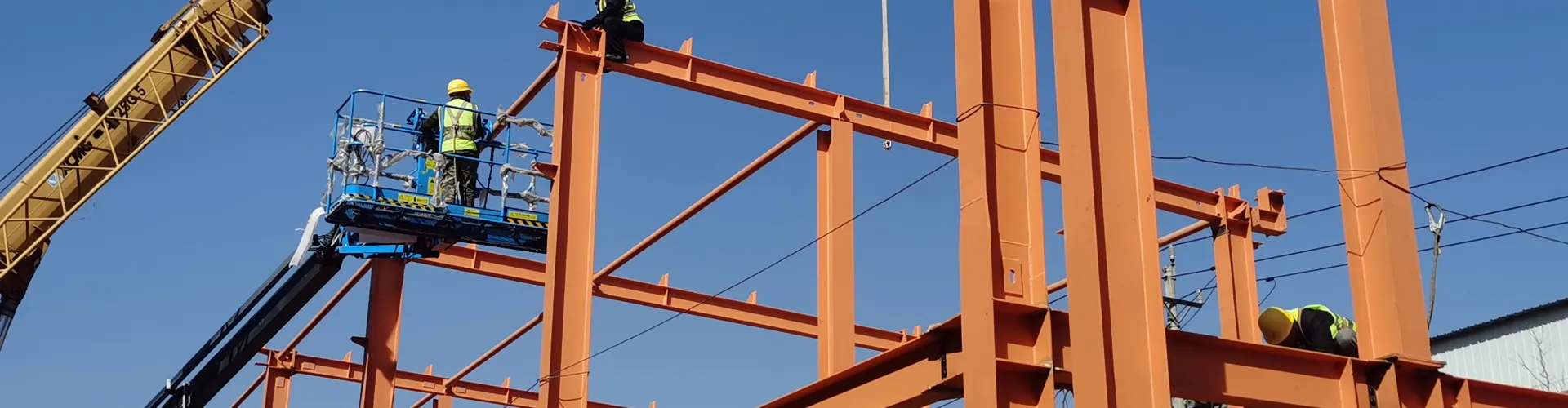
Pre-fabricated steel components and modular construction techniques have revolutionized warehouse construction. By manufacturing structural elements off-site in controlled factory conditions, companies can minimize on-site labor, reduce construction time, and lower overall expenses. Modular designs also allow for easy expansion in the future, providing both cost savings and operational flexibility. For example, pre-fabricated roof trusses and wall panels can be quickly assembled on-site, eliminating delays due to weather or labor shortages.
Delays and mismanagement are common contributors to rising construction costs. Businesses can reduce expenses by implementing comprehensive project planning and scheduling. Detailed timelines, clear allocation of responsibilities, and continuous monitoring of progress help avoid costly overruns. Early procurement of materials and securing reliable subcontractors prevent last-minute price surges. Additionally, coordinating construction activities to minimize downtime and ensuring that equipment and labor are utilized effectively can result in substantial savings.
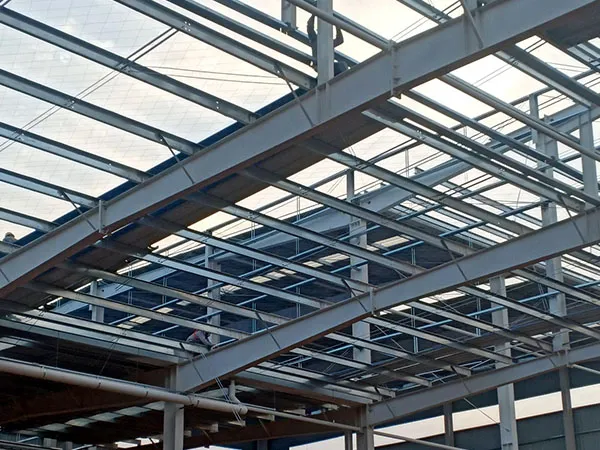
Labor costs can account for a significant portion of a warehouse construction budget. Hiring a skilled workforce reduces errors, rework, and construction delays. Experienced steel structure construction teams are proficient in handling heavy materials safely and efficiently. Additionally, cross-training workers to perform multiple tasks ensures that labor is flexible and utilized optimally. Companies should also consider incentivizing timely project completion to encourage productivity and reduce extended labor costs.
Incorporating energy-efficient and sustainable construction practices can contribute to long-term cost reductions. While initial investments in insulation, reflective roofing, or energy-efficient lighting may seem higher, they reduce operational costs and can qualify for government incentives or tax benefits. Sustainable practices, such as recycling construction waste and optimizing material usage, not only reduce environmental impact but also minimize expenses associated with waste management and excess material purchase.
Modern construction technologies, such as Building Information Modeling (BIM), 3D laser scanning, and construction management software, allow for precise planning and real-time monitoring of resources. BIM enables project teams to visualize the entire warehouse structure before construction begins, reducing errors and unnecessary material usage. Technology-driven approaches streamline procurement, logistics, and on-site management, all of which contribute to cost reduction.
Effective vendor management is essential in controlling costs. Developing long-term relationships with trusted steel suppliers, construction equipment providers, and subcontractors can result in preferential pricing, faster delivery, and reliable service. Comparing multiple bids and negotiating contracts based on total project cost rather than individual components can also ensure better value. Businesses should prioritize suppliers who demonstrate quality assurance, timely delivery, and adherence to industry standards to avoid hidden costs due to delays or substandard materials.
Cost reduction strategies should focus on the life-cycle of the warehouse rather than only the upfront construction expense. Investing slightly more in high-quality coatings, corrosion-resistant materials, and durable roofing can prevent frequent maintenance and repairs, which ultimately reduces total expenditure. Evaluating the long-term operational costs of lighting, insulation, and structural maintenance ensures that initial savings do not lead to higher costs over the warehouse’s lifespan.
Reducing steel structure warehouse construction costs requires a holistic approach that integrates design optimization, material selection, pre-fabrication, efficient project management, skilled labor, and technology. By planning meticulously, selecting cost-effective materials, leveraging modern construction methods, and focusing on long-term value, businesses can achieve substantial savings without compromising quality or operational efficiency. Understanding how to reduce steel structure warehouse construction costs is not just about cutting expenses; it is about making strategic decisions that enhance productivity, safety, and sustainability.
Investing time and effort in these strategies empowers companies to construct durable, efficient, and cost-effective warehouses that meet their operational needs while optimizing their budget. For businesses seeking to expand storage capacity, streamline logistics, or modernize facilities, these cost-reduction measures provide practical solutions that deliver measurable results.
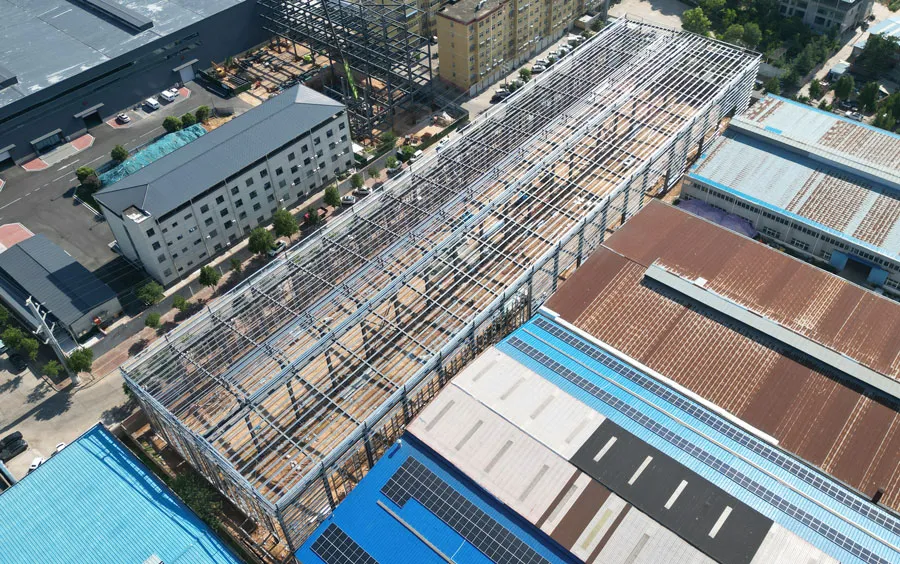
Steel Structure Workshop Solutions
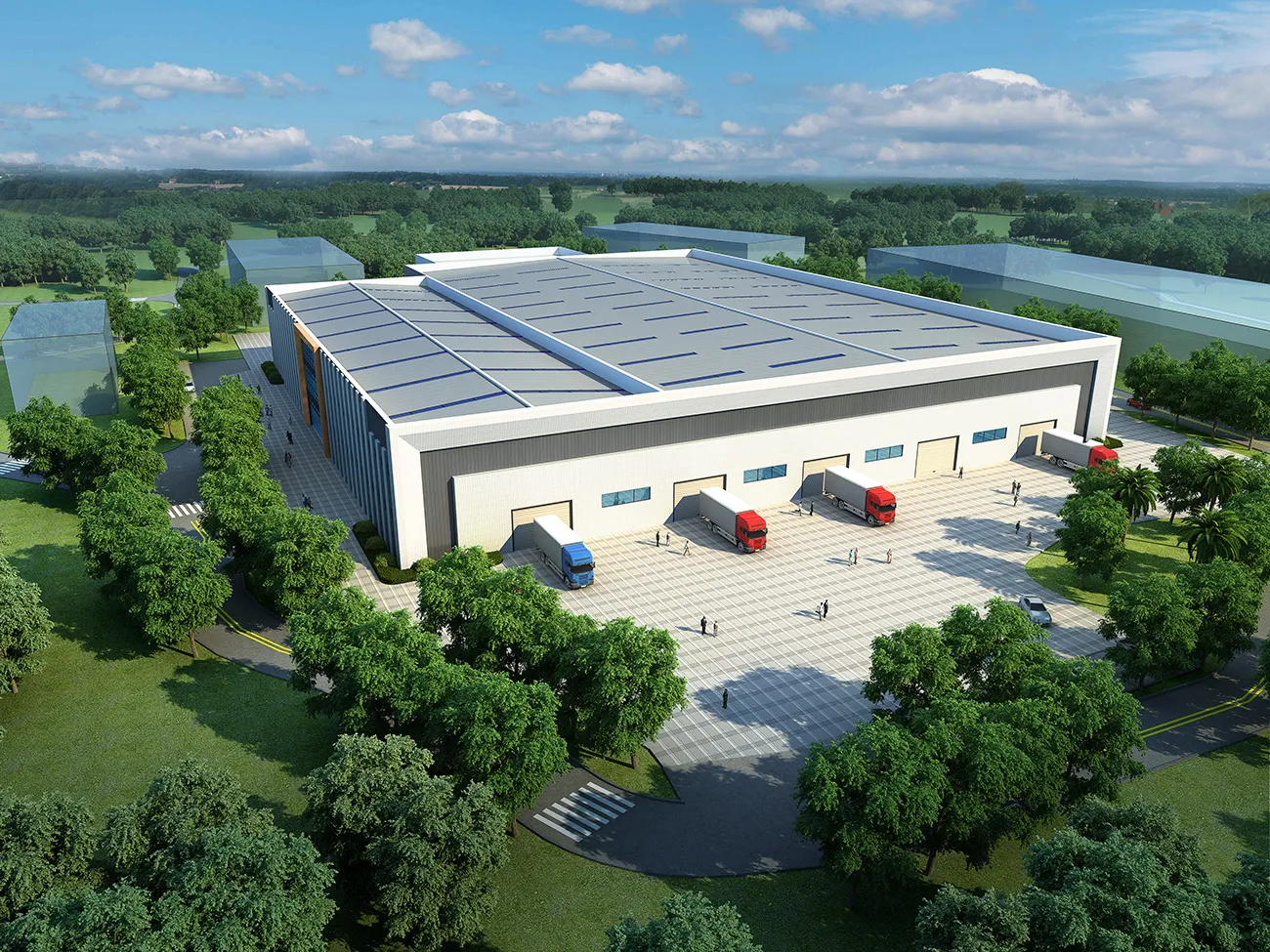
Steel Warehouse Solutions
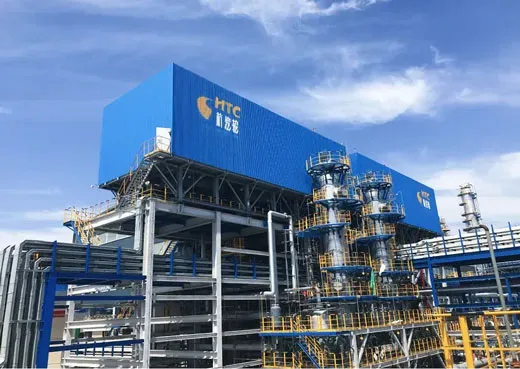
Heavy Steel Structures for Equipment
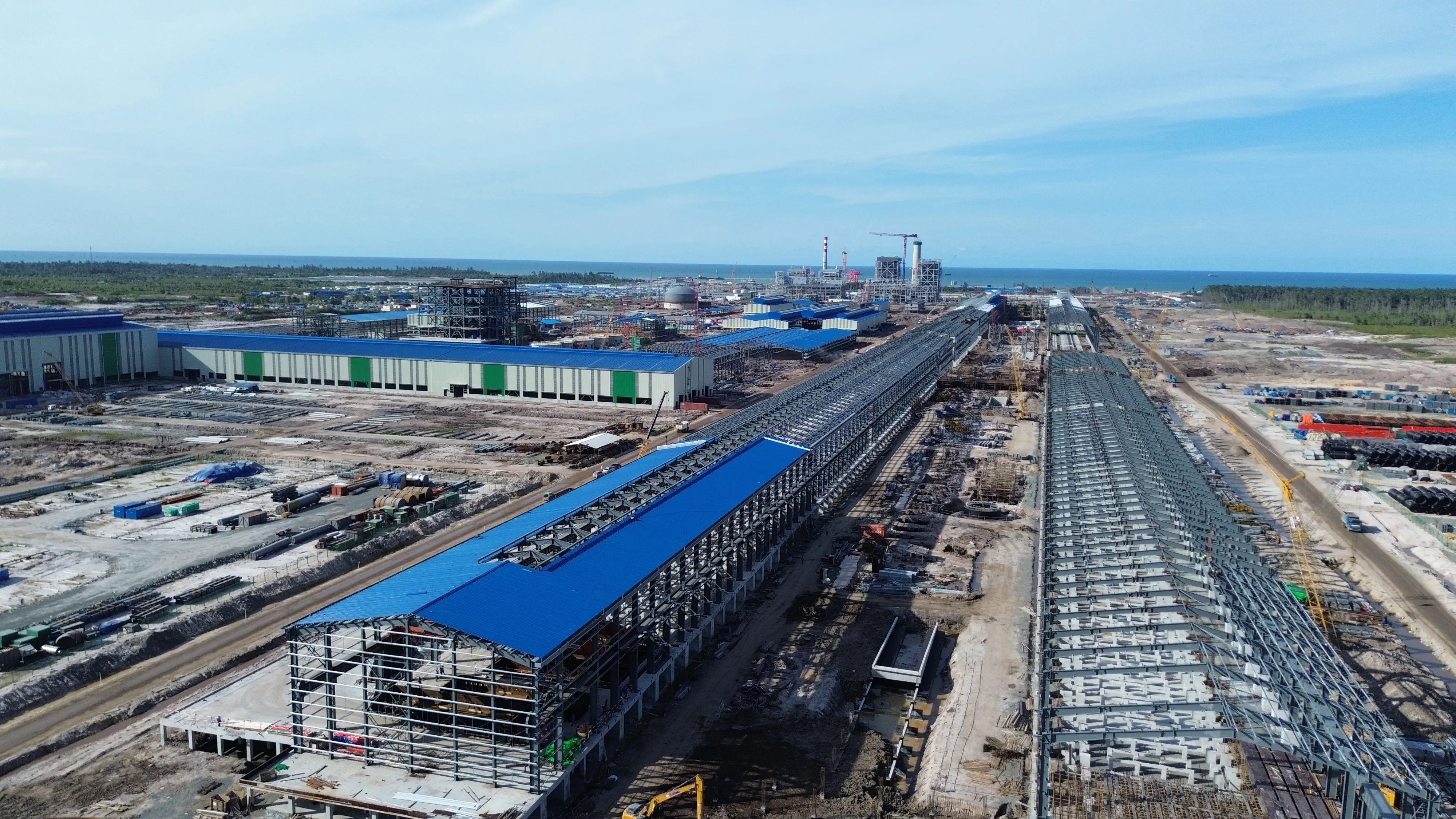
Indonesia North Kalimantan Aluminum Plant Project
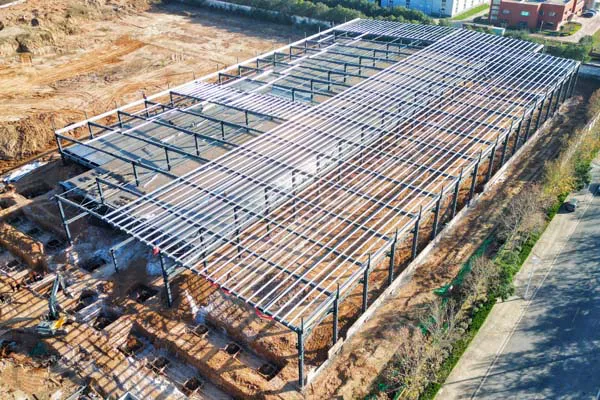
Luoyang Haode Auto Parts Steel Structure Factory Project
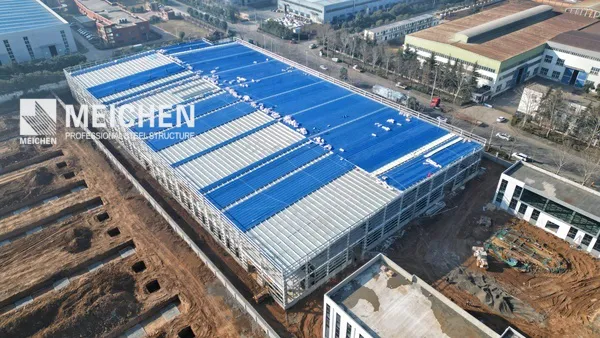
Automated Glass Production Line Steel Structure Factory Building Project
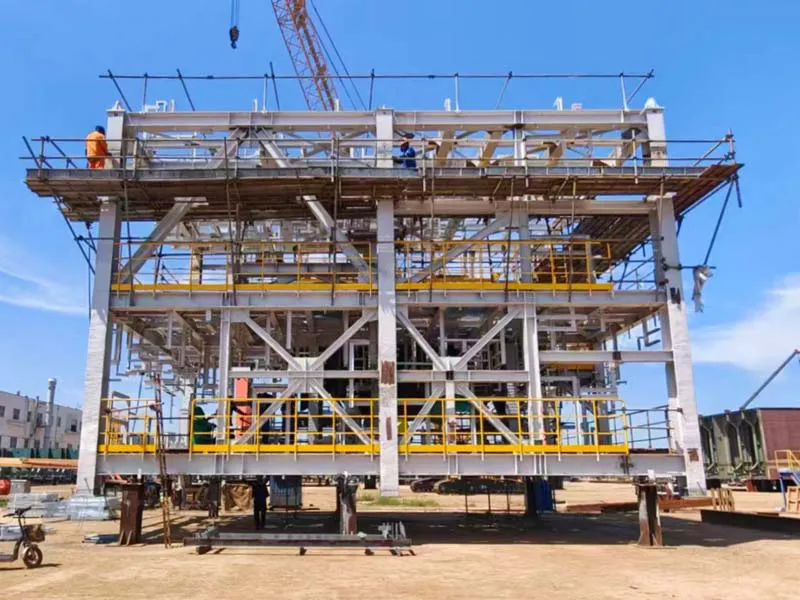
Oil & Gas Modular Steel Structure Fabrication Project

Flare Stack Structure