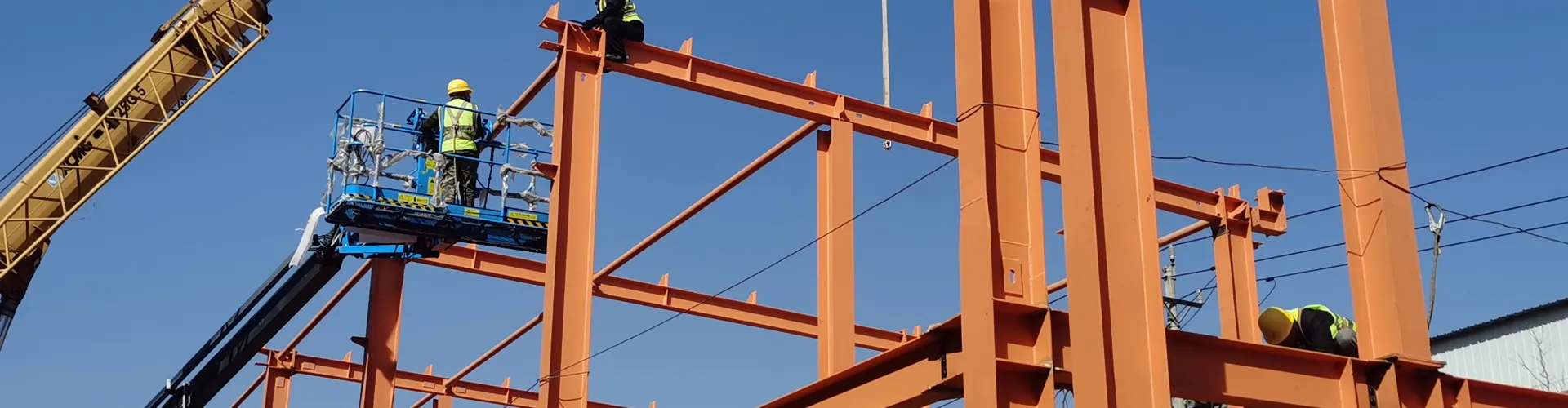
Time:2026-08-17 01:23:33 Source:Sanjian Meichen Steel Structure
Underestimating what matters when buying a prefab steel warehouse leads to hidden costs, delays, and disappointment—we’ve seen it happen too often.
To make your project a success, don’t just check price and size; you need to clarify your actual needs, check site-specific loads, inspect engineering ability, demand accurate material specs, and compare scope precisely.
If you skip important steps, your warehouse won’t perform as planned, and the headaches will only begin at installation. Even “standard” buildings often go wrong because key requirements, design loads, and material details are left vague. Stick with us—we’ll walk you through what experienced buyers always check before ordering.
We’ve learned that defining how you will actually use the warehouse is the foundation for successful projects.
Before ordering, sit down with your team and picture daily operations inside the warehouse. Is it for storing loose goods, finished products, machinery, or hazardous materials? Will you need overhead cranes, offices, or work zones? Don’t forget ventilation, insulation, or fire protection needs. More than half of our clients come in asking for a “standard warehouse” but quickly request cranes or mezzanines later. Unfortunately, late additions mean structural redesigns, increased cost, and schedule chaos.
| Warehouse Use | Common Needs | Surprise Upgrades |
|---|---|---|
| Storage only | Basic frame, minimal insulation | Loading docks, partition walls |
| Production/processing | Crane rails, ventilation, offices | Additional mezzanine, equipment pads |
| Hazardous goods | Drainage, fire safety, alarms | Emergency access, reinforced walls |
| Machinery/equipment | Heavy duty beams, extra height | Access platforms, service stairs |
We always advise clients to map out their workflow, equipment layout, and what happens in each area. For example, storing steel coils is far different from handling bagged fertilizer; crane requirements, floor loading, and clearance shift drastically. By clarifying your purpose up front, you ensure designers deliver what you actually need, not just something that looks good on paper. It saves real money and keeps your project on track.
One of the biggest mistakes we see is using designs borrowed from other locations—they almost never work.
Every site has unique wind, snow, seismic, rainfall, and soil conditions. If designers use “generic” numbers, your warehouse may fail inspection, need expensive upgrades, or even risk safety. Ask your supplier to specify wind speed, snow load, earthquake category, and drainage requirements, all tied to your local code. We insist on clear documentation with every quote.
| Load Type | Problem if missed | Solution |
|---|---|---|
| Wind load | Wall/roof collapse | Use site wind speed zone |
| Snow load | Roof failure | State maximum snow accumulation |
| Seismic load | Permit rejection, unsafe | Specify earthquake design category |
| Rain drainage | Water leaks, flooding | Define roof slope and gutter sizes |
| Soil capacity | Foundation settlement | Base on local soil report |
We’ve worked on projects where failing to address local load requirements meant waiting months for reapproval—or spending more on reinforcing the structure after it was built. Suppliers sometimes quote low tonnage based on optimistic assumptions, but those savings disappear when the city inspector demands compliance. Instead, insist on a list of design standards and codes. It keeps your project legal and safe while preventing budget shocks.
You need a partner who won’t just fabricate beams—they need to cut errors before you even break ground.
Ask whether your supplier provides structural calculations, detailed shop drawings, anchor bolt plans, and complete erection instructions. Many fabricators are excellent at welding but lack deep engineering support. We’ve seen site teams lose days because drawings and calculations don’t match, or doors and cranes are missing from coordination. You should always ask: who’s doing the calculations, do they optimize for your needs, and have they completed projects like yours?
| Engineering Item | Why it matters | Danger if missing |
|---|---|---|
| Calculations | Safe, optimized design | Structural mismatch, overweight |
| Detailed drawings | Smooth fabrication & installation | Misplaced elements, delays |
| Anchor plans | Accurate foundation fit | Columns won’t align, site welding |
| Component details | Reduce site conflicts | Redesign, rework, finger-pointing |
Once, we helped a client avoid a costly fix when their chosen fabricator lacked connection details for a crane system. Site teams wasted weeks improvising. Good engineering saves steel, boosts speed, and lowers risk. When we choose suppliers, we look for strong technical departments able to handle full system coordination—not just producing parts. It makes a real difference for quality and schedule.
Material quality and proper coatings decide how long your warehouse stays reliable.
Always ask for steel grade, thickness, section type, and surface treatment in every quote. Two warehouses can look identical on paper but use very different materials. We often see cheaper bids using thin plates or soft steel. In harsh or coastal environments, basic shop primer will vanish quickly—true protection means epoxy paints, polyurethane, or hot-dip galvanizing, all tailored to your environment.
| Material Spec | Good Practice | Typical Mistakes |
|---|---|---|
| Main frame grade | S355 or equivalent | Low-grade, thin material |
| Purlin thickness | 2.0 mm or above | Thin, low-cost purlins |
| Coating system | Epoxy, polyurethane, galvanize | Primer only, short life |
| Surface prep | Blast clean before painting | No prep—paint fails soon |
We once managed a fertilizer storage project where cheap primer led to rapid rusting; repainting cost more than the original structure. Before you order, get a complete bill of materials and coating procedure. Ask for photos from similar completed projects and coating thickness measurements. It’s not just about buying steel—it’s about buying a system ready for your environment.
If you’re tired of surprises, you need to check every detail, not just the headline number.
Different suppliers include different scope items. Some quote only the main frame, skipping fasteners, insulation, or warranty. Others list full accessories. We use side-by-side technical sheets to compare design loads, material grades, coating systems, cladding, bolt sets, engineering details, delivery, installation support, and warranty. This is where real savings—and real risk—come from.
| Key Item | Supplier A | Supplier B | Supplier C | Buyer Checklist |
|---|---|---|---|---|
| Steel grade | S355 | Q235 | Q235 | Match calculations |
| Coating | Epoxy | Primer | Galvanizing | Suit environment |
| Cladding | Sandwich | Single | Sandwich | Confirm insulation |
| Fasteners | Included | Excluded | Included | Check accessory list |
| Warranty | 2 years | None | 1 year | Ask for details |
| Engineering | Full scope | Basic only | Full scope | Ask for drawings |
Early in my career, a client learned the hard way—what isn’t written isn’t included. Missing fasteners, skylights, or anchor bolts are easy to gloss over. Always force suppliers to answer every line in your comparison sheet before deciding. We’ve avoided dozens of nasty surprises by checking scope this way.
Ordering a prefabricated steel warehouse is about getting the right system for your needs, not just a pile of steel. We always check operational requirements, site-specific codes, engineering scope, material specs, and quote comparison—these are the things that protect your project and your reputation.
If you have questions or want to see our actual checklists, reach out. We believe in sharing knowledge and making sure every buyer gets the real story—not just the sales pitch.
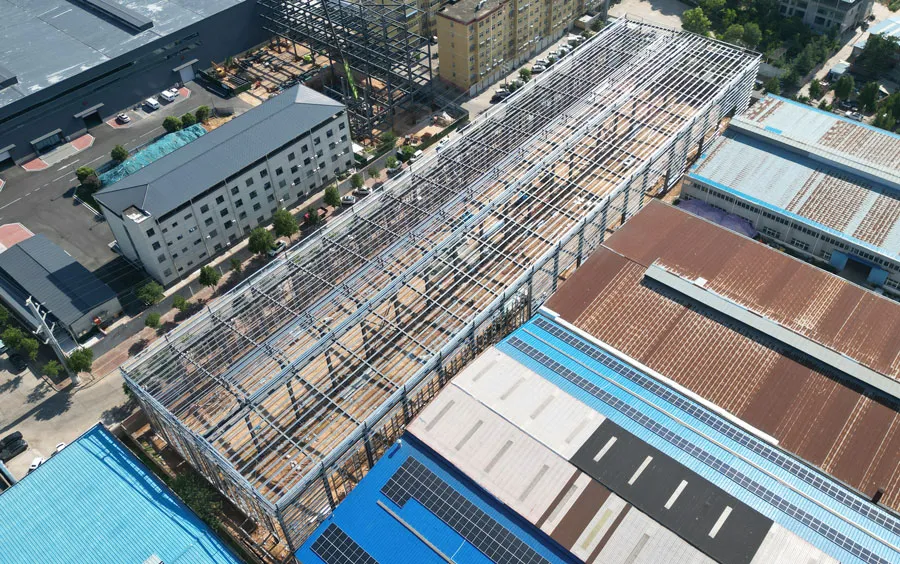
Steel Structure Workshop Solutions
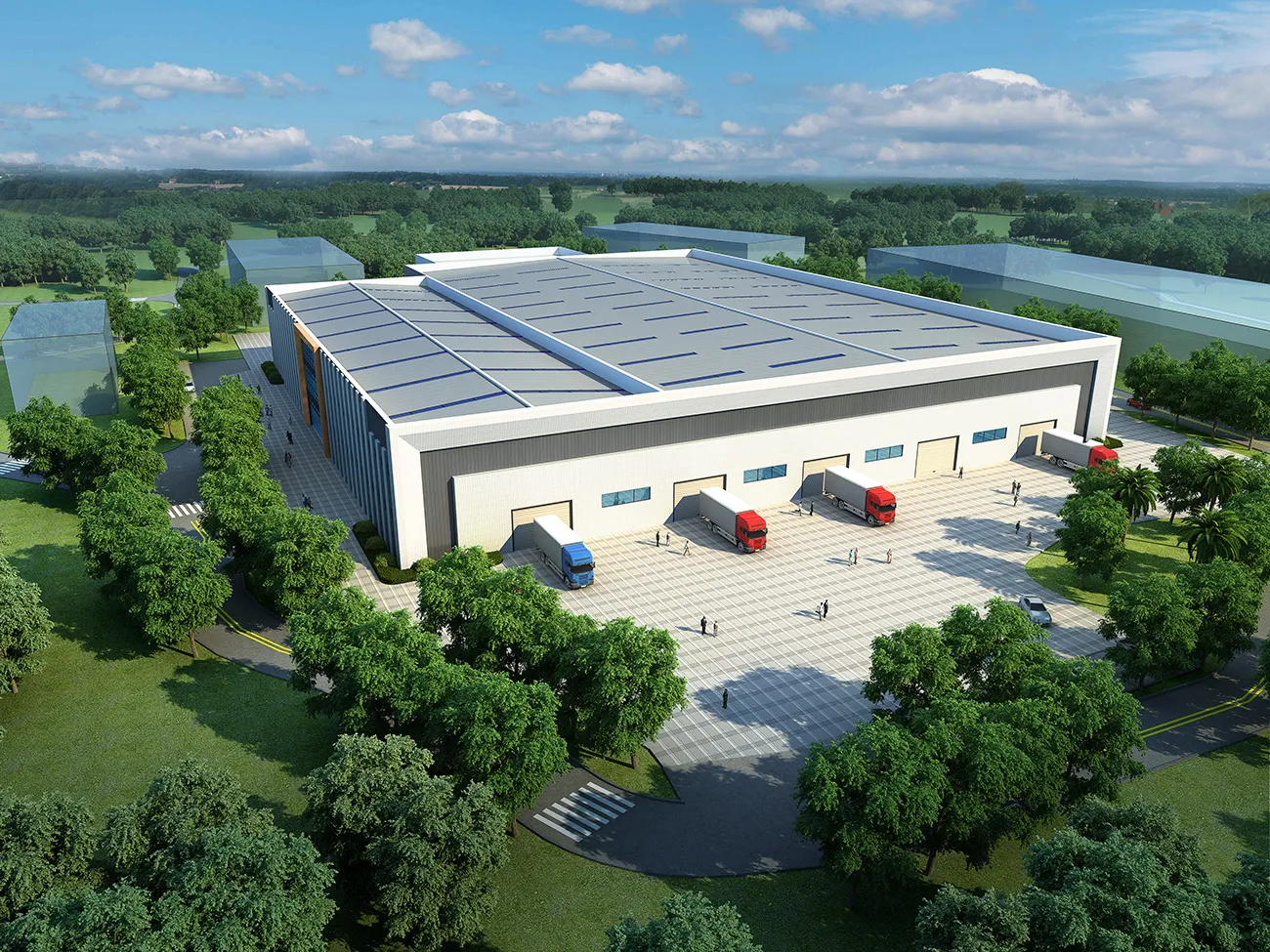
Steel Warehouse Solutions
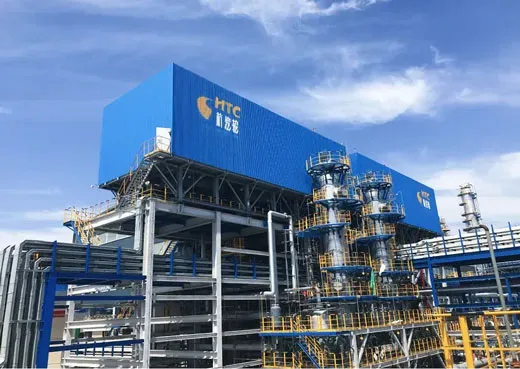
Heavy Steel Structures for Equipment
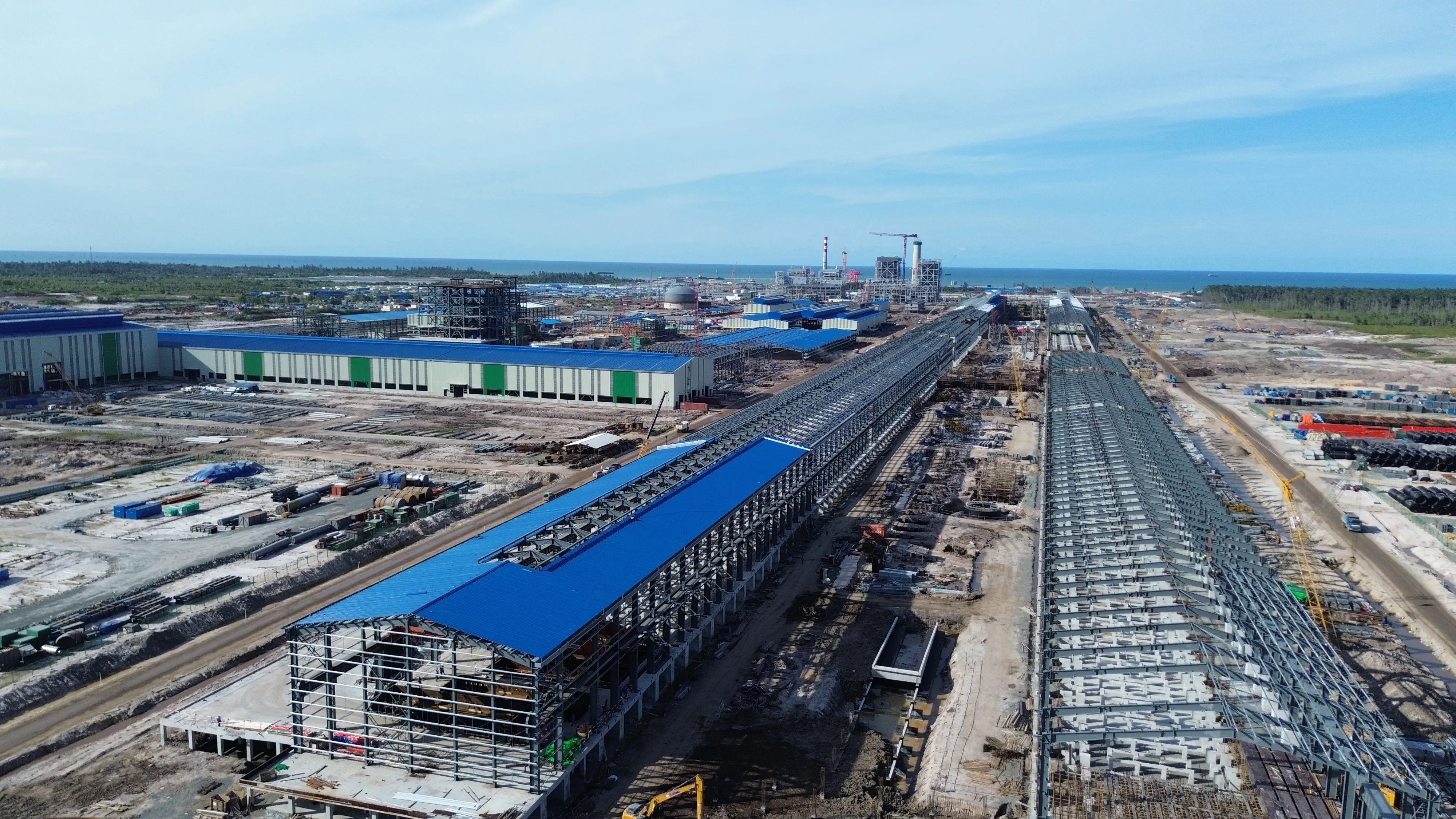
Indonesia North Kalimantan Aluminum Plant Project
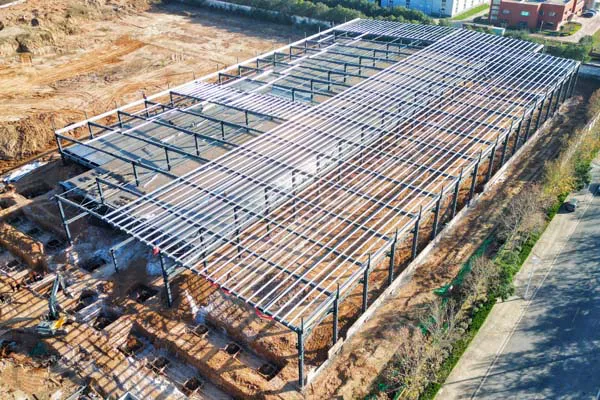
Luoyang Haode Auto Parts Steel Structure Factory Project
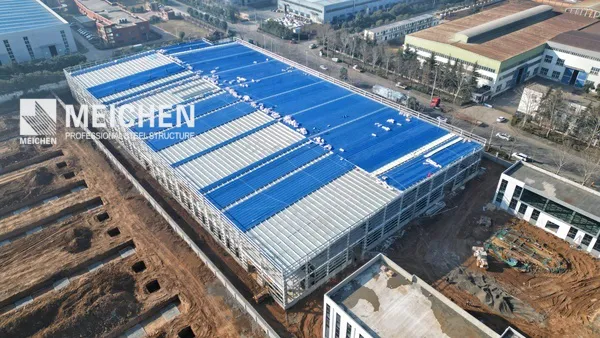
Automated Glass Production Line Steel Structure Factory Building Project
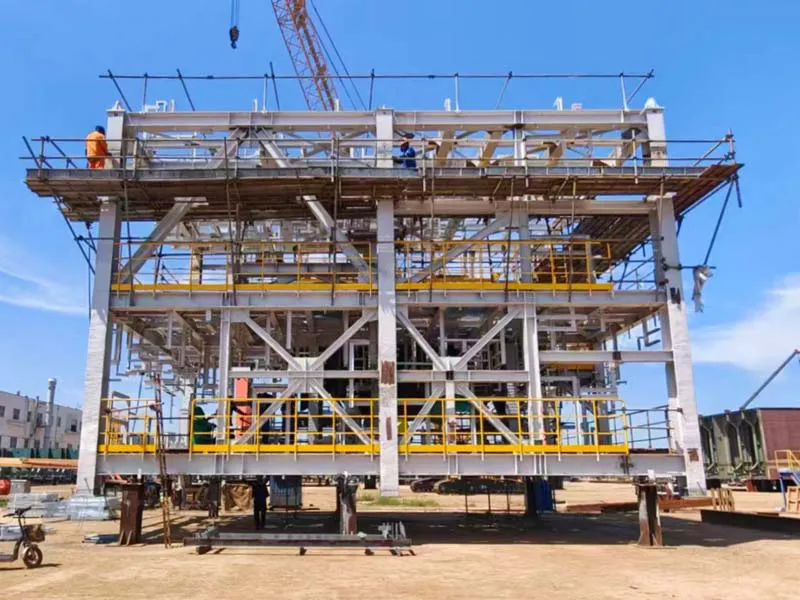
Oil & Gas Modular Steel Structure Fabrication Project

Flare Stack Structure