Time:2026-11-12 07:46:27 Source:Sanjian Meichen Steel Structure
Many EPC clients mistakenly treat overhead crane workshops like warehouses when planning steel structures. This common approach often leads to structural failures resulting from overlooked load dynamics, fabrication obstacles, and interface risks. Understanding the unique steel structure requirements for overhead crane workshops will help ensure your structure doesn’t just match the design specs but also supports real-world crane operations effectively.
Steel structures for overhead cranes must account for load coordination, interface details, and manufacturing feasibility. This includes horizontal stiffness, crane wheel pressure distribution, and real-world tolerances for rail installation and bracing systems. Addressing these requirements early reduces project and installation risks significantly.
Whether you’re an EPC engineer or procurement manager planning your next project, knowing the key considerations and common pitfalls will save time, costs, and headaches—and ensure your project stays on track. Let’s take a closer look at what’s really involved.
Most EPC engineers initially approach overhead crane workshops in the same way they’d approach warehouse structures—assuming vertical load capacity is the top priority. This simplified view misses the essential complexity of crane loads.
Crane workshop structures must balance dynamic loads, lateral forces, and impact stresses—not just vertical static loads like warehouse roofs. These added forces reshape key structural decisions and supplier requirements.
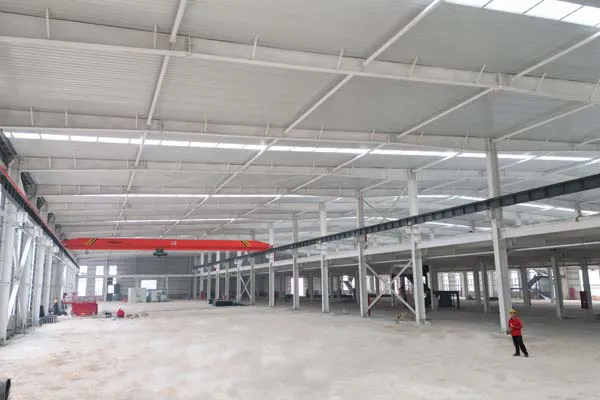
Crane operations generate loads far beyond simple vertical forces. Here are key dynamics that set crane structures apart:
Horizontal stiffness: Overhead cranes create lateral forces during operation, whether due to trolley movements or lifting acceleration. Without strong horizontal stiffness, columns can sway, compromising safety and stability.
Wheel pressure and track alignment: Crane wheels exert concentrated loads on rails, far different from evenly distributed roof loads. A minor misalignment in rail installation can amplify stress on the steel structure, leading to wear or deformation.
Impact forces: When cranes move or lower heavy loads, they cause kinetic impacts that ripple through the structure. Columns, bracing systems, and connections must be designed to absorb and redistribute these forces.
Lateral bracing systems: Horizontal bracing ensures deflection stays within tolerable limits under dynamic forces. Many clients skip this step in early design phases, creating trouble during fabrication or installation.
By accounting for these specific load dynamics early, EPC teams can avoid common structural failures down the line.
Here’s where we see projects fall apart most often: Clients don’t understand how crane specifications directly shape steel structure decisions during design. The result? Fabrication mismatches, delayed delivery, and installation issues.
Crane manufacturers set precise requirements (like column spacing, span width, rail tolerances, and end connections), and steel structures must match these dimensions exactly. Even minor mismatches lead to site errors. Supplier coordination with crane manufacturers is critical.
Column spacing and span width: Every crane has specific dimensions that dictate column placement and span width. These must align perfectly with crane beam lengths and tolerances. If the structure design overlooks this interface, fabrication becomes unworkable, or installation fails altogether.
Rail installation tolerances: Crane rails need precise alignment and support across long spans. This requires custom fabrication of rail beams and tolerance management during welding and installation—often overlooked during supplier selection stages.
End connection details: Cranes often require specific end-plate or bolt configurations for connections. Fabrication teams must factor these into the production drawings, or on-site adjustments become costly and time-consuming.
Column deflection limits: Crane loads spread to columns when lifting and moving heavy equipment. If the deflection exceeds prescribed limits, lifting operations will destabilize, increasing failure risks.
These issues demonstrate how structural design must integrate equipment specs—not just generic design principles. Early supplier coordination ensures designs are practically deliverable.
Fabrication challenges don’t always show up in the design phase. Papers might look perfect, but manufacturing constraints—like transportation limits or welding sequence issues—can derail the project.
Manufacturing feasibility is critical to ensuring the design translates into deliverable steel structures. Constraints like transportation size limits or weld accessibility directly impact buildability. Clients need to identify these risks upfront during supplier evaluation.
Here are a few examples of risks tied to manufacturing feasibility:
Transportation limits: Large pre-assembled crane columns or spans might exceed truck bed or shipping container dimensions. Suppliers must flag these issues early and offer modular alternatives.
Welding accessibility: Overlapping connections or tight column reinforcements make automated welding impossible, slowing production. Practical welding approaches often require rethinking connection designs for fabrication.
Assembly sequences: Some designs demand complicated in-situ alignments or bolt tightening protocols. Suppliers must evaluate whether these are feasible given the chosen bracing or column structure specifications.
At MEICHEN STEEL STRUCTURE, we’ve seen countless projects stumble because manufacturing steps weren’t factored into initial design specs. This reinforces why supplier experience in crane workshop fabrication matters—it’s not just about meeting design specs but delivering workable results.
Look for certifications like EN 1090 EXC3, which ensure compliance for high-stress industrial environments. ISO 9001 is also critical for consistent, traceable quality control during fabrication.
Yes. Crane manufacturer specs should directly inform column spacing, rail installation tolerances, and horizontal deflection requirements. Coordinating early reduces structural mismatches.
Ask for evidence of relevant project experience (e.g., overhead cranes in petrochemical plants) and confirmed compliance with standards like EN 1090. Verify the supplier has managed rail installation and bracing tolerances successfully.
Overhead crane workshops are structurally complex systems—far from simple warehouses. Meeting steel structure requirements means accounting for dynamic loads, tight crane interfaces, and manufacturing constraints from the start. At MEICHEN STEEL STRUCTURE, our fabrication experience in petrochemical crane workshops has taught us that focusing on early coordination reduces structural risks and ensures projects stay on budget and schedule.
Ready to discuss your next crane workshop project? Contact info@meichensteel.com for expert fabrication advice. Let’s turn your design specs into deliverable results!
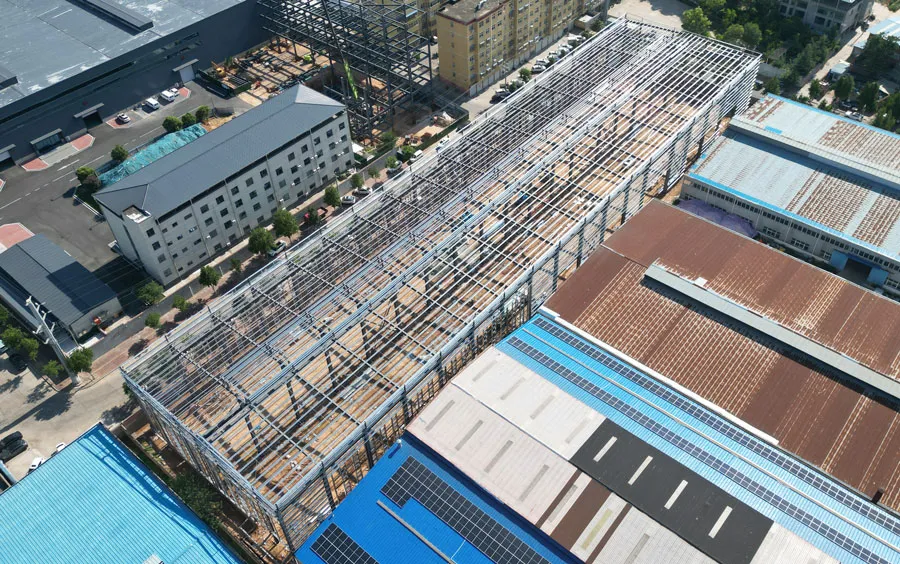
Steel Structure Workshop Solutions
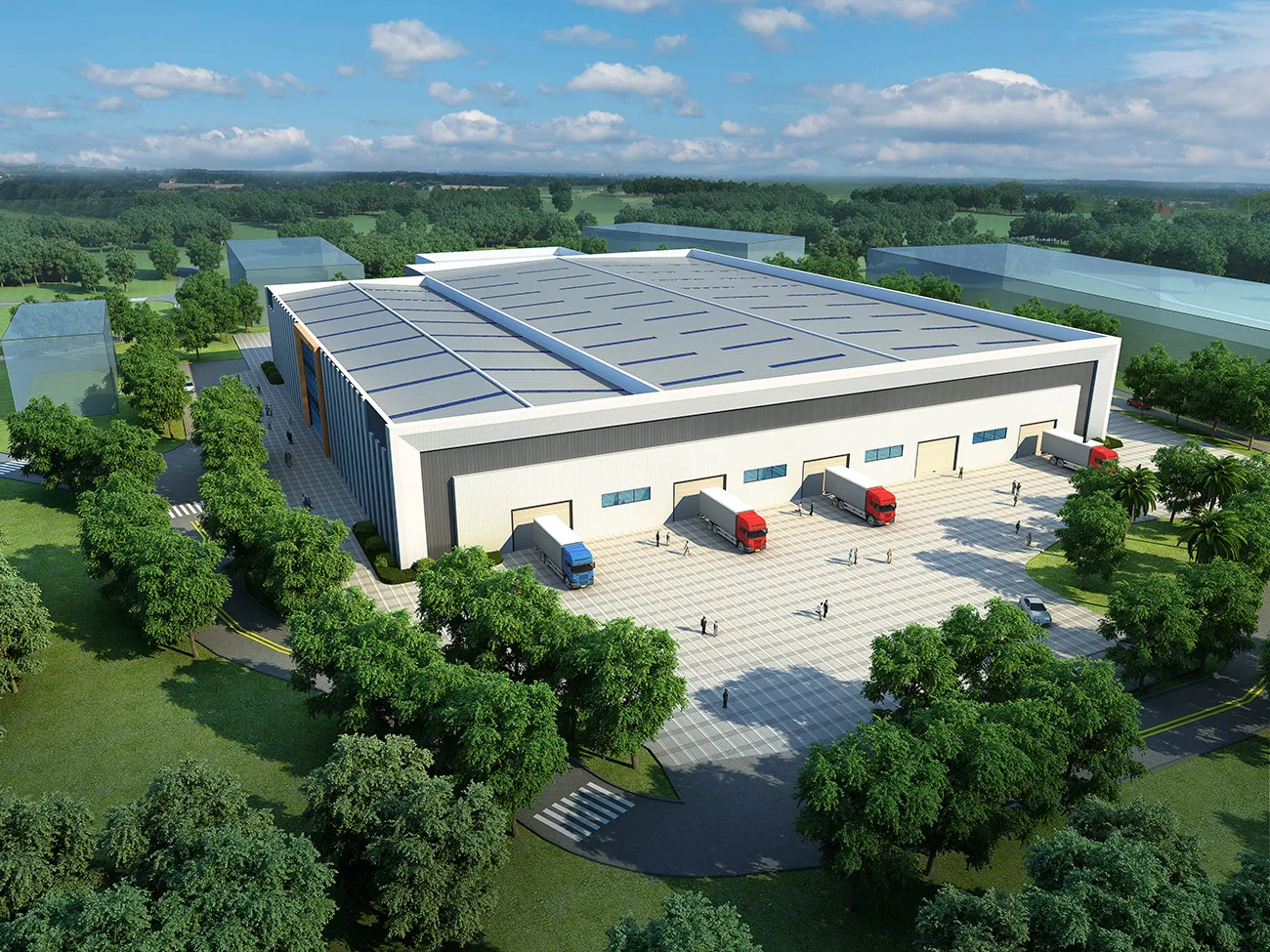
Steel Warehouse Solutions
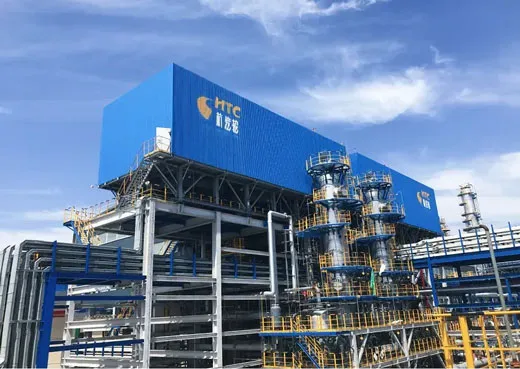
Heavy Steel Structures for Equipment
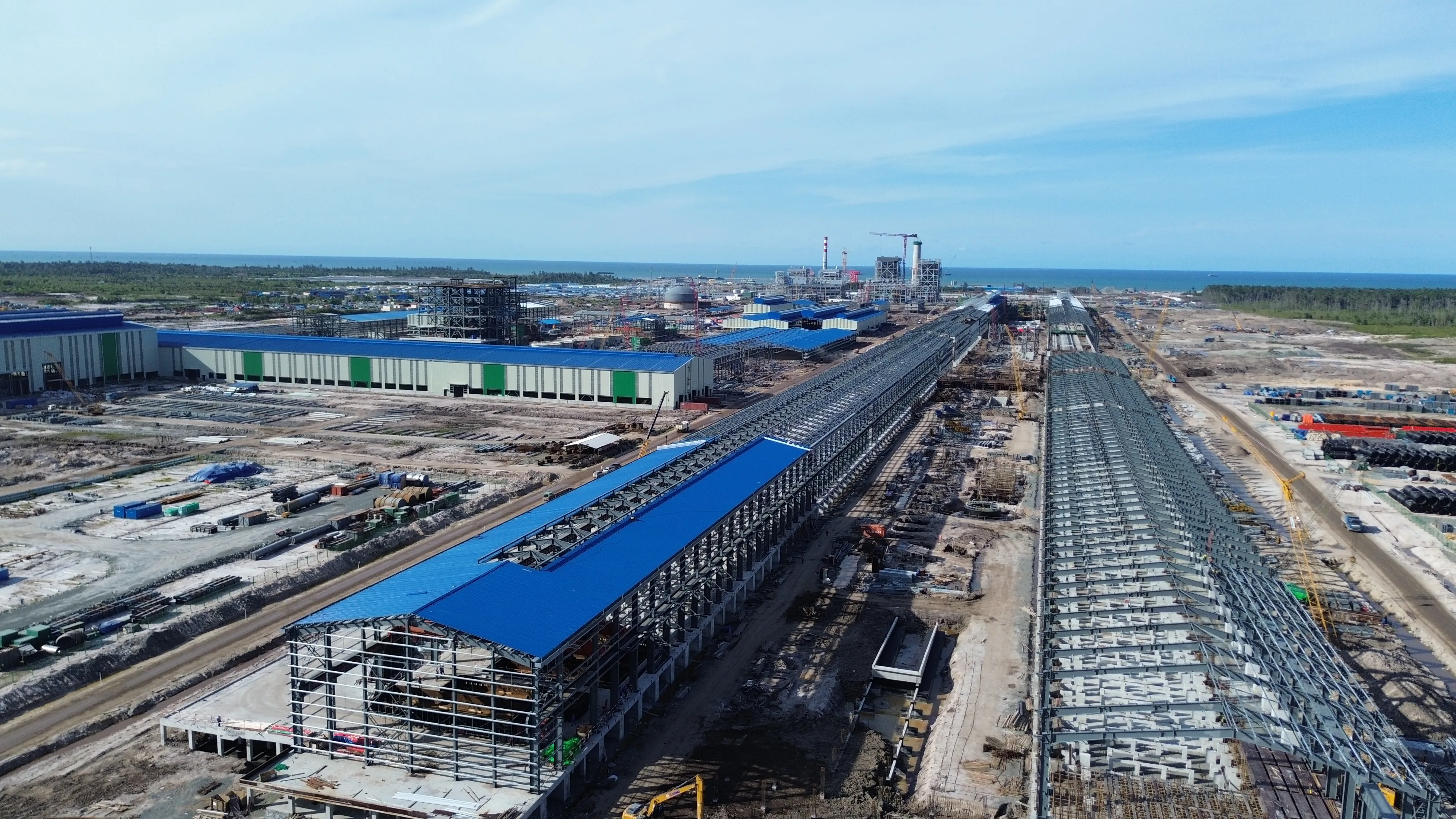
Indonesia North Kalimantan Aluminum Plant Project
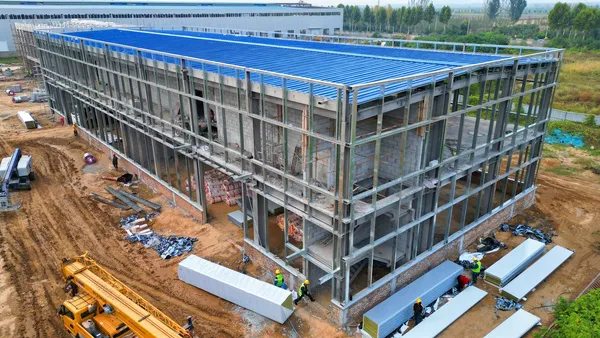
Steel Structure Factory and Warehouse Project for a Material Processing Production Base
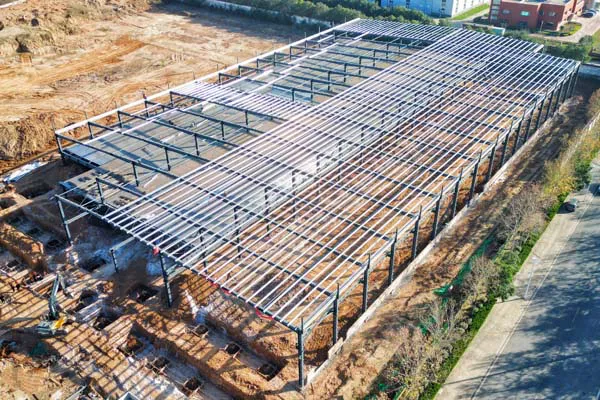
Luoyang Haode Auto Parts Steel Structure Factory Project
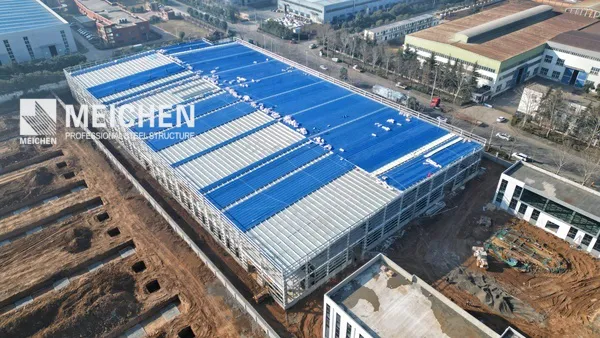
Automated Glass Production Line Steel Structure Factory Building Project
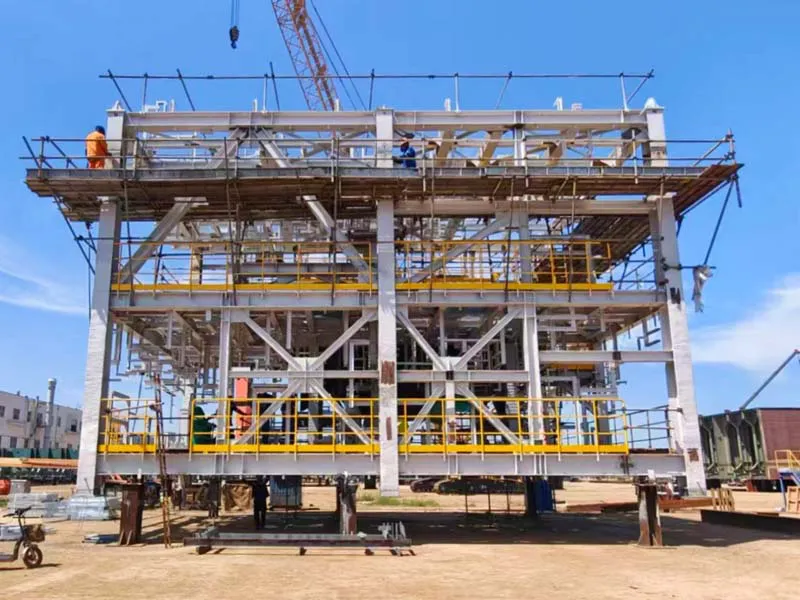
Oil & Gas Modular Steel Structure Fabrication Project