Time:2026-10-05 03:10:41 Source:Sanjian Meichen Steel Structure
Industrial expansion demands speed, scalability, and cost control—three factors that traditional construction often fails to deliver. Modular steel buildings have emerged as a game-changing alternative, enabling businesses to add capacity in months rather than years while maintaining structural integrity and flexibility. This shift is not merely a trend; it represents a fundamental rethinking of how industrial space is created, and companies like MeiChen Steel are at the forefront of engineering these solutions. Understanding why modular steel buildings are revolutionizing industrial expansion can help decision-makers evaluate whether this approach aligns with their growth strategies.
Manufacturing, logistics, and energy sectors face relentless pressure to scale quickly. Supply chain disruptions, fluctuating demand, and the rise of e-commerce have made agility a competitive imperative. Traditional site-built construction—with its permitting delays, weather dependencies, and labor shortages—often creates bottlenecks that hamper growth. Modular steel buildings address these pain points by shifting most fabrication off-site into controlled factory environments, where production runs parallel to site preparation. This parallel process can cut overall project timelines by 30% to 50% compared to conventional methods, a critical advantage when market windows are narrow.
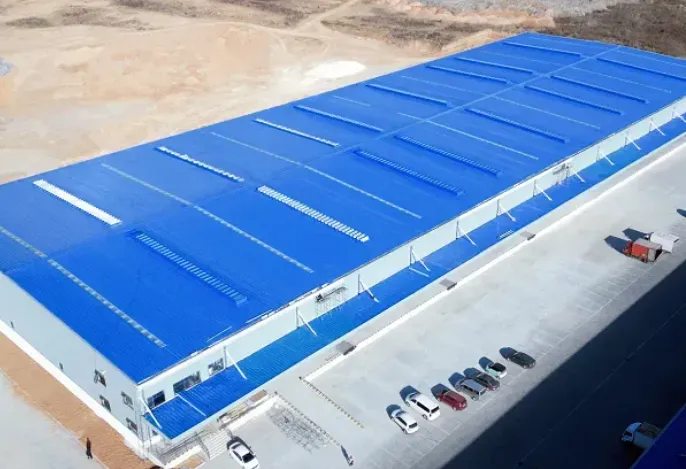
Unlike stick-built structures, modular steel buildings are composed of prefabricated sections—walls, roof panels, and integrated systems—manufactured to precise specifications in a factory. These modules are then transported to the site and assembled rapidly. The process reduces waste, improves quality control, and eliminates many of the variables that slow down traditional builds. MeiChen Steel specializes in designing modules that can be customized to fit specific industrial layouts, from warehouse expansions to multi-story production facilities.
Industrial requirements rarely stay static. A building that works for today’s production line may need reconfiguration next year. Modular steel systems are inherently adaptable: non-load-bearing walls can be repositioned, modules can be added or removed, and the open-span design allows for large, column-free interiors. This flexibility reduces long-term capital risk and supports continuous process improvement—a key reason why forward-thinking facility managers are embracing modular approaches.
The revolution in industrial expansion is driven by measurable benefits that go beyond speed. Below is a comparison between modular steel buildings and conventional construction across critical decision factors:
Some decision-makers worry that modular buildings look utilitarian or limited in design. In reality, modern modular steel structures can incorporate architectural features, insulation systems, and finishes that match or exceed traditional buildings. Additionally, financing and permitting are often streamlined because modular systems comply with recognized building codes (IBC, ASTM, AISC) just as site-built structures do. MeiChen Steel provides engineering documentation and third-party certifications to ensure seamless approval processes.
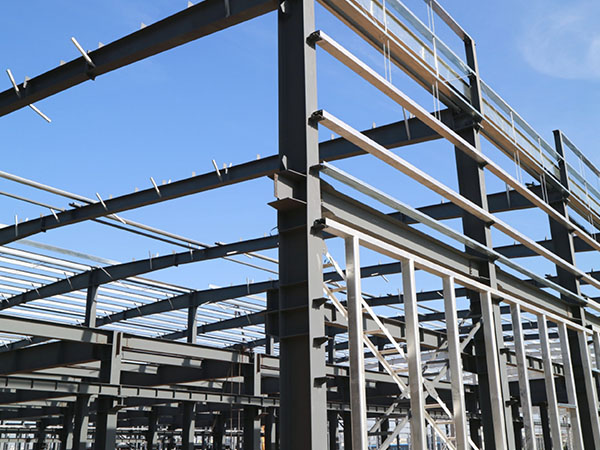
Modular steel buildings are already reshaping diverse sectors. In warehousing and distribution, companies use them to add high-bay storage rapidly near major hubs. In manufacturing, they serve as clean rooms, assembly lines, and testing facilities that can be reconfigured as product lines evolve. In the energy sector, modular buildings house control rooms, equipment shelters, and crew quarters for remote sites where on-site construction is impractical. Even heavy industries like automotive are adopting modular expansions to minimize downtime during plant upgrades.
One notable example involves a logistics firm that needed a 120,000 sq ft distribution center in less than six months. Using a conventional approach, the timeline would have exceeded 14 months. By partnering with MeiChen Steel on a modular solution, the facility was operational in five months, incorporating climate-controlled zones, dock levelers, and integrated fire suppression—all while staying within budget.
With over a decade of experience in prefabricated steel structures, MeiChen Steel offers end-to-end services: design, engineering, fabrication, and on-site assembly support. The company’s approach focuses on three pillars:
By choosing MeiChen Steel, industrial expanders gain a partner who understands both the technical and business dimensions of modular construction—ensuring that the revolution in expansion is not just a promise but a practical reality.

Yes. Steel is inherently strong and durable, and modular buildings are engineered to meet or exceed the same building codes as site-built construction. Many modular steel buildings are designed to withstand high wind loads, seismic activity, and heavy snow loads.
Absolutely. One of the primary advantages is scalability. Additional modules can be added, and existing walls can be relocated to enlarge or reconfigure the space without major structural work.
While timelines vary based on complexity, a modest industrial expansion (10,000–30,000 sq ft) can be completed in 3–6 months, including design, fabrication, and installation. Larger projects may take 8–12 months—still significantly faster than traditional construction.
Modular steel buildings are not a niche solution; they are becoming the standard for companies that prioritize speed, cost discipline, and adaptability. As industries continue to face unpredictable cycles, the ability to deploy or reconfigure space in weeks rather than months provides a decisive competitive edge. MeiChen Steel stands ready to help organizations navigate this transition with proven expertise and a commitment to quality. For any industrial expansion project—whether a small addition or a multi-phase complex—the modular approach offers a clear path forward.