Time:2026-04-14 01:28:13 Source:Sanjian Meichen Steel Structure
In the chemical industry, steel structures form the backbone of plant infrastructure, supporting equipment, pipelines, storage tanks, and operational platforms. Ensuring the safety and reliability of these steel structures is paramount, not only to protect personnel and assets but also to maintain continuous production and regulatory compliance. Adhering to chemical plant steel structure safety standards has become an essential practice for engineering teams, plant managers, and construction contractors.
Chemical plants operate under conditions that include high temperatures, corrosive environments, and heavy dynamic loads. These conditions make steel structures susceptible to fatigue, corrosion, and deformation if design, fabrication, and maintenance do not strictly follow safety standards. Non-compliance can result in catastrophic incidents, such as structural collapse, chemical leaks, or fires, leading to substantial financial loss and environmental hazards. Therefore, safety standards in chemical plant steel structures serve as both a preventive measure and a benchmark for engineering excellence.
Several internationally recognized standards govern the design, fabrication, and inspection of steel structures in chemical facilities. These standards emphasize structural integrity, load-bearing capacity, and resistance to environmental challenges. Among them, the following are critical:
Design Codes and Load Requirements
Design codes such as ASCE 7 and Eurocode 3 specify minimum load requirements, including dead loads, live loads, wind loads, seismic forces, and thermal stresses.
Chemical plant steel structures must be designed to withstand these forces with a significant safety margin. Engineers must calculate load distribution accurately to prevent overstressing beams, columns, or bracing systems.
Material Specifications
Steel used in chemical plants must comply with ASTM or EN material standards, ensuring appropriate mechanical properties such as yield strength, ductility, and corrosion resistance. In highly corrosive environments, the use of weathering steel, stainless steel, or coated steel surfaces is recommended. Proper material selection directly impacts long-term structural stability and maintenance costs.
Welding and Fabrication Standards
Fabrication quality is a crucial aspect of steel structure safety. Standards such as AWS D1.1 and ISO 3834 define requirements for welding procedures, weld quality, and inspection. Poor welding can introduce weak points, leading to fatigue failures under cyclic loading. Qualified welders, certified inspection processes, and non-destructive testing methods (e.g., ultrasonic or radiographic inspection) are essential to maintain compliance.
Corrosion Protection and Maintenance
Chemical plant environments often accelerate steel corrosion due to exposure to acids, alkalis, and other chemicals. Safety standards require protective coatings, galvanization, or cathodic protection systems. Regular inspections, preventive maintenance, and timely repainting or treatment of affected areas ensure long-term durability and prevent structural degradation.
Seismic and Fire Safety Considerations
In regions prone to earthquakes, steel structures must meet seismic design requirements, including ductility, joint reinforcement, and energy dissipation measures.
Fire safety standards mandate the use of fire-resistant coatings, thermal insulation, and compartmentalization to protect structural elements from high temperatures that can compromise load-bearing capacity.
Periodic Inspection and Certification
Safety standards emphasize regular inspections and structural health monitoring. Certified structural engineers must assess critical elements such as load-bearing columns, support beams, and bracing systems. Non-compliance or signs of fatigue must be addressed immediately, ensuring that the plant continues to operate safely.
To effectively implement steel structure safety standards, chemical plants should adopt a holistic approach:
Integrated Design and Review: Engage multidisciplinary teams during design to consider mechanical, chemical, and operational factors. Peer reviews and third-party audits help identify potential risks.
Training and Qualification: Ensure that construction teams, welders, and inspectors are adequately trained and certified according to international standards.
Documentation and Traceability: Maintain detailed records of material certifications, welding logs, inspection reports, and maintenance activities. This documentation supports regulatory compliance and enables rapid response during audits or emergencies.
Continuous Monitoring: Employ structural health monitoring systems, including sensors for load, vibration, and corrosion detection, to proactively identify issues before they become critical.
The safety of steel structures in chemical plants cannot be overstated. By strictly adhering to chemical plant steel structure safety standards, companies can safeguard employees, protect expensive equipment, and ensure uninterrupted operations. Design codes, material selection, welding quality, corrosion protection, and regular inspections form the pillars of a robust safety framework. Chemical plants that prioritize these standards not only comply with regulations but also demonstrate a commitment to operational excellence and long-term sustainability.
Investing in steel structure safety today reduces the risk of accidents, costly repairs, and production downtime tomorrow. As the chemical industry continues to evolve, staying informed and proactive in implementing these standards remains a critical component of plant management and engineering practice.
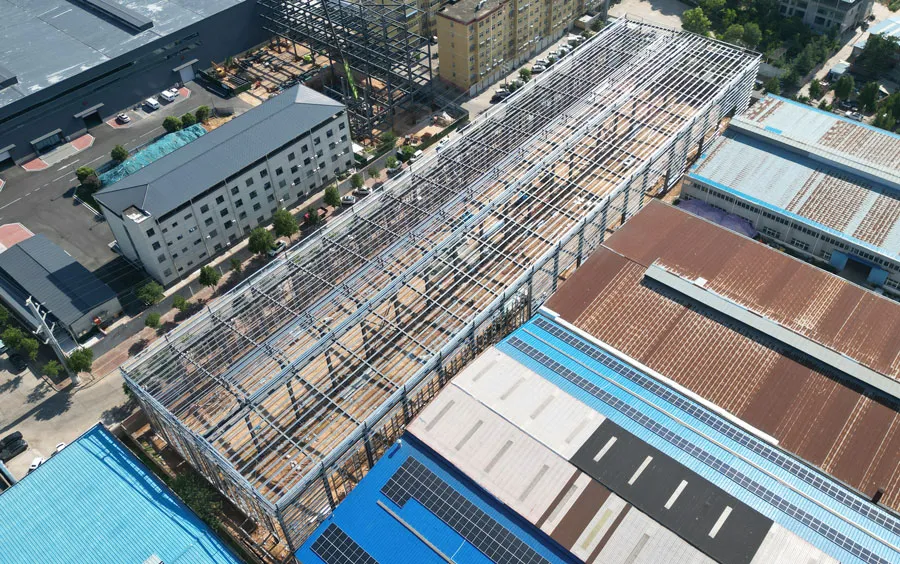
Steel Structure Workshop Solutions
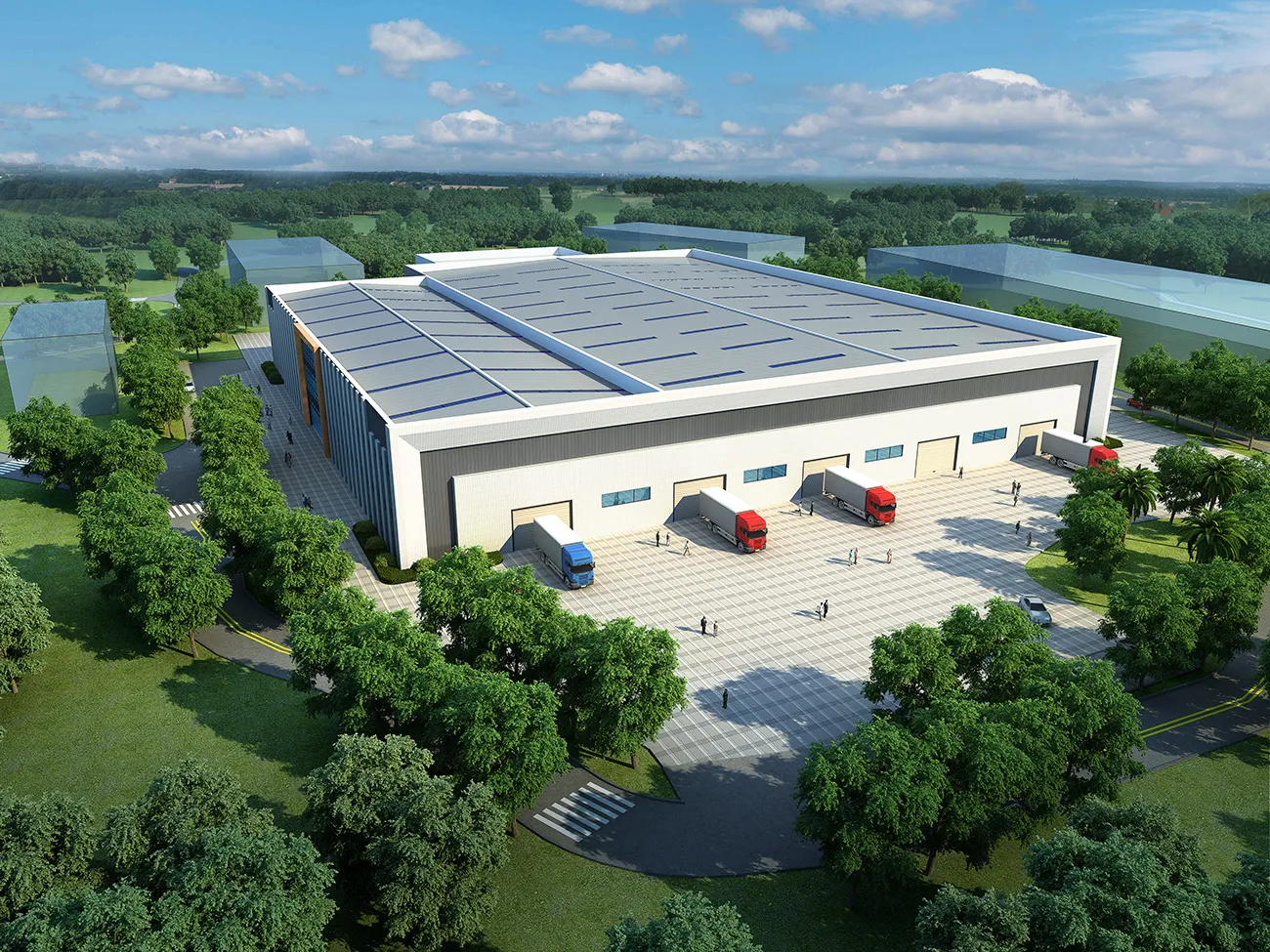
Steel Warehouse Solutions
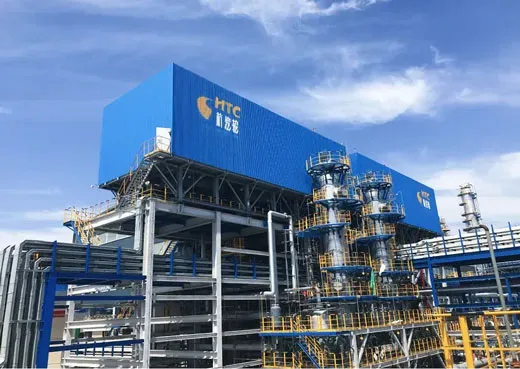
Heavy Steel Structures for Equipment
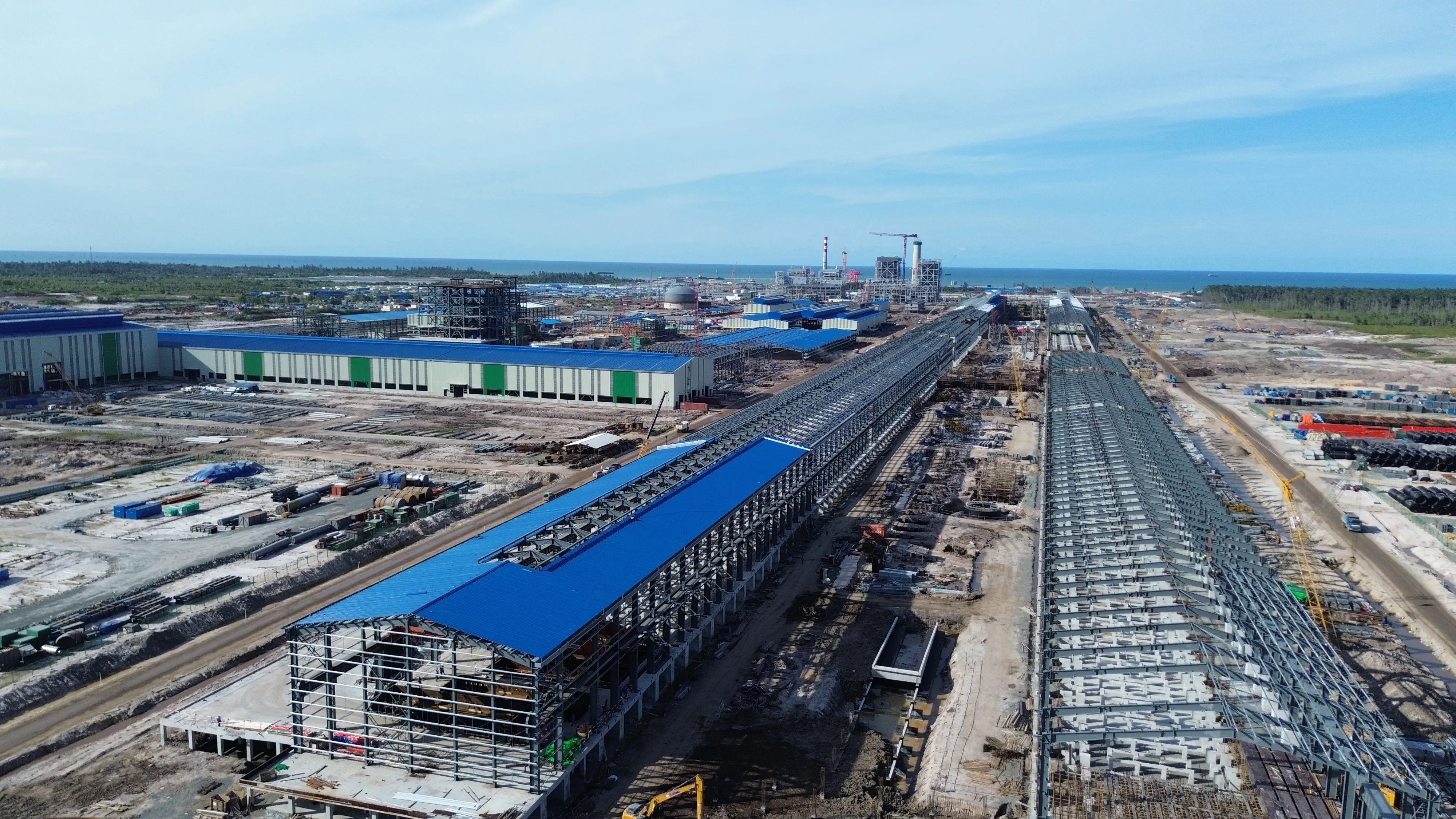
Indonesia North Kalimantan Aluminum Plant Project
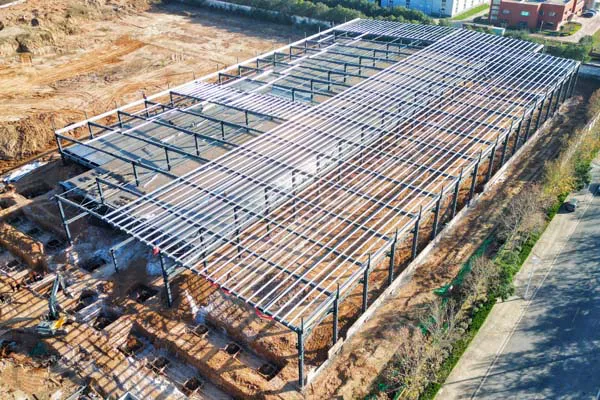
Luoyang Haode Auto Parts Steel Structure Factory Project
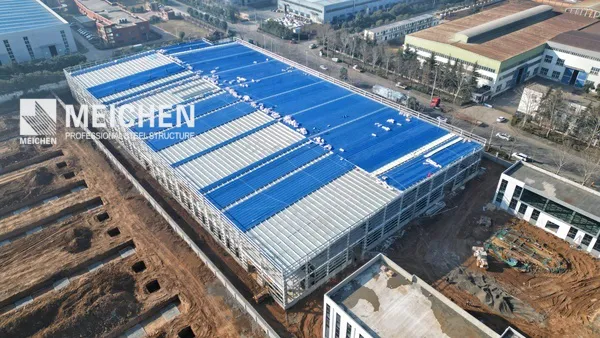
Automated Glass Production Line Steel Structure Factory Building Project
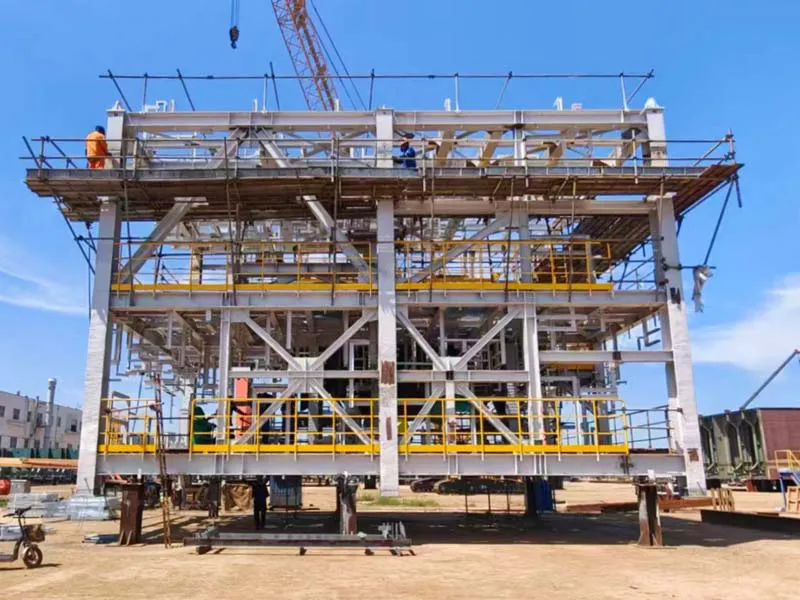
Oil & Gas Modular Steel Structure Fabrication Project
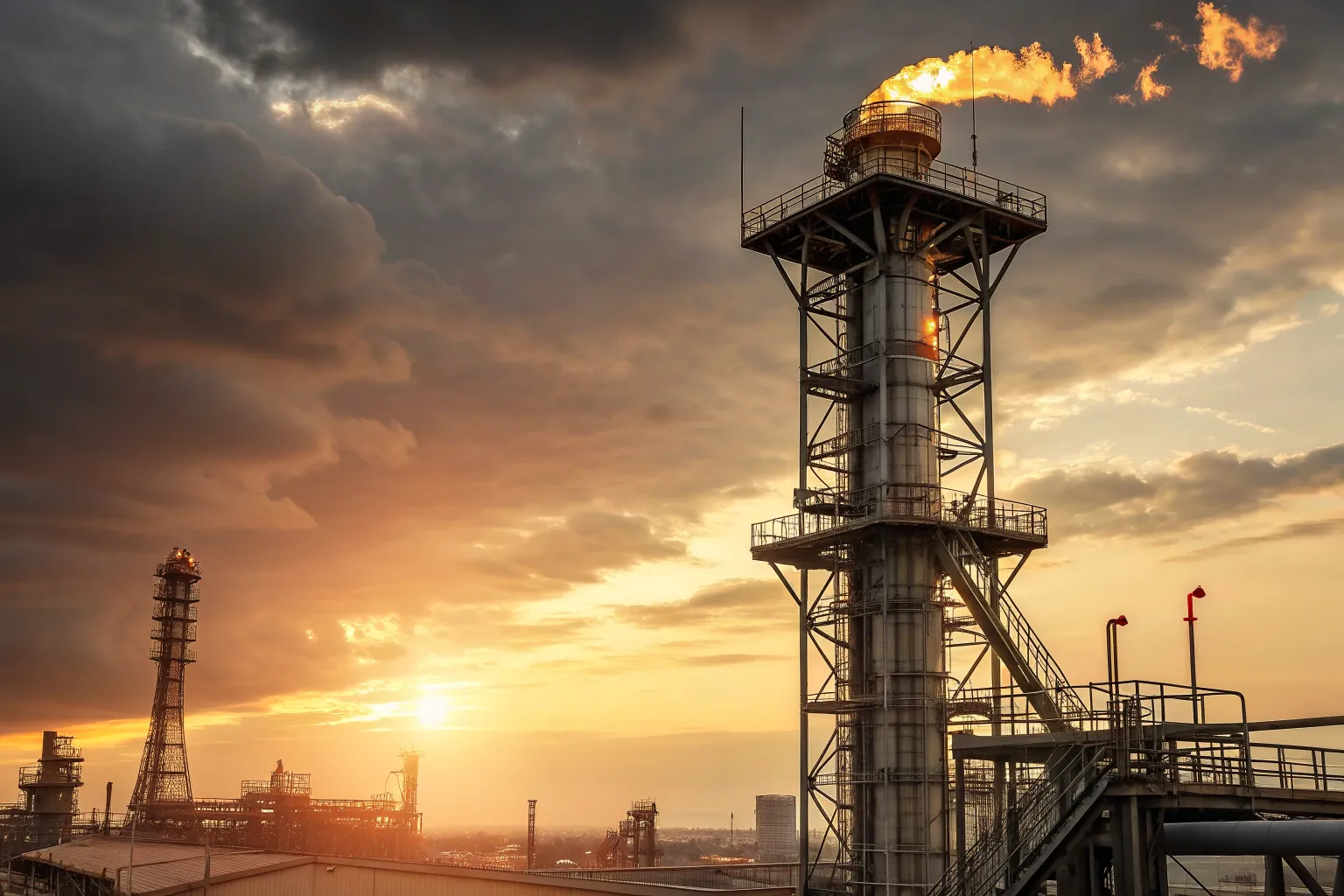
Flare Stack Structure