Time:2026-05-28 03:49:49 Source:Sanjian Meichen Steel Structure
Temperature-controlled steel warehouses play a critical role in industries such as food processing, pharmaceuticals, cold chain logistics, and precision manufacturing. While steel structures offer durability, flexibility, and fast construction, they also present a challenge: steel is highly conductive, which means it transfers heat quickly. Without proper insulation, maintaining stable internal temperatures becomes both technically difficult and financially unsustainable.
This guide explains the most effective insulation options for temperature-controlled steel warehouses, helping decision-makers choose solutions that balance thermal performance, cost, durability, and long-term operational efficiency.
A temperature-controlled warehouse is not simply a covered structure; it is a controlled environment. Insulation directly impacts:
Energy consumption and operational costs
Temperature stability and product quality
Moisture control and condensation prevention
Equipment efficiency and lifespan
Compliance with industry regulations
When insulation is poorly designed or improperly installed, companies often face rising energy bills, product spoilage, and structural issues such as corrosion caused by condensation.
Before selecting insulation materials, it is important to define project-specific requirements:
1. Target Temperature Range
Cold storage facilities require high-performance insulation compared to ambient or mildly controlled warehouses.
2. Climate Conditions
Warehouses in humid or extreme climates demand better vapor barriers and thermal resistance.
3. Energy Efficiency Goals
Stricter energy standards or sustainability targets require advanced insulation systems.
4. Budget vs Lifecycle Cost
Lower upfront costs may result in higher long-term expenses due to energy loss.
5. Fire Safety and Compliance
Certain industries require fire-resistant or non-combustible materials.
1. Sandwich Panels (PU/PIR Panels)
Polyurethane (PU) and polyisocyanurate (PIR) sandwich panels are among the most widely used insulation solutions for temperature-controlled steel warehouses.
Structure:
Two metal sheets bonded with a rigid foam core.
Advantages:
Excellent thermal insulation performance (low thermal conductivity)
Fast installation due to prefabricated design
Integrated air tightness and vapor barrier
Clean and hygienic surface, ideal for food and pharma industries
Best Applications:
Cold storage, refrigerated warehouses, clean rooms
Considerations:
PIR panels provide better fire resistance than PU panels, making them a safer option in high-risk environments.
2. Rock Wool (Mineral Wool) Insulation
Rock wool is a fibrous material made from natural stone, widely used for its fire-resistant properties.
Advantages:
Non-combustible and excellent fire resistance
Good acoustic insulation
Stable performance under high temperatures
Limitations:
Lower thermal insulation performance compared to PU/PIR
Requires additional vapor barriers in humid environments
Heavier material increases structural load
Best Applications:
Warehouses with high fire safety requirements or combined thermal and acoustic needs
3. Glass Wool Insulation
Glass wool is another fibrous insulation material made from recycled glass.
Advantages:
Cost-effective solution
Lightweight and easy to install
Good thermal and acoustic insulation
Limitations:
Moisture sensitivity requires proper sealing
Lower durability compared to rigid foam systems
Best Applications:
Ambient temperature warehouses or projects with tight budgets
4. Spray Foam Insulation (SPF)
Spray polyurethane foam is applied directly onto surfaces, expanding to fill gaps and create a seamless insulation layer.
Advantages:
Excellent air sealing and thermal performance
Eliminates thermal bridges
Suitable for complex structures and retrofitting
Limitations:
Requires skilled application
Higher initial cost
Difficult to remove or modify after installation
Best Applications:
Irregular steel structures, renovation projects, or areas with high air leakage risk
5. Reflective Insulation (Radiant Barriers)
Reflective insulation uses aluminum foil surfaces to reflect radiant heat rather than absorb it.
Advantages:
Effective in hot climates
Lightweight and easy to install
Works well when combined with other insulation systems
Limitations:
Limited effectiveness in cold storage applications
Requires proper air gaps for performance
Best Applications:
Warehouses in hot climates where solar heat gain is a concern
In many cases, a single insulation material cannot meet all performance requirements. Hybrid insulation systems often deliver better results:
Sandwich panels + spray foam: enhanced airtightness
Rock wool + vapor barrier: improved fire resistance and moisture control
Reflective insulation + bulk insulation: optimized thermal performance in hot climates
A well-designed combination reduces thermal bridging, improves energy efficiency, and extends the building’s lifespan.
Temperature-controlled warehouses are highly vulnerable to condensation. When warm, moist air meets cold surfaces, water forms and can lead to:
Mold growth
Corrosion of steel structures
Reduced insulation performance
To prevent these issues, insulation systems must include:
Continuous vapor barriers
Proper sealing of joints and penetrations
Controlled ventilation systems
Ignoring moisture control often leads to costly repairs and operational disruptions.
Installation Quality: The Deciding Factor
Even the best insulation materials will fail if installation quality is poor. Common mistakes include:
Gaps between panels
Improper sealing
Thermal bridging at structural connections
Inadequate vapor barrier continuity
Working with experienced contractors and implementing strict quality control during installation is essential for achieving expected performance.
Energy Efficiency and ROI
Investing in high-quality insulation delivers measurable returns:
Reduced energy consumption (often 20–50%)
Lower HVAC system load and maintenance costs
Improved temperature consistency
Enhanced product safety and compliance
Although premium insulation systems require higher upfront investment, they typically offer faster payback through operational savings.
The industry is evolving toward smarter and more sustainable solutions:
High-performance PIR panels with improved fire ratings
Eco-friendly insulation materials with lower carbon footprint
Integrated building envelope systems for airtight construction
Digital monitoring of thermal performance
Companies that adopt these innovations gain a competitive advantage through lower operating costs and improved sustainability credentials.
Choosing the right insulation for a temperature-controlled steel warehouse is not a one-size-fits-all decision. It requires a clear understanding of operational needs, environmental conditions, and long-term cost considerations.
Sandwich panels remain the preferred choice for most temperature-controlled environments due to their balance of performance and efficiency, while materials like rock wool and spray foam offer specialized advantages in fire safety and airtightness.
Ultimately, the success of any insulation system depends on thoughtful design, proper material selection, and high-quality installation. By investing in the right solution, businesses can achieve stable temperature control, reduce energy costs, and ensure long-term operational reliability.
If you are planning a temperature-controlled steel warehouse project, evaluating insulation options early in the design phase will help you avoid costly modifications later and ensure your facility performs as expected from day one.
Steel Structure Workshop Solutions
Steel Warehouse Solutions
Heavy Steel Structures for Equipment
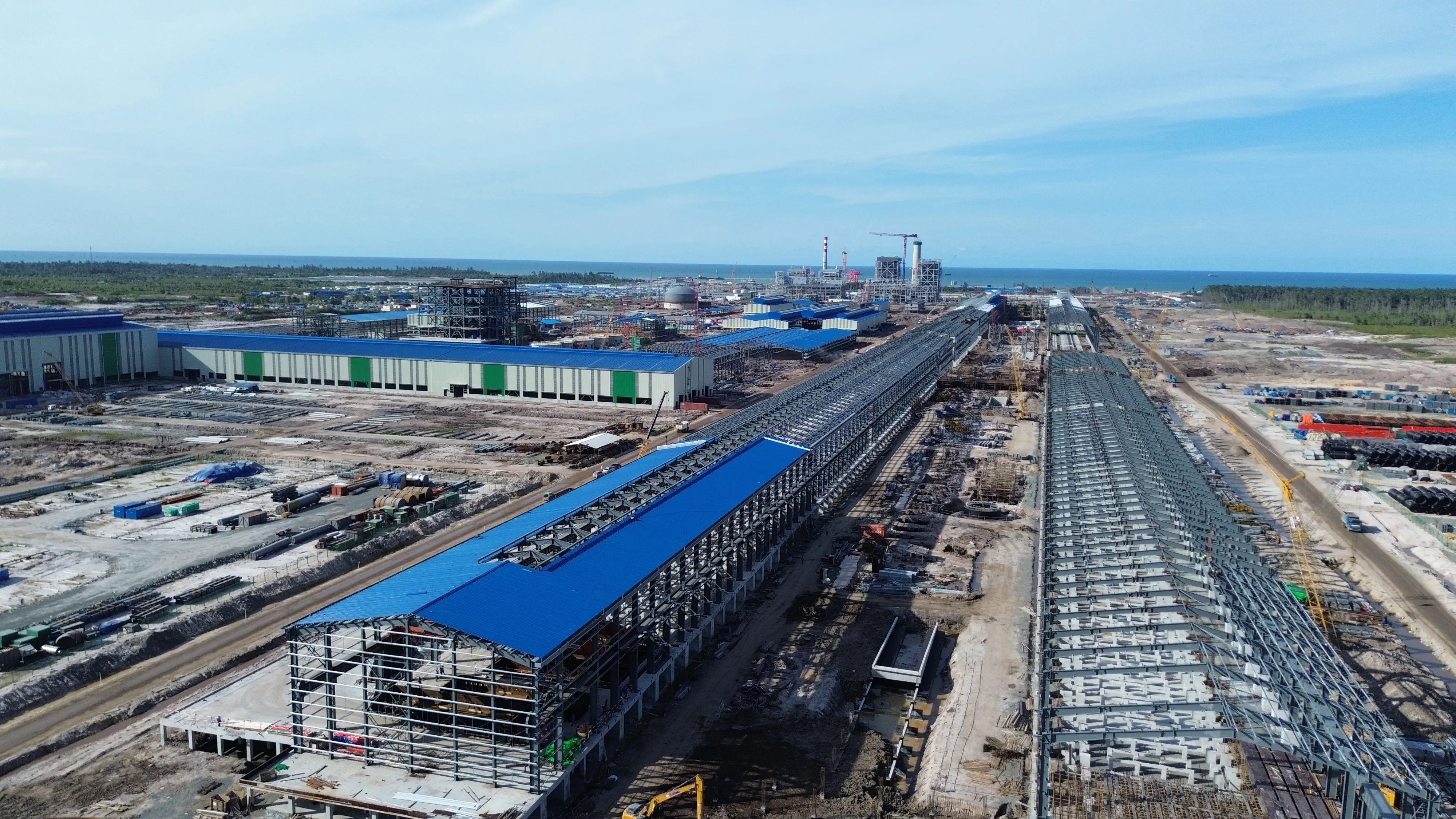
Indonesia North Kalimantan Aluminum Plant Project
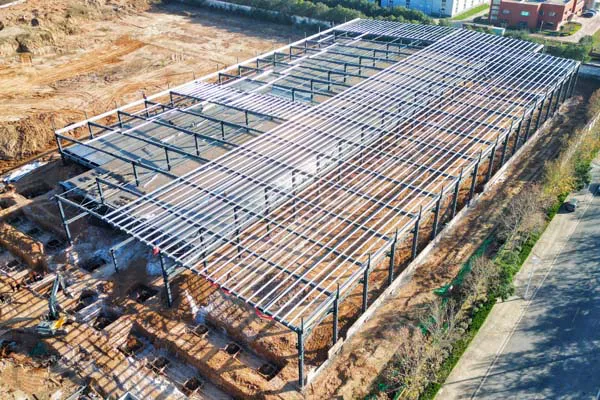
Luoyang Haode Auto Parts Steel Structure Factory Project
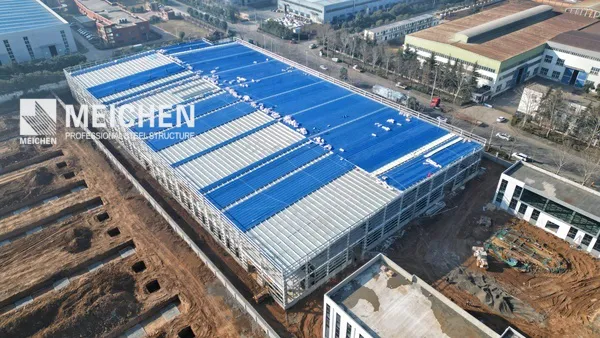
Automated Glass Production Line Steel Structure Factory Building Project
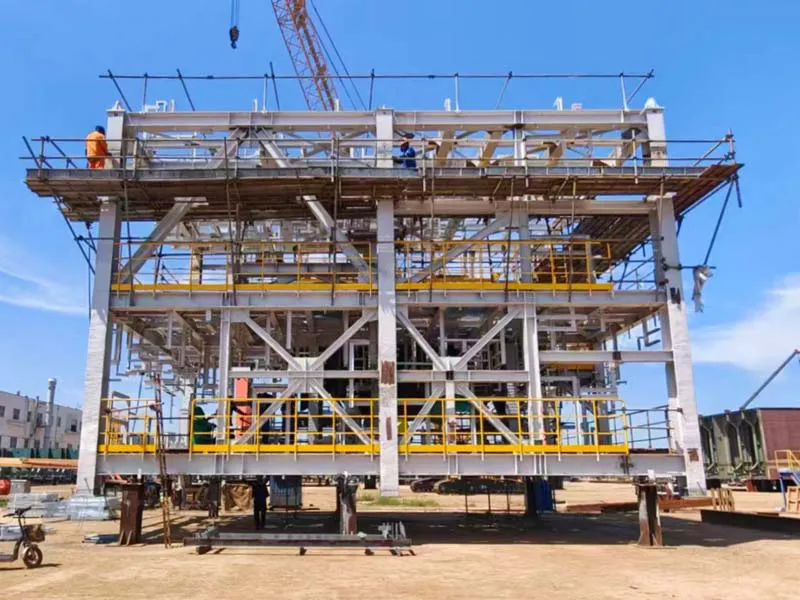
Oil & Gas Modular Steel Structure Fabrication Project

Flare Stack Structure