Time:2026-10-16 05:29:04 Source:Sanjian Meichen Steel Structure
A steel structure warehouse sounds simple until the wrong fabricator bids it. The problem shows up after award: delays, NCRs, and scope fights. That drives risk and cost. The fix is not to chase the lowest number; it is to match supplier type to industrial requirements and verify what they can legally deliver.
To source a steel structure warehouse for industrial use, start by matching supplier type to industrial standards, not price. Verify EN 1090 EXC3 and ISO 9001, confirm welding procedures and traceability, and require evidence of similar projects. Low quotes often exclude mandatory EPC deliverables. Choose the fabricator who proves risk control, not the one who simply underbids.
Most buyers already know the basics. The difference is in the hidden variables that make or break industrial delivery. I will break down the common failure points I see when teams source a steel structure warehouse and show how to avoid them with simple, verifiable checks.
Many buyers assume any steel shop can make a steel structure warehouse. Then non-standard joints, heavy welds, and QA demands show up and the “building steel” shop struggles. That mismatch drives change orders and schedule slips. The fix is to align the supplier type with industrial scope and complexity early.
A steel structure warehouse for industrial plants requires a fabricator specialized in heavy, non-standard industrial structures. Look for welded H-beams, box columns, and equipment platforms experience, plus EN 1090 EXC3. General building steel shops often lack welding qualifications, traceability, and inspection systems needed for petrochemical or EPC acceptance.
In my experience, supplier type mismatch is the highest-frequency mistake. I have seen price lists that looked identical, yet the real capability gap showed up under load: welded box columns with tight tolerances, odd geometry trusses, or equipment support interfaces that required controlled welding and ultrasonic testing. Building frame shops could not sustain the weld quality or documentation beyond the first inspection hold.
I use a simple comparison table during screening:
| Criteria | Building Steel Fabricator | Industrial Steel Fabricator |
|---|---|---|
| Typical scope | Standard frames, beams | Heavy welded H-beams, box columns, equipment platforms |
| Certifications | Often ISO 9001 only | ISO 9001 + EN 1090 EXC3 (or equivalent) |
| NDT capability | Limited | UT/MT as per ITP, in-house or managed |
| Documentation | Basic delivery notes | Full traceability, ITPs, mill certs, QA records |
| Tolerance management | Moderate | Tight tolerances for module fit-up |
| Third-party inspection | Occasional | Routine with EPC workflows |
When I ask suppliers about previous petrochemical jobs, I listen for specifics: tonnage, inspection gates, and how they handled deviations. Suppliers that can name EPC contractors, describe SA2.5 shot blasting, and discuss UT reports usually deliver smoother projects. Suppliers like MEICHEN STEEL STRUCTURE clearly position themselves in this industrial category—welded H-beams, box columns, and complex frames for petrochemical sites—because that is where their systems fit.
The market is full of logos. Some matter; some do not mitigate risk. I have seen projects blocked during engineering review because the supplier had ISO 9001 but lacked EN 1090 EXC3. That caused re-bidding when the clock was already ticking. It is avoidable with early certification checks.
A steel structure warehouse for industrial use should be sourced from a fabricator with ISO 9001 and EN 1090 EXC3 (or equivalent regional standard). ISO 9001 shows a quality system exists. EN 1090 EXC3 shows legal ability to fabricate high-risk structures with controlled welding and traceability. Always request the certificate scope and validity.
I am not a welding engineer, and I do not pretend to be. I focus on what EPC contractors ask for:
I once shortlisted a supplier with only ISO 9001 because their price was compelling. The EPC QA team rejected them in vendor document review. We lost two weeks and had to re-issue. Since then, I build certification checks into the RFQ pack. Suppliers like MEICHEN, with EN 1090 EXC3 and ISO 9001, make this much smoother. Still, I always tell buyers: do not accept claims—ask for the PDFs and verify dates and scope.
Low quotes feel like savings, but many hide exclusions that are not optional in industrial contexts. I have seen “price differences” that actually transferred risk to buyers: no UT, no third-party inspection, no export-grade packaging, and no documentation beyond packing lists. That creates cost blowouts later.
A low quote for a steel structure warehouse often excludes mandatory EPC deliverables like UT, ITP coordination, traceability, and export-grade packaging. The real price emerges post-award as change orders. Compare inclusions line-by-line and treat missing QA/QC items as risk transfer, not efficiency.
I learned to ask three simple questions before shortlisting a “cheap” bid:
Typical tripwires include:
I often build an “inclusions matrix” in the RFQ:
When I compare quotes on that basis, the “cheapest” often turns mid-pack. One supplier might seem 10% cheaper but exclude UT, which could add 3–5% easily. Another might skimp on documentation that later blocks site acceptance. Suppliers who work routinely in EPC environments price these realities upfront. In my experience, MEICHEN’s quotes include UT, SA2.5 blasting, and traceability as baseline line items because they know these are not optional. That transparency reduces surprises.
Sourcing confidence is not about long pitches. It is about evidence that matches your project’s demands. I have avoided painful delays by asking for specific proof: fit-up tolerances from past jobs, photos of inspection hold points, and sample ITPs. Small proofs prevent big surprises.
Ask for practical evidence before awarding a steel structure warehouse contract: sample ITPs, UT reports, traceability records, and photos of welded H-beams or box columns from similar projects. Confirm capacity (tons/month), previous project tonnage, and a named QA contact. This proof closes the gap between claims and capability.
I keep my pre-award proof list short but sharp. These items consistently correlate with smoother project delivery:
When suppliers struggle to provide this, I assume we will struggle together later. When they deliver it quickly, I feel confident. With MEICHEN STEEL STRUCTURE, I have received a full set in a day: EN 1090 EXC3 certificate, ISO 9001, SA2.5 blasting photos, and ultrasonic test records. Even then, I tell buyers to verify externally. That extra five minutes protects your schedule.
Finally, I confirm who will run point during execution. A named QA manager, a project engineer, and a logistics contact save time later. If you do nothing else, request those three names before award.
An industrial steel structure warehouse must meet stricter welding, traceability, and inspection requirements. It often includes heavy welded sections, equipment interfaces, and EPC-level documentation. A general building warehouse focuses more on cost and speed, with lighter QA/QC and fewer non-destructive tests.
In my experience, most petrochemical and industrial projects expect EN 1090 EXC3 or a comparable regional standard for legal compliance. Always verify your project specification. If your EPC contractor requires EXC3, a supplier with only ISO 9001 will likely be rejected during document review.
Suppliers exclude UT to lower headline prices. In EPC projects, UT on certain welds is mandatory. If UT is missing, you will face change orders and delays. Treat absent UT as risk transfer. Request UT scope, rates, and sample reports before shortlisting.
Ask for a sample traceability pack: a heat-number matrix linking mill certificates to parts, weld maps, and final piece marks. Check for consistency and completeness. If they cannot produce a clean sample quickly, expect documentation struggles later.
Capacity should match your schedule. For large projects, I look for multi-line factories with thousands of tons per month throughput, automated welding, and enough inspectors. A facility covering 70,000+ square meters with five lines can typically handle heavy industrial schedules more reliably.
Sourcing a steel structure warehouse is not a price race; it is a risk decision. The winners verify supplier type, certifications like EN 1090 EXC3 and ISO 9001, and evidence of industrial delivery. They treat low quotes with caution and compare inclusions, not just numbers. If you want a partner built for industrial risk, contact MEICHEN STEEL STRUCTURE. Let’s align your steel structure warehouse scope with a fabricator who can deliver it right the first time.
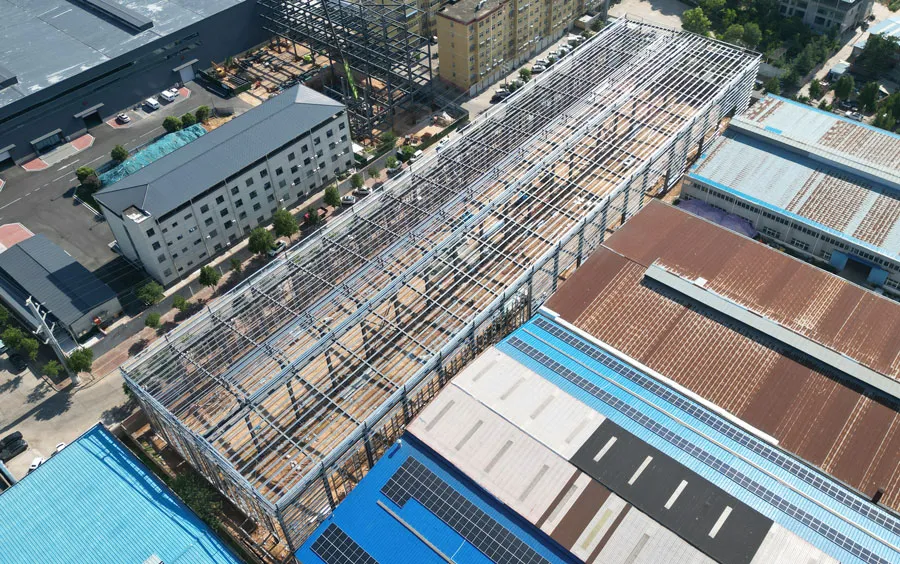
Steel Structure Workshop Solutions
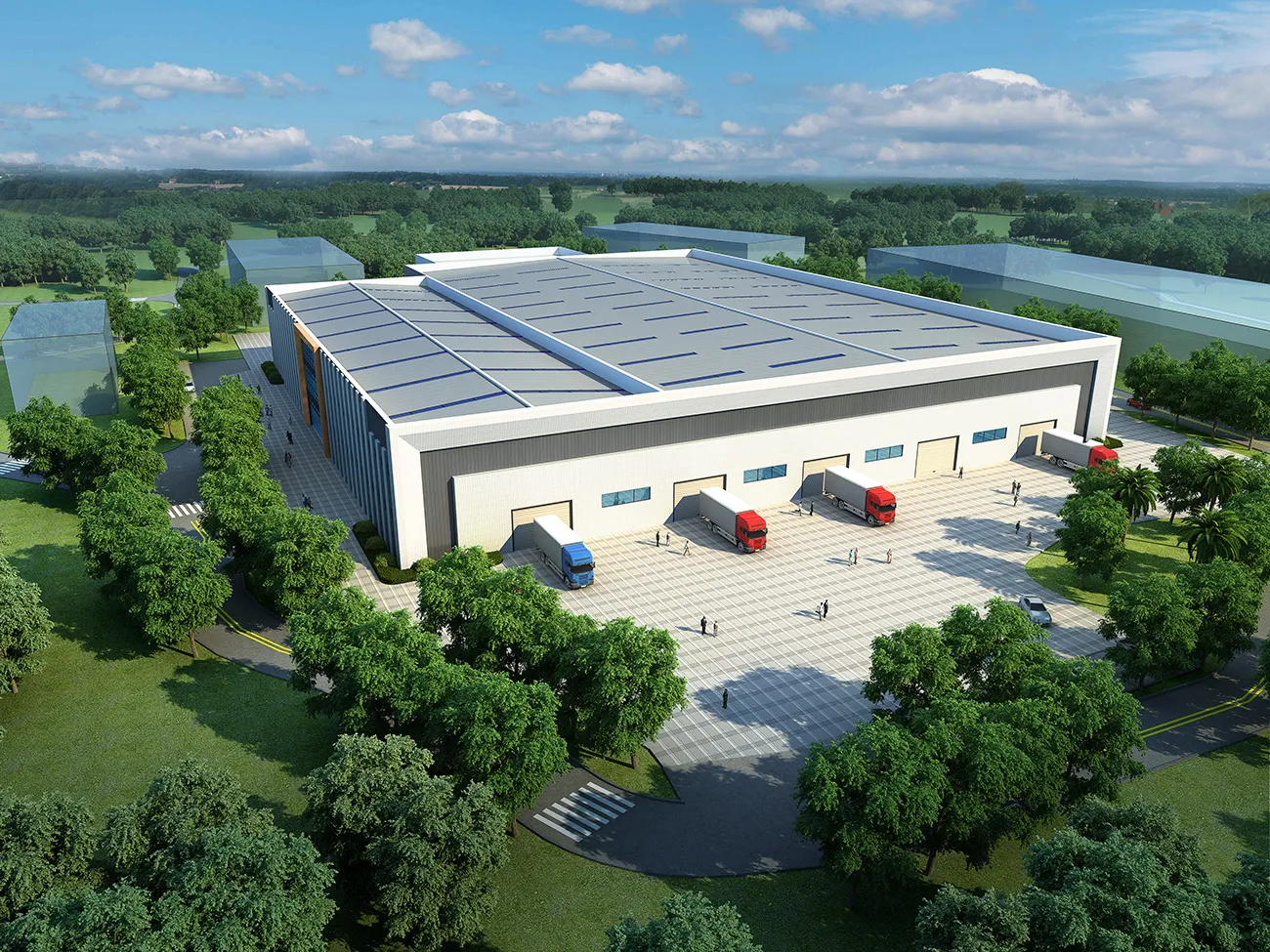
Steel Warehouse Solutions
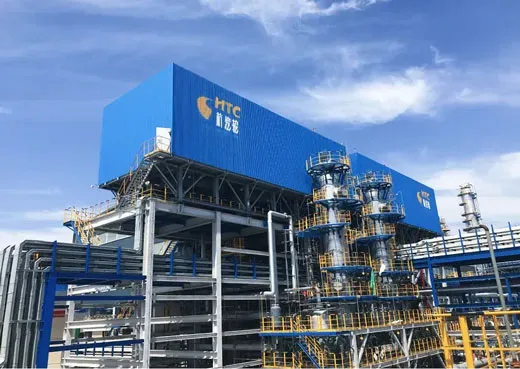
Heavy Steel Structures for Equipment
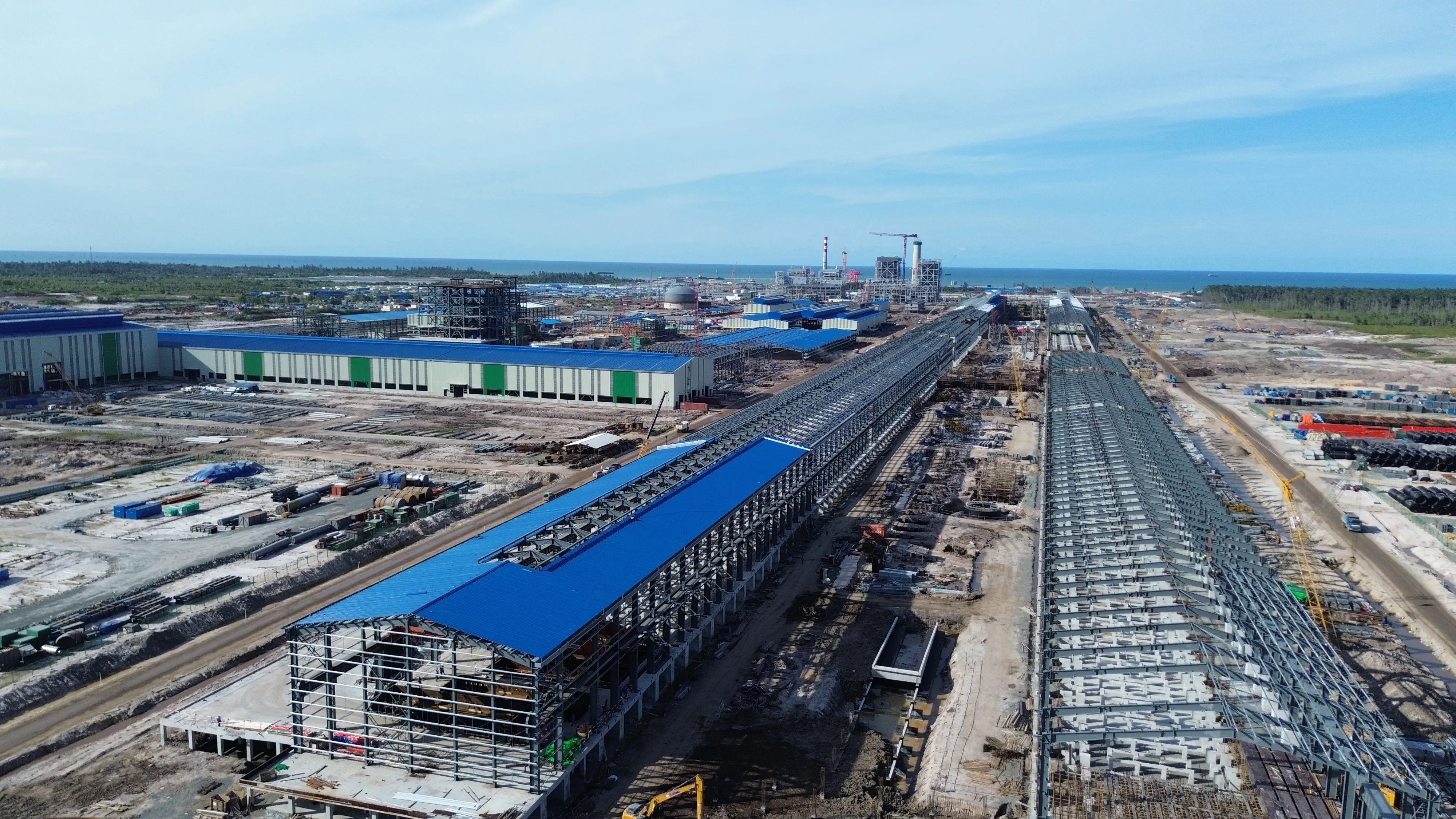
Indonesia North Kalimantan Aluminum Plant Project
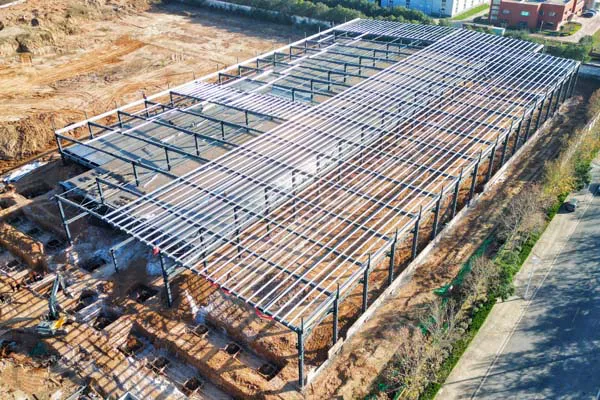
Luoyang Haode Auto Parts Steel Structure Factory Project
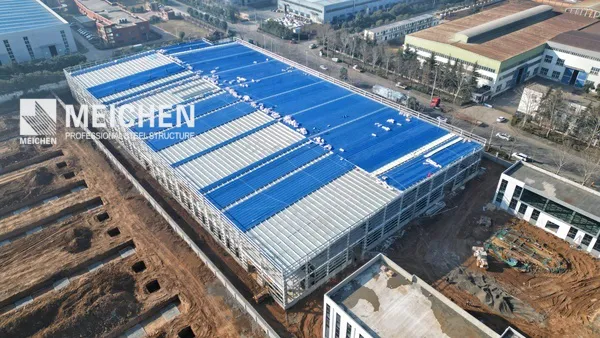
Automated Glass Production Line Steel Structure Factory Building Project
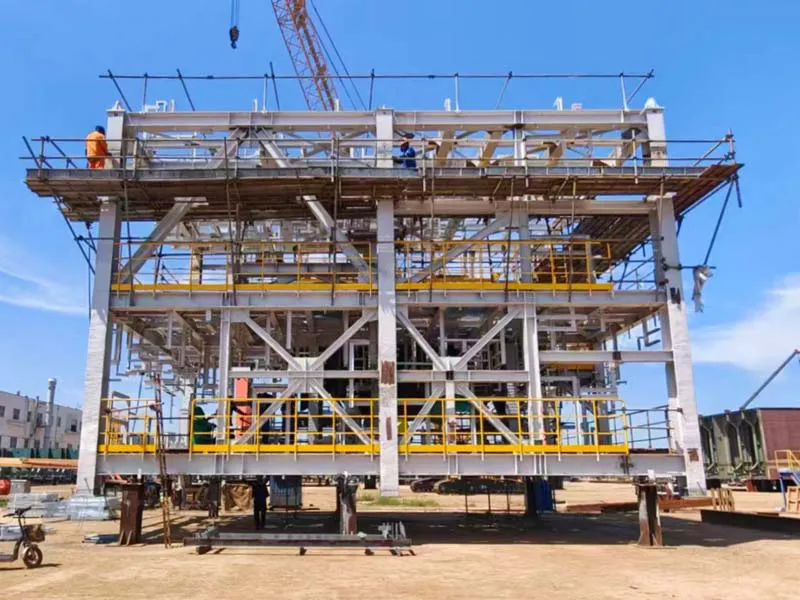
Oil & Gas Modular Steel Structure Fabrication Project

Flare Stack Structure