Time:2026-08-26 08:45:08 Source:Sanjian Meichen Steel Structure
When buyers source an industrial warehouse like a normal storage building, they often get the wrong supplier, the wrong price logic, and problems that only show up when installation starts.
To source an industrial warehouse supplier well, we need to check whether the supplier understands equipment loads, process conditions, corrosion risks, and non-standard fabrication, not just steel frames and low unit prices.
I have seen this pattern many times. A buyer sends an inquiry for an “industrial warehouse.” The drawing looks simple. The request focuses on span, height, and steel tonnage. Then, a few weeks later, more details come in. There is a crane. There are equipment platforms. There is a corrosive area. There are temperature changes. At that point, the original quote no longer matches the real job. This is where many sourcing mistakes begin. The issue is not that buyers are careless. The issue is that many teams use civil building habits for industrial projects. That is normal. Still, it creates risk. If we want a warehouse that truly supports industrial operations, we need to judge suppliers by a different standard. That is what I want to share here from the manufacturing side.
A warehouse for industrial use does more than store goods. It may carry equipment, cranes, pipe supports, platforms, and harsh environmental exposure, so the supplier must engineer and fabricate for those demands.
When people outside fabrication hear “warehouse,” they often picture a large enclosed space with racks and forklifts. In industrial projects, that picture is often incomplete. A petrochemical warehouse, an energy facility warehouse, or a heavy industrial storage building may look similar from outside, but the structure behaves very differently.
We often see inquiries that were first designed for ambient storage. Later, the buyer adds a mezzanine, maintenance platform, monorail beam, or crane runway. From a procurement view, this may feel like a small revision. From a fabrication and engineering view, it can change the whole load path.
Here is a simple comparison:
| Item | Civil / Standard Storage Building | Industrial Warehouse |
|---|---|---|
| Main purpose | Store goods | Support storage plus operations |
| Typical load concern | General roof and floor loads | Equipment loads, crane loads, platform loads |
| Environment | Normal atmosphere | Heat, humidity, dust, chemicals, corrosion |
| Fabrication difficulty | Standard | Often non-standard |
| Welding requirement | Basic structural welding | May need higher execution class and tighter control |
| Surface treatment | Standard primer/paint | May need SA2.5 blasting and higher coating system |
| Risk of wrong supplier | Delays and change orders | Delays, rework, safety risk, liability |
This is why I do not like the phrase “it is just a warehouse.” In real projects, that phrase hides risk. A supplier who is good at portal frames for logistics buildings may still struggle with industrial details. We have handled inquiries where the buyer asked for “cost-effective options,” and our first question back was simple: has the crane supplier confirmed hook load and wheel load? In many cases, the answer was no. That one gap can affect beam sizing, column design, connection details, and fabrication sequencing.
So when we source an industrial warehouse, we should not ask only, “Can this supplier make steel?” We should ask, “Can this supplier make steel that works under industrial operating conditions?”
The real cost is not just steel weight. Transport, welding level, corrosion protection, engineering depth, and non-standard loads can create big price gaps between quotes that look similar at first glance.
This is one of the biggest traps in sourcing. Many buyers compare quotes by total tonnage price or by price per square meter. I understand why. It is fast, and it gives a simple comparison. But in industrial warehouse work, this method often hides the real cost drivers.
We have seen 40% to 60% price differences on projects that looked similar on the first RFQ sheet. The reason was not always supplier greed or inefficiency. The reason was usually scope depth.
For example, one supplier priced a standard frame. Another supplier priced crane runway reinforcement, heavier plate connections, SA2.5 blasting, and a coating system for a corrosive area. On paper, the second supplier looked expensive. In reality, the second supplier may have been the only one pricing the actual project.
Here are some common price triggers:
| Cost driver | What buyers often assume | What actually happens in industrial projects |
|---|---|---|
| Heavy section transport | Delivery is routine | Long or heavy members may need special transport and lifting |
| Welding | All structural welding is similar | Some jobs need more qualified welders and stricter process control |
| Surface treatment | Paint is paint | Corrosive environments need better blasting and coating systems |
| Engineering | Drawings are enough | Equipment loads and non-standard connections need more engineering time |
| Change management | Small load additions are minor | Late changes can force redesign and delay production |
I remember one petrochemical warehouse inquiry where the early documents looked like a standard steel building package. Later, the project team added equipment support zones and corrosion requirements. That changed the steel selection, the weld details, the blasting process, and part of the production schedule. The low initial quote from another party became meaningless.
This is why we should ask suppliers to break the quote down. Not every item needs a perfect cost code, but buyers should at least see where money is going. Is the coating system included? Is special welding included? Is heavy transport included? Are crane-related loads included? A clean quote is not always a complete quote.
We should verify industrial capability through project evidence, execution class details, fabrication capacity, and the questions the supplier asks back, not through certificates alone.
I do not dismiss certificates. They matter. But I have also seen too many buyers feel reassured by a stack of documents that say very little about the supplier’s real fit for the job.
A supplier can have ISO certification and still mainly produce standard building frames. That does not automatically mean they can handle equipment platforms, corrosive environments, or heavy industrial details. So when we review suppliers, I think it helps to ask for proof that is hard to fake.
Here is the kind of check that works better:
| Verification point | What to ask for | Why it matters |
|---|---|---|
| Industrial project photos | Photos with visible equipment platforms, crane beams, process support areas | Shows they have done more than simple buildings |
| Execution class detail | Ask which EN1090 EXC class they delivered, not just whether they have a certificate | Shows actual project level, not just document possession |
| Surface treatment records | Ask for blasting and coating reports, such as SA2.5 cases | Confirms they understand corrosion control |
| Heavy member handling | Ask about max section size, unit weight, and workshop lifting capacity | Tests whether they can physically produce the project |
| Welding control | Ask for welding procedure records or similar quality evidence | Shows process discipline for higher-risk work |
| Technical questions asked back | Note what they ask after receiving your inquiry | Good suppliers usually ask about loads, environment, and interfaces |
One simple rule I use is this: a supplier who does not ask serious technical questions is usually not seeing the real project risk.
We often ask buyers about crane loads, equipment base reactions, platform live loads, temperature exposure, and corrosion zones. We ask because these things change fabrication and pricing. If a supplier replies with a fast low quote and very few questions, that may feel efficient, but it can also be a warning sign.
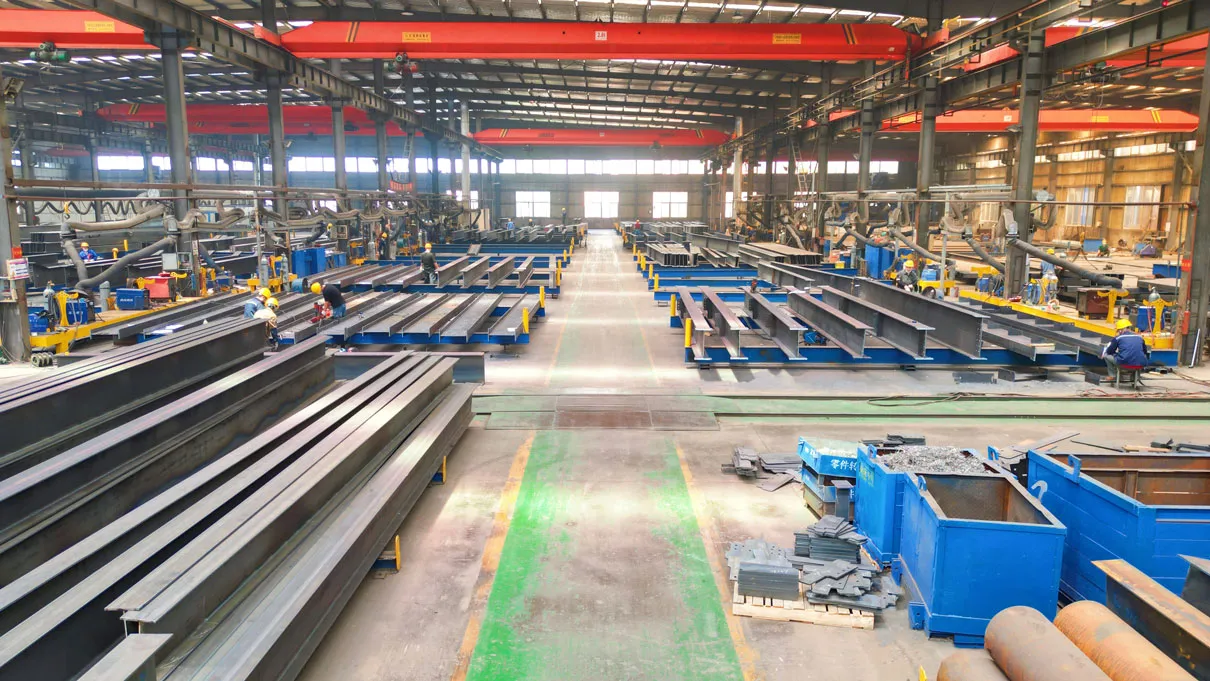
In practice, I suggest asking for three to five recent industrial project cases. Not brochure images. Real fabrication or site photos. If possible, ask for photos where you can actually see equipment support steel, platform framing, or crane-related members. That usually tells you more than a polished company profile.
When the inquiry only defines span, height, and layout, the supplier has to guess key industrial requirements. That guess leads either to extra cost, weak delivery, or painful changes later.
This is probably the most common issue we see. The buyer is not trying to hide anything. The design may simply still be developing. The process team may not have finalized equipment. The crane vendor may still be under review. The corrosion category may not yet be fully defined. All of that is common in EPC work.
But the fabrication side still has to make decisions.
If the inquiry only says span, length, eave height, and wind load, then the supplier has a problem. Should they allow for platform loads? Should they design for thermal movement near process areas? Should they include a higher corrosion protection system? Should they expect future equipment additions? Every missing answer creates a procurement risk.
Here is where incomplete specs usually hurt most:
| Missing input | What the supplier may do | Likely result |
|---|---|---|
| Crane wheel/hook loads | Price standard frame only | Change order or redesign later |
| Equipment footprints | Ignore local heavy load zones | Strength issues or retrofit work |
| Corrosion grade | Use normal paint system | Repainting, early coating failure, higher maintenance |
| Temperature range | Use normal detailing | Expansion issues or premature stress concentration |
| Process interfaces | Leave clash resolution for site | Installation delay and field modification |
I remember a case where the warehouse itself looked simple, but the buyer later confirmed a more aggressive corrosion environment. That changed the surface preparation and coating scope. The steel was already moving through production planning. The team had to stop, revise, and recover. Nobody was happy, and the extra cost was far more than if the requirement had been clear at the start.
This is why I believe buyers do not need to become structural engineers, but they do need a better procurement checklist. In many cases, the best step is not to finalize everything alone. The best step is to issue the inquiry with a clear “known/unknown” list and ask suppliers what missing inputs will affect price, lead time, and structural scope. Good suppliers usually answer that question well. Weak suppliers usually do not.
If we source an industrial warehouse like a normal building, we invite cost and safety problems. If we check real industrial fit, the whole project becomes easier to control.
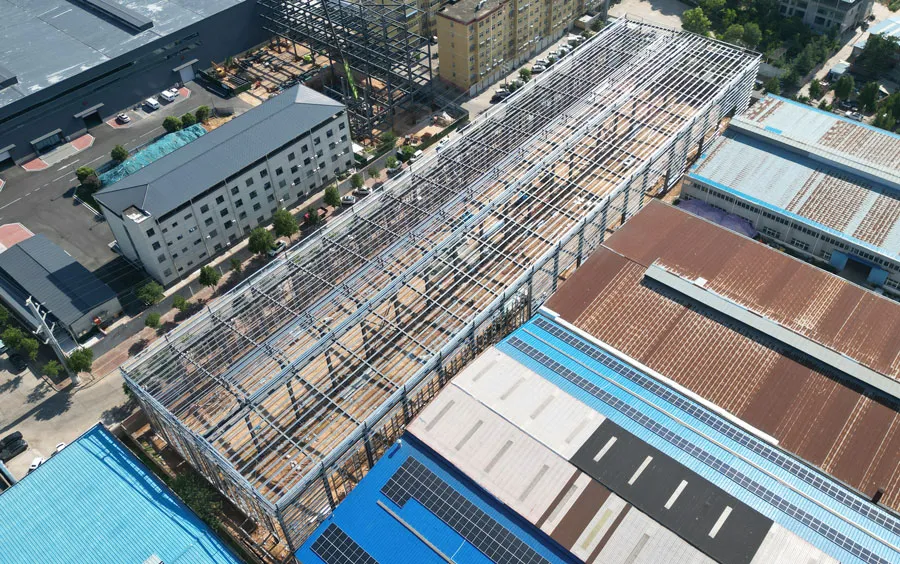
Steel Structure Workshop Solutions
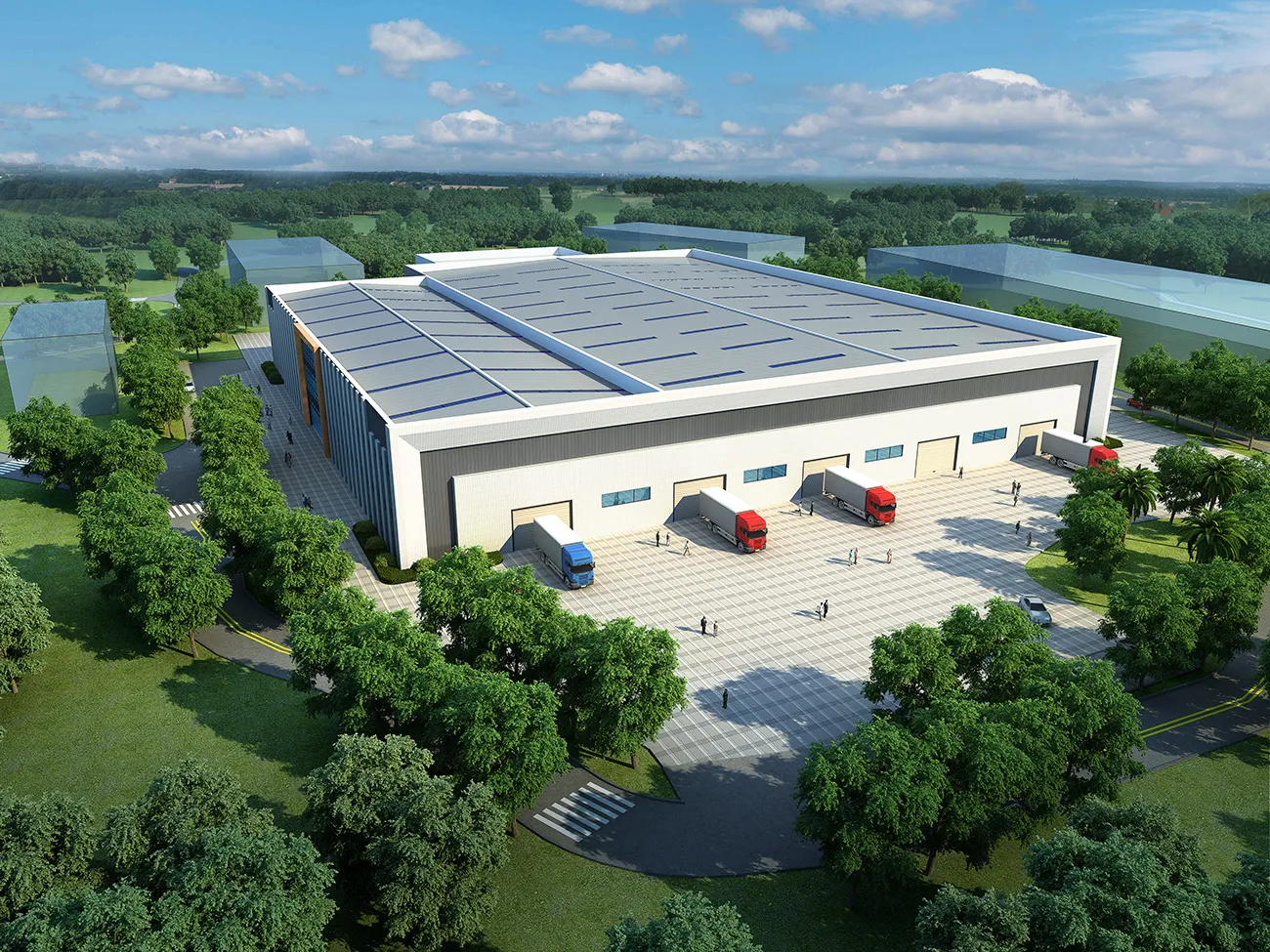
Steel Warehouse Solutions
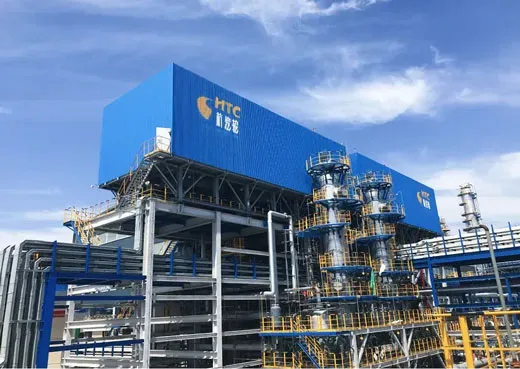
Heavy Steel Structures for Equipment
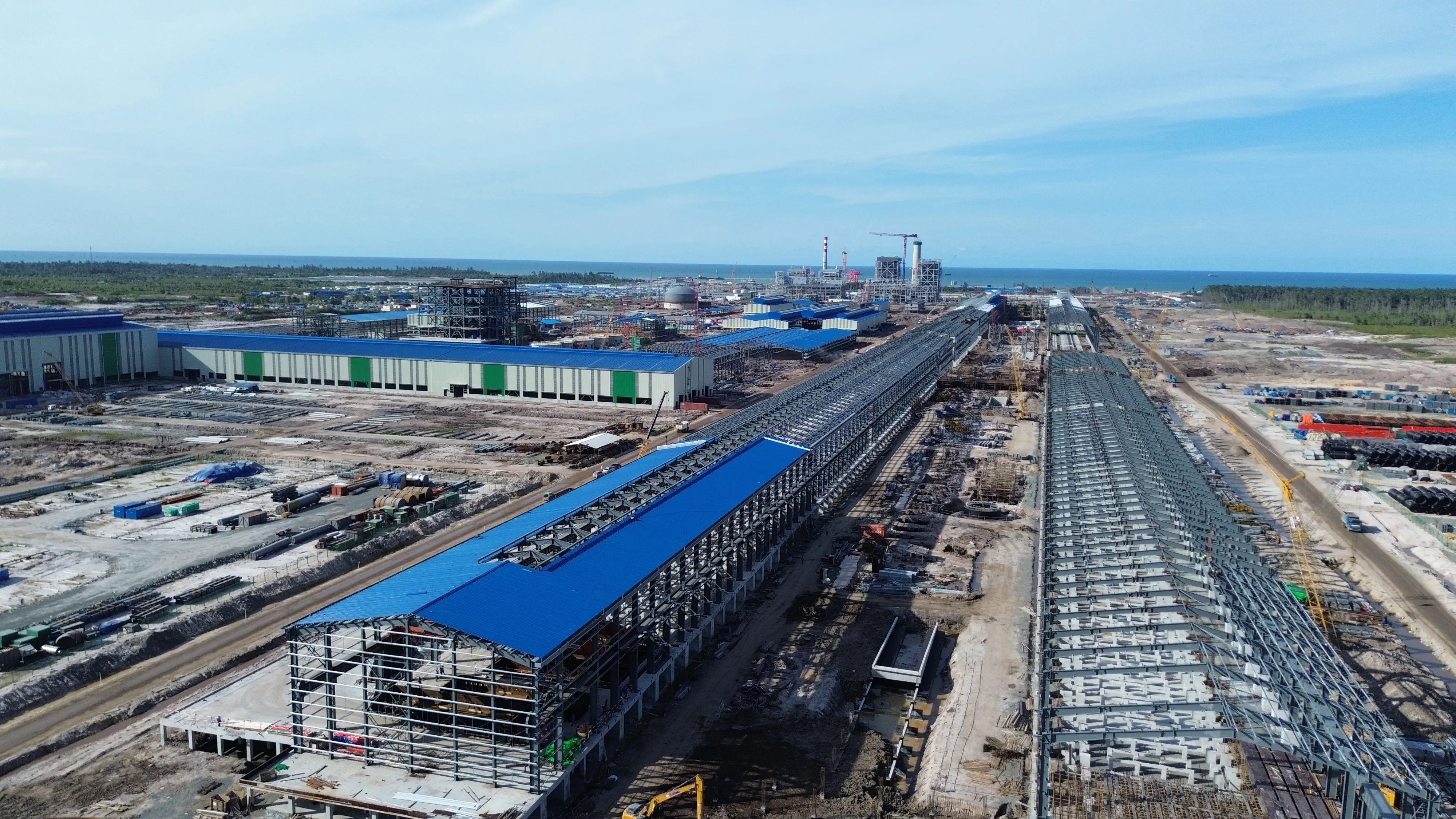
Indonesia North Kalimantan Aluminum Plant Project
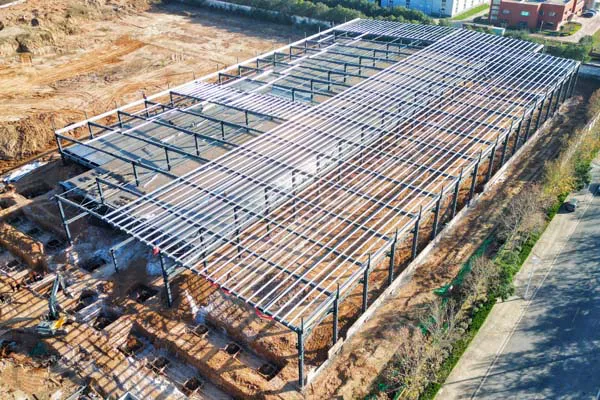
Luoyang Haode Auto Parts Steel Structure Factory Project
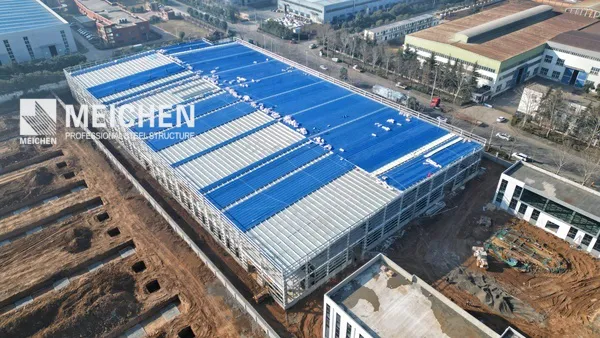
Automated Glass Production Line Steel Structure Factory Building Project
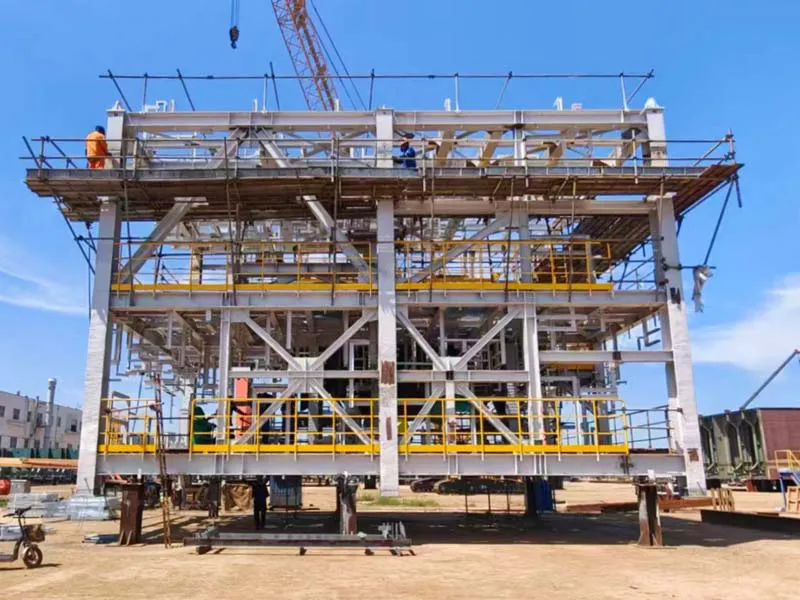
Oil & Gas Modular Steel Structure Fabrication Project

Flare Stack Structure