Time:2026-04-16 02:33:56 Source:Sanjian Meichen Steel Structure
Industrial steel warehouses serve as the backbone for storage, manufacturing, and logistics operations across industries. Their structural integrity, safety, and durability are critical for protecting stored goods and ensuring uninterrupted business operations. However, without proper maintenance and care, even the most robust steel structures can face accelerated wear, corrosion, or structural fatigue over time. Understanding how to extend the lifespan of an industrial steel warehouse is essential for facility managers, construction engineers, and business owners aiming to maximize return on investment while minimizing operational risks.
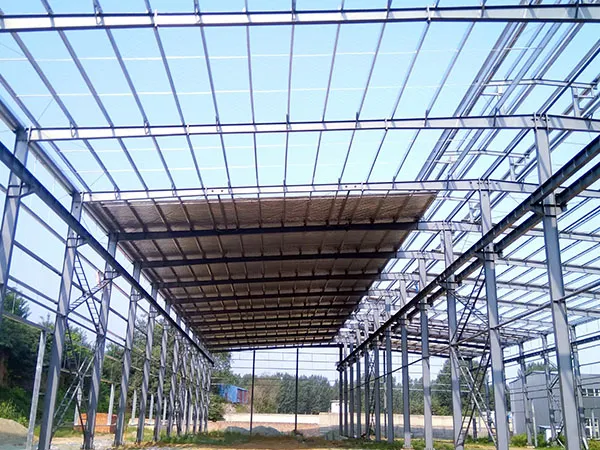
Routine inspections are the cornerstone of warehouse longevity. Steel structures are prone to corrosion, weld fatigue, and deformation due to environmental exposure and operational stress. Facility managers should conduct periodic checks of all structural components, including columns, beams, trusses, roof panels, and connection points. Identifying early signs of rust, cracks, or loose fasteners allows timely interventions before minor issues escalate into costly repairs. Engaging professional structural engineers for annual comprehensive assessments can significantly enhance the predictive maintenance strategy, ensuring safety and extending the warehouse’s service life.
Corrosion remains the most common threat to steel warehouse structures. Moisture, humidity, and exposure to industrial chemicals accelerate rust formation, weakening the metal and compromising structural stability. Applying high-quality protective coatings such as galvanization, epoxy paint, or polyurethane finishes can form a barrier against moisture and chemical exposure. Additionally, reinforcing vulnerable areas with sacrificial coatings or using corrosion-resistant alloys in high-risk zones ensures the warehouse maintains its strength over decades. Regular repainting and reapplication of protective layers, especially in coastal or humid environments, are crucial preventive measures.
Roofing and drainage systems directly influence the structural health of steel warehouses. Accumulated water, debris, or leaks can cause localized corrosion, structural deformation, and even interior damage. Installing efficient gutters, downspouts, and roof drainage channels ensures water is channeled away from critical structural components. Periodic clearing of debris, inspection of seals, and prompt repair of any leaks can prevent moisture-related deterioration. Moreover, considering sloped roofing designs with durable materials enhances water runoff and reduces standing water that accelerates steel corrosion.
Industrial steel warehouses often house sensitive goods or machinery that require controlled environments. Maintaining stable interior humidity and temperature levels not only protects stored materials but also prevents condensation on steel surfaces. Excessive condensation can lead to rust formation on beams, purlins, and roof trusses. Installing climate control systems, dehumidifiers, or insulated panels reduces condensation risks and supports long-term structural health. For regions with extreme temperature fluctuations, thermal insulation can mitigate expansion and contraction stress on steel members, minimizing fatigue and material weakening.
Steel warehouses are designed to support specific loads, including shelving systems, machinery, and bulk storage. Exceeding these load capacities can strain structural components, causing permanent deformation or joint failure. Proper planning of storage layouts, evenly distributed loads, and adherence to weight limits are essential for structural longevity. Using high-quality industrial shelving that aligns with the warehouse’s design load, and periodically reviewing load distribution, prevents excessive stress and prolongs the building’s service life.
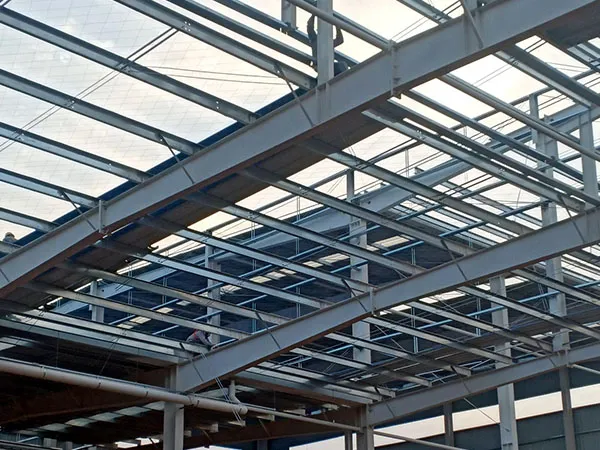
A proactive maintenance strategy is more effective than reactive repairs. Preventive maintenance programs should include routine cleaning of structural elements, lubrication of moving parts, tightening of fasteners, and inspection of mechanical equipment integrated into the warehouse. By systematically addressing potential issues before they escalate, businesses can significantly reduce unexpected downtime and extend the overall lifespan of the steel warehouse. Leveraging digital maintenance logs and predictive analytics tools helps track inspection cycles, maintenance activities, and structural health over time.
Industrial warehouses often face environmental challenges, including wind loads, seismic activity, and exposure to chemicals or pollutants. Reinforcing steel structures with bracing systems, seismic-resistant joints, or wind-load-optimized designs enhances resilience against natural forces. Installing protective barriers against chemical splashes or corrosive fumes safeguards steel elements from accelerated deterioration. For warehouses located in harsh climates, investing in reinforced cladding, weatherproof coatings, and storm-resistant doors contributes to long-term durability.
Human activities within a warehouse can indirectly affect its structural health. Improper handling of forklifts, machinery, or storage racks can damage steel columns or flooring. Training staff on safe operational practices, load handling, and emergency response protocols reduces accidental impacts and structural damage. Additionally, establishing clear guidelines for equipment operation, storage limits, and inspection reporting encourages a culture of responsibility that directly contributes to the warehouse’s longevity.
Extending the lifespan of an industrial steel warehouse requires a holistic approach that combines structural maintenance, environmental protection, load management, and staff training. By implementing regular inspections, corrosion prevention measures, climate control, and preventive maintenance programs, businesses can maximize the durability and safety of their steel facilities. Investing in these strategies not only reduces long-term repair costs but also ensures uninterrupted operations, ultimately providing a strong return on investment. Understanding and applying best practices in warehouse care empowers facility managers to make informed decisions and safeguard their industrial assets for decades to come.
For companies seeking to maintain operational efficiency and preserve their industrial steel investments, these strategies offer actionable guidance on how to extend the lifespan of an industrial steel warehouse, ensuring both structural reliability and business continuity.
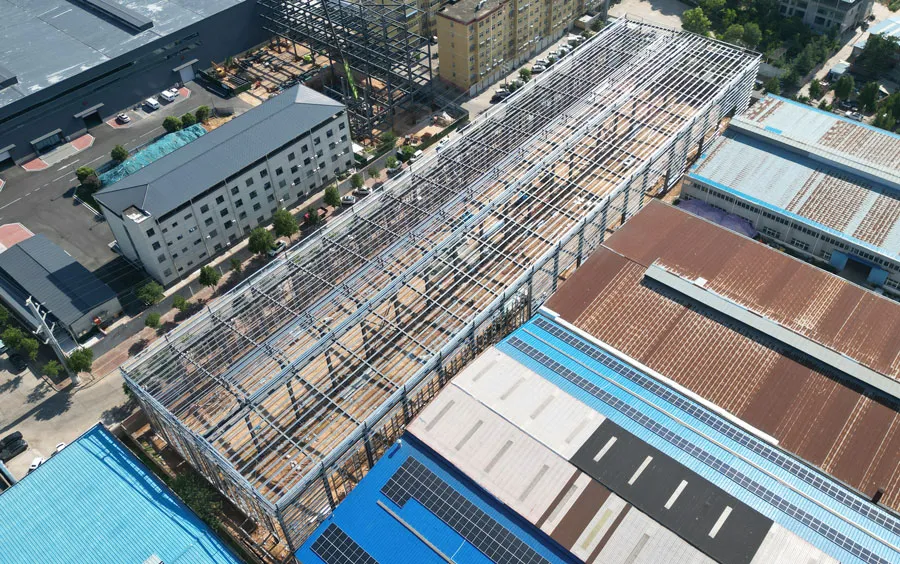
Steel Structure Workshop Solutions
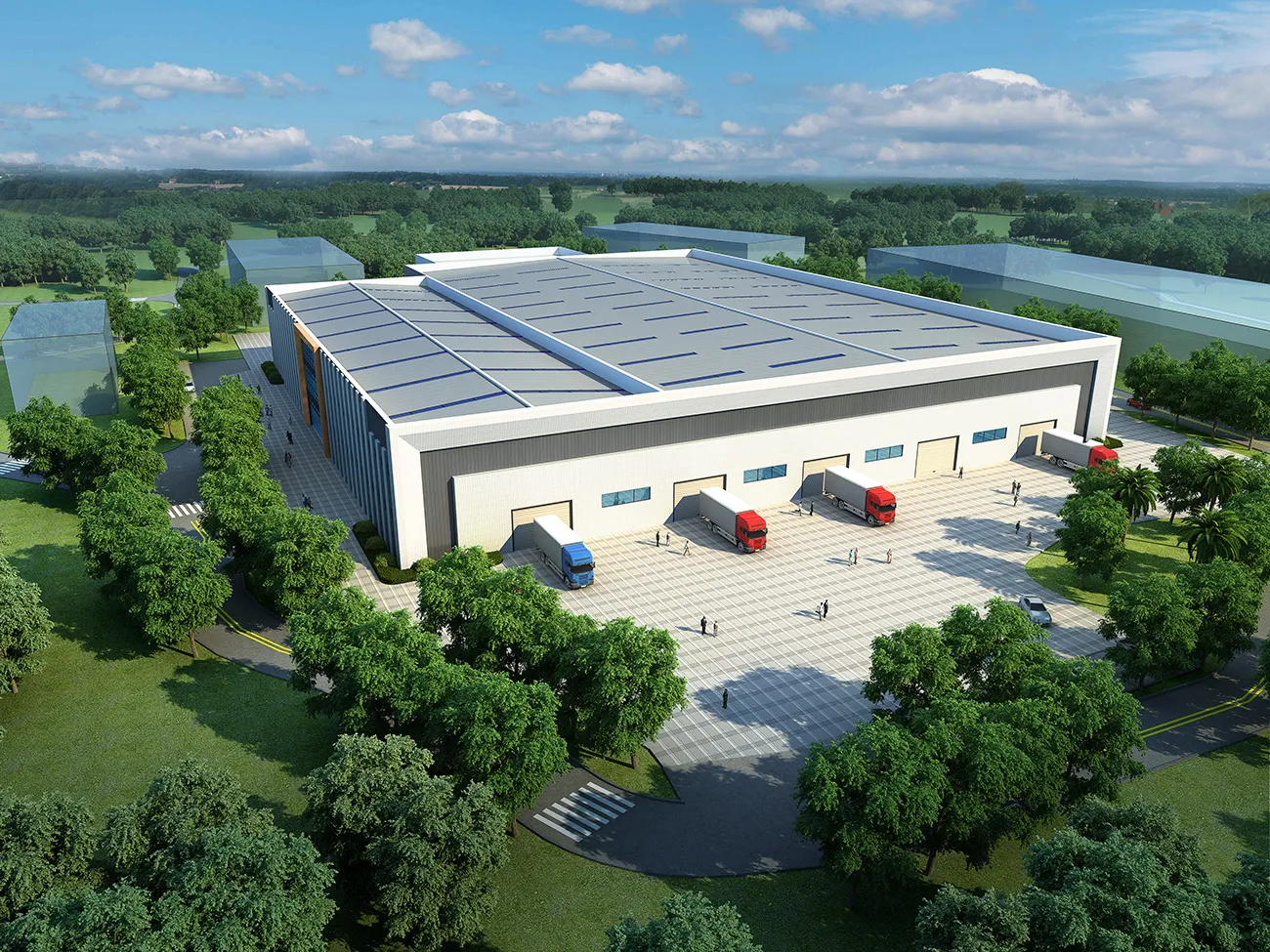
Steel Warehouse Solutions
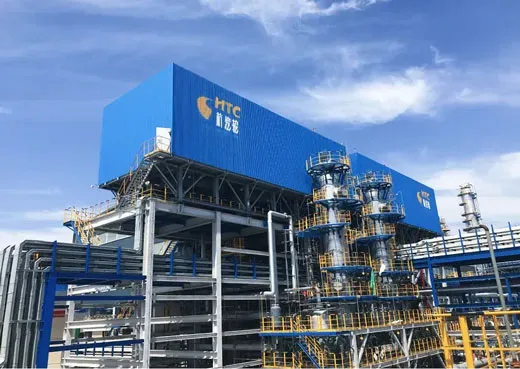
Heavy Steel Structures for Equipment
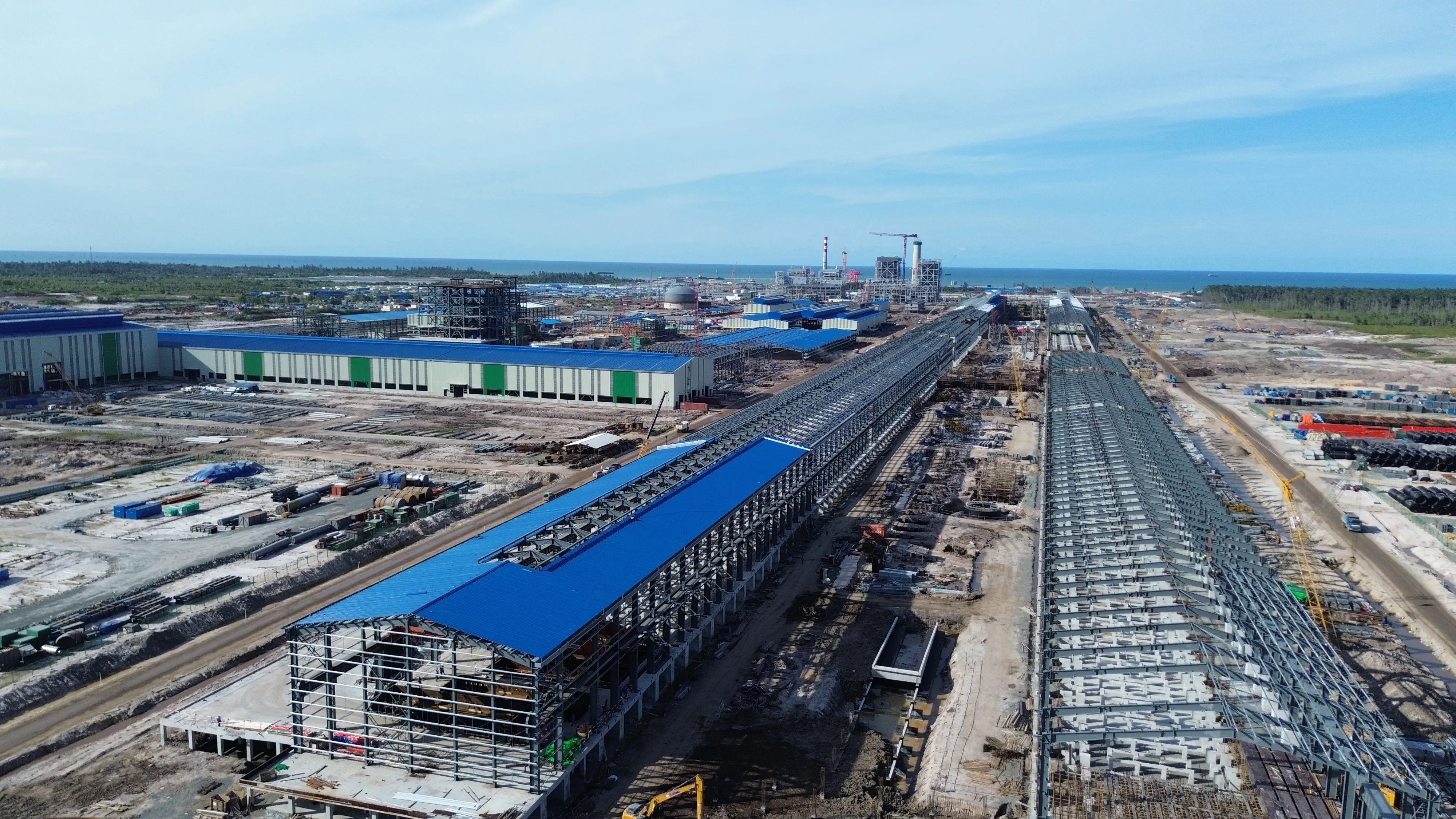
Indonesia North Kalimantan Aluminum Plant Project
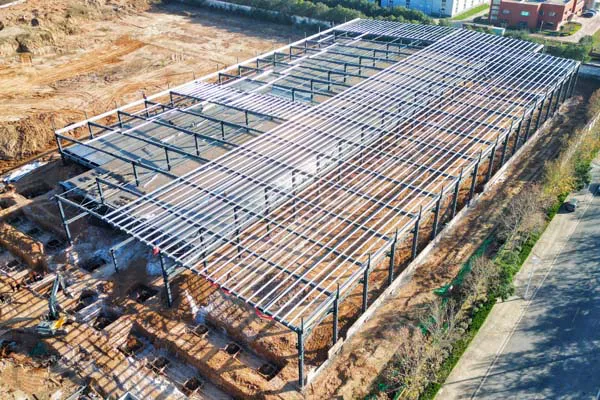
Luoyang Haode Auto Parts Steel Structure Factory Project
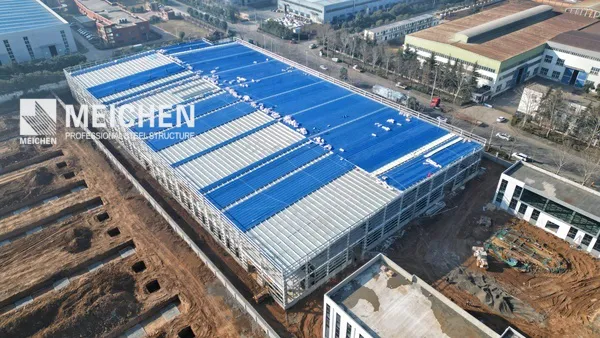
Automated Glass Production Line Steel Structure Factory Building Project
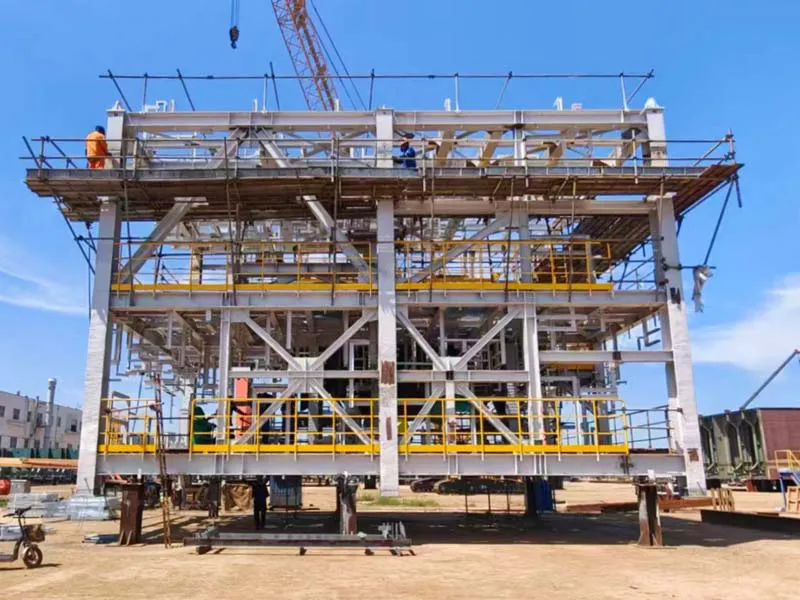
Oil & Gas Modular Steel Structure Fabrication Project
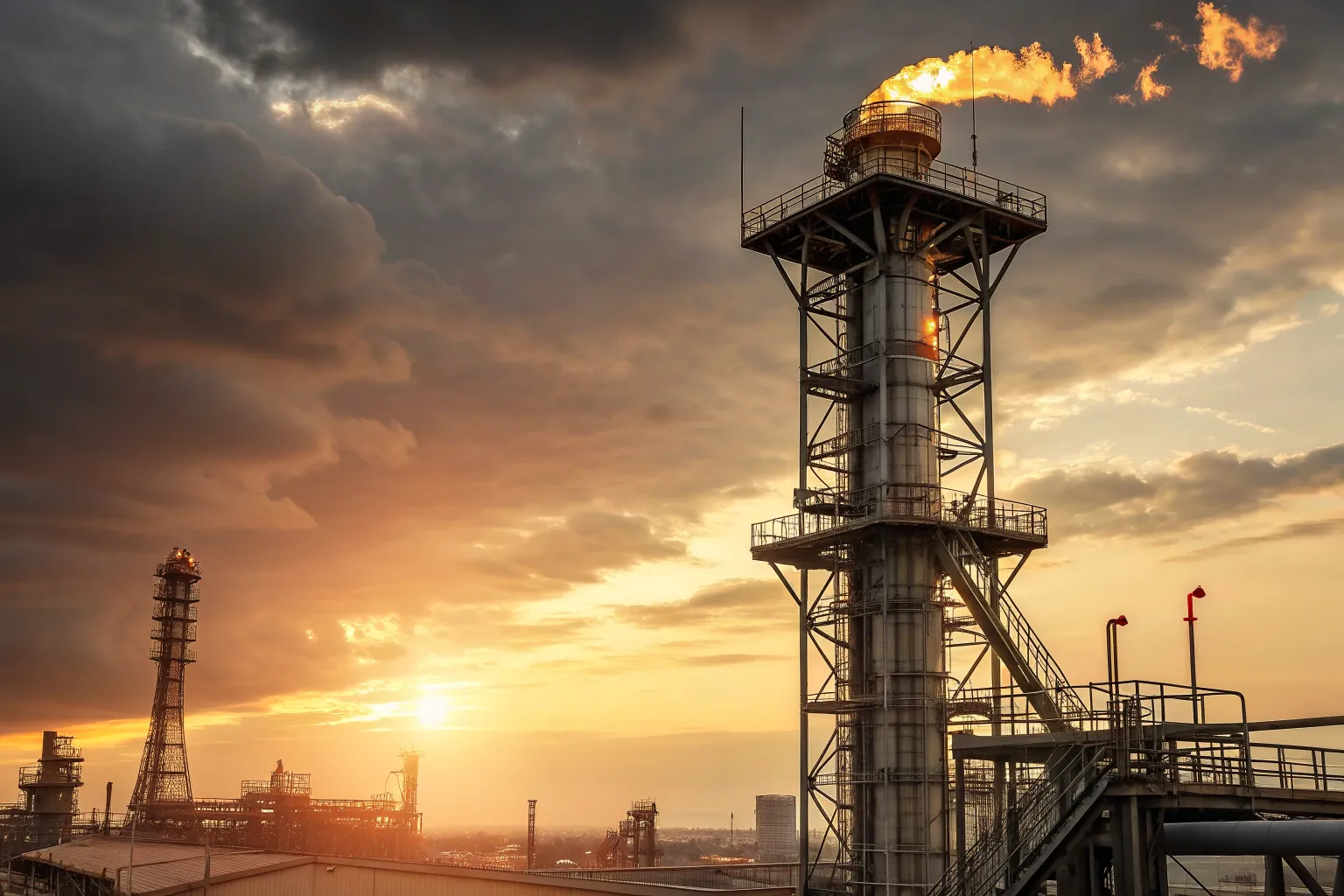
Flare Stack Structure