Time:2026-11-02 03:10:46 Source:Sanjian Meichen Steel Structure
In the pursuit of lean construction, minimizing material waste is not just an environmental goal—it is a financial imperative. Traditional building methods often generate significant scrap, leading to higher costs and longer project timelines. Steel frames, however, offer a superior alternative. By leveraging precision manufacturing and recyclability, steel framing substantially reduces waste on construction sites. This article explores the mechanisms behind this reduction and demonstrates why adopting steel frames, such as those provided by MeiChen Steel, aligns with both sustainability targets and bottom-line profitability.
Conventional wood or concrete framing often results in 15-30% material waste due to on-site cutting, errors, and over-ordering. Wood frames are susceptible to moisture damage, requiring replacement of warped pieces. Concrete pouring frequently leads to leftover mix that hardens and becomes unusable. These inefficiencies not only inflate budgets but also increase landfill burden. In lean construction, the goal is to eliminate non-value-adding activities—and material waste is a primary target.
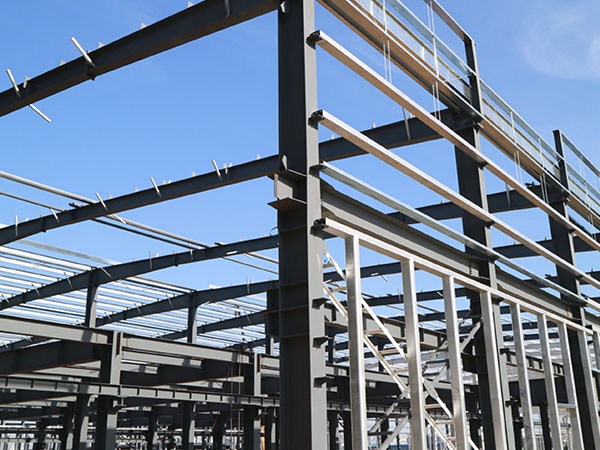
Steel frames are engineered off-site using computer-controlled fabrication. Each beam and stud is cut to exact specifications, leaving minimal scrap. Unlike wood, which often requires trimming to fit, steel arrives ready for assembly. This process can reduce waste to less than 2% of total material, compared to double-digit percentages for traditional methods.
Steel is 100% recyclable without loss of quality. Any scrap generated during fabrication is immediately collected and melted down for new steel production. In contrast, treated wood and concrete are difficult or impossible to recycle. MeiChen Steel ensures that even the smallest offcuts are returned to the supply chain, supporting a closed-loop system.
Steel frames allow for precise modular design. Components can be standardized, reducing the variety of stock needed and lowering the risk of ordering excessive materials. When changes occur during construction, steel can be easily modified with bolted connections, whereas wood or concrete often require demolition and rework, generating more waste.
The following highlights key differences based on industry studies:
Beyond percentages, steel reduces indirect waste: fewer truck trips for material delivery, less storage space required, and shorter construction schedules. All these factors contribute to lean construction principles of efficiency and value creation.
Steel’s high strength-to-weight ratio means lighter foundations are needed, reducing concrete and steel usage in the substructure. This cascading effect further lowers embodied carbon and material consumption.
Steel structures last decades with minimal maintenance. If a building is renovated or repurposed, steel frames can be disassembled and reused—an impossibility for poured concrete. This adaptability eliminates the need for complete demolition waste.
Choosing the right steel supplier is critical to maximizing waste reduction. MeiChen Steel offers precision-engineered frames with just-in-time delivery, ensuring no excess inventory sits on site. Their quality control processes guarantee dimensional accuracy, which eliminates rework waste. By integrating MeiChen Steel’s products into your project, you align with lean construction best practices and achieve measurable waste reduction from the foundation to the roof.
Steel frames represent a paradigm shift in lean construction waste management. Through factory precision, recyclability, and design flexibility, they drastically cut material waste compared to wood or concrete. For contractors and developers aiming to reduce costs and environmental impact, specifying steel—especially from a trusted manufacturer like MeiChen Steel—is a strategic move. The numbers speak for themselves: less scrap, less landfill, and more value delivered on every project.
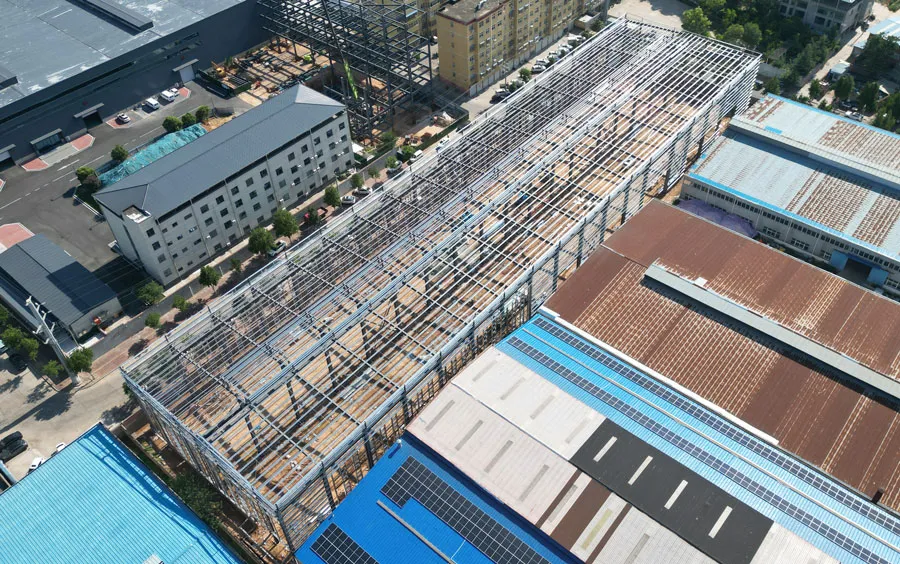
Steel Structure Workshop Solutions
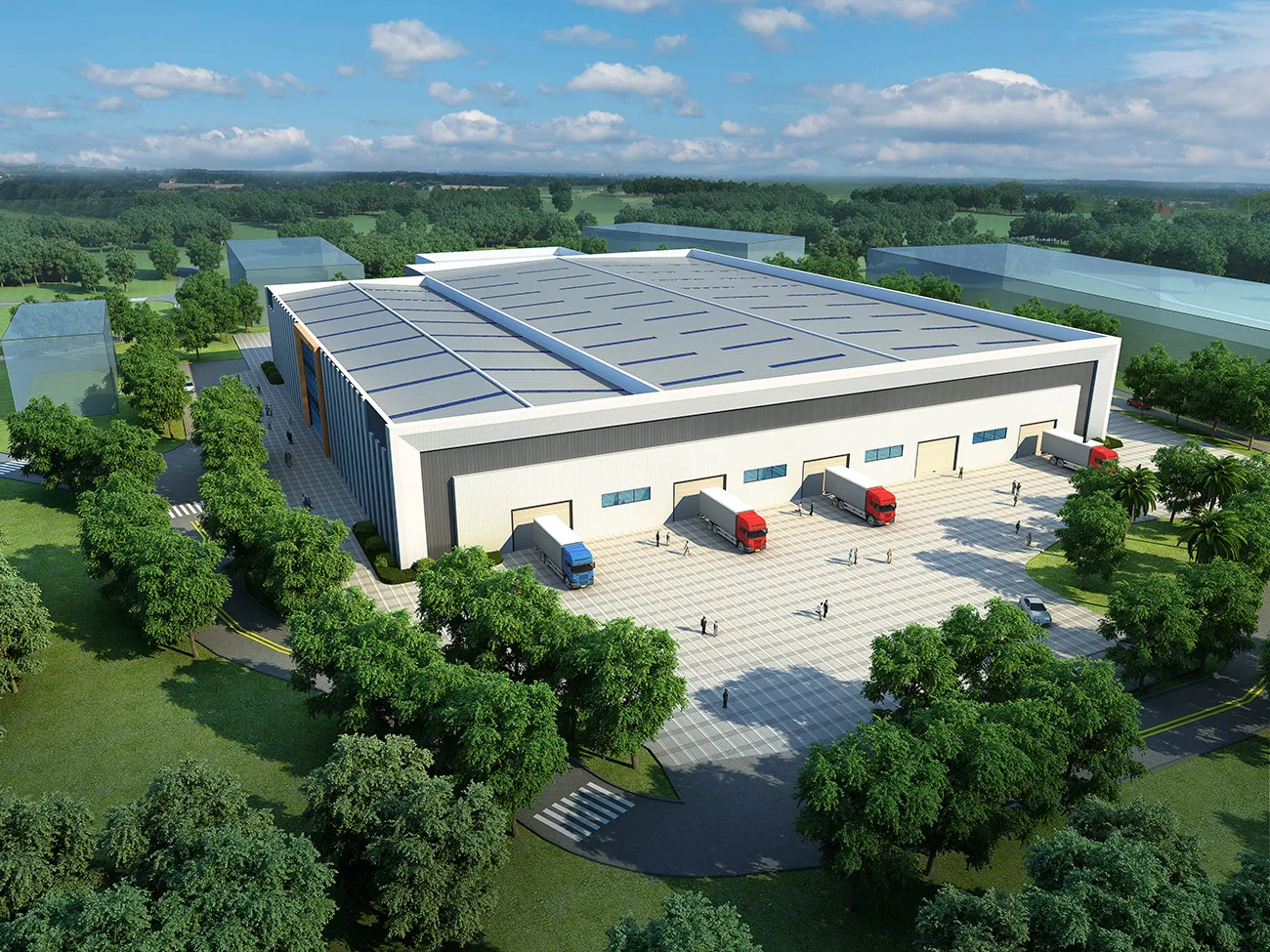
Steel Warehouse Solutions
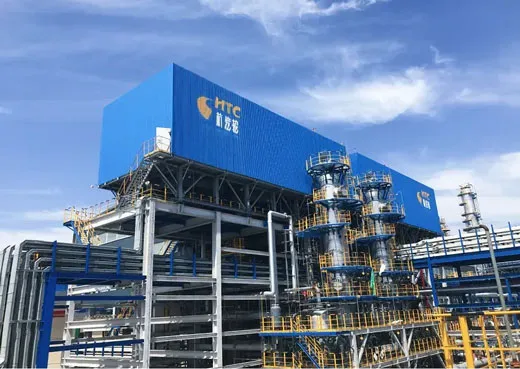
Heavy Steel Structures for Equipment
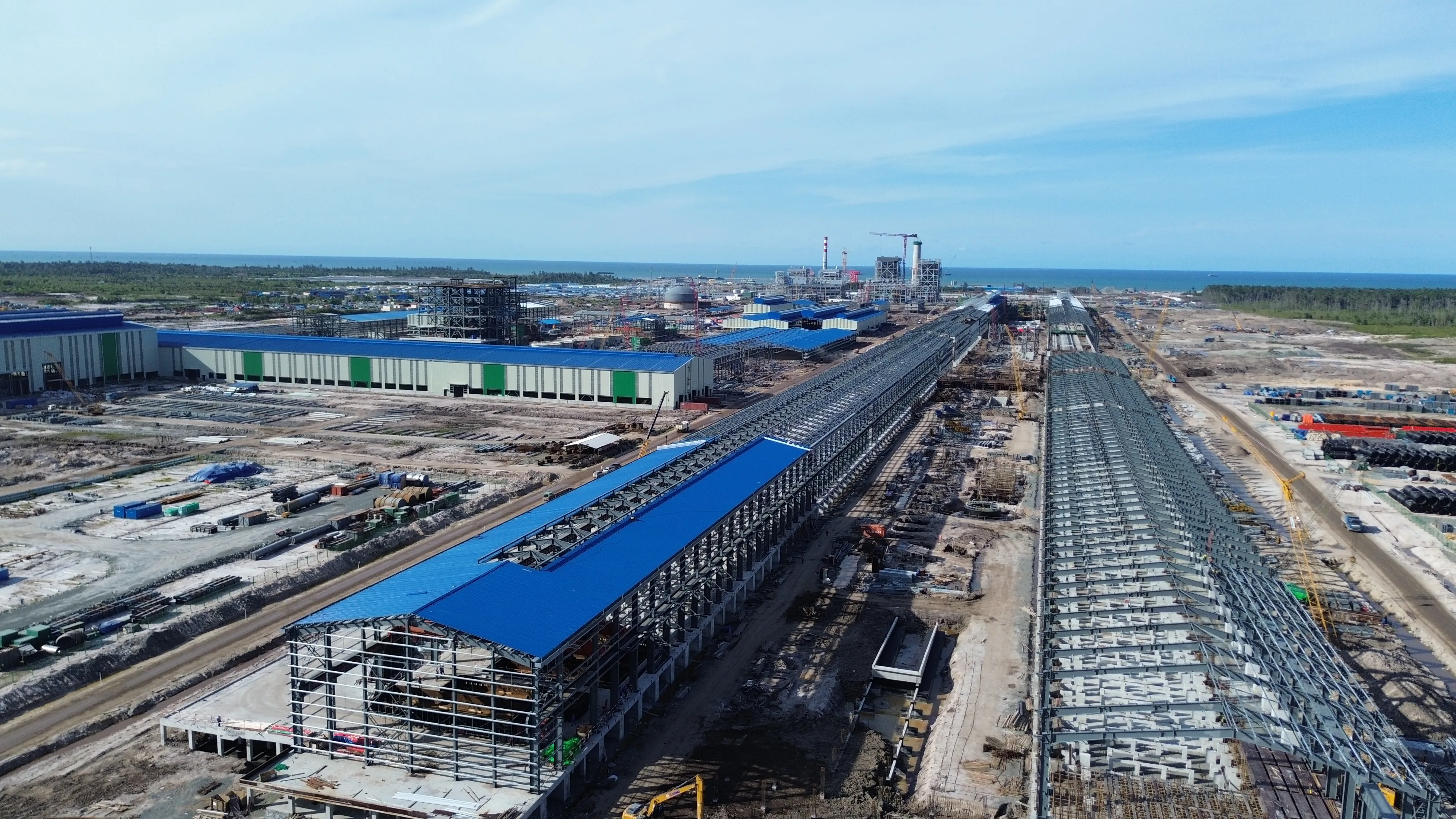
Indonesia North Kalimantan Aluminum Plant Project
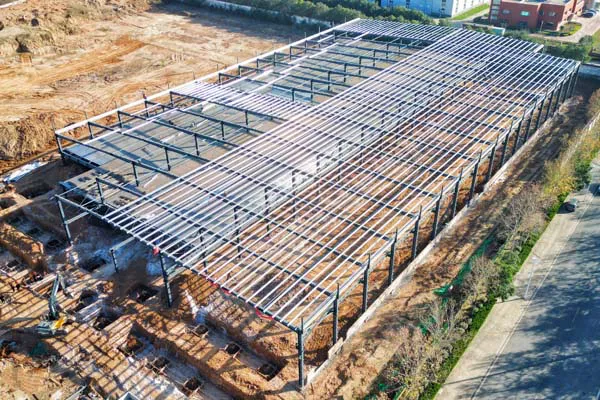
Luoyang Haode Auto Parts Steel Structure Factory Project
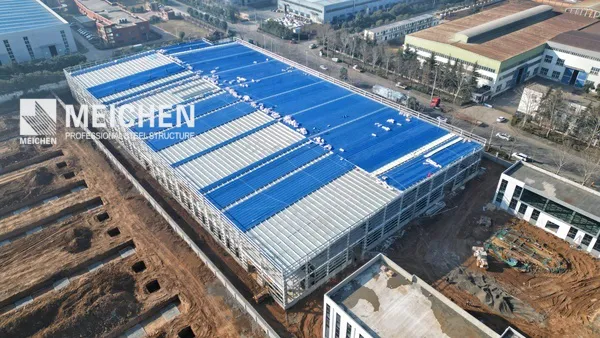
Automated Glass Production Line Steel Structure Factory Building Project
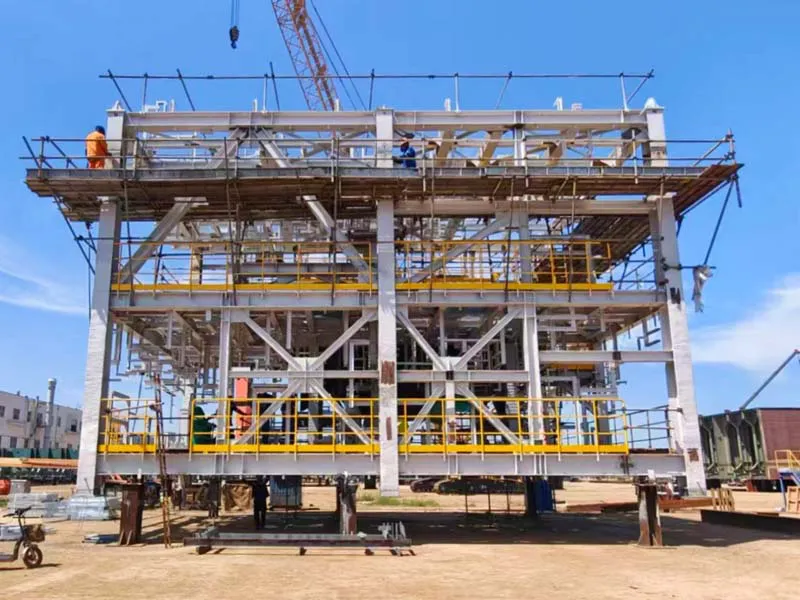
Oil & Gas Modular Steel Structure Fabrication Project

Flare Stack Structure