Time:2026-10-23 01:21:17 Source:Sanjian Meichen Steel Structure
"What's your price per ton for prefabricated steel structures?" is a question we hear almost every day in the steel fabrication industry. However, this seemingly simple question rarely leads to the answers customers actually need. Industrial steel structures—especially for petrochemical or energy projects—aren’t priced like commodities. Instead, multiple variables determine the costs, each of which must be understood before pricing becomes meaningful.
The price per ton of prefabricated steel structures depends on factors such as fabrication complexity, quality standards (e.g., EN1090 EXC3[^1]), surface treatments, and the specific project type (e.g., petrochemical module frames or heavy-duty equipment supports). Without these details, quoting a single number is misleading and often results in non-comparable bids.
Let’s explore why the “price per ton” question is incomplete and what factors you need to consider when evaluating steel structure suppliers for industrial projects.
The desire for a quick price estimate is understandable when planning a budget. But here’s the problem: industrial steel structures are too diverse to be condensed into a single unit cost.
Think of it this way: quoting “per ton” without understanding the scope is like asking, "How much does a car cost per pound?" A lightweight compact car and a luxury SUV may weigh the same, but their features, materials, and manufacturing processes result in completely different prices.
Four major variables determine industrial steel structure costs far more than tonnage does:
Let’s break these down further.
Fabrication complexity is one of the largest contributors to cost variance in industrial steel structures. Simply put, not all steel shapes and connections take the same effort to manufacture.
For example:
Fabrication complexity can double or triple the manufacturing hours per ton[^2] compared to simpler structures.
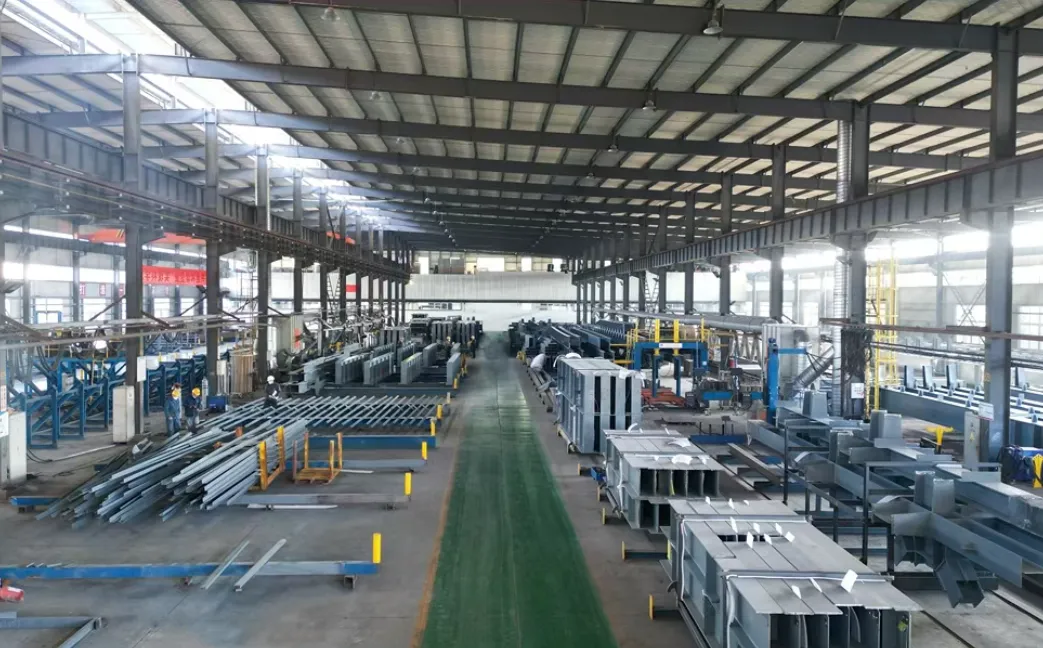
In one recent project for a petrochemical client, we fabricated modular steel frames[^3] requiring precise fits for process equipment. The client requested EN 1090 EXC3 certification, ultrasonic weld inspections, and an anti-corrosion coating system. This added significant labor time, inspection steps, and material handling costs. Had the client only asked for a per-ton estimate, they might not have appreciated the scope of work involved.
The second major factor in pricing is the quality standard your project demands. EPC contractors[^4] often have strict requirements for quality management, weld inspection, and traceability. Higher execution classes require additional work and precision.
An EXC3-certified structure involves additional inspection protocols (e.g., ultrasonic testing[^7]), more skilled welders, and better quality documentation.
Our clients in the oil and gas sector often require EXC3 certification, meaning we’re working to meet both international standards and strict client guidelines. Unsurprisingly, this makes the price per ton higher compared to basic EXC2 structures.
Surface preparation and coating are critical for industrial steel structures, especially those exposed to harsh environments. The extent of this work can significantly affect pricing.
Example:
For one Gulf-region petrochemical project, the client required SA2.5 blasting followed by a two-coat epoxy system. Surface treatment represented over 20% of the total project cost[^10].
Pro Tip: Always specify your surface treatment needs when requesting pricing. Options like "shop primed only" will dramatically lower costs, but they may not meet your project’s longevity requirements.
Finally, the specific type of structure you need determines cost. Standard structural frames cost far less to fabricate than custom-engineered solutions for petrochemical plants or modular units.
The takeaway: When contractors quote a price for “steel structures,” be sure you’re comparing projects of similar complexity and design.
When customers ask for “price per ton” without specifying their requirements, it leads to two outcomes:
Instead, ask what information your supplier needs to create an accurate quote. Based on our years of experience, here’s what to include in your Request for Quotation (RFQ):
By sharing these details upfront, you’re more likely to receive competitive and realistic quotes that reflect your project’s true needs.
We avoid quoting generalized figures because costs vary significantly by project complexity, certifications, and surface treatments. For meaningful estimates, consider sharing your detailed requirements with a qualified manufacturer.
No. Civil structures are designed for weight efficiency and have simpler connection details. Industrial steel structures, like those in petrochemical plants, require higher precision, stricter quality standards, and advanced inspections—all of which affect costs.
Surface treatments like SA2.5 blasting, anti-corrosion primers, and multi-coat systems can represent 15-30% of total project costs, depending on the specified finish and environmental requirements.
The price per ton of prefabricated steel structures isn’t a one-size-fits-all answer. For industrial fabrication, four key variables—complexity, quality class, surface treatments, and project type—drive costs far more than weight alone.
If you’re ready to discuss your project, share your specifications with us, and let’s build a detailed, comparable quote. At Meichen Steel Structures, we specialize in high-standard, complex industrial steel structures for petrochemical and energy projects. Reach out at info@meichensteel.com to get started!
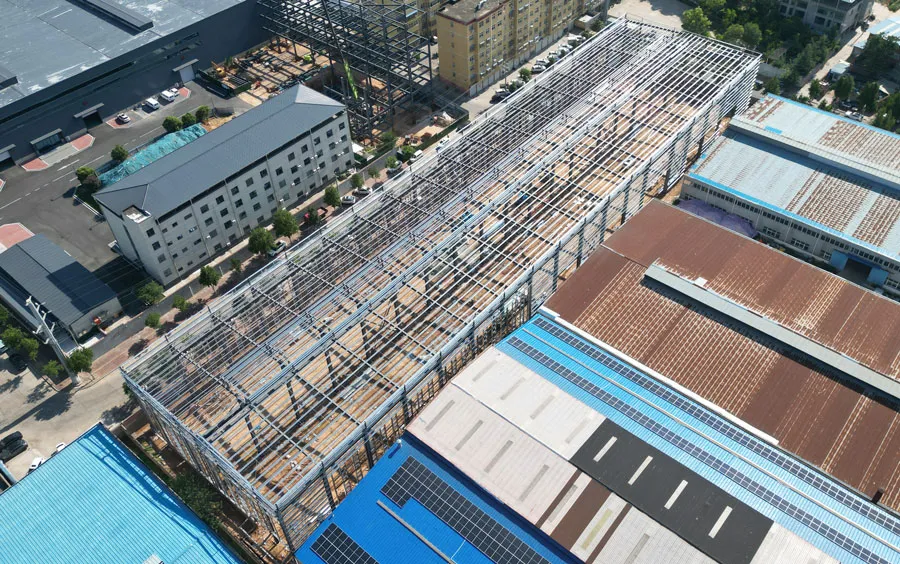
Steel Structure Workshop Solutions
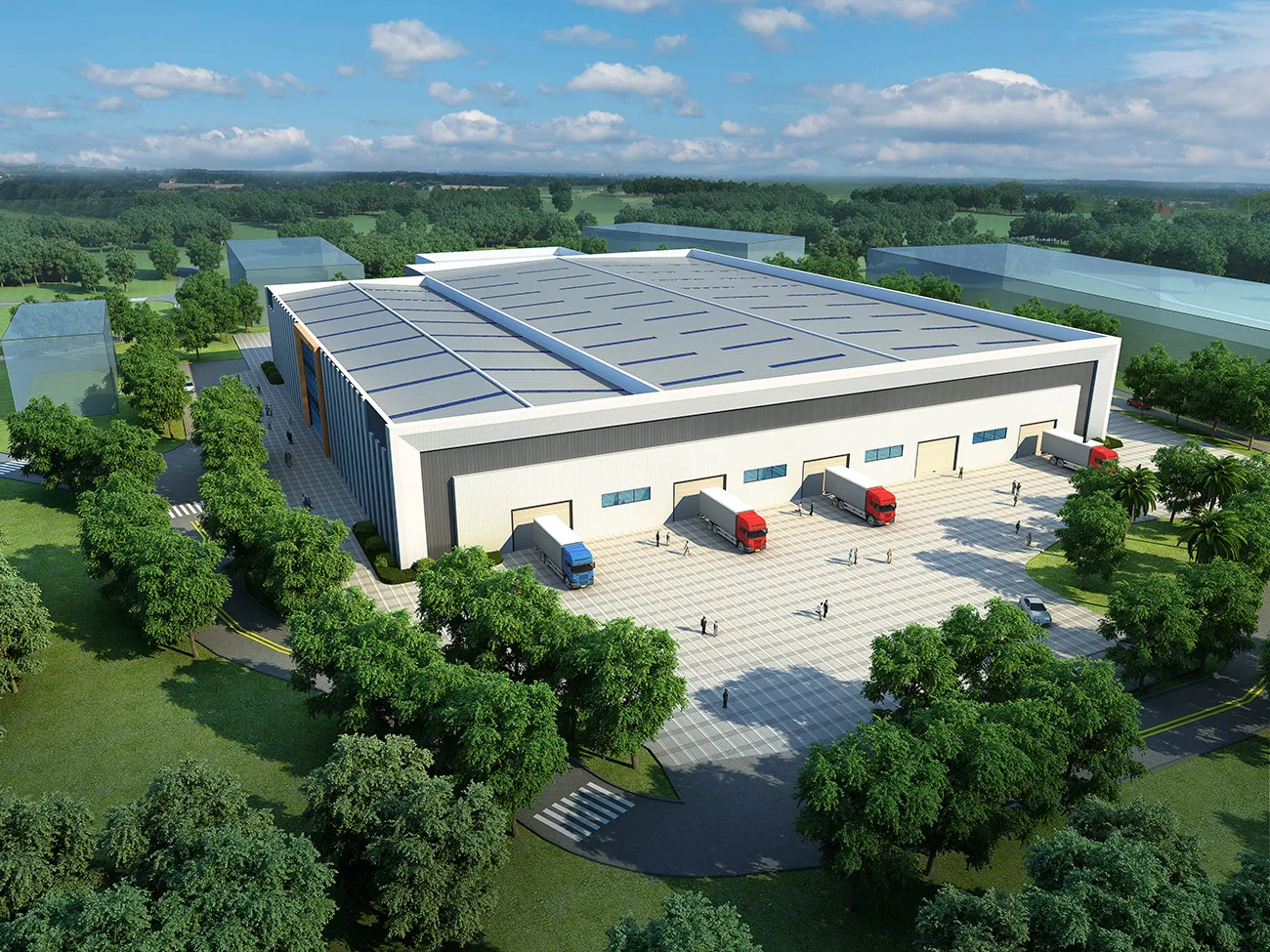
Steel Warehouse Solutions
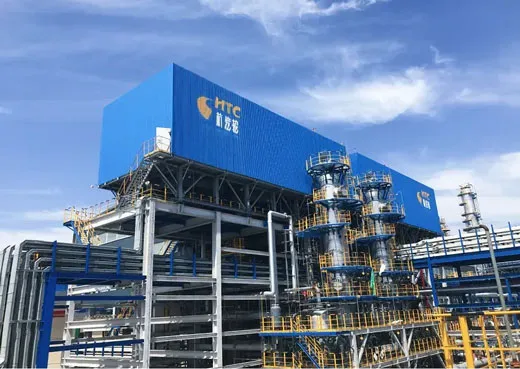
Heavy Steel Structures for Equipment
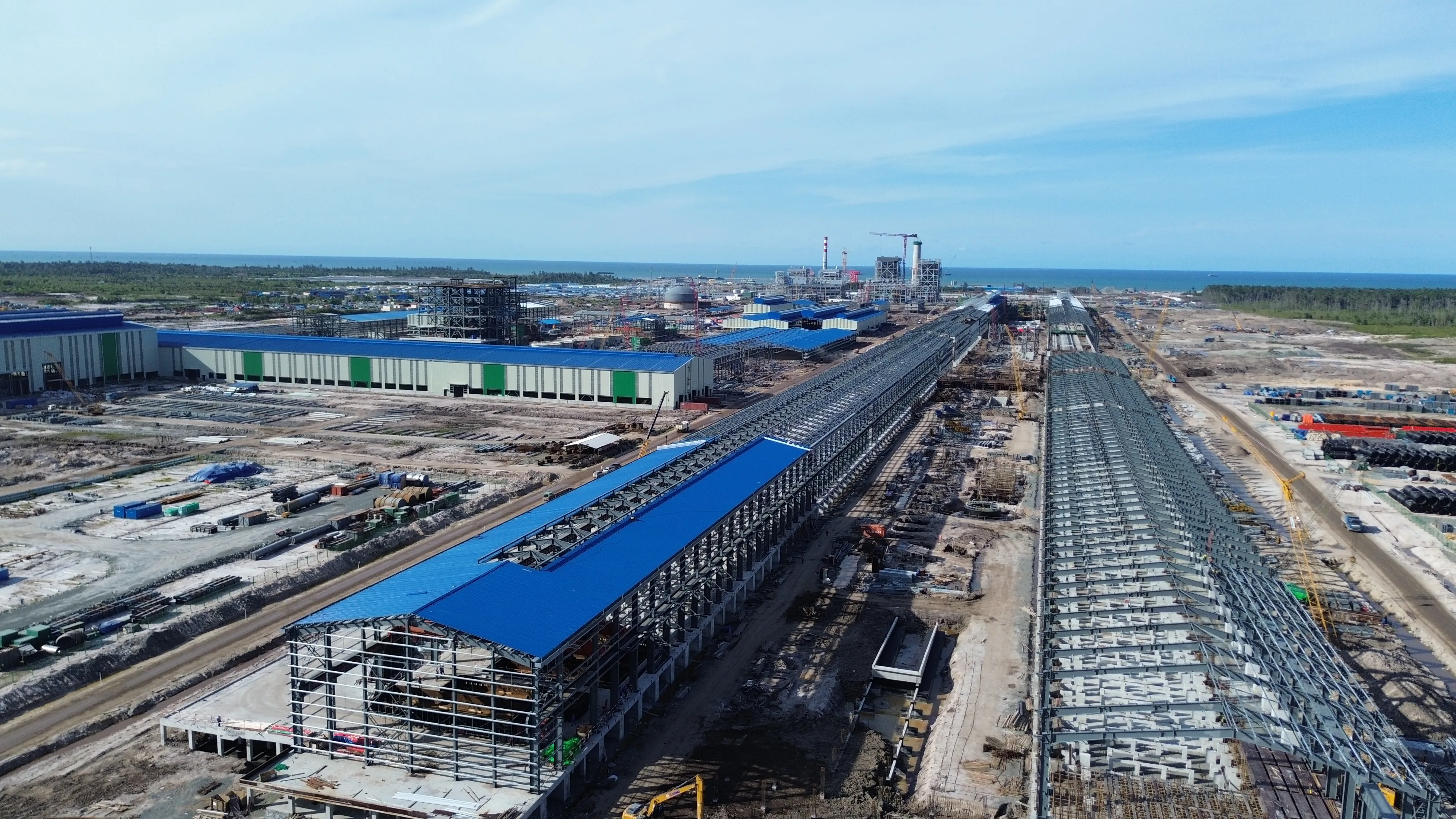
Indonesia North Kalimantan Aluminum Plant Project
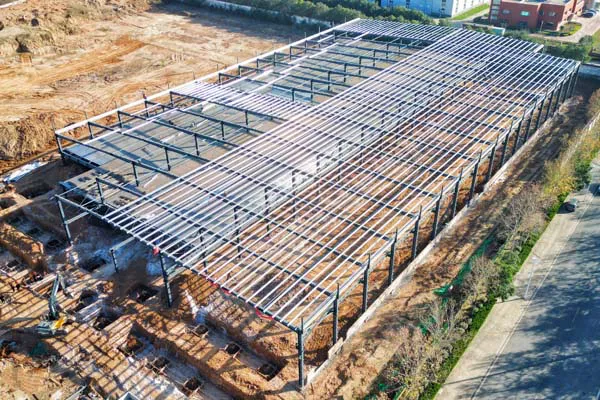
Luoyang Haode Auto Parts Steel Structure Factory Project
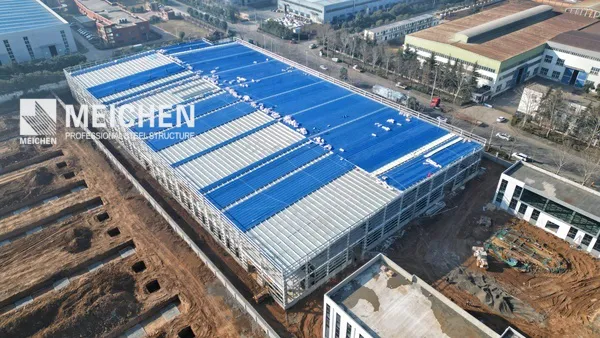
Automated Glass Production Line Steel Structure Factory Building Project
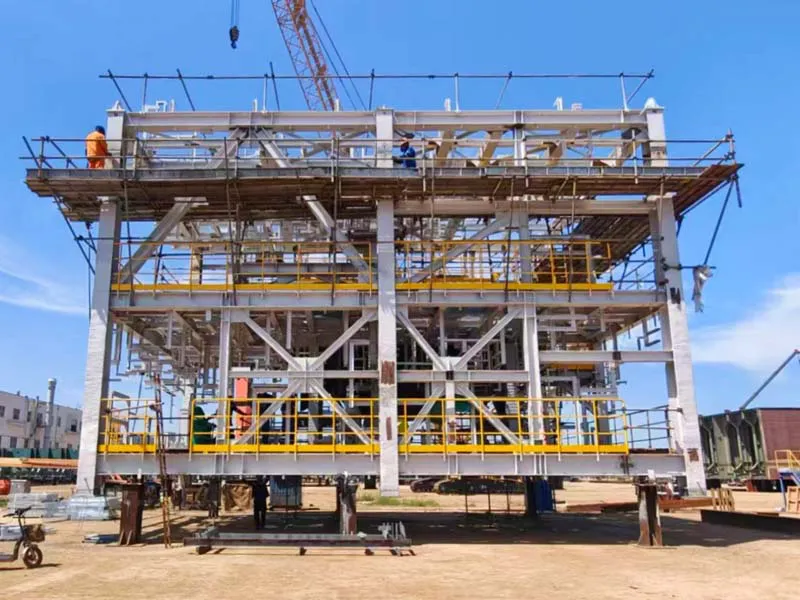
Oil & Gas Modular Steel Structure Fabrication Project

Flare Stack Structure