Time:2026-09-17 07:30:41 Source:Sanjian Meichen Steel Structure
The fastest way to make costly mistakes in a steel warehouse project is to rely only on price and looks. We’ve seen it ourselves—what matters in the end is which protection system can reliably safeguard your investment against corrosion, downtime, and hidden maintenance costs.
When comparing galvanized and painted steel structure warehouses, the main differences are in how each system prevents corrosion and how that affects your maintenance needs, safety, appearance, and the total cost over time.
After years working with steel structures in all types of environments, we’ve learned that appearances can be misleading. A painted warehouse might look fresh and impressive at first. But without the right anti-corrosion plan, it can turn into an expensive headache. Galvanized steel costs more at the start but shows its value when the weather or chemicals start to attack. Let’s dive into the real differences and what we’ve seen in actual projects.
Galvanized and painted steel both use the same base material, but their protection strategies change everything. Galvanized steel is coated in zinc, usually by hot-dip galvanizing, which acts as a physical barrier and even sacrifices itself to protect the steel beneath if scratched. Painted systems use multiple layers—primer, intermediate paint, and topcoat—primarily to block moisture and corrosion, but their effectiveness depends heavily on how well the paint is applied.
In our own factory, we see that galvanizing is far more reliable for warehouses exposed to harsh conditions—coastal air, fertilizer dust, chemical vapors, or high humidity. Painted steel is better when we want flexibility in color, when members are too big for the galvanizing tanks, or when the whole project needs to move quickly with lower startup costs. But we always tell customers: painted steel is only as good as the coating job and ongoing maintenance.
| Factor | Galvanized Steel Structure Warehouse | Painted Steel Structure Warehouse |
|---|---|---|
| Initial cost | Higher up front | Lower up front |
| Corrosion resistance | Excellent, even in tough environments | Decent, depends on paint quality |
| Maintenance | Very low, mostly hands-off | Needs regular touch-ups and repainting |
| Service life | Long (30-50 years) | Medium-Long (if maintained) |
| Appearance | Silver-gray, industrial | Any color, more options |
| Repair after damage | Zinc protects scratched areas | Must repair quickly, or rust spreads |
| Suitable environment | Coastal, chemical, high humidity | Dry, inland, appearance-focused |
| Fabrication complexity | Needs galvanizing process & size limits | Easy, fits most workflows |
| Lifecycle cost | Usually lower in severe conditions | Can match if environment is mild |
We see many buyers miss these points. They choose based on initial price, then pay much more in maintenance or lose business when rust forces repairs.
Corrosion is not just an engineering problem—it’s a business risk. Steel warehouses need to last 20–50 years, often storing valuable goods in tough environments. If corrosion protection fails, we see results like:
We’ve handled cases where a “cheap” painted warehouse needed full scaffolding, labor teams, and shutdowns for repainting—costing far more than anyone planned. It’s easy to focus on steel price, but forgetting about corrosion makes the cheap option expensive quickly. We always advise clients: calculate your risk, not just your cost.
The environments that “eat” steel the fastest are coastal areas, chemical processing sites, fertilizer warehouses, and even livestock facilities. We recommend galvanized steel in these situations because the zinc layer protects all those tough-to-coat spots—bolts, welds, edges, and joints—even when scratched or damaged.
In high-rise warehouses or locations that run 24/7, shutting down for maintenance can wreck your schedule and revenue. Galvanized warehouses require almost no maintenance for decades. That means you avoid hassle, remain compliant, and keep your goods safe.
When we delivered a warehouse near a fertilizer processing plant, the air was full of ammonia, moisture, and acids. Galvanizing saved the structure from rapid rust, despite occasional surface damage. For inland projects with hidden chemical risks, we always warn to think about the “micro-environment” inside and around the building—not just the weather.
Painted steel works well for projects with low corrosion risk, tight budgets, or where looks and branding really matter. Paint systems let you match corporate colors and code buildings by department or function. We often paint structures in light industrial parks, logistics hubs, and offices—especially when customers want a clean, modern look.
But paint systems require strict discipline. We see failures from poor surface preparation, weak primer choices, wrong weather conditions during application, and neglect after installation. A painted system is only as reliable as the people applying and maintaining it.
One logistics center painted all their warehouses for branding. This worked well only because their maintenance team stayed on top of touch-ups and inspections. Where teams skip these details, rust appears much faster—especially after installs, scrapes, or rainy seasons.
Paint system failures usually start at weak points: bolted areas, corners, or scratches from transport. If the surface prep or coating quality is poor, you don’t just get rust—you get costly shutdowns for repairs. You’re not just buying steel; you’re buying your supplier’s quality control and after-sales service.
Galvanizing isn’t magic. For very thin or long steel members, the process can cause deformation or rough surfaces. If your warehouse needs lots of field modification—site welding, cutting—galvanized areas must be repaired. If the steel members are too big for factory kettles, the supplier must explain options like double dipping or special processing.
We always review project requirements with clients, asking which protection system really fits their site conditions. We advise asking for standards, coating thickness, repair plans, packaging approach, and the supplier’s track record—not just a brand name or price.
For petrochemical, marine, or landmark industrial sites, we often recommend the duplex system: galvanizing first, then a high-quality paint topcoat. This combo has proven to:
Clients who say “I want no maintenance and good looks” almost always end up choosing duplex. It’s more expensive at first, but saves real money and stress over the life of the asset.
Price and coating type are not enough. We walk buyers through questions like:
For Galvanized Warehouses:
For Painted Warehouses:
We coach clients to keep asking “why”—why does the supplier choose this system for our conditions, how will it work after installation, and how will it be maintained?
| Buyer Question | Galvanized Warehouse | Painted Warehouse |
|---|---|---|
| Standard | ASTM, ISO, GB | ISO, GB, custom spec |
| Zinc/Paint Thickness | 80–120 micron typical | 120–200 micron typical |
| Critical Repairs | After cuts/welds, with zinc spray | Touch-up with matching paint |
| Environment Suitability | Coastal, chemical, humid | Dry, brand-focused, budget |
| Maintenance Plan Needed? | Minimal | Periodic, strict schedule |
In our experience, the best suppliers explain not just “what” but “why.” They show real logic tied to your local environment, warehouse usage, lifecycle goals, and maintenance capabilities.
The right choice for steel structure warehouses depends on your local conditions, operational needs, and willingness to manage maintenance. We have seen great results with each system, but only when matched with the correct environment and thoughtful planning. If a warehouse failure would cost you dearly, focus on corrosion protection—not just price.
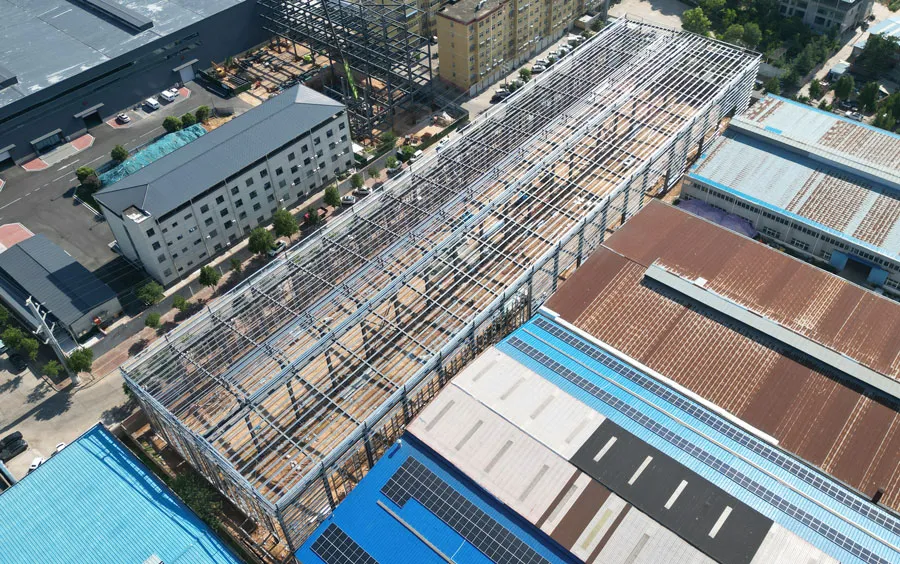
Steel Structure Workshop Solutions
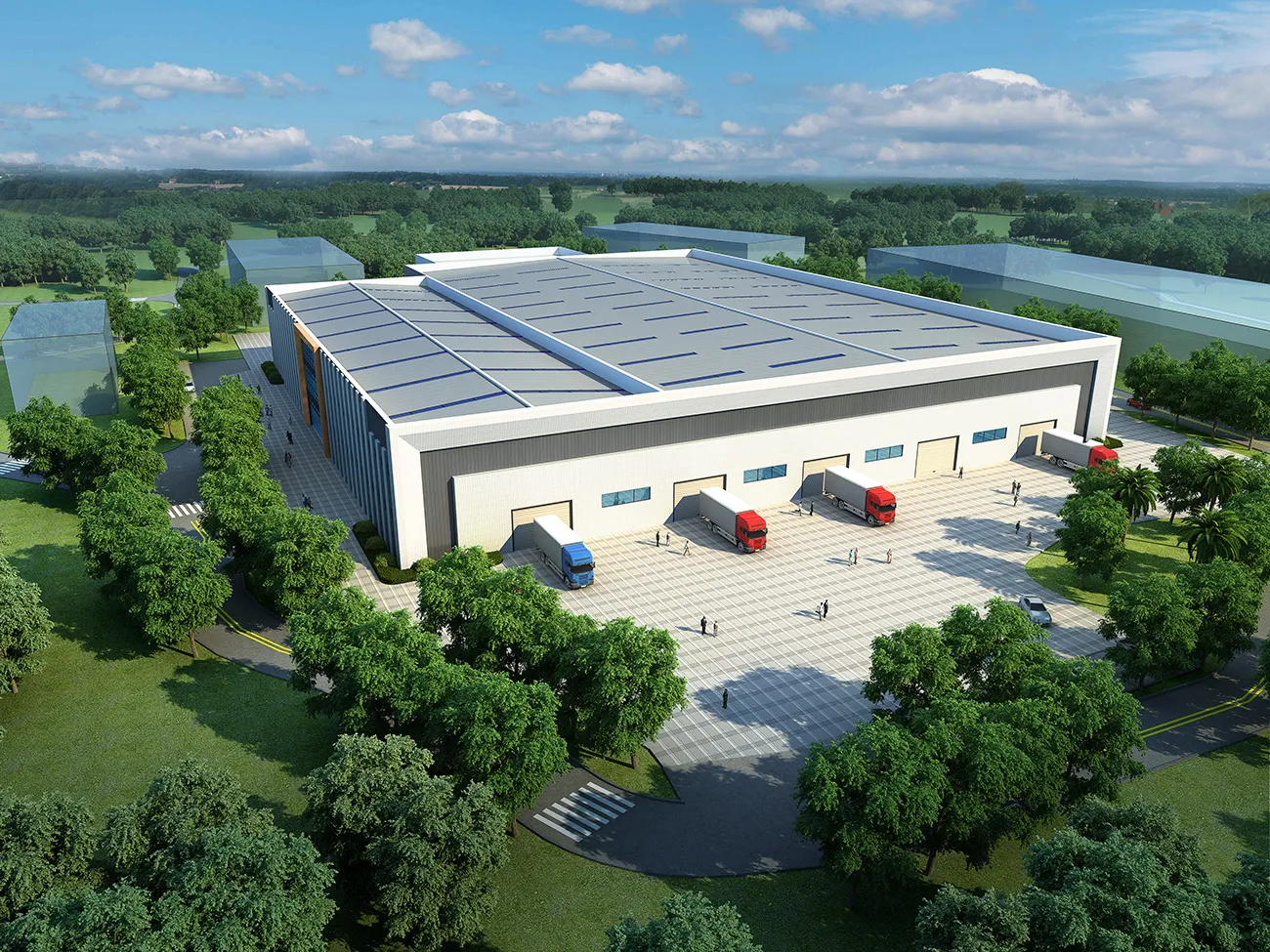
Steel Warehouse Solutions
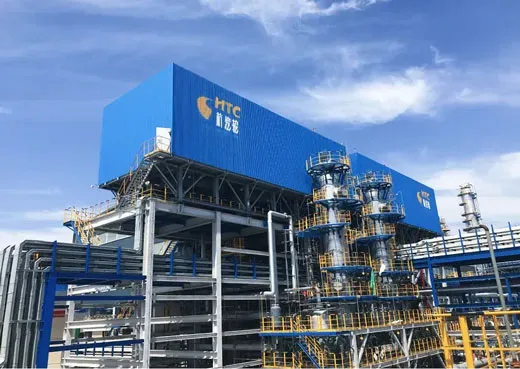
Heavy Steel Structures for Equipment
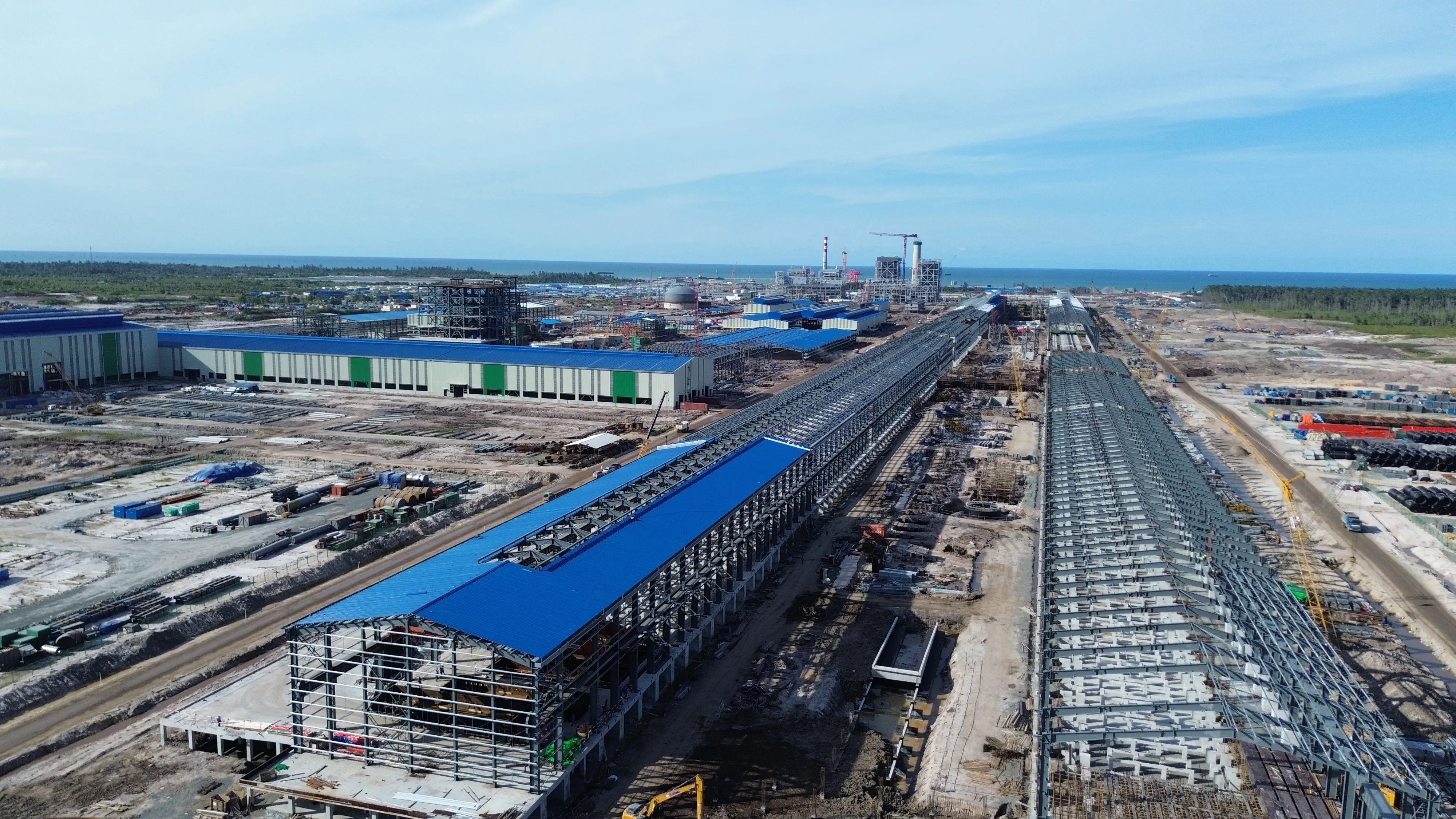
Indonesia North Kalimantan Aluminum Plant Project
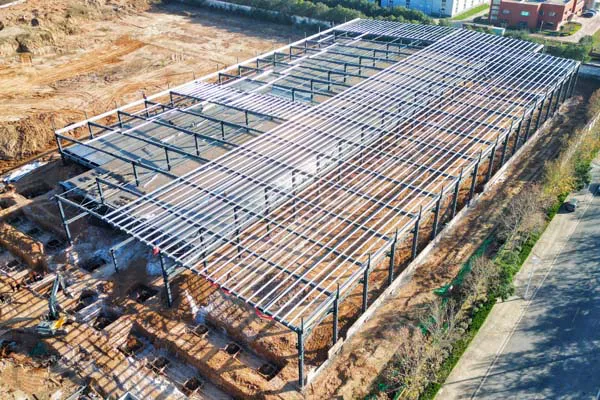
Luoyang Haode Auto Parts Steel Structure Factory Project
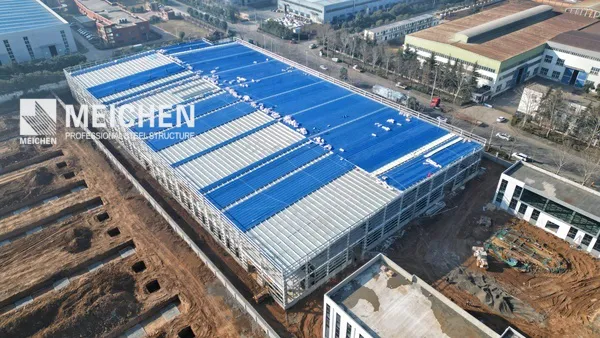
Automated Glass Production Line Steel Structure Factory Building Project
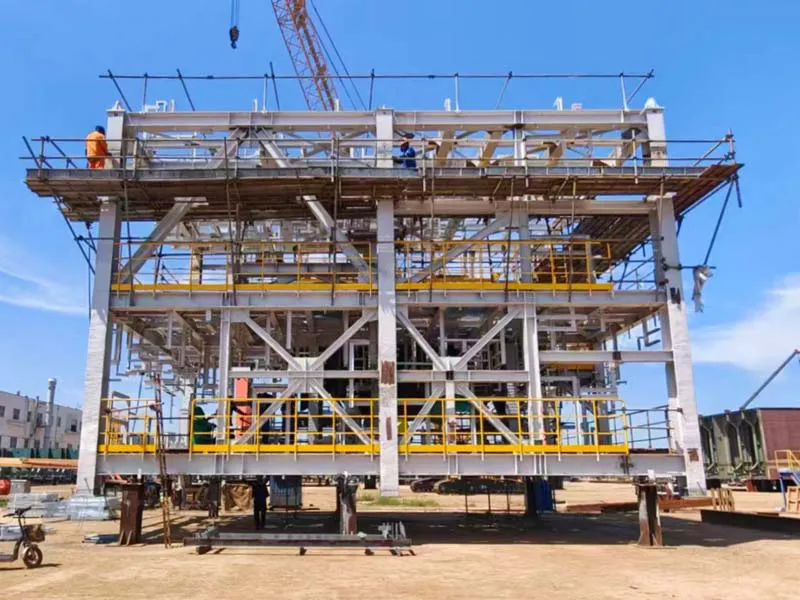
Oil & Gas Modular Steel Structure Fabrication Project
Flare Stack Structure