Time:2026-09-07 03:10:34 Source:Sanjian Meichen Steel Structure
The global shift toward sustainable manufacturing has placed industrial steel under scrutiny. Traditional steel production accounts for approximately 7-9% of global CO₂ emissions, driving demand for greener alternatives. But eco-friendly industrial steel is no longer a niche concept — it is a commercially viable solution that combines 100% recyclability with superior energy efficiency. This article examines how modern steelmakers achieve these environmental benefits without sacrificing mechanical performance, and why MeiChen Steel has become a trusted partner for industries seeking to reduce their carbon footprint while maintaining cost competitiveness.
Eco-friendly industrial steel is defined by two core attributes: complete recyclability and energy-efficient production. Unlike composite materials that degrade after recycling, steel can be melted and reused indefinitely without losing its mechanical properties. The key differentiator lies in the manufacturing process.
Traditional blast furnaces rely on coking coal, emitting large volumes of CO₂. Eco-friendly steel mills instead employ electric arc furnaces (EAF) powered by renewable energy, or integrate hydrogen-based direct reduction (H-DRI) to eliminate coal entirely. For example, MeiChen Steel has retrofitted its main production line with a state-of-the-art EAF system that reduces energy consumption by 35% compared to conventional methods. This process also allows up to 95% scrap metal input, closing the recycling loop.
To verify environmental claims, look for certifications such as ISO 14001 (environmental management), LEED (building material credits), and Environmental Product Declarations (EPD). MeiChen Steel’s eco-friendly product line holds EPDs that show a carbon footprint of only 0.6 tCO₂ per tonne of steel, far below the industry average of 1.8 tCO₂/t.
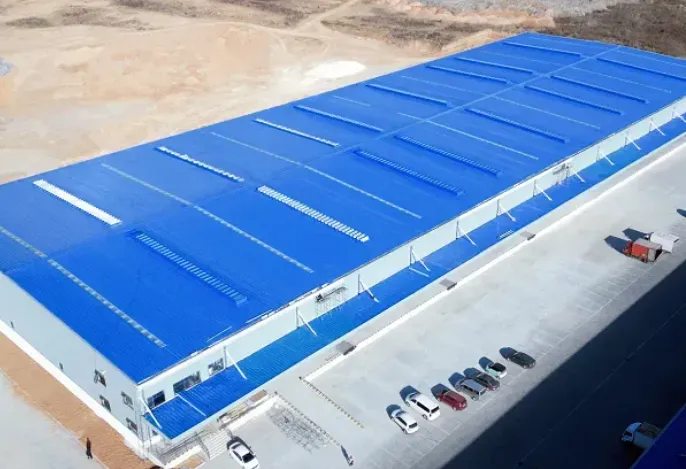
Eco-friendly steel’s energy advantage extends beyond production. When a building or machine reaches end-of-life, recycling scrap steel uses 74% less energy than producing virgin steel. This lifecycle efficiency translates directly into cost savings for customers.
By using renewable electricity and optimizing heat recovery, MeiChen Steel’s eco-friendly manufacturing consumes only 4.2 MWh per tonne of steel, compared to the global average of 6.5 MWh/t. For a construction project requiring 10,000 tonnes of steel, this means a reduction of 23,000 MWh — equivalent to the annual electricity use of 2,000 homes.
Steel’s thermal mass and reflectivity can improve building energy efficiency when used in roofing or cladding. Light-gauge steel framing reduces HVAC loads. Additionally, the inherent durability of industrial steel minimizes maintenance energy and replacement costs over a 50-year service life.
For companies serious about sustainability, MeiChen Steel offers a comprehensive portfolio of 100% recyclable, energy-efficient steel products. Our manufacturing facilities in Shandong province powered by hydro and solar energy, and our EAF process ensures that every tonne of steel contains at least 90% recycled content.
A 2023 case study with a major Southeast Asian construction group showed that switching to MeiChen Steel’s eco-friendly products reduced their project’s Scope 3 emissions by 28%. The steel met all ASTM A992 and EN 10025 standards, with tensile strength exceeding 400 MPa.
As regulatory pressure and green procurement policies intensify, the business case for eco-friendly industrial steel becomes undeniable. MeiChen Steel not only delivers on environmental metrics but also ensures no trade-off in quality or delivery reliability. Contact our technical team today to request a product specification sheet and carbon footprint calculator tailored to your project.
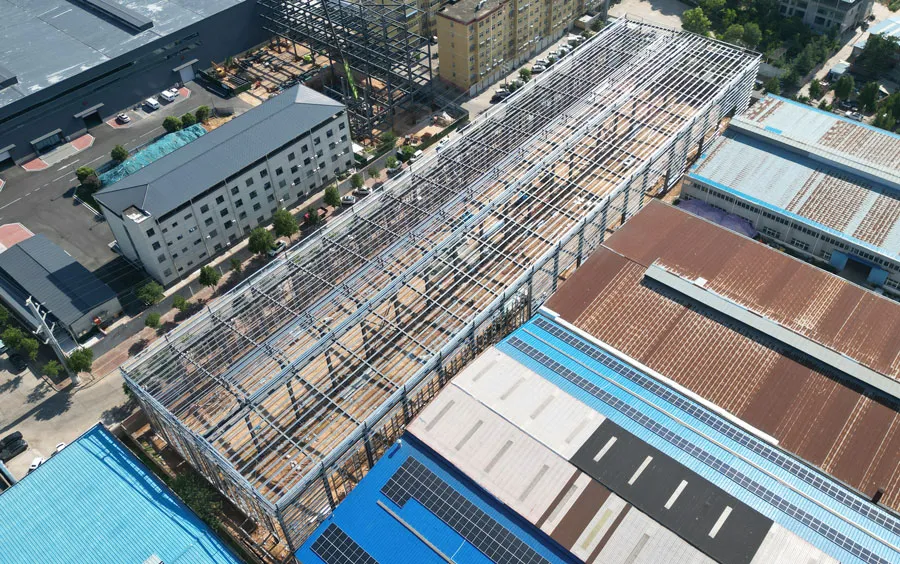
Steel Structure Workshop Solutions
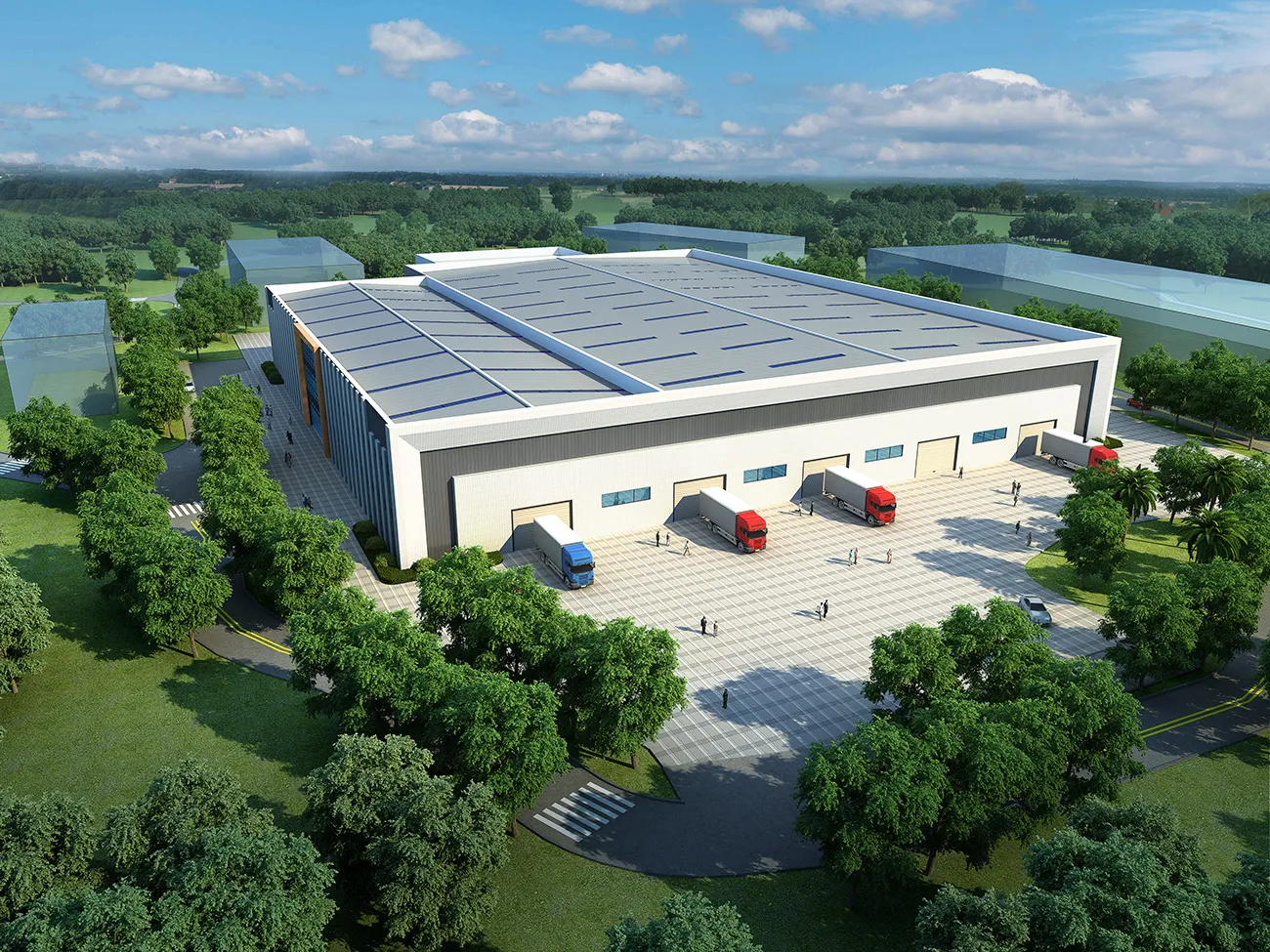
Steel Warehouse Solutions
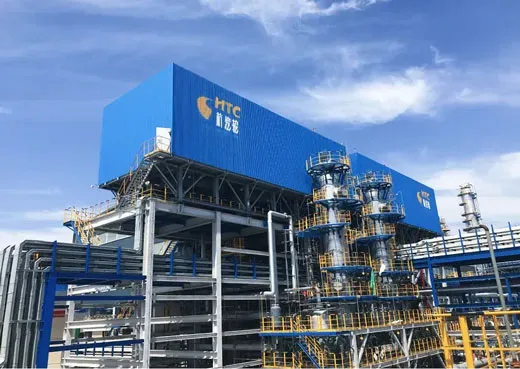
Heavy Steel Structures for Equipment
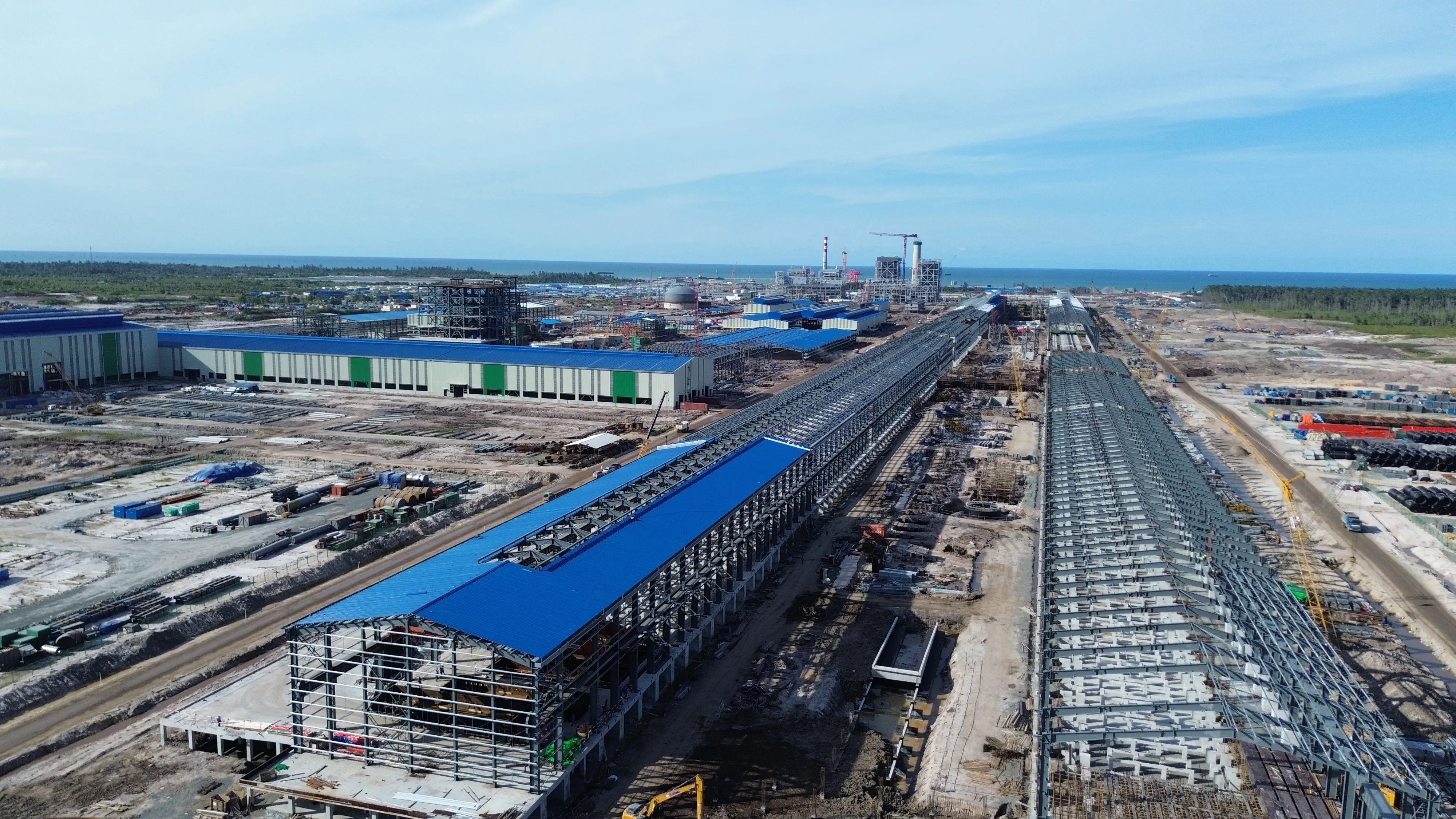
Indonesia North Kalimantan Aluminum Plant Project
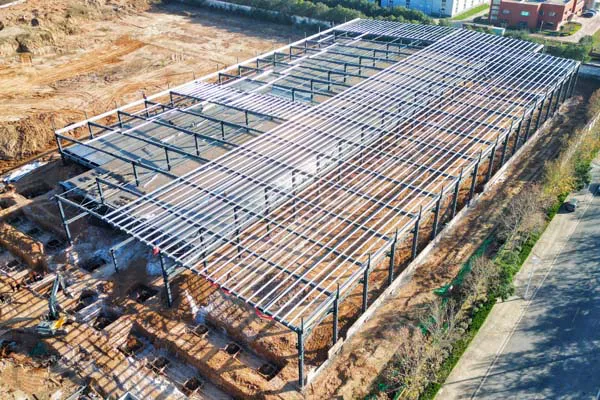
Luoyang Haode Auto Parts Steel Structure Factory Project
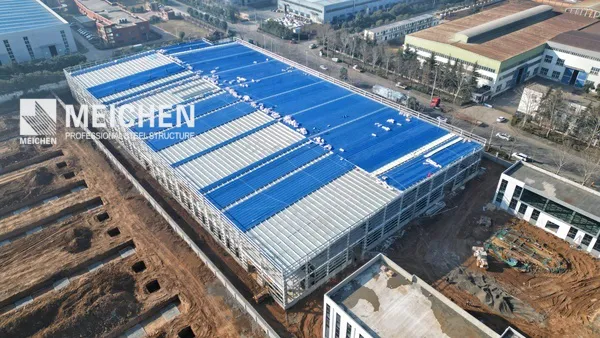
Automated Glass Production Line Steel Structure Factory Building Project
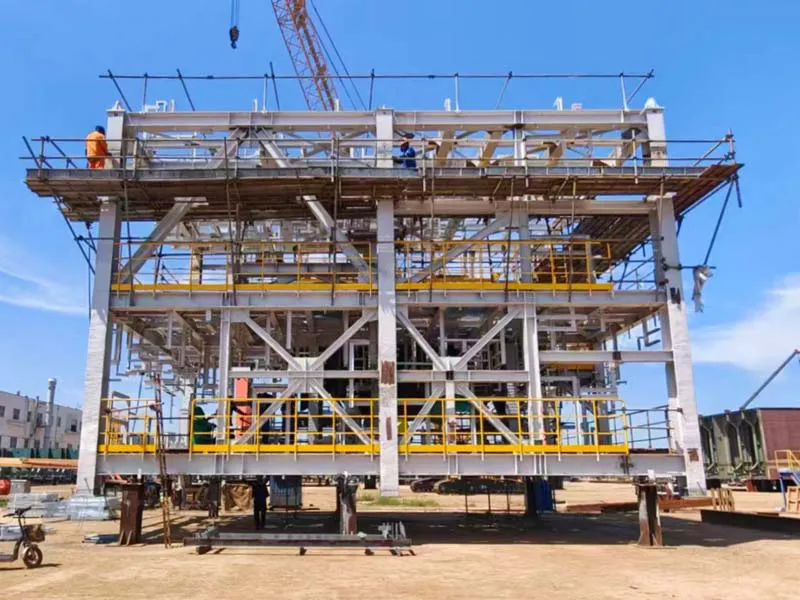
Oil & Gas Modular Steel Structure Fabrication Project
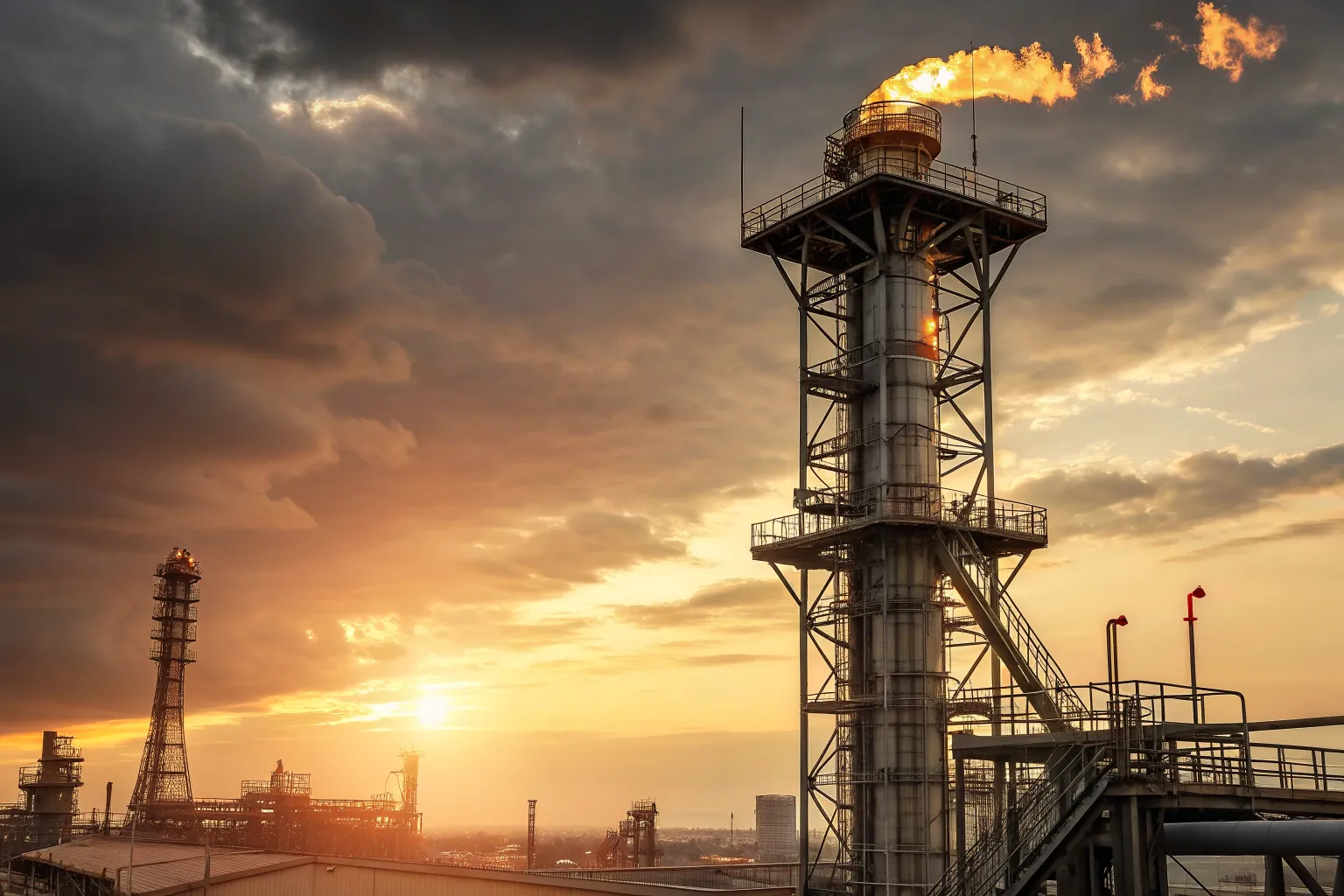
Flare Stack Structure