Time:2026-11-09 03:10:02 Source:Sanjian Meichen Steel Structure
Selecting the right steel type for industrial applications can significantly affect structural integrity, manufacturing efficiency, and long-term costs. Engineers and procurement professionals often face the decision between hot-rolled and cold-formed steel, each offering distinct characteristics suited to different use cases. This article provides a detailed, unbiased comparison of hot-rolled vs cold-formed steel, covering production processes, mechanical properties, surface quality, cost implications, and typical industrial applications. Understanding these differences is essential to optimizing project outcomes, whether for heavy structural frameworks or precision components. MeiChen Steel, with its extensive experience in supplying both product lines, supports clients in making technically sound and economically efficient choices.
Hot-rolled steel is processed at temperatures above the recrystallization point—typically over 1700°F (926°C). The steel is heated, passed through rollers to achieve desired thickness, and then cooled at room temperature. This process eliminates internal stresses and allows for large reductions in thickness, making it ideal for producing heavy sections such as beams, channels, and plates. The resulting surface is scaled and slightly rough, with less precise dimensional tolerances compared to cold forming. However, the high-temperature process yields a more ductile material that is easier to weld and form further.
Cold-formed (or cold-rolled) steel starts with hot-rolled steel pickled to remove scale, then rolled at room temperature through a series of dies to achieve precise shapes and tight tolerances. The cold working increases yield strength and hardness through strain hardening, while also improving surface finish and dimensional consistency. Cold-formed sections are typically thinner and lighter, but with higher strength-to-weight ratios. Common profiles include C-sections, Z-sections, and custom roll-formed shapes used in secondary structural elements and building cladding.
The following table summarizes critical comparative factors for industrial users:
Hot-rolled steel is the backbone of heavy industrial construction. Its lower cost, excellent weldability, and ability to absorb dynamic loads make it the primary choice for:
When the design requires thick sections (over 1/2 inch) or large spans, hot-rolled steel delivers economical performance. MeiChen Steel supplies a full range of hot-rolled beams, channels, and plates from domestic mills, ensuring consistent chemistry and mechanical properties.
Cold-formed steel excels in applications where weight savings, precision, and aesthetic surface finish matter. Typical uses include:
Cold-formed steel is especially advantageous in seismic zones because of its high strength-to-weight ratio, reducing inertia forces. However, designers must account for local buckling in slender sections. MeiChen Steel offers technical support to optimize profile selection based on load and deflection requirements.
 Choosing between hot-rolled and cold-formed steel often depends on project-specific parameters. MeiChen Steel bridges the gap by offering both product lines with comprehensive mill certifications and third-party testing. Our in-house engineering team assists clients in comparing costs, lead times, and performance characteristics for each project. With decades of experience serving industrial clients, MeiChen Steel can supply custom sizes, cut-to-length services, and just-in-time delivery to keep your production on schedule. We also provide guidance on coating and corrosion protection, ensuring that the chosen steel type meets long-term durability targets.
In summary, neither hot-rolled nor cold-formed steel is universally superior—the correct choice depends on your application’s structural demands, dimensional tolerances, budget, and fabrication methods. Hot-rolled steel suits heavy, cost-sensitive structures; cold-formed steel is ideal for lightweight, precision-driven components. Evaluate your priorities, and when in doubt, consult with experienced suppliers like MeiChen Steel to validate your selection. With the right information and support, you can confidently specify steel that delivers both performance and value.
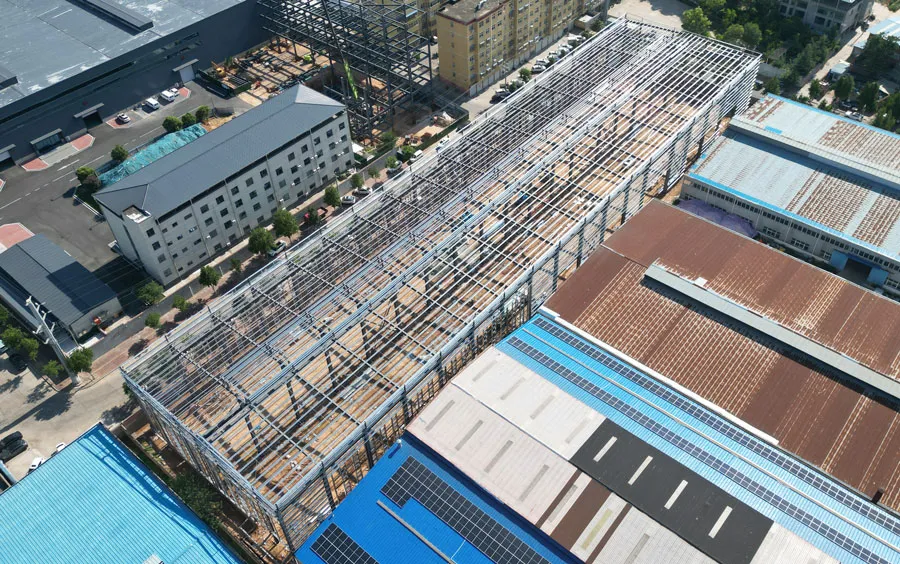
Steel Structure Workshop Solutions
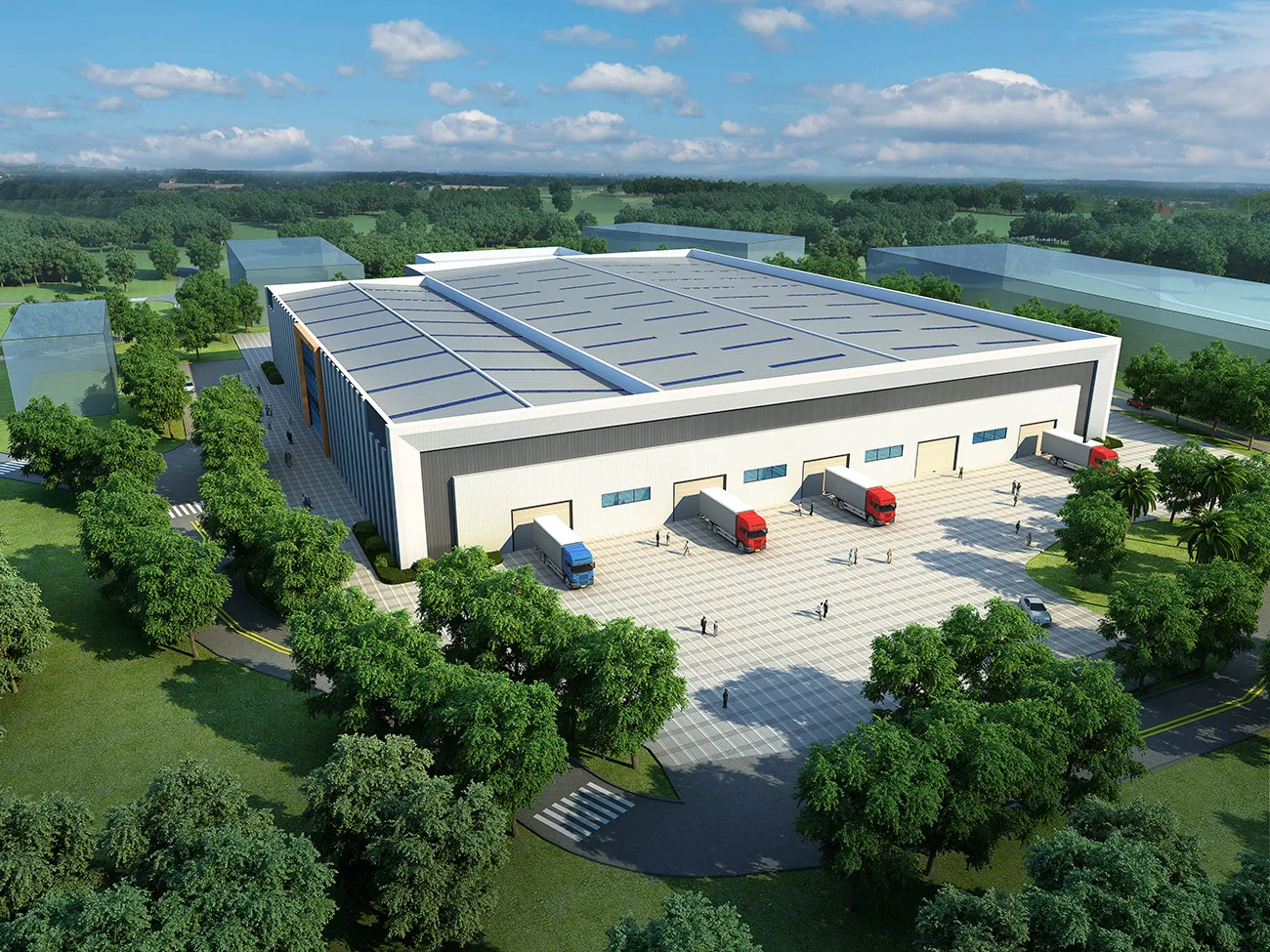
Steel Warehouse Solutions
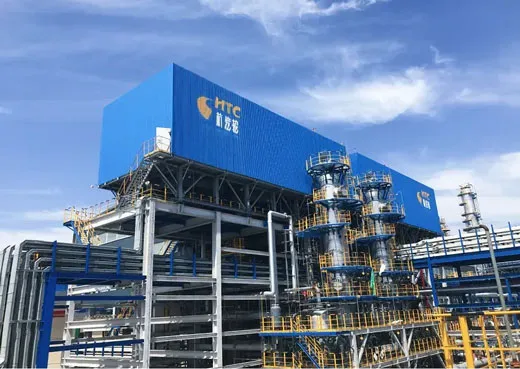
Heavy Steel Structures for Equipment
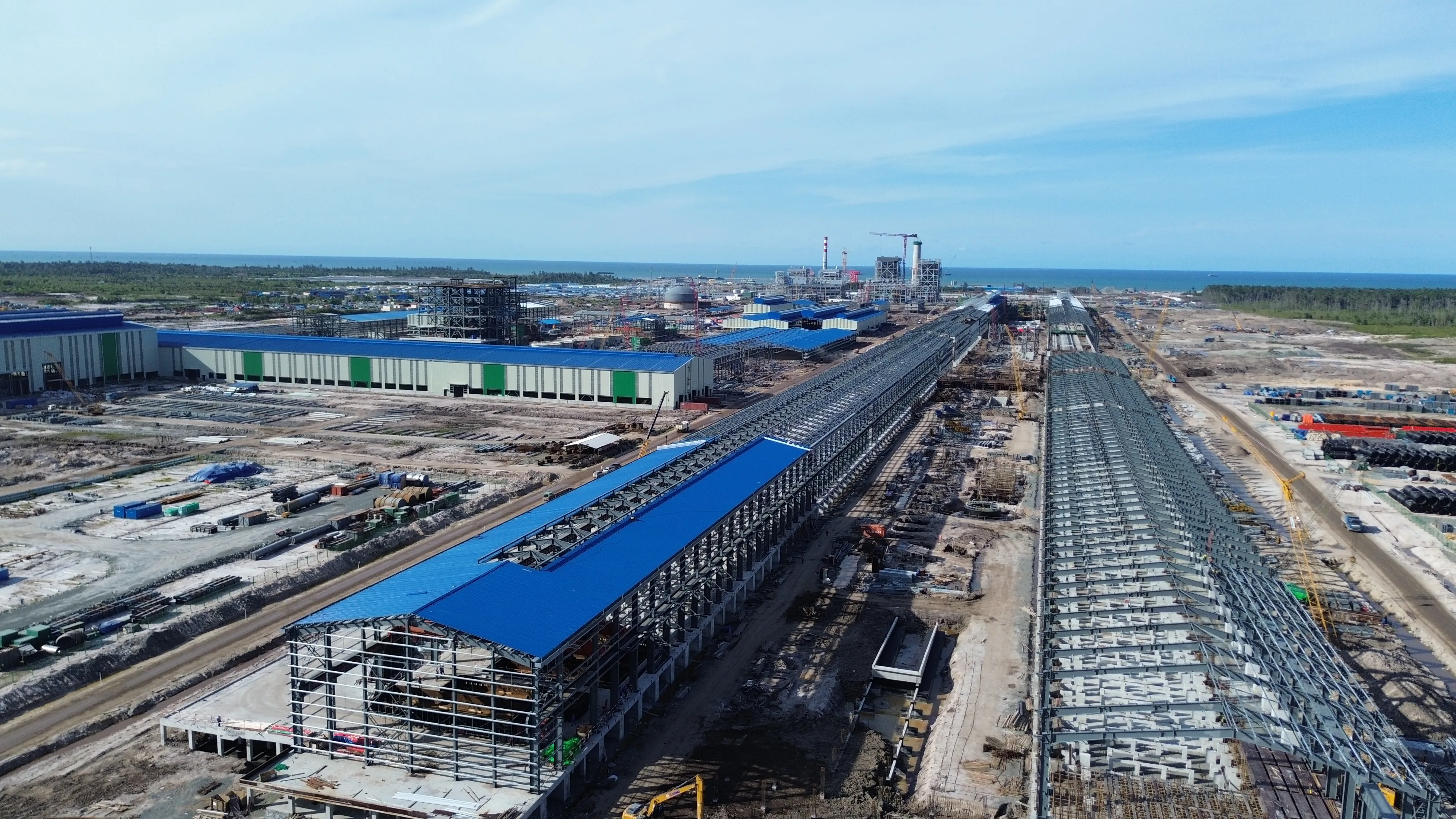
Indonesia North Kalimantan Aluminum Plant Project
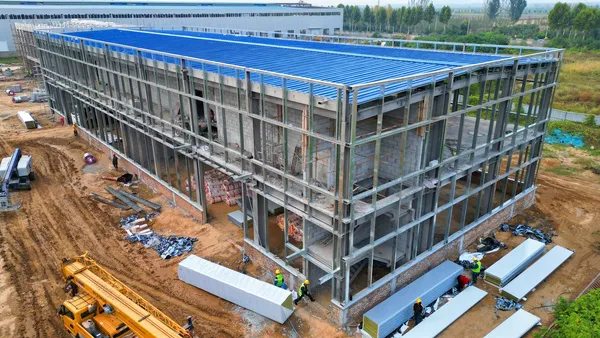
Steel Structure Factory and Warehouse Project for a Material Processing Production Base
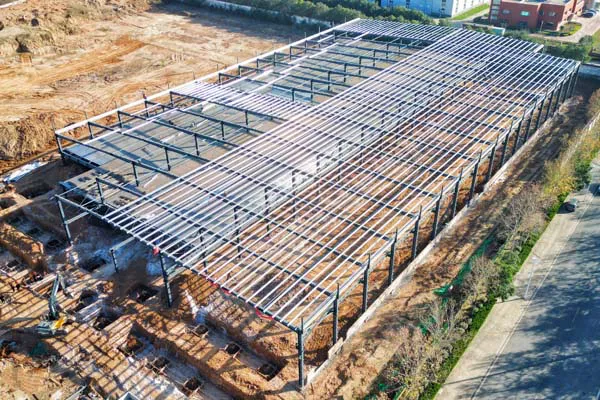
Luoyang Haode Auto Parts Steel Structure Factory Project
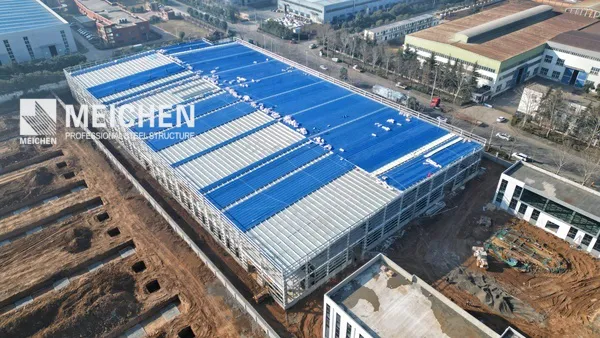
Automated Glass Production Line Steel Structure Factory Building Project
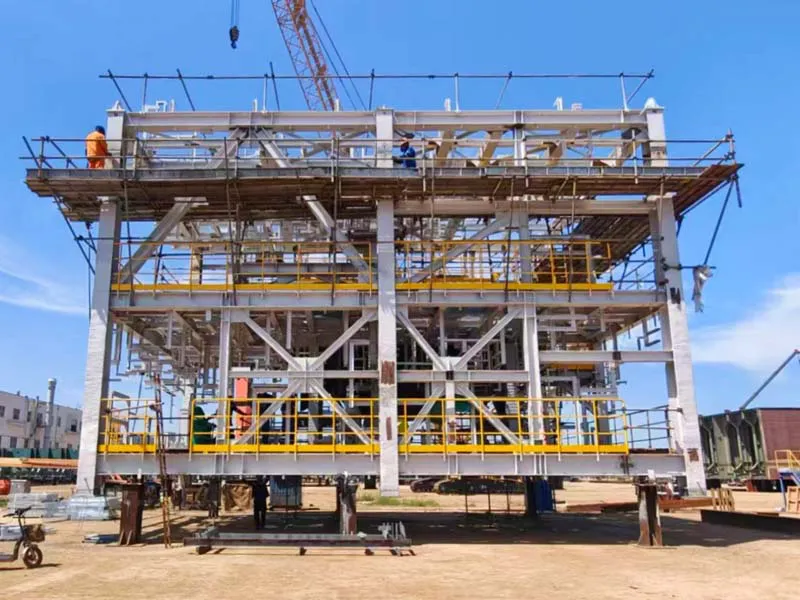
Oil & Gas Modular Steel Structure Fabrication Project