Time:2026-06-22 01:25:52 Source:Sanjian Meichen Steel Structure
If you’re worried about delays, cost overruns, or unreliable quality in your steel structure projects, you’re not alone. The right Chinese manufacturer can mean the difference between profit and disaster.
Choosing a reliable steel structure manufacturer in China isn’t just about getting the lowest price. We need to dig deeper: check their certifications, evaluate how well their factory runs, understand their quality control, test their communication, and confirm their pricing and service promises. I’ve spent years in this industry, and I know what works—and what hurts.
Most B2B buyers face the same problems when sourcing steel structures from China: tight timelines, unpredictable quality, and communication gaps. Personally, I’ve seen the results of poor choices—lost revenue, project delays, and endless headaches. I still remember a big project that nearly collapsed because a vendor went silent during a key phase. Our team learned to ask the right questions and demand proof at every stage. You can avoid these risks if you know what to look for, and we’ll walk through each step together.
Getting a stack of certificates isn’t enough. I always start by looking at sector-specific certifications: EN1090 for EU projects or AISC for North America, not just generic ISO 9001. But those papers only tell half the story. Request real project references and sample design drawings. The way they present drawings and their technical understanding can show you if they really know what they’re doing. If they stumble to explain their project details, that’s a warning sign.
The real test is direct access to their engineering team. The best companies connect you with a licensed structural engineer. If you can talk with their lead engineer about your project needs, you’ll find out quickly if they have the technical depth or if they’re just selling on paper. I once spoke with an engineer who caught a design clash before fabrication, saving us weeks of rework. That insight only comes from solid engineering teams, not just paperwork.
| Criteria | Verification | What You Should See |
|---|---|---|
| EN1090/AISC/AWS | Certifications + Tests | Professional, sector-specific papers |
| Licensed Engineer | Direct Contact | Real conversation, not marketing |
| Project Reference | Site Visit/Photos | Clear evidence of completion |
| Drawing Quality | Sample Review | Technical, detailed, well-annotated |
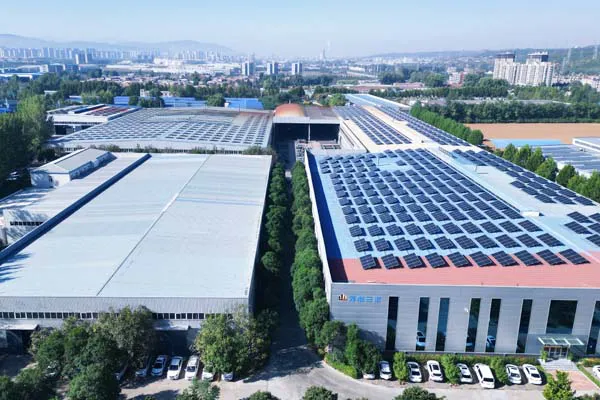
Promises alone won’t deliver your project on schedule. Every reputable factory should be willing to let you visit—or at least walk you through a real-time video tour of the manufacturing floor. We look for CNC cutting machines, automated welding lines, shot blasting and paint booths. If most operations are manual, the risk of mistakes and slippage rises fast.
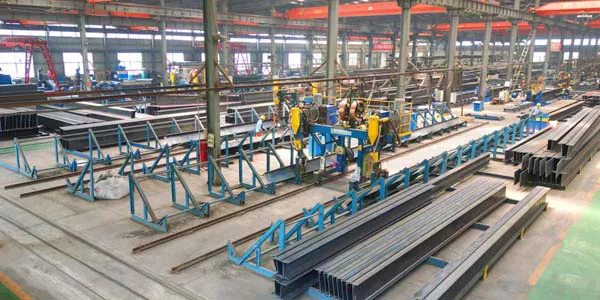
Another important trick: ask for their maximum monthly output and average lead times for similar projects. Hesitation, vague numbers, or dodged questions usually mean they outsource or run too many projects at once. Once, we nearly chose a supplier who claimed huge capacity, but their production logs showed barely half. Real facilities should show you production schedules and tonnage records you can verify.
Here’s how we break down factory readiness:
| Equipment | Purpose | What To Ask For |
|---|---|---|
| CNC Machines | Precision | Sample cut pieces, live video |
| Welding Automation | Quality, speed | In-progress work, throughput |
| Shot Blasting | Surface Prep | Finished products, process charts |
| Paint Booths | Durable Finish | Materials, before/after photos |
| Output/Lead Time | Schedule Control | Production log, order history |
Quality isn’t just what happens at the end—it starts when the steel arrives. Insist on seeing their quality control flowcharts, and ask whether they have a dedicated QC team or just managers doing spot checks. Dedicated inspectors mean constant oversight, not occasional reviews.
Regular third-party inspections are a must for international projects. Good manufacturers welcome it, knowing it brings trust. We always request inspection logs for each stage—material, fabrication, welding, coating, and packaging. When our own client required independent checks, a major welding flaw was found and fixed before shipping. That’s the kind of protection you need.
Here’s a breakdown of QC best practices:
| QC Stage | Who Inspects | What To Request |
|---|---|---|
| Material Sourcing | QC Staff | Batch/material records |
| Fabrication/Welding | QC + Third Party | Inspection reports |
| Coating, Packing, Delivery | QC Team | Signed checklists, evidence |
Communication is where so many projects break down. From my experience, the best manufacturers assign project managers fluent in your language and versed in international standards. That means they handle shop drawings and BIM models in formats you can easily review. If you send a question or request a sample document, measure how quickly and professionally they reply. Fast answers mean smooth coordination. A slow or unclear response tells you there will be headaches down the line. Our best supplier answered RFIs within a day—others let requests drag for weeks, causing huge delays and disputes.
Look for these signs:
| Communication Feature | Evidence | Positive Sign |
|---|---|---|
| Fluent Project Manager | Email/call | Answers in hours, not days |
| Drawing Quality | Sample provided | Correct, detailed, editable |
| BIM Capability | Demo/explained | Easy collaboration |
| Quote/RFI Response | Time tracker | Prompt, professional |
Transparent pricing is rare, but it changes everything. Demand itemized quotations that spell out material grades, workmanship standards, surface treatments, packaging, and delivery. Too often, buyers fall for a “low price” only to find hidden fees or downgraded materials mid-project.
Reliable suppliers offer flexible payment terms. Look for reasonable deposits, L/C options, and milestone payments. If all they want is 100% advance, you should be cautious. I once worked on a project where hidden surcharges nearly wrecked our budget, but at another factory, clear breakdowns prevented surprise costs.
Review their quote for these details:
| Pricing Detail | Evidence | What To Watch For |
|---|---|---|
| Material Grade | In quote/spec | Q345, Q235, ASTM, etc. |
| Surface Treatment | Quoted item | Galvanized, painted |
| Payment Terms | Stage breakdown | Deposit, LC, milestone |
| Hidden Charges | Full itemization | No surprise fees or resets |
The relationship shouldn’t end at shipment. Ask about their after-sales service team and get references from previous clients. Request a written warranty with clear terms and response times. Many suppliers go missing after delivery, but the best have dedicated support teams who reply quickly.
Once, we had a paint defect arise months after installation. Our supplier sent a tech on site within two days, solved the issue, and kept us as a repeat client. That kind of fast, documented support is what builds trust and saves you trouble.
Here’s what to ask:
| Warranty Feature | Evidence | Positive Sign |
|---|---|---|
| Written Warranty Policy | Document copy | Easy, clear terms |
| After-Sales Team | Contacts/testimonials | Real people, quick replies |
| Support History | Client reference | Problem solved, repeat buyer |
| Commitment to Service | Email/paperwork | Responsiveness, attention |
Our experience shows that reliable manufacturers stand out by technical competence, production capacity, strong quality control, responsive communication, transparent pricing, and genuine after-sales support. Take the time to vet every stage—your reputation and profits depend on it.
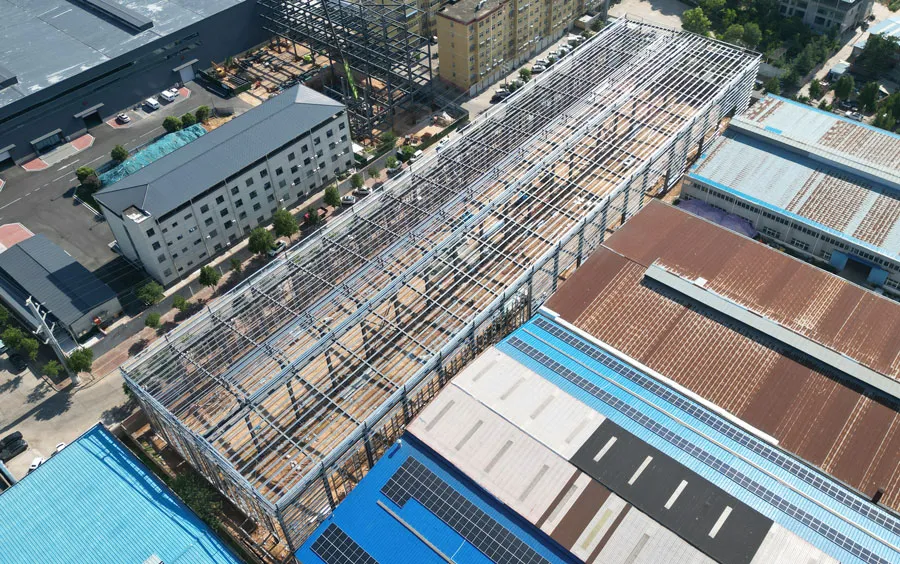
Steel Structure Workshop Solutions
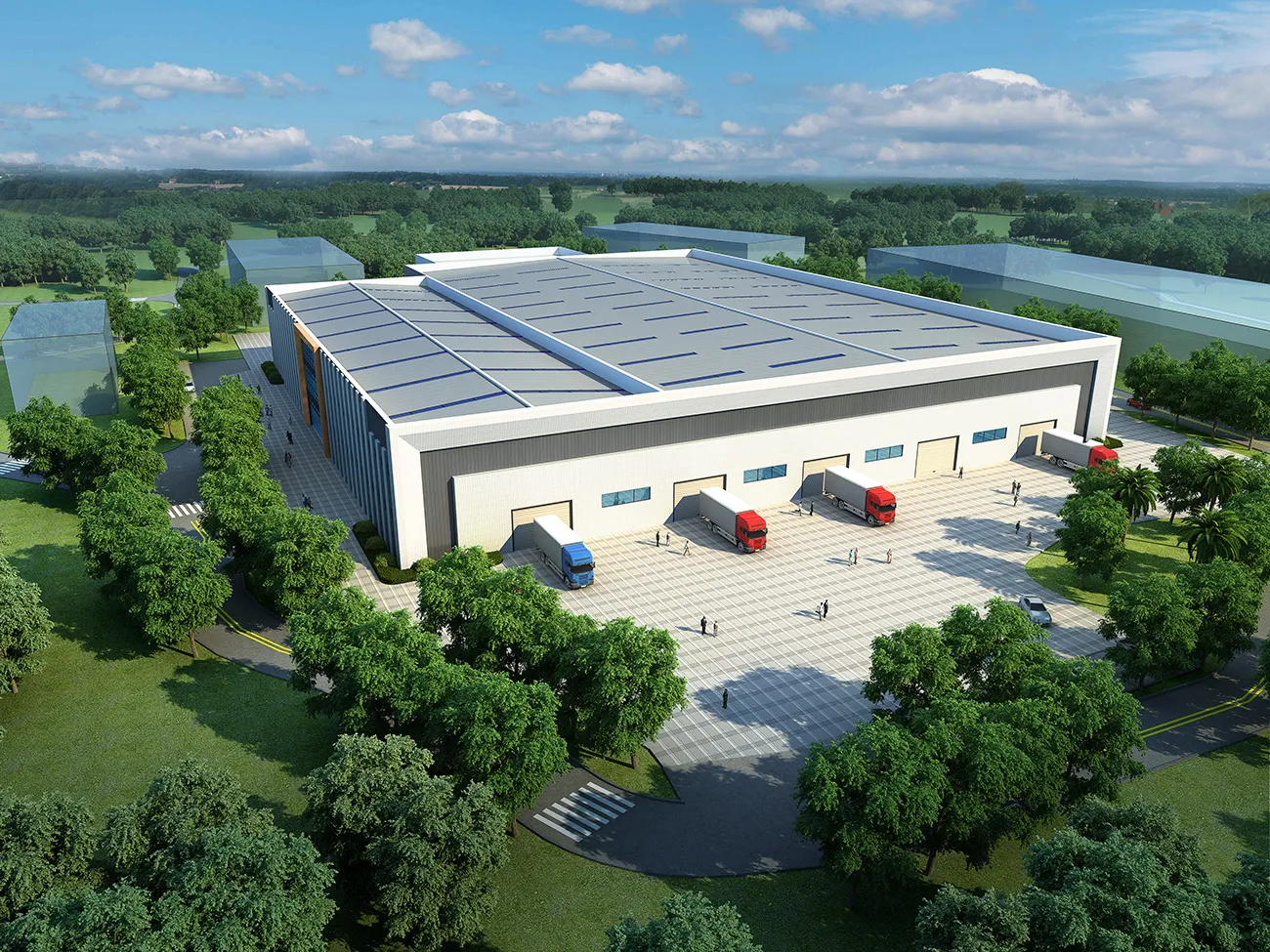
Steel Warehouse Solutions
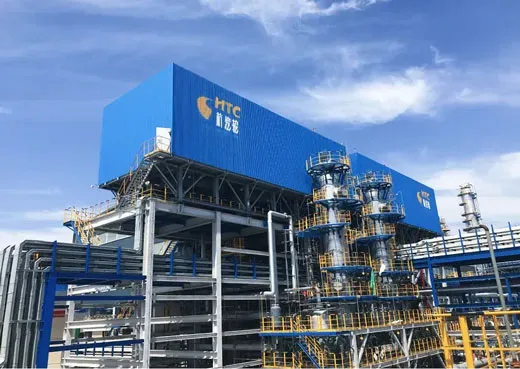
Heavy Steel Structures for Equipment
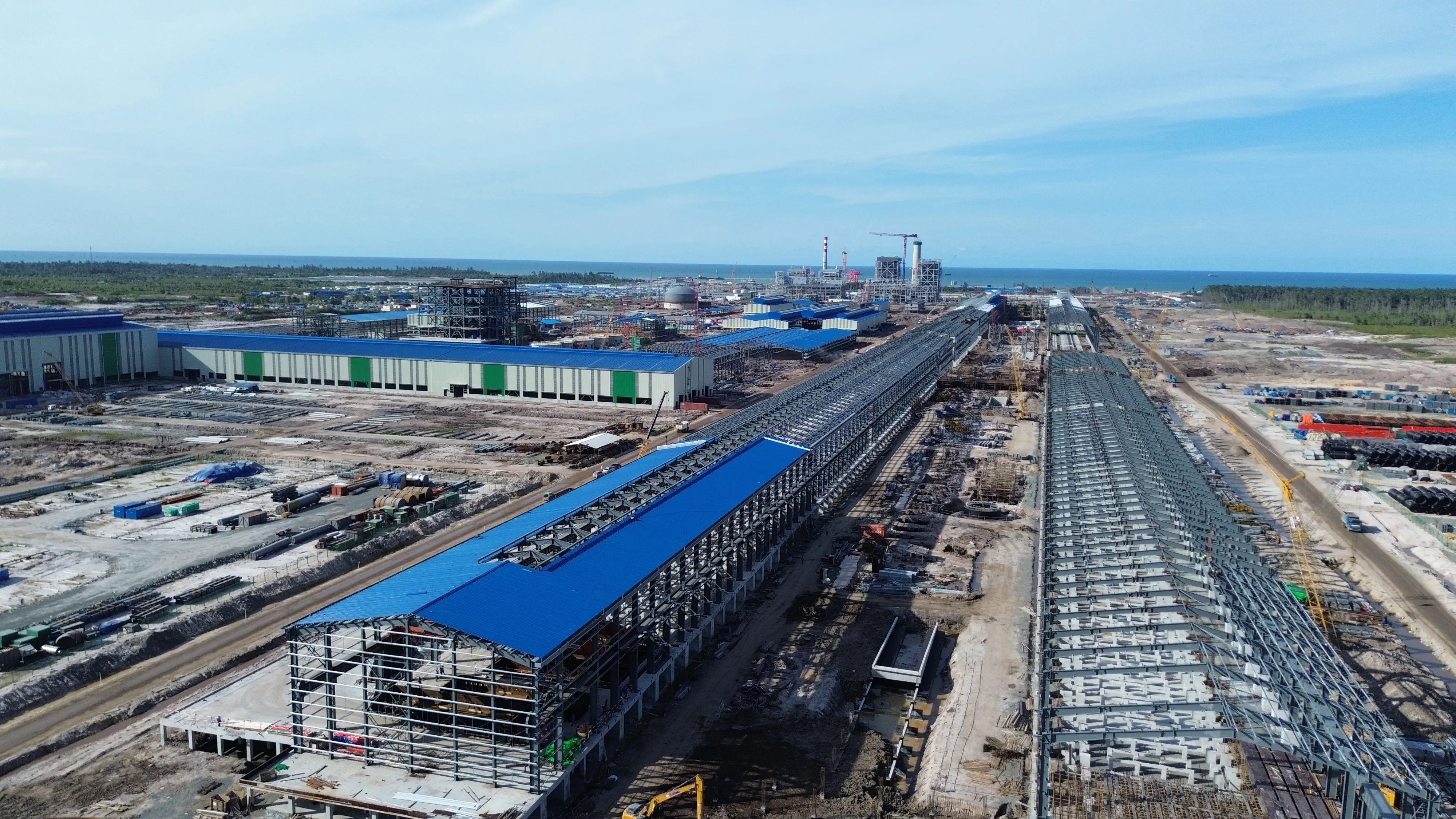
Indonesia North Kalimantan Aluminum Plant Project
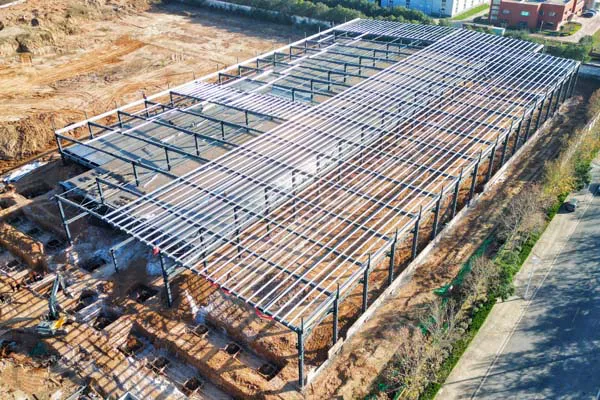
Luoyang Haode Auto Parts Steel Structure Factory Project
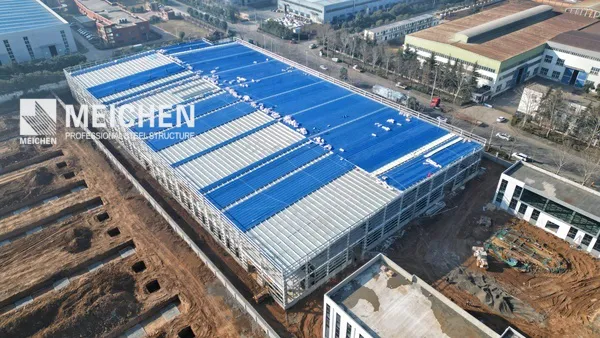
Automated Glass Production Line Steel Structure Factory Building Project
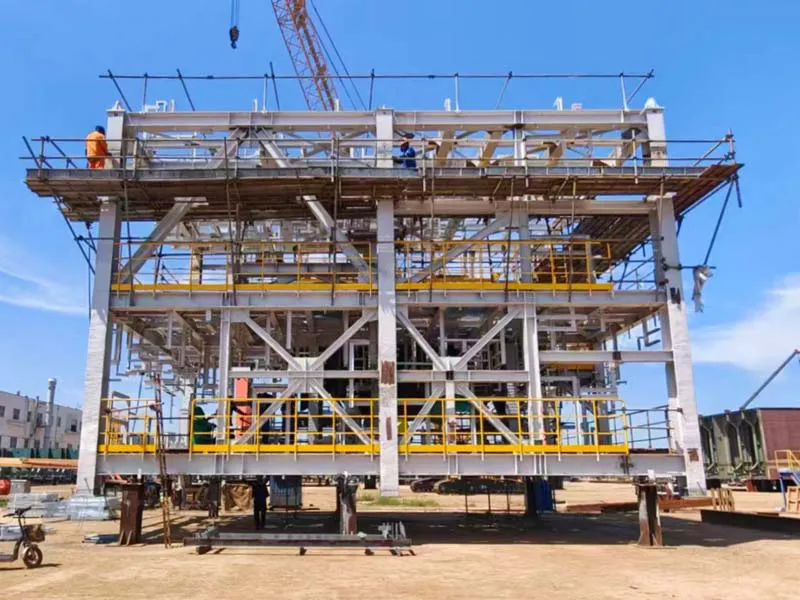
Oil & Gas Modular Steel Structure Fabrication Project
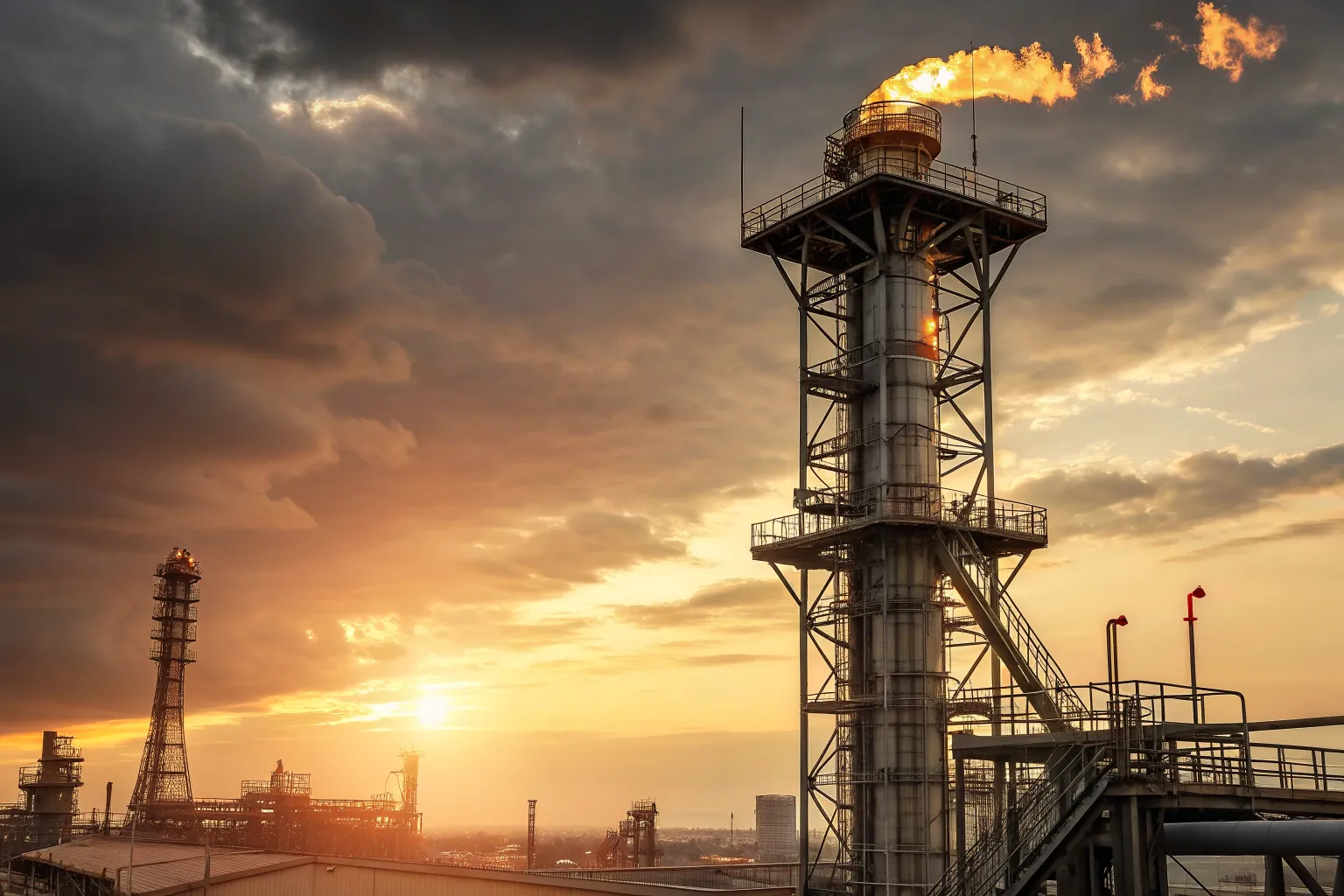
Flare Stack Structure