Time:2026-07-02 07:18:48 Source:Sanjian Meichen Steel Structure
Picture yourself faced with a crucial steel procurement decision—should you import from China, or buy from your local supplier? Get this wrong, and your project might stall, costs might balloon, and you could lose sleep over every bolt and beam.
Local suppliers give quick responses, easy site visits, and flexible service; China suppliers promise lower costs, larger scale, and impressive credentials. The right choice is not just price—it is how everything fits your exact project needs, from cost breakdown to after-sales support. Let me share stories, practical tips, and even a table or two from my own journey—so you can make your decision with confidence.
Over the years, we have switched between local and Chinese suppliers many times. Each project taught us something new. One time, an energy plant job nearly collapsed because a shipment from China was stuck in port for three weeks. Another time, choosing a local supplier helped us fix onsite issues in hours, saving days of work. Steel supply is never simple. I want you to see what lies beneath the surface—hidden costs, quality shortcuts, and supplier relationships that can make or break your schedule. Stay with me, and I will show you how to avoid the common mistakes and find the best value for your project.
Most of us are tempted by China’s low price tags. Is it that simple? Here is the reality behind the price advantage.
Chinese suppliers offer prices up to 30% lower than local manufacturers, mainly because of cheaper labor, bulk material negotiation, and efficient production lines. Yet, once you factor in ocean freight, handling at ports, insurance, tariffs, and possible onsite adjustments, the “real” cost often increases. In some of our projects, just logistics and trade fees pushed up budget forecasts by 15%. Sometimes, after correcting mismatched parts onsite, we spent way more than expected. Looking back, we learned that “hidden costs” can shrink the savings fast.
| Cost Type | China Supplier | Local Supplier |
|---|---|---|
| Factory Price | Lower | Higher |
| Logistics/Transport | Higher | Lower |
| Customs & Tariff | Higher | Lower or None |
| Installation Adjustments | Unpredictable | Standard |
| Final Delivered Cost | Slightly Lower | Higher, but more stable |
Here is what really matters: Always calculate logistics, customs, insurance, installation support, and potential delay expenses. Total landed cost is what counts, not ex-factory price. Before signing, we clarify responsibility points—delivery terms, who covers installation mistakes, and what happens if tariffs change mid-project. This is how we avoid price traps and keep budgets under control.
We all know Chinese suppliers can show glowing certifications—ISO, CE, EN. Can you rely on what you see?
Many Chinese factories reach international standards, but experience showed us that paper certification does not mean real consistency. For large projects, we demand full process documentation, samples, and third-party inspection—often by SGS or BV. More than once, we caught issues in welding, surface treatment, or anti-rust paint that were not visible on paperwork. Local suppliers let us monitor production in person, do random checks, and solve problems face-to-face.
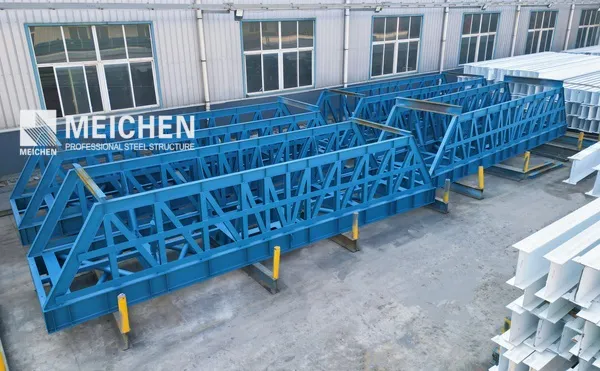
One time, a Chinese shipment arrived with holes mismatched against our European drawing standards. This forced us to re-drill at site, costing days and extra labor. Had we used a local factory, we could have fixed it in hours. Still, Chinese suppliers are improving. Sometimes their advanced modular and prefab products outperform local—especially for bulk, standardized projects. For projects needing deep customization or heavy onsite support, local suppliers win for reliability.
Quality lesson: Always ask for sample batches, detailed process reports, and spot checks before production. Include a “final acceptance” clause in contracts. For special coatings or structural parts, compare both suppliers—not just by certification, but by real samples and independent test results.
Quick delivery at a low price is tempting. Is the China supply chain reliable enough for your schedule?
Chinese factories are efficient, especially for standard products. Fast output helps meet tight deadlines—unless shipment hits an unexpected snag. We once faced an international port delay that added two weeks to our schedule. Local suppliers may take longer to produce, but problems get solved faster and last-minute adjustments are easier.
| Factor | China Supplier | Local Supplier |
|---|---|---|
| Production Lead Time | Fast | Moderate |
| Shipping | Weeks, variable | Days, stable |
| Onsite Adjustment | Slow | Fast |
| Schedule Risk | Moderate-High | Low |
When speed counts and the main structures are standard, we often split buying: order bulk steel from China, then get custom or critical items locally. If you want flexibility, guard your timeline with backup plans. Always ask for shipping schedules, clarify late penalty terms, and check container tracking frequently. We do not leave important parts to chance—they must be covered by contract, warranty, and local supervision.
The steel business is about more than just the steel. Communication and service shape every project.
Chinese suppliers are great at quick quoting and factory output. But when we needed to clarify drawings, fix onsite problems, or arrange urgent changes, local suppliers shined. Language barriers and time zone differences caused misunderstandings. Sometimes, small errors in translation or drawing revision led to expensive surprises onsite. Local suppliers can send someone directly to your job site—getting fixes started the same day.
In one refinery project, we found a design mismatch during assembly. The local supplier’s engineer was onsite the next morning with a solution. With China suppliers, you must request an onsite engineer in advance, write after-sales terms into contracts, and keep spare parts ready for emergencies. We learned to specify who is responsible for issues—not just during production, but through delivery and installation. Good communication solves problems faster and saves money when challenges appear.
Has technology or new business models changed how we should buy steel? Is mixing suppliers the best way forward?
Chinese factories now use smart manufacturing—producing modular, high-performance parts with better consistency. We see their advantages in large-scale industrial projects, parks, and energy plants. For small batch custom pieces or complex onsite jobs, local suppliers offer unmatched flexibility. We now take a hybrid approach: bulk China orders for standard parts, local sourcing for custom work and emergency adjustments.
| Project Type | China Supplier Strength | Local Supplier Strength |
|---|---|---|
| Standard Bulk | Price Advantage | Moderate |
| Custom, Deep Install | Moderate | High |
| Urgent Project | Moderate | High |
| Advanced Modular | High | Moderate |
Recently, digital communication tools and third-party checks have made importing easier and safer. Still, we never skip local checks or onsite controls. Contracts now include both quality criteria and installation support. By blending cost-saving imports with local expertise, we optimize for both budget and performance. For every project, we measure supplier options against real needs—never just price or paperwork.
Choosing between China and local steel suppliers is about balancing cost, quality, delivery, and support. The best results come from understanding your project’s real priorities and planning ahead.
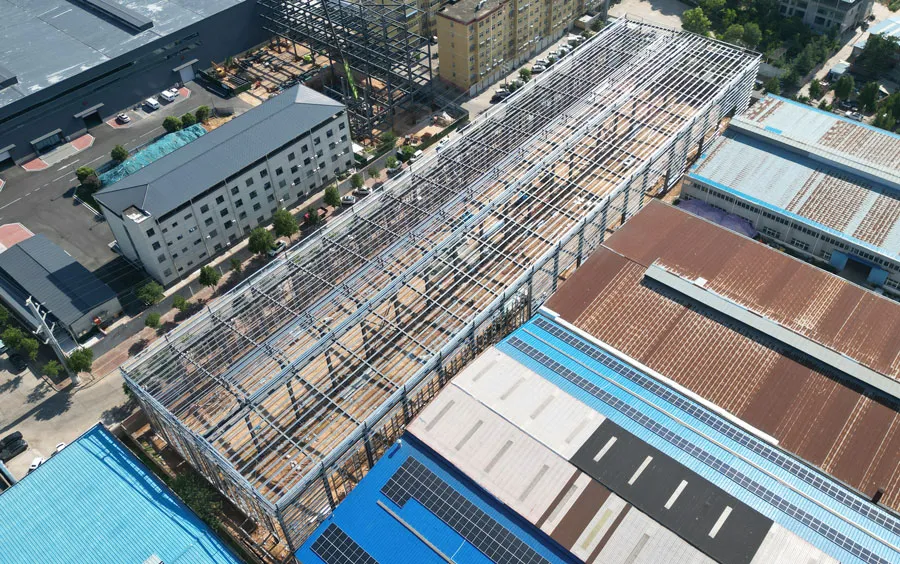
Steel Structure Workshop Solutions
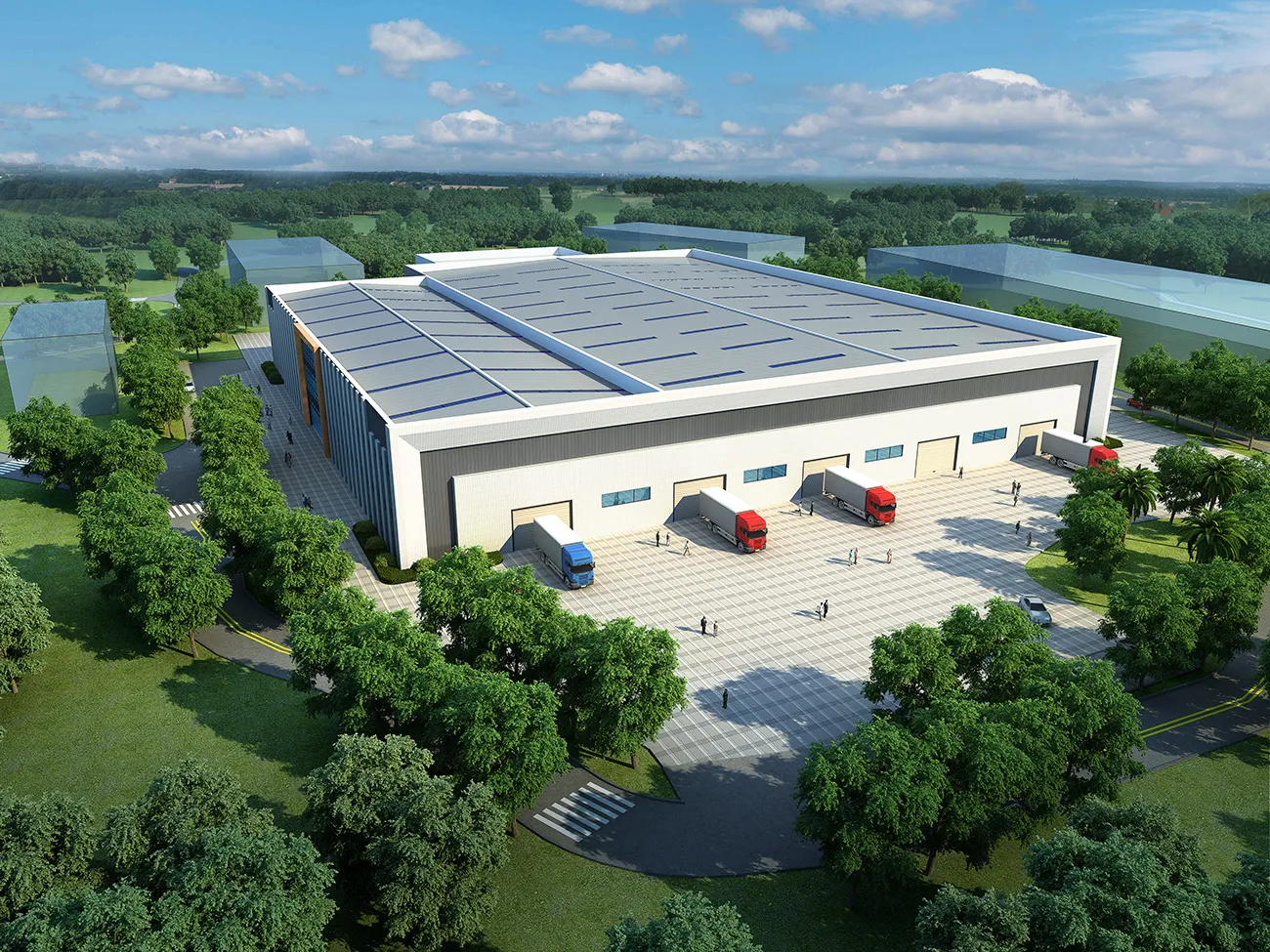
Steel Warehouse Solutions
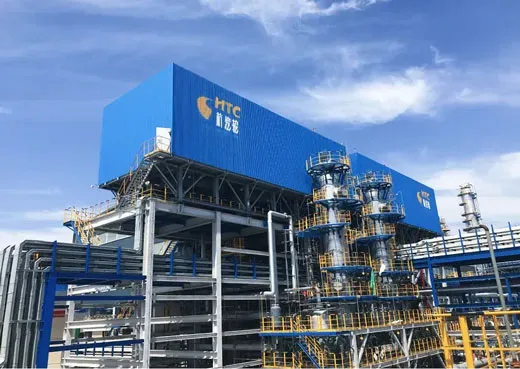
Heavy Steel Structures for Equipment
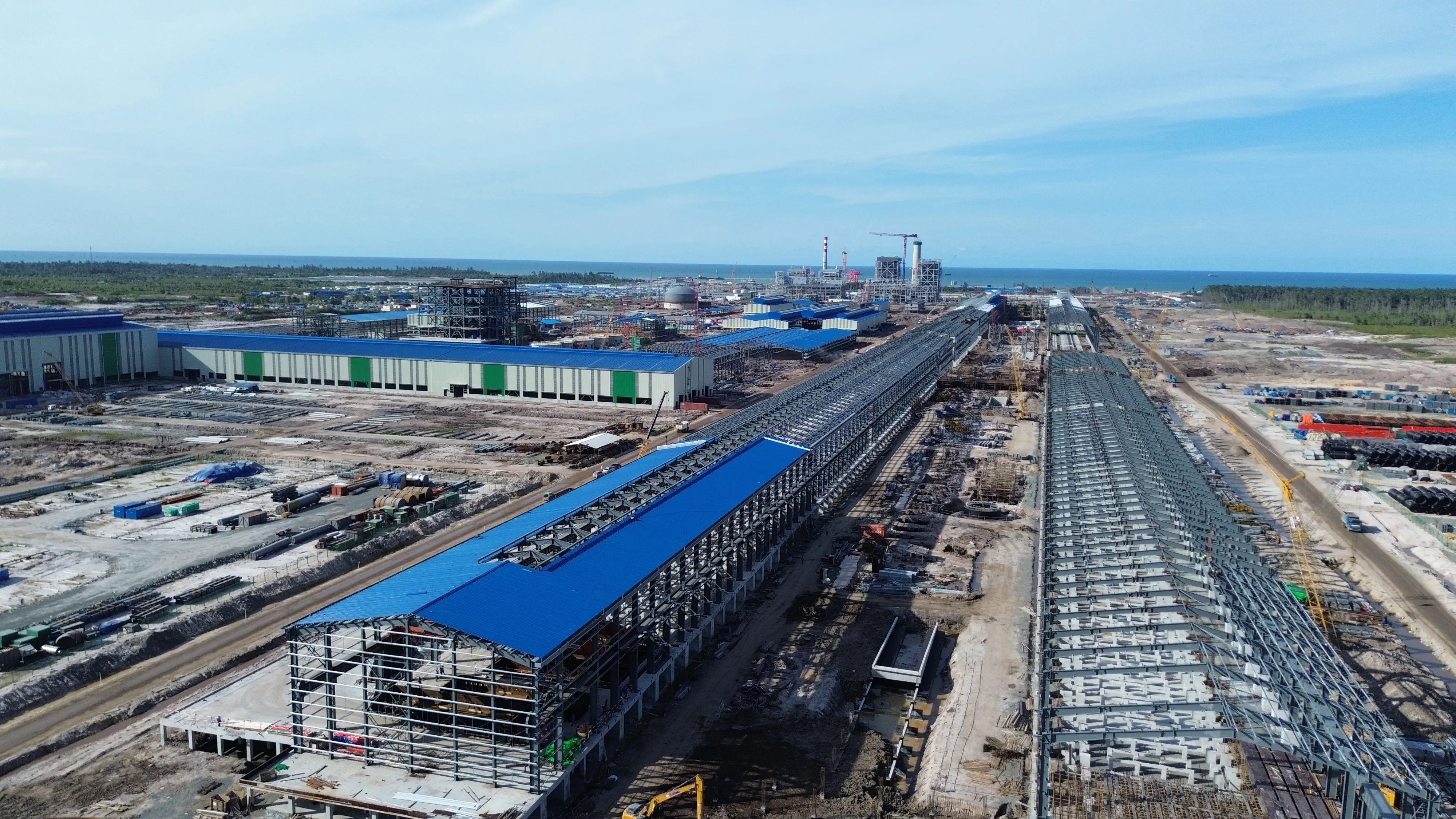
Indonesia North Kalimantan Aluminum Plant Project
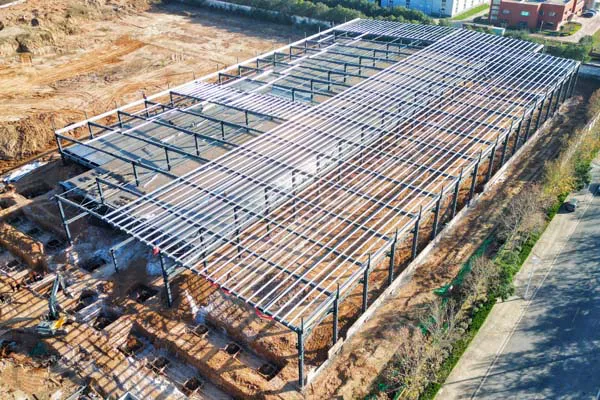
Luoyang Haode Auto Parts Steel Structure Factory Project
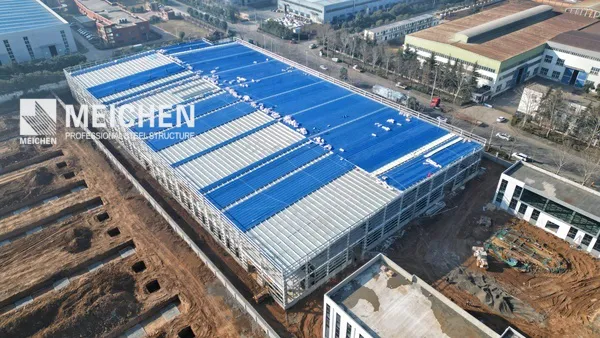
Automated Glass Production Line Steel Structure Factory Building Project
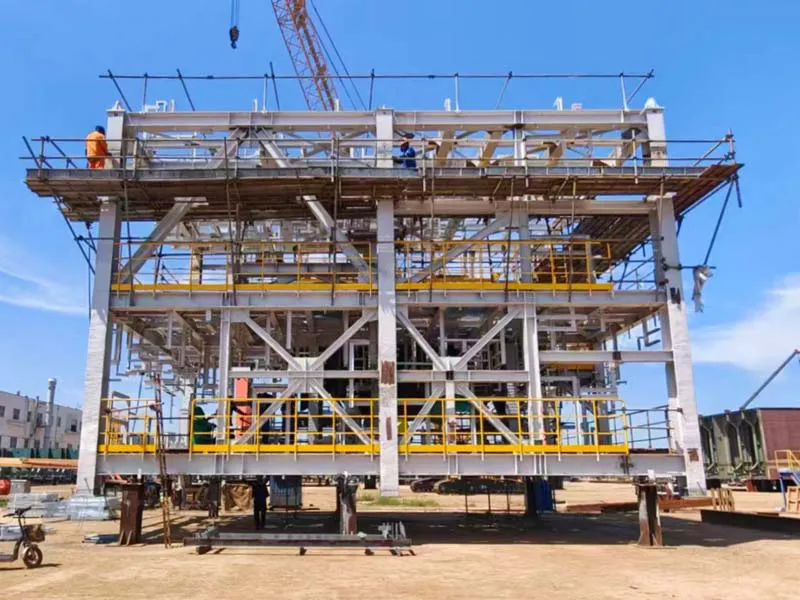
Oil & Gas Modular Steel Structure Fabrication Project

Flare Stack Structure