Time:2026-08-11 07:21:50 Source:Sanjian Meichen Steel Structure
Facing a factory building project? Choosing the right steel structure can save money, ease headaches, and future-proof your investment.
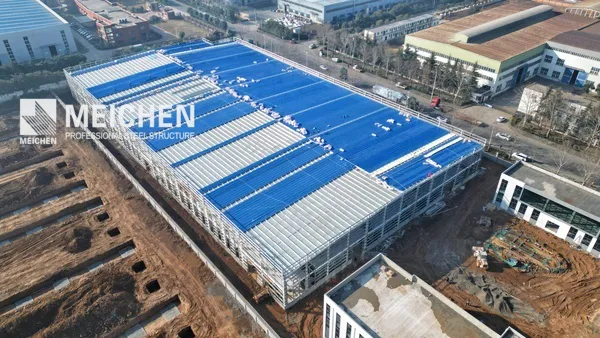
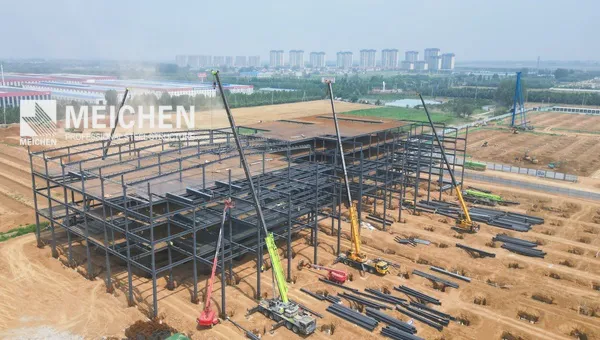
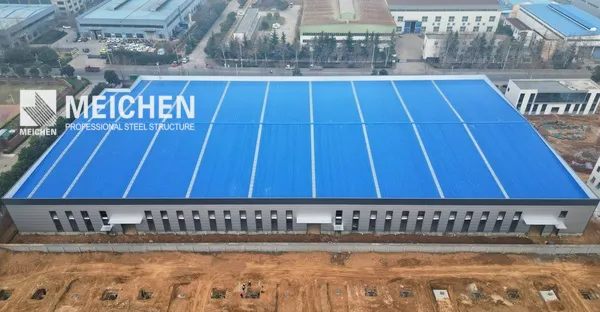
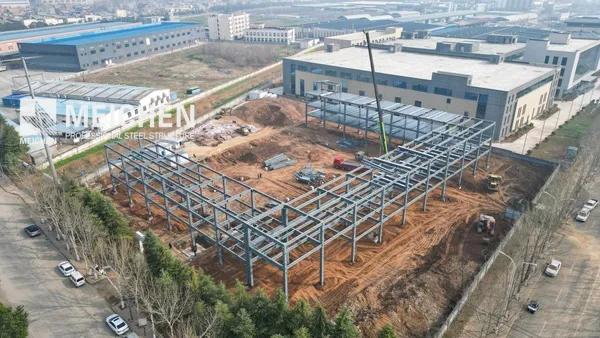
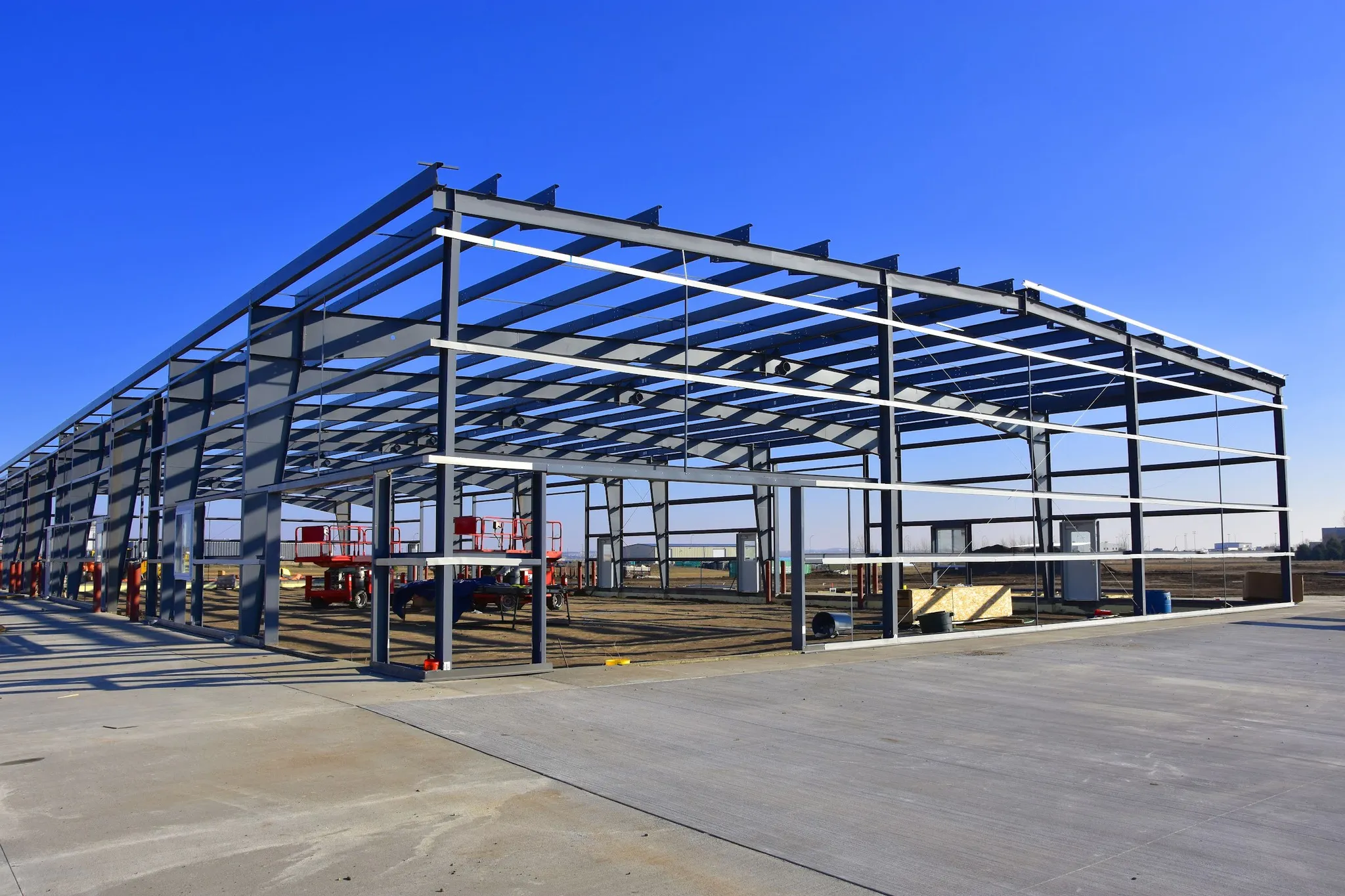
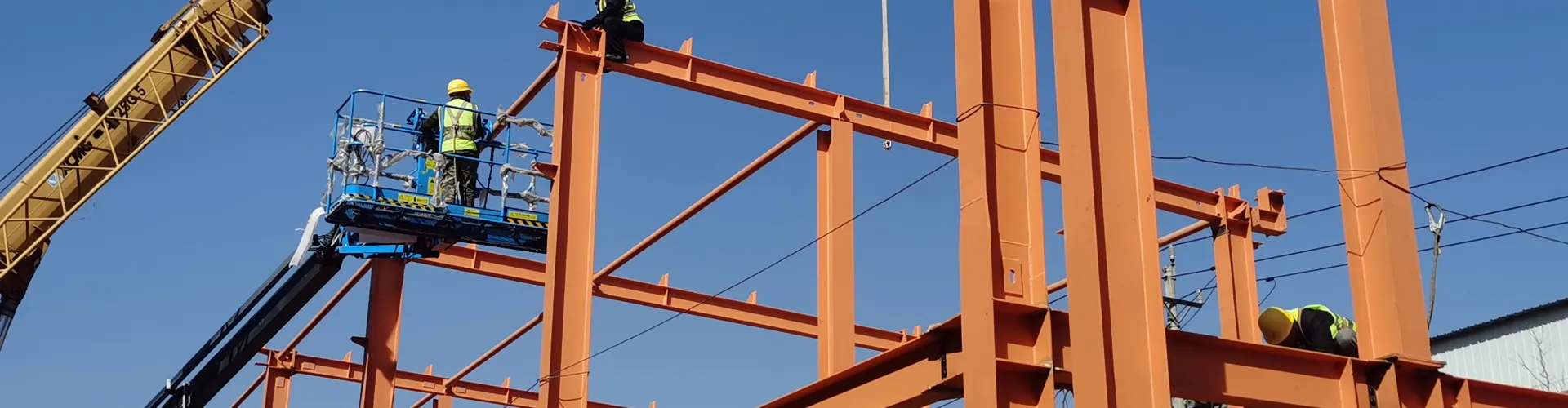
A steel structure factory building is an industrial facility built mainly from steel columns, beams, bracing, and various wall and roof cladding. These structures are designed to provide large, open spaces and lasting durability for manufacturing, warehousing, processing, or logistics.
From years spent coordinating factory construction—sometimes in harsh climates or under tight production schedules—I have learned most buyers are not simply buying a "building." They are buying a system that must adapt, withstand equipment loads, and keep business running for decades. Let’s unpack what makes steel factory buildings the industry’s favorite and how you can maximize your project investment.
Many clients come to us pressed for time and looking for flexibility. Steel factory buildings give you rapid construction, easy expansion, and the strength-to-weight ratio needed for modern industrial operations.
The popularity comes from fast build times (with prefabricated parts ready-to-assemble), large column-free spaces for machinery and logistics, flexible designs for cranes or offices, and lower foundation loads that suit a variety of soils.
We have seen how a late building handover can cost more than the steel itself—missed product launches, idle crews, and wasted financing. A reliable schedule sometimes creates more value than the cheapest price. The adaptability is unmatched: need to add a production line next year? Want better insulation or decide on a rooftop solar installation in the future? Steel buildings make changes easier. The open spans are also a game-changer. I remember one client with overhead cranes across a 30-meter span; steel made that possible without columns blocking workflow.
Here’s how steel stacks up against alternatives:
| Feature | Steel Structure | Concrete Structure | Brick Structure |
|---|---|---|---|
| Construction Speed | Weeks/Fast | Months/Slower | Months/Slowest |
| Expansion Flexibility | Easy | Limited | Difficult |
| Span Length (columns) | Up to 60m+ | Up to 20m | <15m |
| Foundation Load | Lower | Higher | Higher |
| Maintenance | Low/moderate | Moderate/high | High |
These differences matter whether you are building a logistics center, production workshop, or a warehouse.
Sometimes, buyers mistakenly think "all steel buildings are the same." Structural choices shape every aspect from cost to crane operation and expansion.
The main structural types are portal frames, heavy steel frames, multi-story systems, and combined steel-concrete hybrids—each fitting different industrial needs.
Let me share practical experience. Portal frames are ideal for single-story, wide spaces—think workshops, moderate equipment loads, or basic storage. They are fast and cost-effective. Heavy steel frames suit heavy cranes and dynamic loads—steel mills, mining, cement plants, or places with tall bays and heavy vibration. Multi-story steel structures work well for urban sites or vertical processes, like electronics factories. Hybrid steel-concrete layouts provide fire resistance and stiffness for process plants or facilities facing intense chemical exposure.
One example: In a cement plant project, moving from portal to heavy frame prevented costly crane modifications. Choosing the right system isn’t just technical—it impacts future expansion, equipment flexibility, and your project schedule.
| Structural Type | Best Use | Key Features | Limitations |
|---|---|---|---|
| Portal Frame | Workshops, warehouses | Fast, low cost | Not for heavy cranes |
| Heavy Steel Frame | Steel mills, heavy machinery | Tall bays, strong | More expensive |
| Multi-Story Steel | Urban, vertical factories | Space-saving | Complex build |
| Hybrid | Chemical, process industries | Fire/stiff, durable | Heavier, costlier |
We always recommend matching structural choices to equipment loads, future plans, and environmental risks up front.
When clients ask for a “steel factory quote” without much detail, the final price often misses the mark—and you risk expensive change orders.
To get a precise quote, you should provide building dimensions, specific usage, local climate details, crane specs, wall and roof preferences, fire protection needs, and future plans.
From personal experience: a simple change, like specifying a crane’s lifting height or the region’s wind/snow loads, changes the steel design dramatically. Two buildings of the same dimensions can differ in steel weight and cost by as much as 30% depending on these factors.
Here’s a practical checklist we share with clients:
| Information Area | Why It Matters | Risks of Missing Data |
|---|---|---|
| Length, width, height | Steel quantity, layouts | Over/underbuilt structure |
| Production details | Loads, equipment, vibration | Unsafe/ineffective design |
| Local climate | Wind, snow, seismic, temperature | Structural/foundation problems |
| Crane specs | Impacts beams, columns, bracing | Costly rework/unsafe operation |
| Envelope & fire needs | Compliance, insulation, insurance | Later retrofit, higher costs |
| Expansion plans | Futureproofs foundation/detailing | Expensive retrofits |
Sharing more detail up front has helped clients avoid disputes and keep schedules tight.
We often see buyers select materials based solely on price or thickness, but real durability and lifecycle value depend on fire, insulation, and environmental needs.
Best results come from Q355 high-strength steel for main members, galvanized steel for purlins, and smart cladding choices matching your climate and safety requirements.
We prefer Q355 or its equivalents (ASTM A572, A992), giving higher strength and optimization. For secondary steel, galvanized purlins and bracing last longer. Cladding? Pick sandwich panels for insulation and sound—rock wool if fire resistance matters, PU/PIR for high insulation, single sheet for basic needs (but beware poor acoustics and condensation).
I have helped clients refine choices after facing corrosion issues; specifying proper coatings and bolt grades for coastal or chemical plant environments is key. Paint systems should be defined by thickness and prep—not just “two coats.”
| Material Type | Application | Core Feature | Example Use |
|---|---|---|---|
| Q355 Steel | Main structural | High load, efficiency | Heavy machinery bays |
| Galv. Purlins | Secondary members | Corrosion proof | Roof, walls |
| Sandwich Panel | Enclosure | Fire/insul/soundproof | Cold storage, office |
| Single Sheet | Basic enclosure | Budget, simple | Simple warehouses |
| Hot-Dip Galv. | Severe environment | Marine, chemical | Coastal factories |
Selecting materials carefully lowers future maintenance costs and enhances building lifespan.
We know that simply comparing prices or looking at workshop pictures leaves buyers exposed to risk. True reliability comes from engineering depth, manufacturing capacity, quality control, export know-how, and fast, clear communication.
Pick suppliers who proactively request your technical details, provide traceable QA documents, and have a track record of similar projects.
I remember a factory project where the supplier’s export documentation saved weeks on customs clearance. Ask about welding certificates, NDT reports, how shipments are packed and marked, and whether installation support is available.
The best suppliers challenge your scope and ask for clarifications—because they want your building to succeed, not just win a quick sale. We always check references for similar climates, duty cycles, and export support.
| Supplier Attribute | What To Review | Impact on Your Project |
|---|---|---|
| Engineering Capability | Design questions, optimization | Lower lifecycle cost, safety |
| Manufacturing Capacity | Factory scale, equipment | On-time delivery |
| Quality Assurance | Certificates, inspection | Fewer site issues, compliance |
| Export Experience | Packing, shipping know-how | Smooth import, less headache |
| Reference Projects | Similar industry and climate | Practical confidence |
The supplier’s strength often shows before the contract—if they ask the right questions.
Many buyers fall into traps—choosing on weight alone, sending vague inquiries, or ignoring installation details. We help clients avoid these pitfalls by sharing lessons learned.
Common mistakes include buying by price per ton, not specifying crane loads, missing site details, or failing to check export support.
Let me highlight a few: One client selected the lowest quote, only to find incomplete fire coating and mismatched bolts. In another case, not specifying crane loads led to expensive on-site retrofits. By planning for foundations, precise anchor bolts, and installation sequence, you increase reliability and safety.
| Mistake | How It Hurts You | How We Solve It |
|---|---|---|
| Price per ton only | Sacrifices quality, lifespan | Balance specs and price |
| Vague inquiry | Misleading quotes, surprises | Provide full RFQ checklist |
| Ignored site needs | Delays, mismatched parts | On-site planning advice |
| Overlooked coating | Fast corrosion, costly repairs | Specify DFT and process |
| Weak export support | Customs delays, lost parts | Vet supplier logistics |
We teach clients to use full technical scope for reliable quotations and long-term ROI.
We always encourage buyers to ask suppliers specific questions to protect your investment and avoid surprises.
Key questions cover codes, steel grades, included loads, crane details, coating type and thickness, bolt grades, exclusions, drawings, QA process, shipping details, and support for installation.
By asking these questions, you clarify scope and prevent future disputes. Here’s a handy table for your inquiry:
| Key Question | Reason to Ask | Risk Avoided |
|---|---|---|
| Design codes used? | Compliance and safety | Failed inspection |
| Steel grades? | Strength, durability | Inadequate performance |
| Included loads (wind etc)? | Structure matches site | Costly retrofit |
| Crane loads confirmed? | Safe operation, proper design | Unsafe or delayed |
| Coating spec and thickness? | Corrosion resistance, longevity | Premature coatings fail |
| Are bolts included? | Installation speed | Missing parts |
| Are drawings provided? | Approval and site clarity | Site confusion |
| Packing and shipping? | Export smoothness | Lost/damaged items |
| Installation support? | Safe, quick erection | On-site headaches |
We advise clients to keep this checklist to compare suppliers.
No matter how well-fabricated the steel, poor installation can wipe out the project’s gains. Attention to anchor bolt placement, crane access, bracing sequence, waterproof detailing, and bolt tightening makes the difference.
Installation problems often show up as leaks—not from panels, but from missed laps, bad flashing, or careless screw installation.
From supervising site work, we know planning for safe sequence, temporary bracing, and detailed waterproofing saves headaches. I remember a warehouse that leaked until we fixed gutter and skylight junctions. Maintenance prep starts at installation—get the basics right the first time.
| Installation Step | Why It Matters | Typical Issues |
|---|---|---|
| Anchor bolt setout | Structural stability | Misaligned columns |
| Crane for erection | Lifts, speed | Delays, damaged parts |
| Temporary bracing | Safety | Collapse risk |
| Waterproof detail | Weather tightness | Leaks, stains |
| Bolt tightening | Structural integrity | Loose structure |
Preparation up front keeps your site safe and dry the first day.
Steel factory buildings offer long-term value when built and maintained well. Regular inspection of coatings, fasteners, sealants, gutters, crane beams, and retightening bolts protects your investment.
Upgrading critical components—like premium coatings or stainless bolts—reduces shutdown time and future repair costs.
One factory client chose higher-grade paint and insulation, resulting in almost zero downtime in a corrosive environment. Maintenance interruptions cost more than repair itself—so early investment is wise.
| Maintenance Item | Why Needed | Frequency |
|---|---|---|
| Coating inspection | Prevents rust | Annually |
| Roof fastener check | Stops leaks | Annually or as needed |
| Sealant replacement | Maintains tightness | 3-5 years |
| Gutter cleaning | Avoids flooding | Every season |
| Crane beam check | Safe load movement | Every year |
Plan for maintenance, and your factory will stay reliable for years.
Steel factory buildings excel in manufacturing, energy support, logistics, agriculture, food processing, and light industry—delivering durable, flexible space for every sector.
Industrial specifics—even corrosion or explosion risk—demand attention.
For petrochemical projects, we make sure to match coating types, explosion-proofing, roof ventilation, and fireproofing standards. Generic suppliers miss these nuances—the right partner brings real experience.
| Sector | Steel Building Use | Special Considerations |
|---|---|---|
| Manufacturing | Workshops, lines | Crane, fire, vibration |
| Petrochemical/Energy | Maintenance, storage | Corrosion, fireproofing |
| Logistics/Warehousing | Storage, sorting | Span, insulation, expansion |
| Agriculture/Food | Processing, packaging | Hygiene, climate, corrosion |
| Light Industry | Textiles, electronics | Clean rooms, soundproofing |
Each application shapes your design and material choices.
After two decades and dozens of factory builds, my best advice is this: Don’t buy a steel factory building as a commodity. Define your needs, match the structure to your operations, and vet suppliers for deep engineering and project management. Compare technical scope, not just price, and focus on lifecycle cost.
The best steel structure gives you speed, safety, adaptability, and low ownership cost—helping your business thrive for decades.
Steel structure factory buildings are fast, flexible, and robust. With careful planning and supplier vetting, you get real value, not just a quick deal. Invest in clarity—your investment will pay off for years to come.
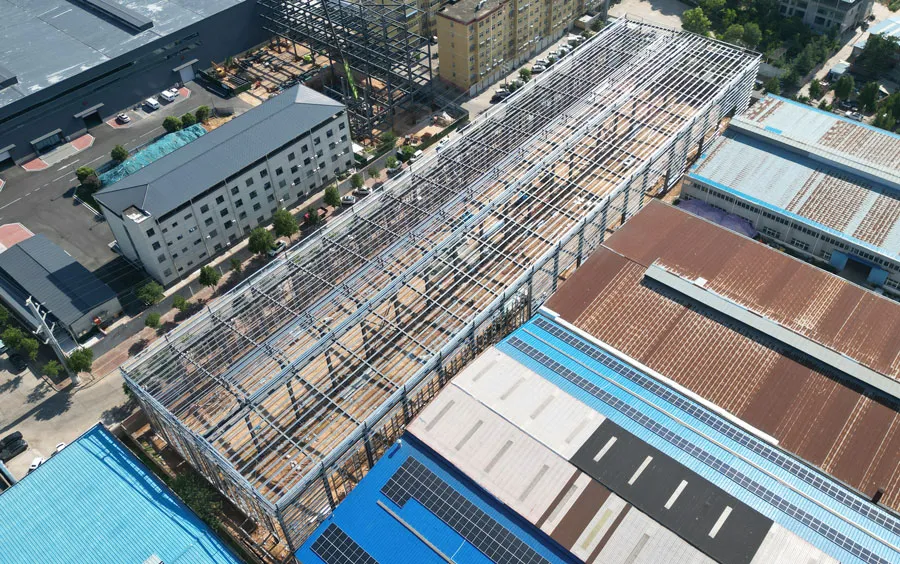
Steel Structure Workshop Solutions
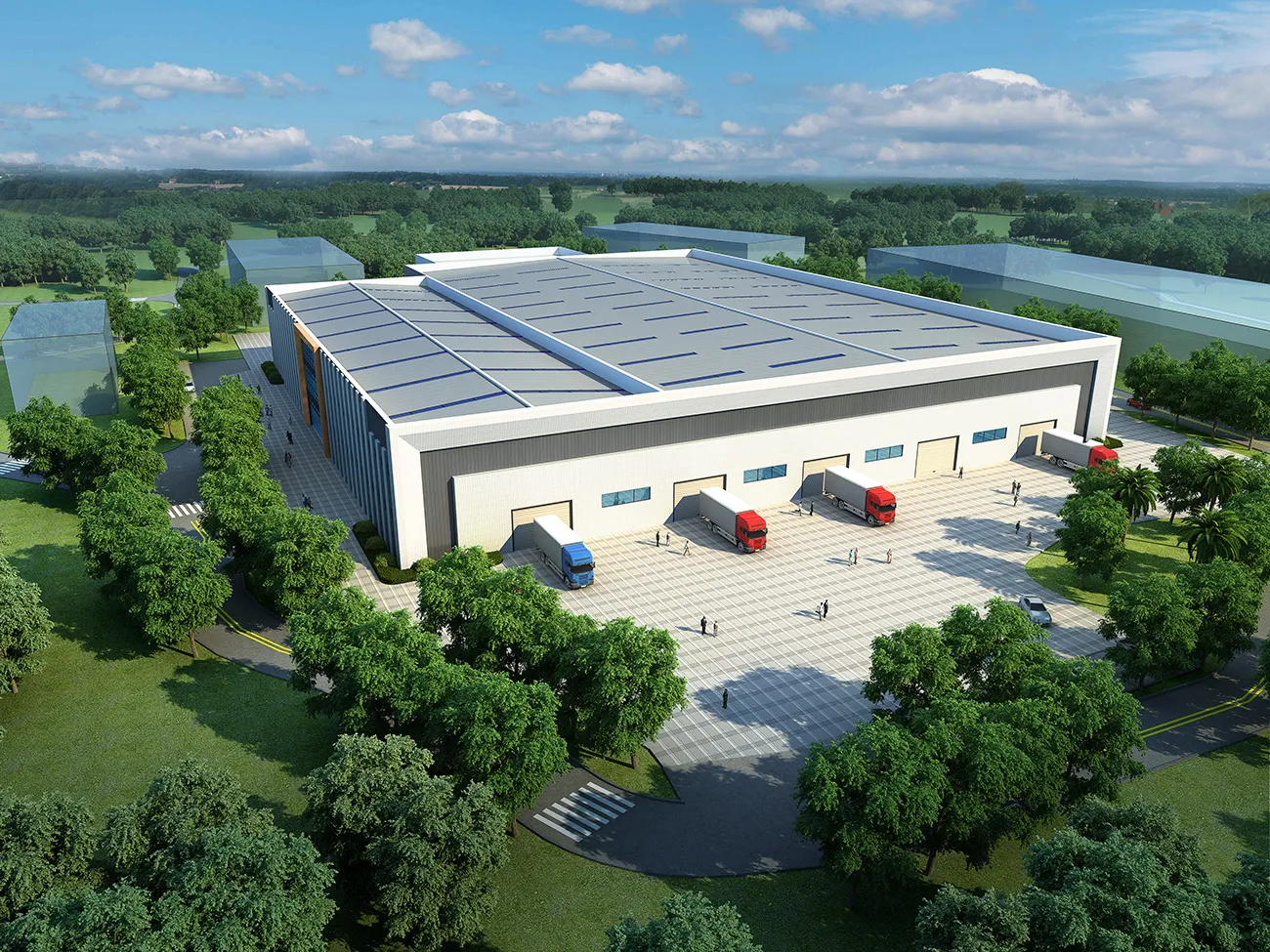
Steel Warehouse Solutions
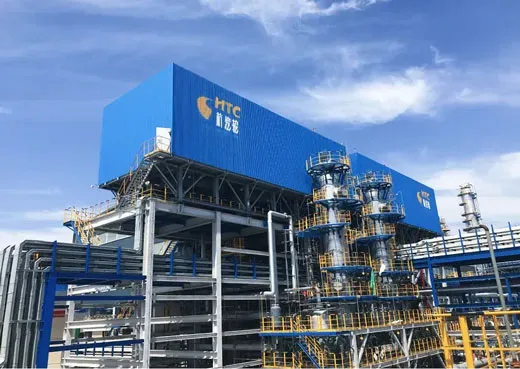
Heavy Steel Structures for Equipment
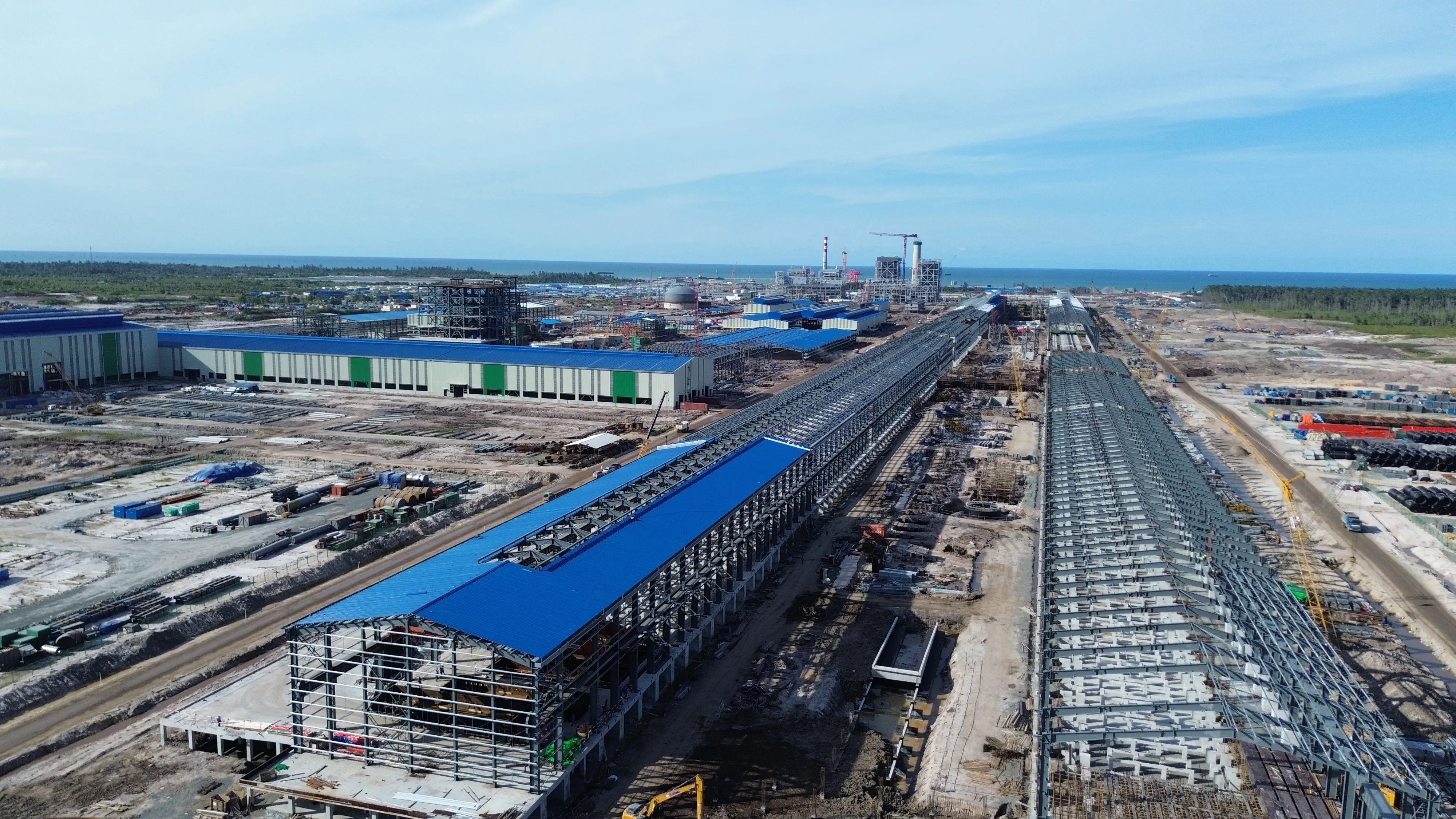
Indonesia North Kalimantan Aluminum Plant Project
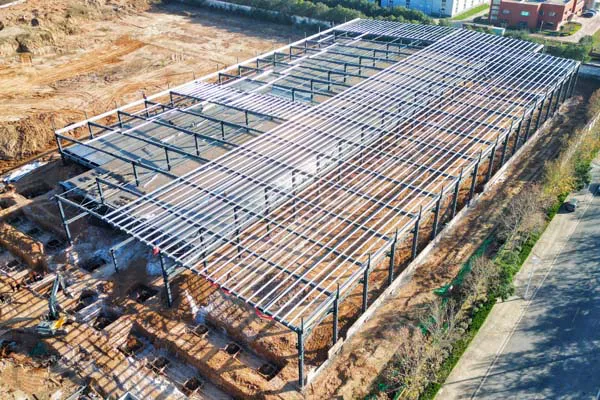
Luoyang Haode Auto Parts Steel Structure Factory Project
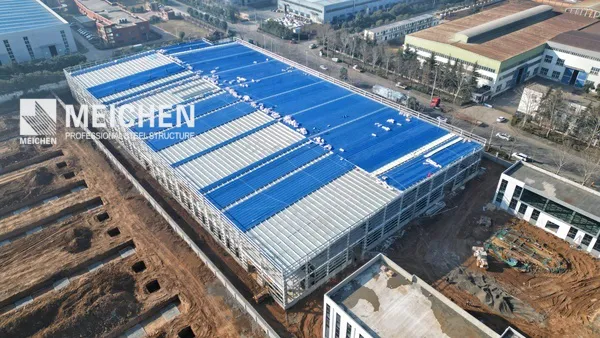
Automated Glass Production Line Steel Structure Factory Building Project
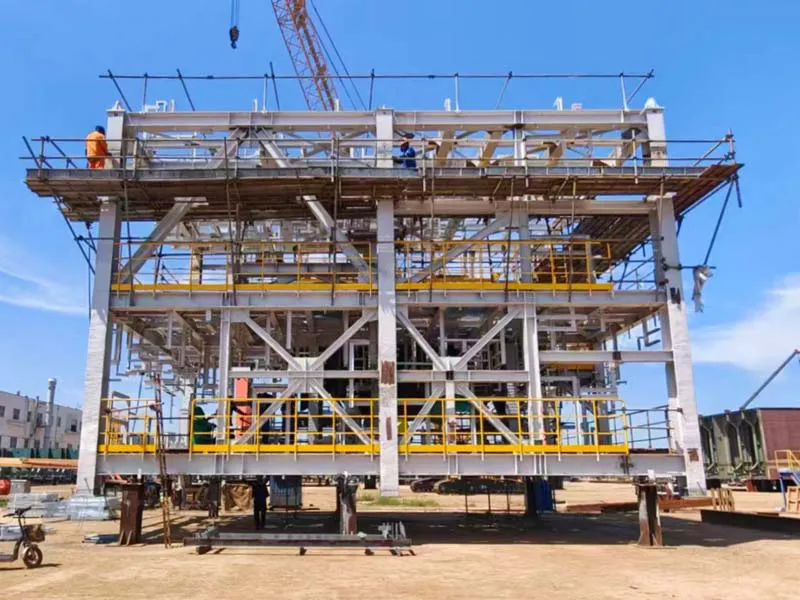
Oil & Gas Modular Steel Structure Fabrication Project
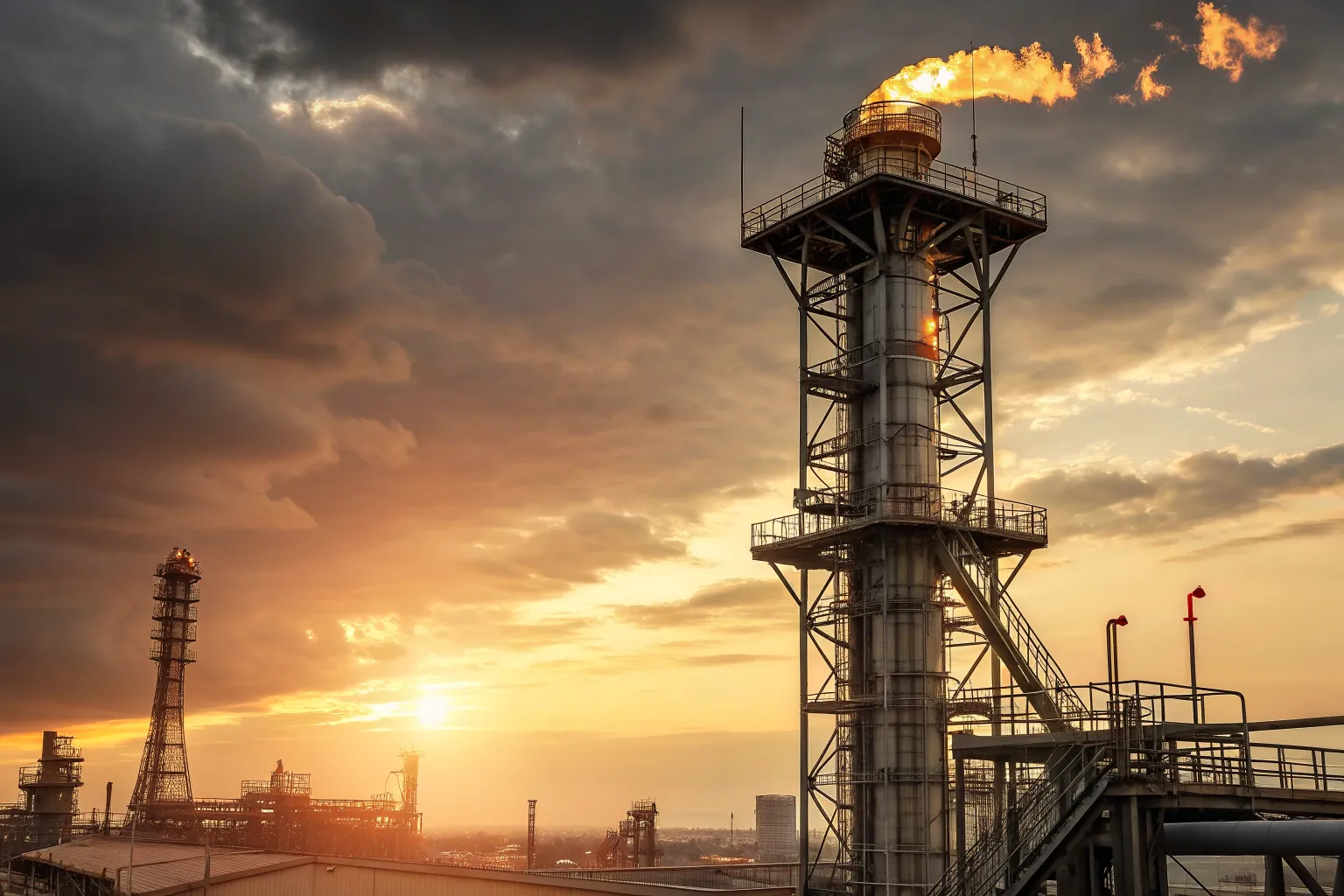
Flare Stack Structure