Time:2026-09-14 03:10:51 Source:Sanjian Meichen Steel Structure
Specifying a steel building system is a critical decision that affects project cost, safety, and longevity. Even experienced engineers and contractors can fall into traps that lead to budget overruns, structural failures, or compliance issues. Understanding these pitfalls is essential to ensure your steel building performs as intended. This article outlines the most common mistakes made during the specification phase and provides actionable guidance to help you avoid them. By learning from these errors, you can streamline your project and achieve a reliable, cost-effective steel structure—whether for industrial, commercial, or agricultural use. MeiChen Steel, with years of expertise in delivering custom steel building systems, offers proven solutions to sidestep these challenges.
One of the most frequent errors is specifying a steel building system without thoroughly reviewing local building codes and environmental loads. Each region has unique requirements for wind, snow, seismic, and live loads. Using a generic design can result in under- or over-engineering.
Always consult a structural engineer familiar with local codes. MeiChen Steel provides code-compliant designs tailored to your project’s location, ensuring your building passes inspection without expensive redesigns.
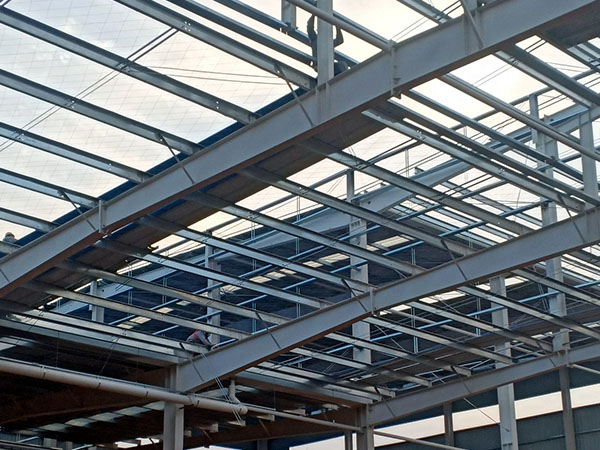
Many specifiers focus solely on current needs, forgetting that businesses grow. A common mistake is designing a steel building with insufficient space for future expansion or neglecting maintenance access points.
Plan for potential bay additions, taller clearances, or heavier crane loads. Use modular framing that allows easy extension without major structural alterations.
Ensure adequate clearance around columns, roof hatches, and service doors. Without proper access, repair costs skyrocket. MeiChen Steel advises integrating future-ready features such as knockout panels and extra base plates, saving time and money later.
The steel building is only as strong as its foundation and connections. A typical mistake is specifying anchor bolts and base plates without verifying soil conditions or concrete strength. This leads to settlement, misalignment, or failure under load.
MeiChen Steel offers detailed anchor rod plans and connection engineering, reducing field errors. Collaboration with your foundation engineer ensures a seamless interface between steel and concrete.
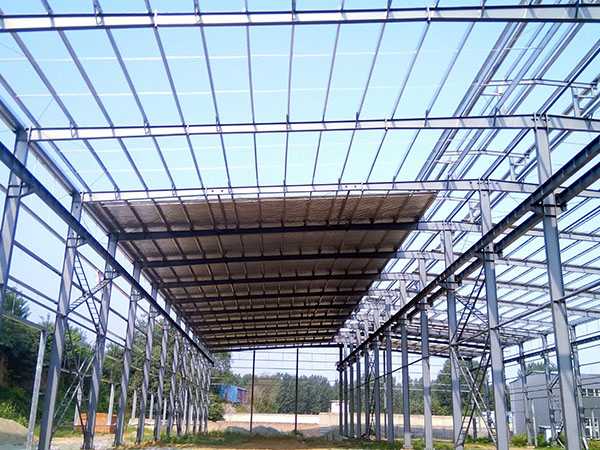
Two extremes hurt projects: oversimplification (using standard frames for complex layouts) and overcomplication (adding unnecessary trusses or columns that waste material and labor).
Assuming a simple gable frame works for a wide-span warehouse with heavy mezzanines often leads to excessive deflections. Instead, use clear-span rigid frames combined with secondary structures.
Including too many custom connections may increase fabrication cost and erection time. A balanced approach uses standardized components where possible, customizing only where truly needed. MeiChen Steel’s design team optimizes member sizes and layouts, ensuring cost-effectiveness without compromising performance.
Selecting a supplier solely based on price often backfires. Common issues: poor quality control, lack of engineering support, late deliveries, and insufficient warranty. A reliable partner must demonstrate experience, certifications (e.g., AISC, ISO), and a track record of similar projects.
MeiChen Steel stands out with end-to-end service: from preliminary design through fabrication, delivery, and post‑installation support. Their team works closely with specifiers to eliminate errors, ensuring your steel building system meets every requirement—on time and on budget.
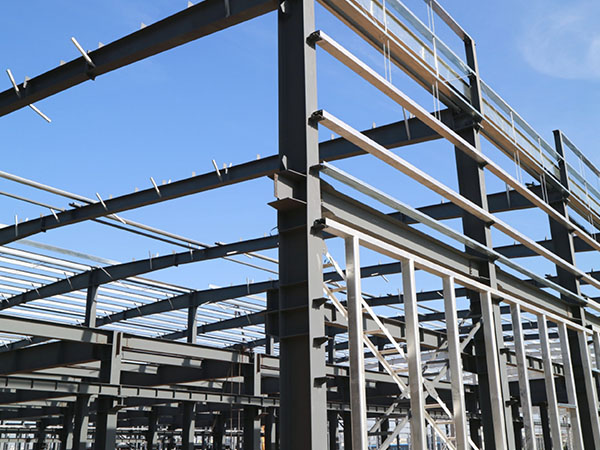
Avoiding these common mistakes starts with thorough planning and collaboration with experienced professionals. By addressing local codes, planning for the future, paying attention to foundations, balancing design complexity, and selecting a trusted supplier like MeiChen Steel, you can achieve a steel building that is safe, durable, and cost‑efficient. Always verify your specifications against real-world conditions, and don’t hesitate to seek expert advice early in the process. The investment in proper specification pays off many times over by preventing costly rework and ensuring long-term performance.