Time:2026-04-20 06:00:00 Source:Sanjian Meichen Steel Structure
Steel structure buildings have become a cornerstone in modern industrial, commercial, and residential construction due to their durability, design flexibility, and cost-efficiency. However, their long-term performance heavily depends on systematic maintenance. Implementing a comprehensive annual maintenance checklist for steel structure buildings not only ensures structural safety but also prolongs the lifespan of the building, reduces unexpected repair costs, and maintains aesthetic value.
1. Structural Inspection
The first step in the annual maintenance checklist is a detailed structural inspection. This includes evaluating the integrity of primary steel members such as columns, beams, trusses, and load-bearing frameworks. Professionals should check for any signs of corrosion, deformation, cracks, or loose connections. Bolts, welds, and joints require particular attention, as failures in these areas can compromise the overall stability of the structure. Recording the condition of each component during inspection helps in prioritizing repairs and monitoring changes over time.
2. Surface and Coating Assessment
Protective coatings and paint play a crucial role in preventing steel corrosion. As part of the maintenance checklist, the building’s exterior and interior steel surfaces must be examined for peeling paint, rust spots, or scratches. Areas showing wear should be cleaned, treated with anti-corrosion agents, and repainted as necessary. For facilities located in high-humidity or industrial environments, a more frequent inspection schedule may be required to mitigate accelerated corrosion risks.
3. Roof and Gutter Maintenance
Steel structures often incorporate metal roofing, which, if neglected, can lead to leaks or water accumulation. Inspecting the roof for loose panels, corrosion, or structural deflection is critical. Additionally, gutters and downspouts should be cleared of debris to ensure proper water drainage, as water stagnation can accelerate rust formation and compromise the building’s structural integrity. Ensuring proper sealing around roof penetrations, such as vents and skylights, prevents water ingress and protects interior spaces.
4. Foundation and Anchoring Check
Steel structures rely on strong foundations to distribute loads safely. Annual maintenance must include a thorough check of the foundation and anchoring systems. Look for signs of settlement, cracking, or water seepage near the base of columns and walls. Anchor bolts and base plates should be verified for tightness, corrosion, and alignment. Addressing foundation issues early can prevent structural deformation and costly remediation in the future.
5. Mechanical and Electrical Systems Review
While the steel framework forms the backbone of the building, mechanical and electrical systems such as HVAC, plumbing, elevators, and fire protection equipment are integral to safe operation. The maintenance checklist should ensure that electrical conduits attached to steel members are secure, mechanical units do not impose excessive loads on structural components, and fire suppression systems are functional. Integrating these inspections ensures compliance with safety regulations and prevents accidental damage to the steel structure.
6. Expansion and Contraction Considerations
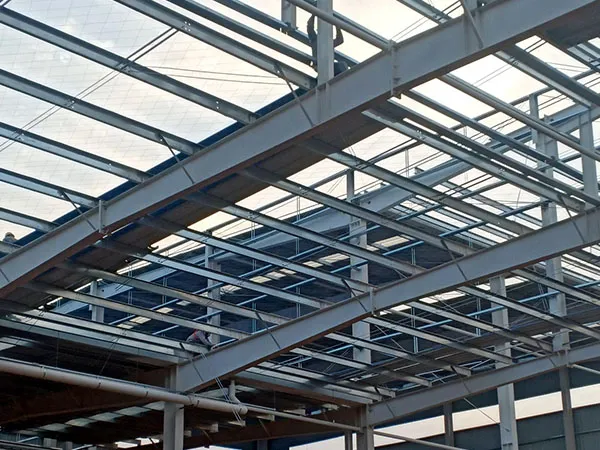
Steel expands and contracts with temperature fluctuations. Inspecting for thermal movement allowances such as expansion joints is an often-overlooked item on maintenance checklists. Verify that expansion joints are free of obstructions and that sealants remain intact. Properly functioning expansion systems reduce stress on structural elements, preventing fatigue and potential failure over time.
7. Documentation and Reporting
A critical component of an effective annual maintenance checklist is detailed documentation. Every inspection, repair, and adjustment should be recorded with photographs, measurements, and professional notes. This documentation not only supports regulatory compliance but also serves as a reference for future inspections, helping track wear patterns and predict maintenance needs.
8. Safety and Compliance Verification
Safety should always be prioritized. During annual maintenance, ensure that the building meets current local building codes, fire safety standards, and occupational safety regulations. Safety signage, emergency exits, and access routes should be checked for visibility and functionality. Maintaining compliance reduces liability risks and enhances overall safety for occupants.
9. Preventive and Predictive Maintenance Planning
Finally, a proactive approach distinguishes exceptional steel structure maintenance from reactive repair. Based on inspection findings, develop a preventive and predictive maintenance plan for the upcoming year. This plan may include scheduled repainting, corrosion treatment, structural reinforcement, and mechanical servicing. Predictive maintenance, aided by technology such as structural health monitoring sensors, can identify hidden issues before they escalate, ensuring long-term performance and cost savings.
Creating and following an annual maintenance checklist for steel structure buildings is essential for ensuring safety, durability, and operational efficiency. From structural inspections and surface protection to foundation checks and system verification, a comprehensive maintenance routine protects your investment and prevents unexpected failures. By documenting findings, addressing minor issues promptly, and planning preventive maintenance, building managers and owners can significantly extend the life of their steel structures while maintaining high safety standards.
Regular maintenance is not merely a regulatory requirement; it is a strategic approach that combines safety, performance, and financial prudence. Investing time and resources in thorough annual maintenance ensures that steel structures continue to deliver their intended benefits for decades.
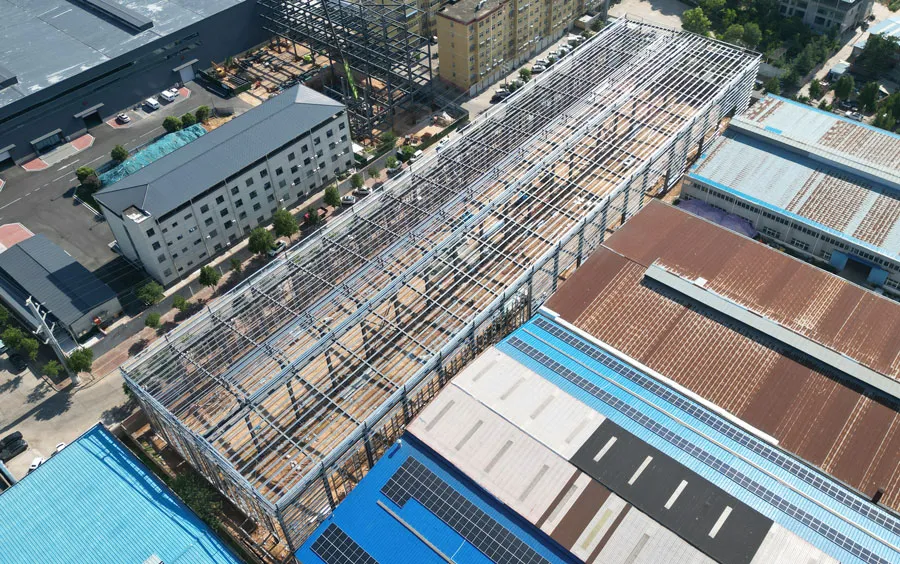
Steel Structure Workshop Solutions
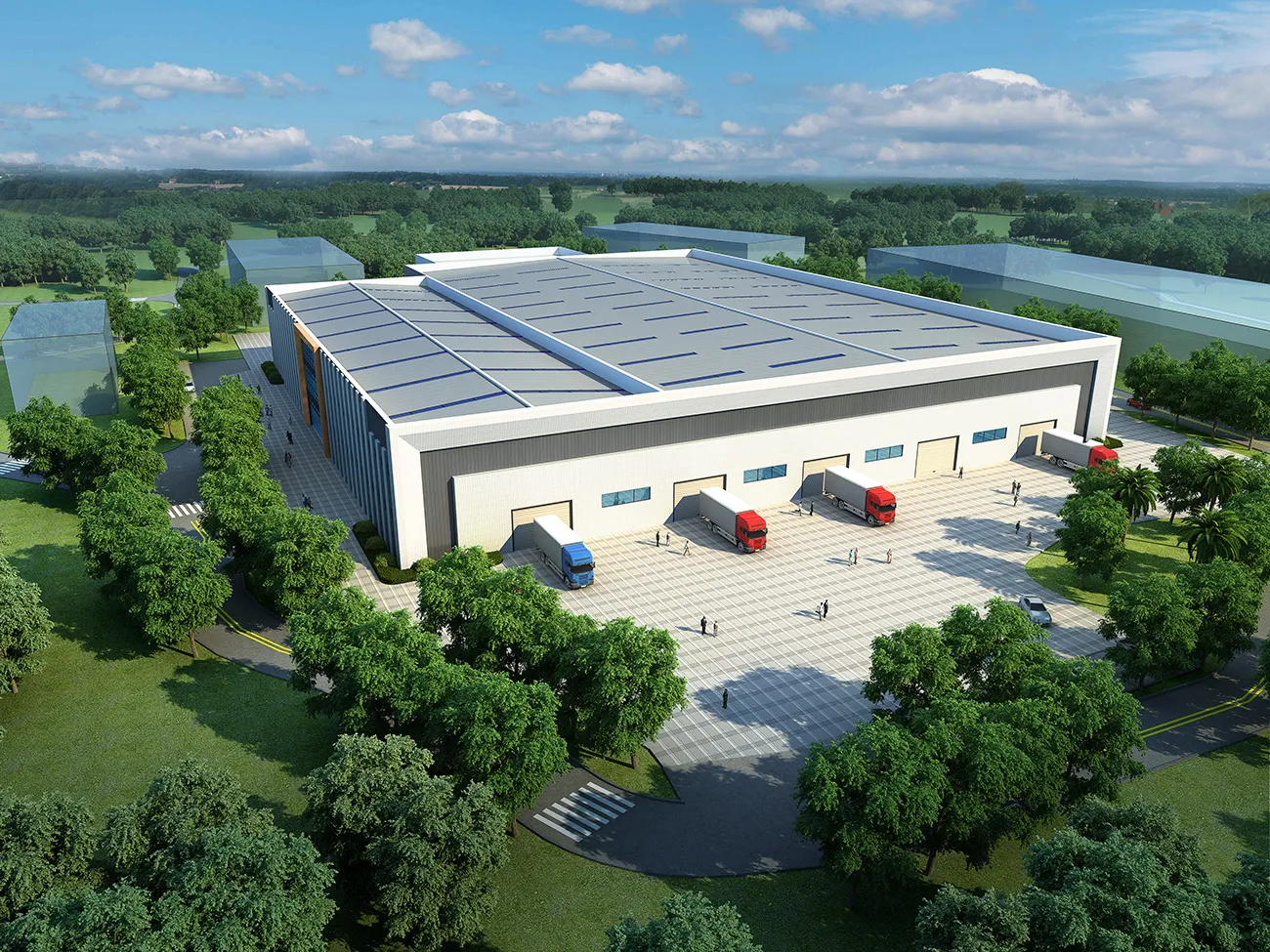
Steel Warehouse Solutions
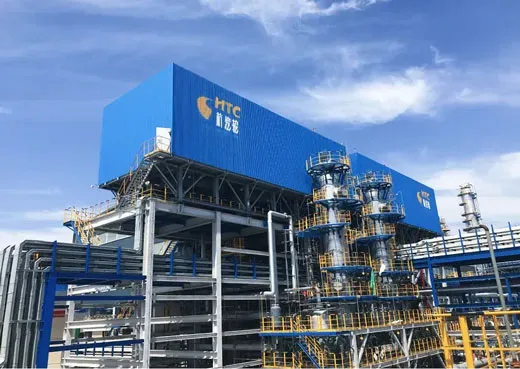
Heavy Steel Structures for Equipment
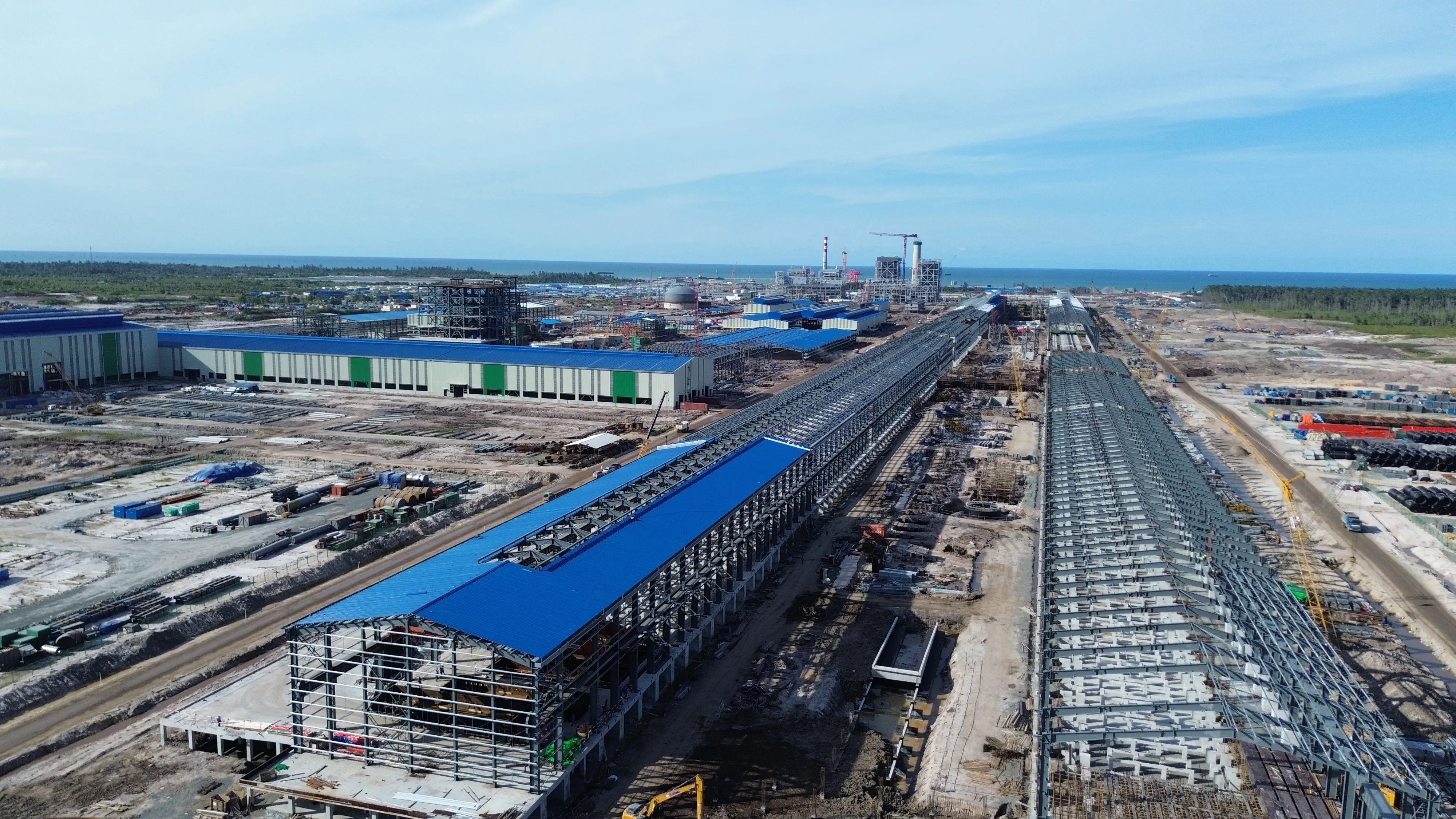
Indonesia North Kalimantan Aluminum Plant Project
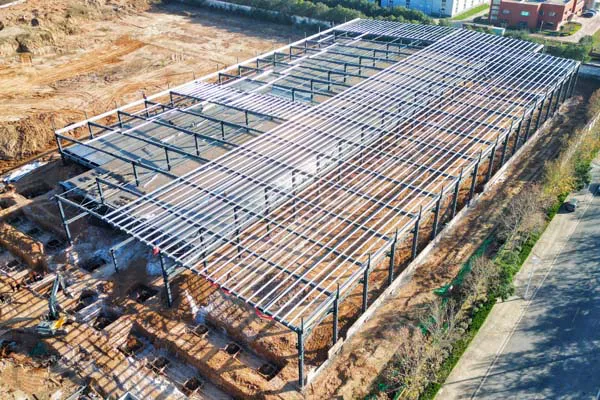
Luoyang Haode Auto Parts Steel Structure Factory Project
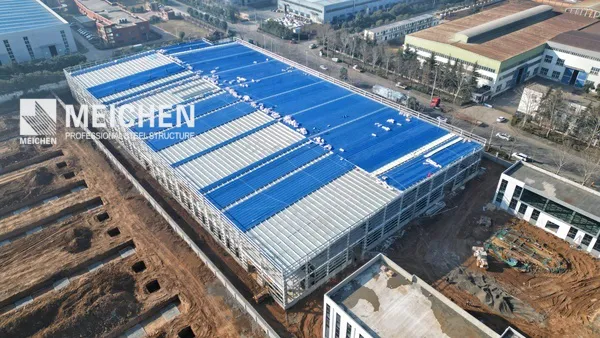
Automated Glass Production Line Steel Structure Factory Building Project
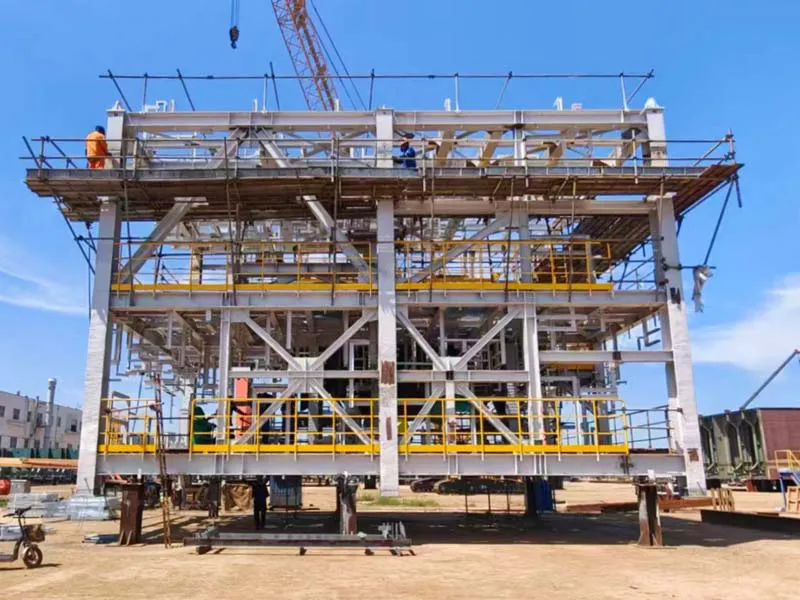
Oil & Gas Modular Steel Structure Fabrication Project
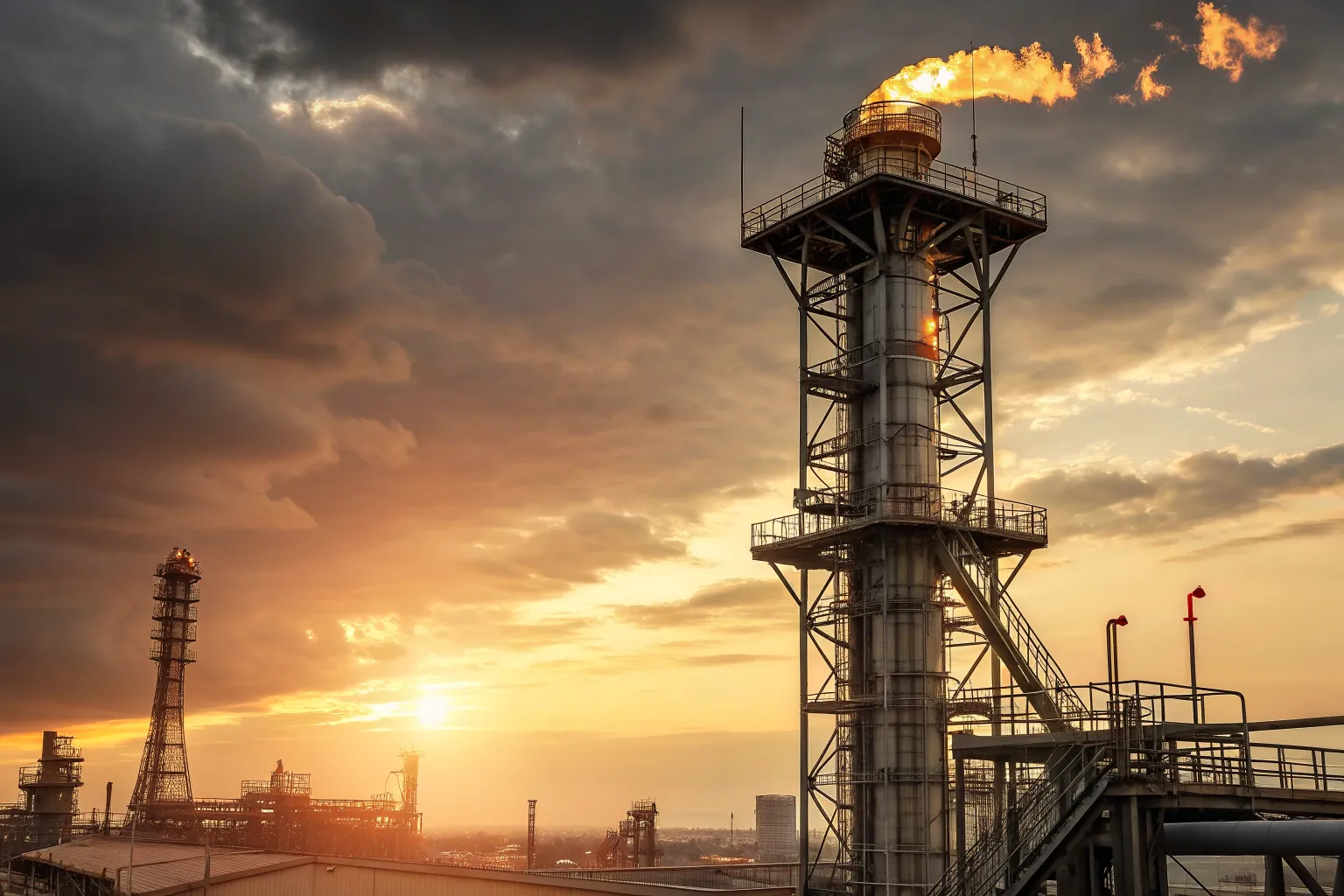
Flare Stack Structure