Time:2026-06-09 06:29:17 Source:Sanjian Meichen Steel Structure
Choosing between a steel structure warehouse and a concrete factory building can keep even the most experienced project manager up at night. We all want to avoid costly mistakes and ensure value for our company. In my two decades working with steel projects and visiting countless job sites, I've seen how this one decision—steel or concrete—can shape both your project costs and your future flexibility.
If your main goal is to save money—both at the start and as your facility grows—steel structure warehouses typically win. They cost less to construct, are much faster to complete, and save you money over the lifetime of your project through lighter maintenance and easy modification. Concrete buildings have their place, but their hidden costs and delays often catch buyers by surprise.
Let me walk you through the real cost differences, the nuances beyond just a price quote, and the insider tips I share with my clients who want both peace of mind and a strong bottom line.
When we first start comparing costs, the initial build gets a lot of attention. But it’s not just about the numbers on your supplier’s quote sheet; it’s about how those numbers play out in real-world conditions.
On paper, the cost advantages of steel structure warehouses look clear. Here’s why that matters.
Steel components are manufactured in advance, which means every piece slots right into place on site. I remember a client—let’s call him Jack—who phoned me after his steel warehouse shell was completed in just six weeks. Concrete, he told me, would have taken four months or more, mostly because of waiting for foundations to cure and delays due to weather. Those “invisible” costs—extra weeks paying labor, rentals, and insurance—are no joke.
Here’s a direct comparison from one of our recent bids (per 1,000 square meters):
| Cost Item | Steel Structure Warehouse | Concrete Factory Building |
|---|---|---|
| Main material cost | $60,000 | $90,000 |
| Foundation | $15,000 | $25,000 |
| On-site labor | $10,000 | $30,000 |
| Construction duration | 6 weeks | 12 weeks |
| Total upfront cost | $85,000 | $145,000 |
Steel’s lighter weight means foundations don’t need to be as deep or as expensive. And the ability to prefabricate parts cuts site labor down significantly. We can have teams assembling a steel warehouse in parallel with foundation work nearby, while concrete projects have to crawl, step-by-step, through pouring and curing. The reality is, faster completion gets you to production sooner—and lets you start generating revenue instead of just accumulating costs.
Sometimes a warehouse or factory building looks affordable until the real bills start coming in during its years of actual use. When we look at long-term operating costs, the story gets interesting.
I had one customer who came back to me five years after we finished their steel warehouse. He told me, “We barely had to touch the structure—no leaks, no cracking, nothing major to fix.” Why? Modern steel systems use advanced coatings to resist rust, and the panels make it easy to upgrade insulation or move walls as the business evolves.
Compare this with a concrete factory I consulted on in 2018. After three years, water seepage had led to interior damage and corroded reinforcing bars. Repairs meant long shutdowns, high repair bills, and frustrating delays. Adapting the layout for new equipment took weeks of dust, jackhammers, and extra expense.
Here’s what clients typically see after 10 years (per 1,000 sqm, for context):
| Operating Factor | Steel Structure Warehouse | Concrete Factory Building |
|---|---|---|
| Major repairs (avg.) | $3,000 | $12,000 |
| Modification cost | Low ($15/sqm) | High ($50/sqm) |
| Energy savings potential | High with insulation | Moderate; upgrades costly |
| Maintenance frequency | Every 5 years (minor) | Every 2-3 years (major/minor) |
We’ve found steel offers “easy wins”—maintenance usually amounts to routine coating checks and fixing fasteners. Modifications? Need to expand or reconfigure? It’s a matter of unbolting and adding sections for steel, versus noisy, messy demolition in concrete. And if energy efficiency matters, insulated steel panels take upgrades without massive disruption.
Absolutely—here’s where decades in this business make a difference.
First, timeline is king in industrial projects. Opening early—sometimes by months—translates into huge savings or even new client contracts. I remember working with a major EPC client on an energy park expansion; steel got us running so early we landed an entire second round of orders before the competitor’s concrete building was even finished.
Don’t underestimate material price volatility. Steel markets fluctuate, but if you lock in prices with a reputable manufacturer and clarify delivery schedules, you protect your budget. I always advise clients: get mill certificates, insist on third-party inspections, and ask for supply chain details up front.
Another “hidden” technique: design for growth. Smart steel warehouses include expansion joints and modular bay spacing. When your operation expands, you won’t need to tear down walls or pour more concrete—just unbolt, extend, and continue. One manufacturing customer thanked us later for suggesting expansion joints in their warehouse’s original plan—they doubled their space two years later with minimal interruption.
Foundation work can be a silent budget killer. Steel structures, if built on good, stable soil, often need only shallow pads or strips—saving you up to 30% on civil works. And don’t overlook insurance. Many insurers knock down rates for steel due to strong fire and earthquake resistance, which adds up over the building’s lifetime.
You learn over the years that little details—like asking for powder-coated bolts or verifying the grade of steel—save you from painful, costly surprises later.
We find that for most clients—especially those working with tight construction schedules, evolving production needs, or cost pressures—steel structure warehouses win on total cost of ownership. In rare cases, when heavy-duty floors for giant machinery or unique climate control is needed, concrete might edge ahead. But, for 9 out of 10 clients, steel delivers lower upfront costs, quick completion, fewer maintenance headaches, and the flexibility to grow and pivot as your business does.
I always remind everyone on our team and every buyer I meet: the lowest price today isn’t always the best value. Looking at the big picture—the cost to build, to operate, to modify, and even to insure—gives you the advantage. We’re here to help clients take that wider view and ultimately put real money back into their projects, not just on day one but for years to come.
Steel structure warehouses consistently offer the most cost-effective path for most industrial building projects. They combine low upfront costs, fast construction, easy maintenance, and flexible options when you need to expand. If you’re weighing your options, remember: expert planning and long-term thinking always beat quick answers. Let’s talk it through, learn from industry veterans, and make choices your future self will thank you for.
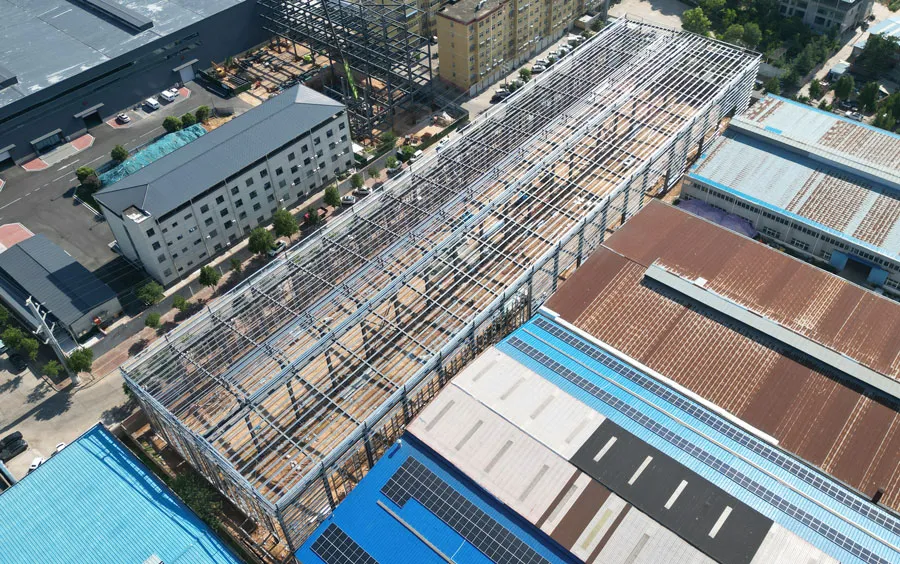
Steel Structure Workshop Solutions
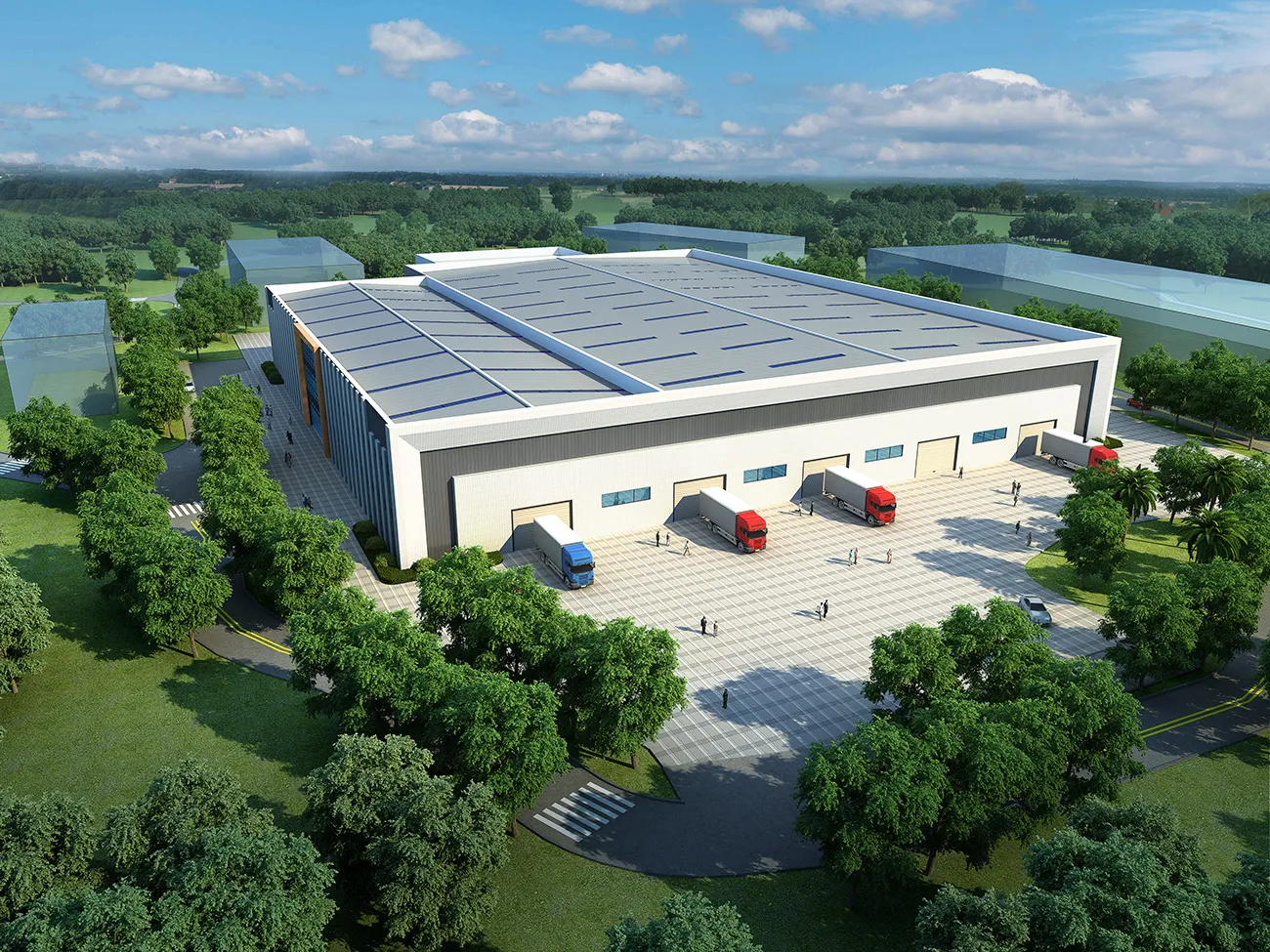
Steel Warehouse Solutions
Heavy Steel Structures for Equipment
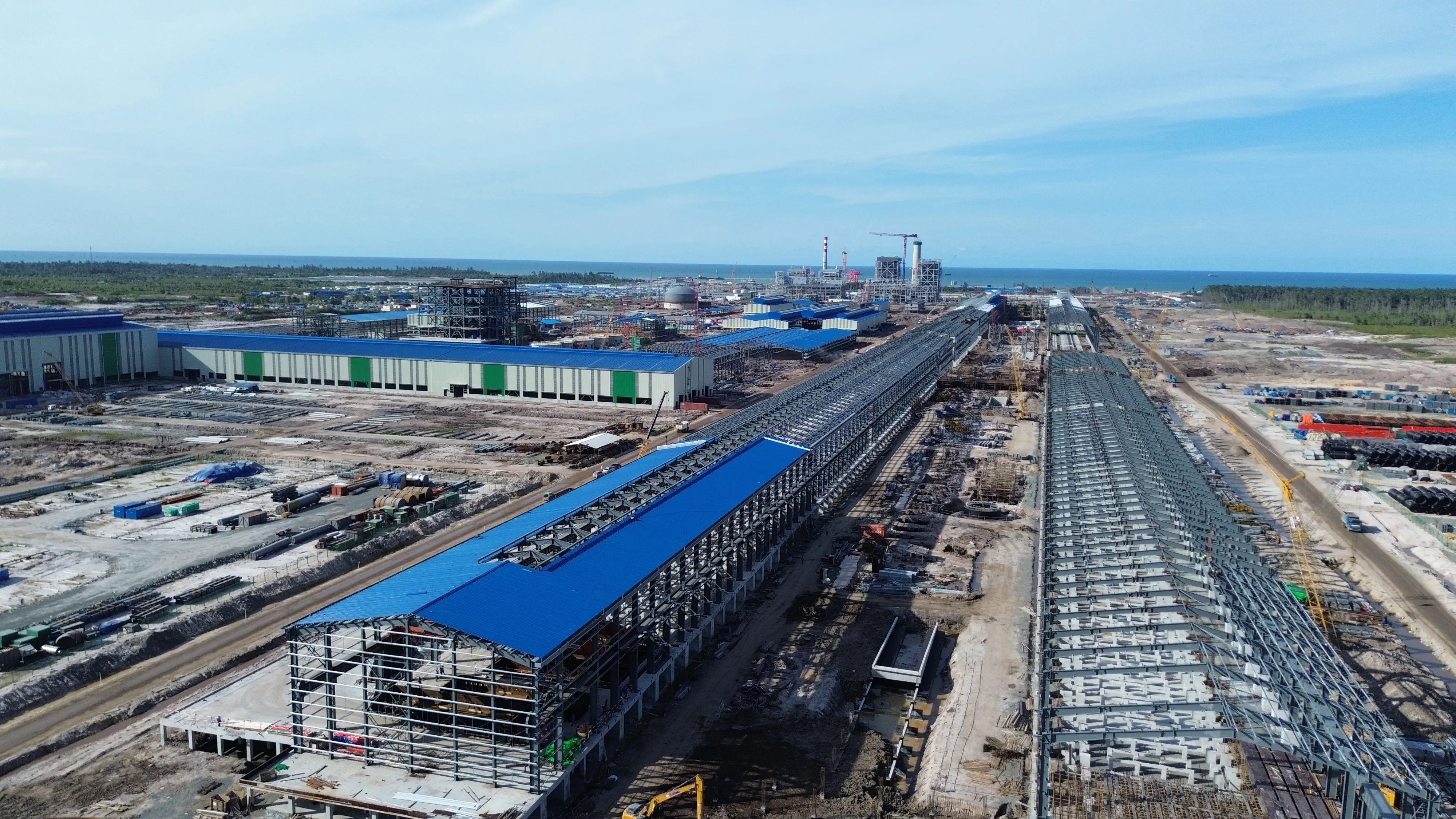
Indonesia North Kalimantan Aluminum Plant Project
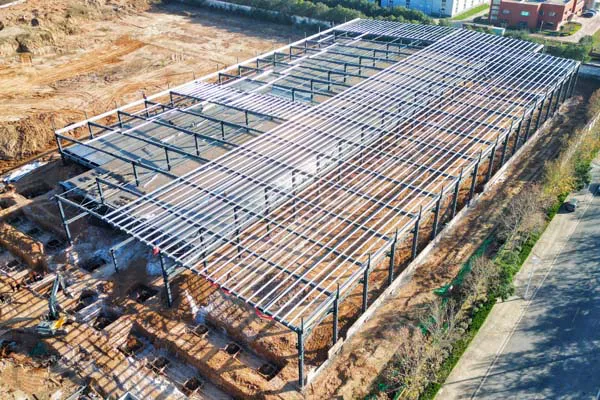
Luoyang Haode Auto Parts Steel Structure Factory Project
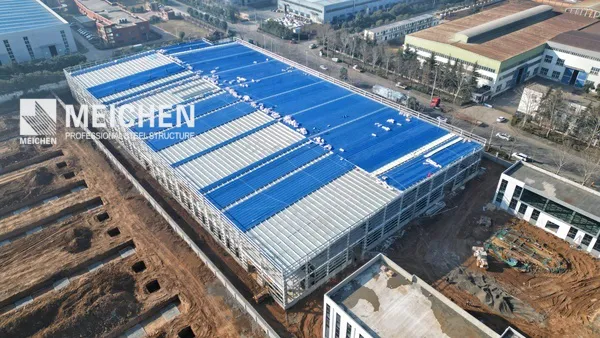
Automated Glass Production Line Steel Structure Factory Building Project
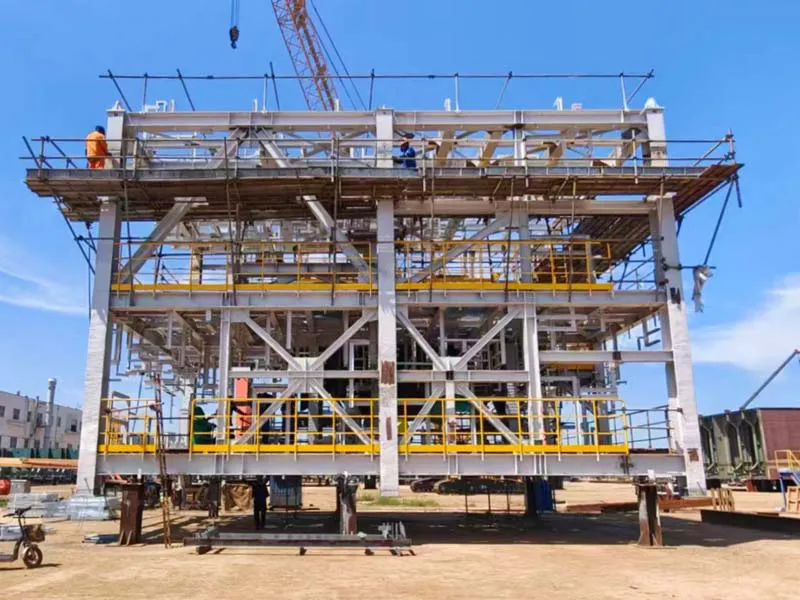
Oil & Gas Modular Steel Structure Fabrication Project
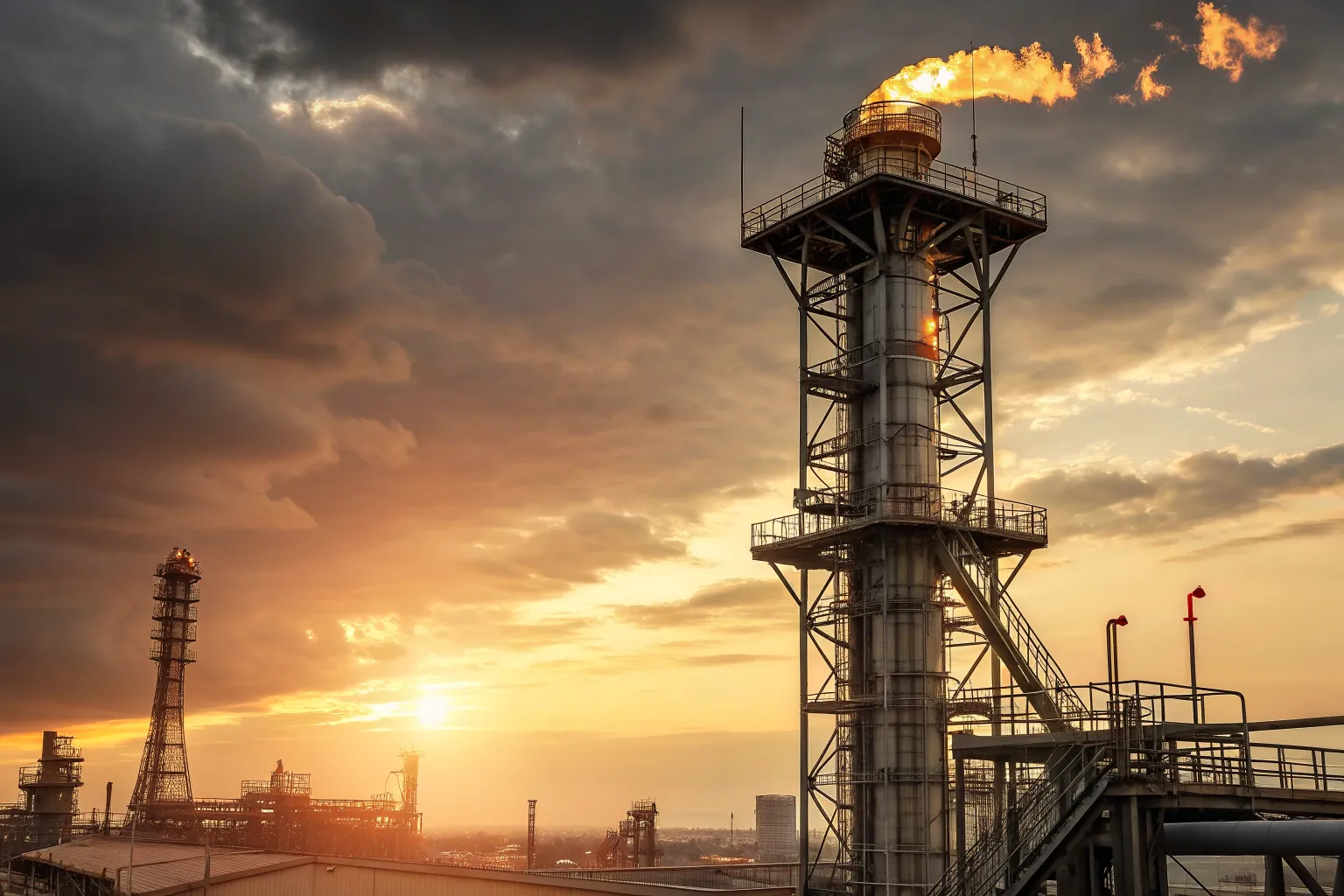
Flare Stack Structure