Time:2026-10-29 06:02:13 Source:Sanjian Meichen Steel Structure
When comparing mezzanine floors and multi-storey steel structures, buyers often focus on the wrong questions. Instead of asking which is cheaper or simpler, the real decision should revolve around load requirements, access frequency, and structural classification under seismic or building codes. The name you use doesn't matter—what counts is defining your application clearly to avoid procurement risks.
Both mezzanine floors and multi-storey steel structures have their place in industrial projects, but your choice should be based on application-specific parameters like load magnitude, personnel access patterns, and building code classifications—not misleading terminology or supplier price tricks.
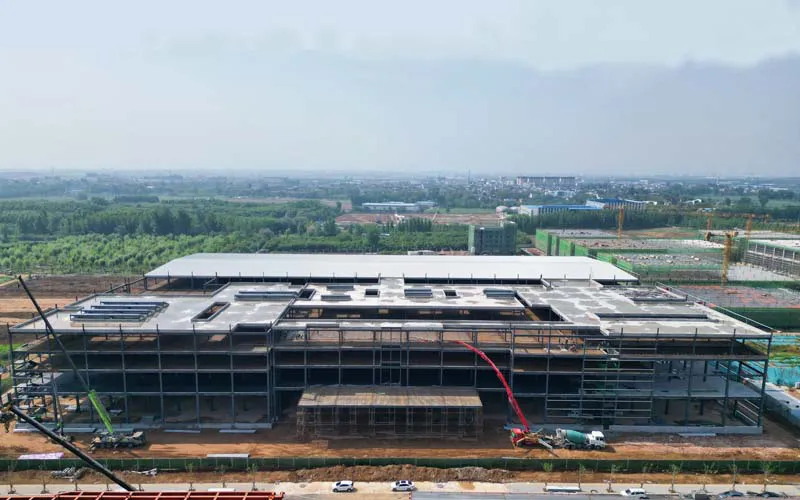
Too many clients focus on surface-level differences between mezzanines and multi-storey structures and risk misclassifying their needs. Let's break down this comparison more practically to help you choose the right solution.
This isn't just a naming debate—defining these structures comes down to project specifications.
A mezzanine floor is typically a partial level within a building[^1], used for light storage or equipment support with intermittent personnel access. Multi-storey steel structures are multi-layer platforms built for continuous operation, heavy-duty loads, or expansive layouts. The difference lies mostly in how each handles loads and occupancy patterns.
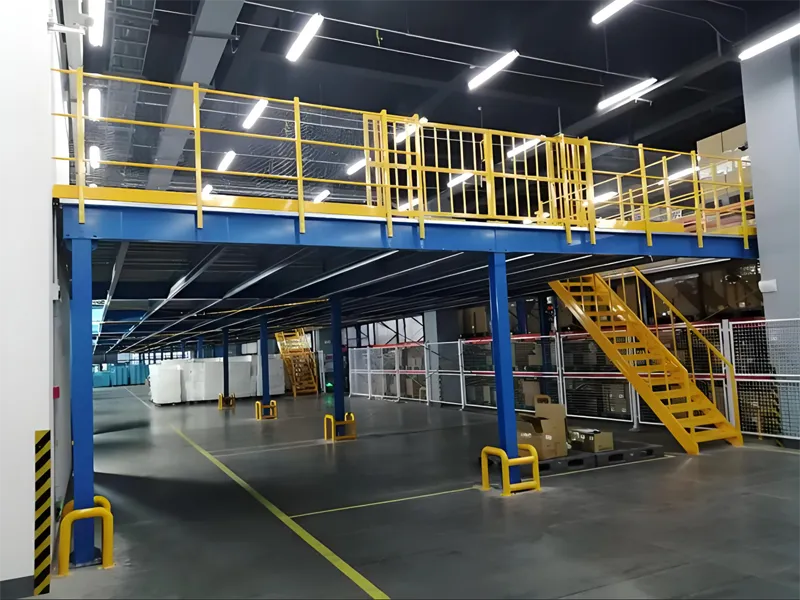
The challenge is that boundaries can blur. Some "mezzanine floors" can support machinery heavier than typical multi-storey levels, and there's no fixed load capacity tied to either name. That's why buyers need detailed RFQ specifications—clarifying weight loads, frequency of personnel access, and seismic requirements upfront.
Here's a common trap: Suppliers often mislabel multi-storey structures as “mezzanines” to create pricing illusions or sidestep strict building regulations. For instance, a structure with multiple layers supporting heavy equipment might be pitched as a mezzanine to appear simpler, even when it requires integrated seismic design far beyond mezzanine standards.
Always ask these three critical questions during supplier evaluations:
When this information isn't clearly declared, you risk costly redesigns during approval stages or even shutdowns after installation[^3].
This hidden factor can make or break your structural classification—and project costs.
Personnel access frequency affects seismic design categories and permitting paths[^4]. Structures with continuous operation by workers, such as control rooms or maintenance hubs, are classified under stricter codes than those accessed only occasionally, like storage areas or equipment platforms.
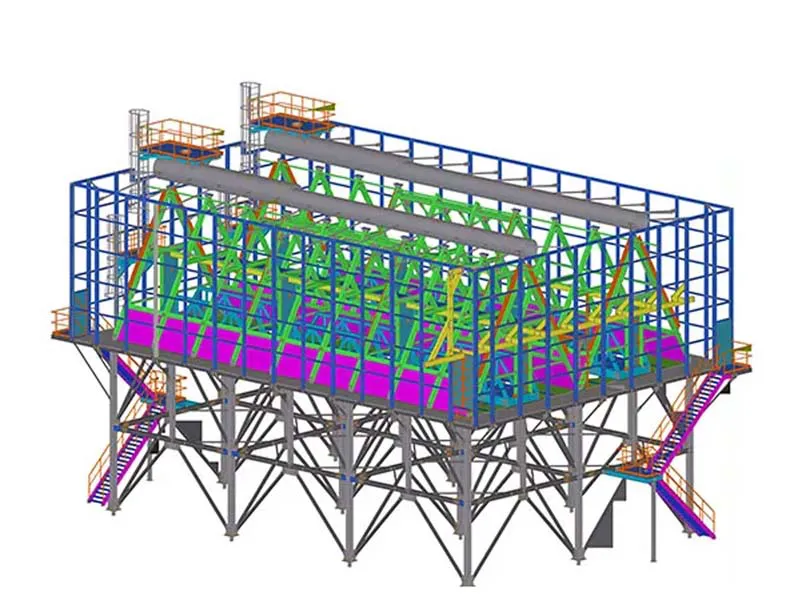
Misclassifying access frequency leads to huge procurement headaches—not just extra costs for redesign but potential halts during regulatory reviews. Buyers often fail to clarify this detail upfront, and suppliers can overlook it in their quotes. For petrochemical and modular projects, always specify:
Keep this in mind: A higher personnel footprint generally favors multi-storey structures due to integrated design efficiencies for seismic loads[^5].
Many assume mezzanines are cheaper, but that's not always true.
For projects requiring more than three layers or a large total platform area, multi-storey steel structures can actually save material and labor costs[^6] compared to stacking independent mezzanine levels.
Multi-storey designs benefit from integrated framing systems, where the structure's vertical and horizontal members share load paths. Mezzanines, especially standalone ones, often require redundant supports that add both weight and cost[^7]. Here's a comparison:
| Criteria | Mezzanine Floors | Multi-Storey Steel Structures |
|---|---|---|
| Best for | Partial layers, occasional access | Large areas, continuous operation |
| Structure scale | Typically 1-2 levels | 3+ levels or large footprint |
| Material efficiency | Less efficient over multiple levels | More integrated load paths per layer |
If your project spans multiple zones or includes integrated equipment and corridors, multi-storey structures might deliver better material utilization and lifecycle cost efficiency.
Mislabeling is a common sales tactic—a supplier might call a multi-storey structure a “mezzanine” to avoid triggering stricter compliance requirements.
This practice can confuse buyers, leading to incorrect classification during permitting that causes delays, fines, and redesigns. To protect your project, always verify specifications independently:
Knowing these tricks can help you cut through sales jargon and focus on what you actually need.
Not necessarily. For small, standalone platforms, mezzanines tend to cost less. But for large layouts or projects requiring 3+ layers, multi-storey designs often use materials more efficiently, lowering the total cost.
Yes, mezzanines can support heavy equipment if properly designed. However, you must verify load capacity per level. Some assume mezzanines are only for light loads, which isn't always true in industrial applications.
Yes, if the structure supports personnel or operational equipment. Seismic codes apply based on occupancy category—even occasional access might trigger requirements in high-risk zones[^8].
Request detailed specs, load path calculations, and past project compliance records. Don't rely on sales presentations—structural classifications should align with load requirements and occupancy patterns.
Choosing between mezzanine floors and multi-storey steel structures boils down to application specifics, not supplier labels or pricing shortcuts. Define your load needs, personnel access patterns, and once-permitting details in RFQs upfront to avoid costly misclassifications.
At Meichen Steel Structures, we help EPC contractors and industrial clients navigate these procurement challenges with clear project specifications and proven fabrication expertise. Contact us today at info@meichensteel.com or visit www.meichensteel.com to discuss your industrial steel structure needs!
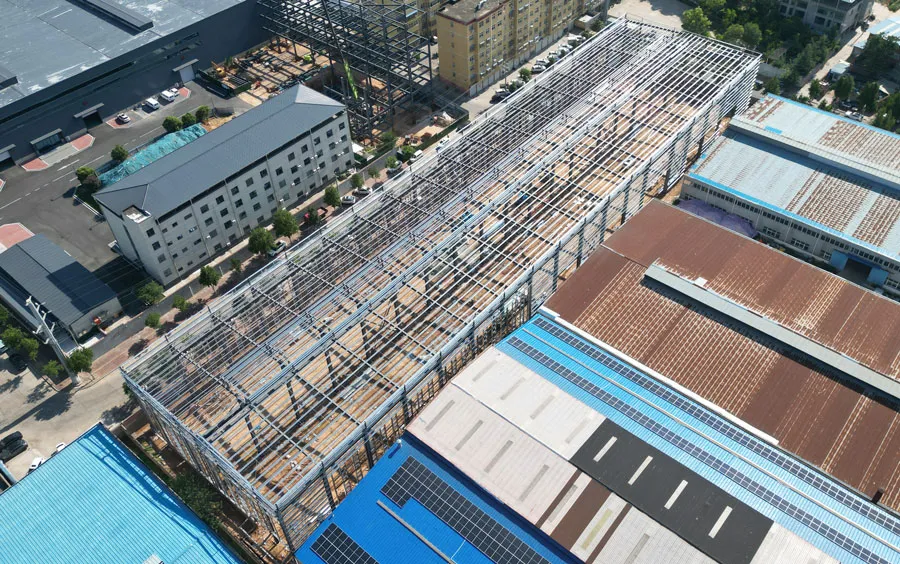
Steel Structure Workshop Solutions
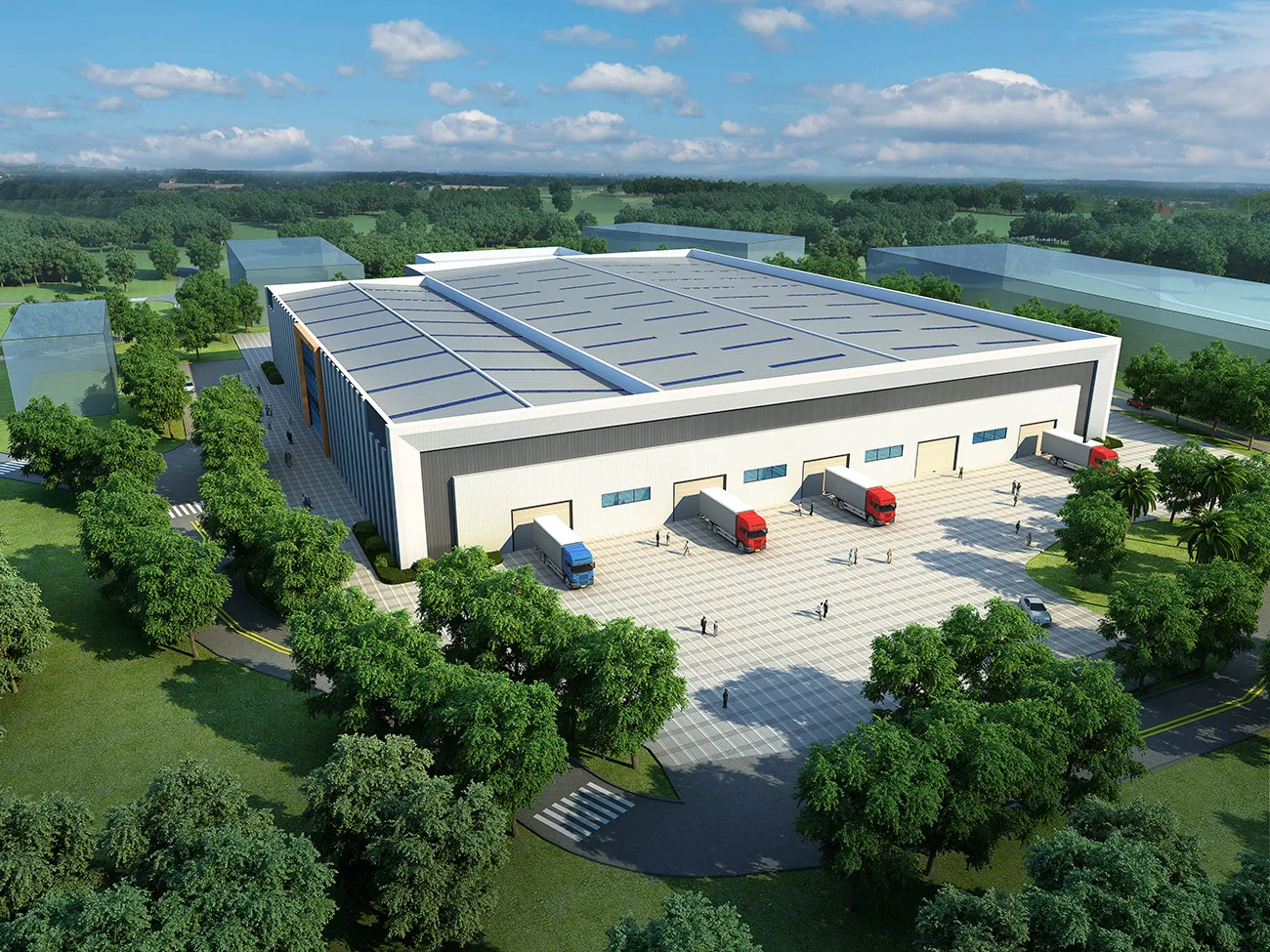
Steel Warehouse Solutions
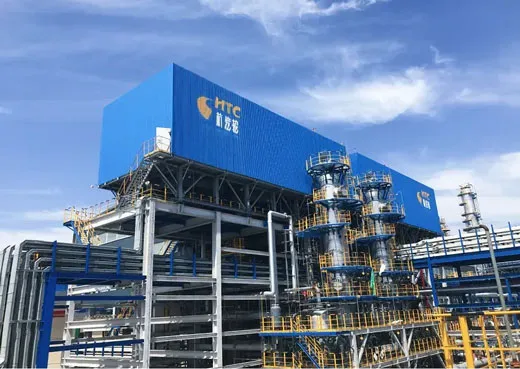
Heavy Steel Structures for Equipment
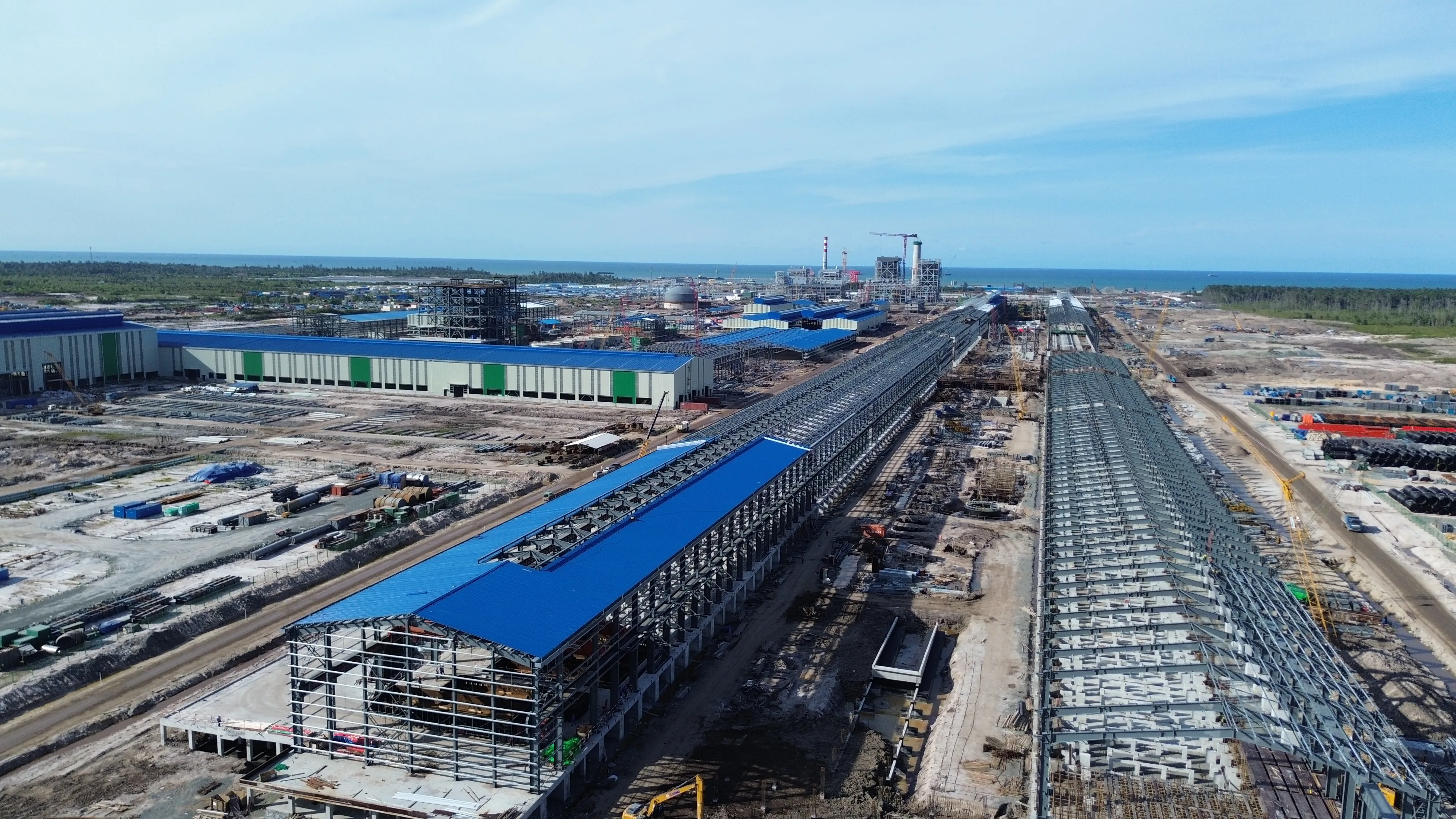
Indonesia North Kalimantan Aluminum Plant Project
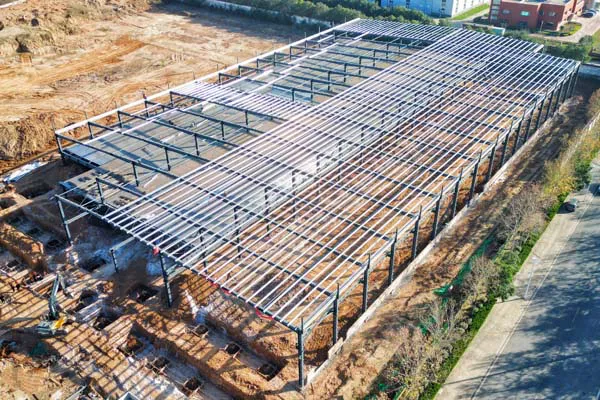
Luoyang Haode Auto Parts Steel Structure Factory Project
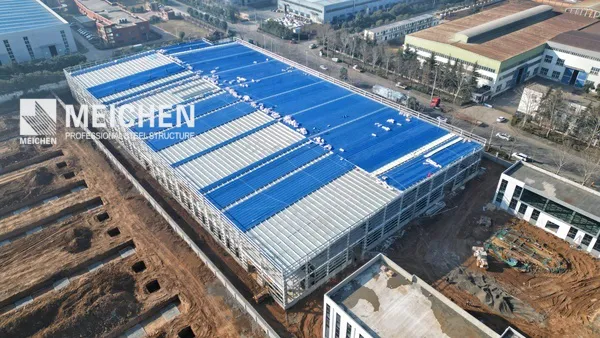
Automated Glass Production Line Steel Structure Factory Building Project
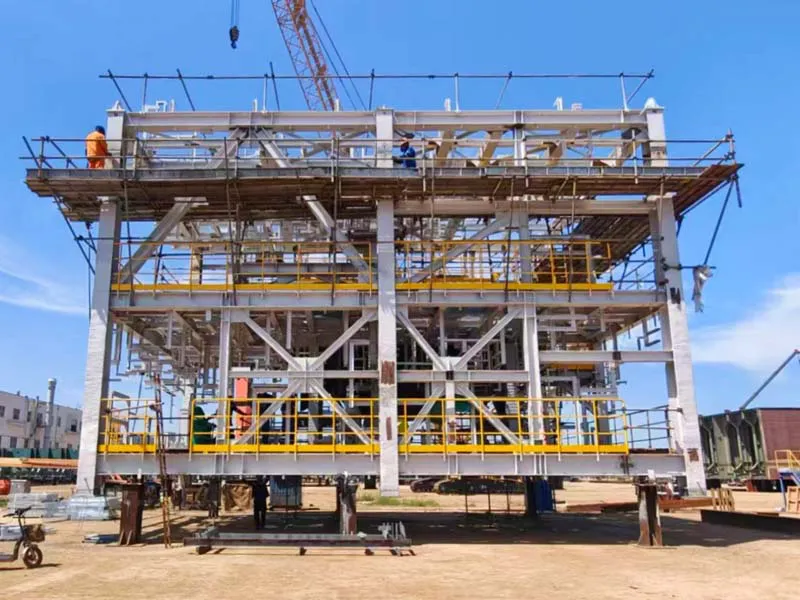
Oil & Gas Modular Steel Structure Fabrication Project

Flare Stack Structure