Time:2026-06-09 07:51:59 Source:Sanjian Meichen Steel Structure
Are you thinking about investing in a steel structure workshop? If so, understanding what actually drives the price up or down is the key to controlling your budget, avoiding disappointments, and securing long-term value.
The price tag on a steel structure workshop is shaped by more than just steel weight. It’s influenced by raw material markets, project-specific designs, manufacturing standards, corrosion treatment choices, logistics, and much more. Once we know these details, we can make the process predictable—and often save money in ways that don’t show up on a simple quote.
When I first started, cost surprises were frustrating. The lowest bid was tempting, but hidden fees and poor-quality work would catch up later. Now, after two decades in this field, I know to look at price from every angle and ask smarter questions. Let me walk you through exactly what I check, and what you can insist on, to get real value for your project.
Steel prices change daily, and for us, that means workshop costs can swing by thousands. When iron ore, coal, or international demand shift, the steel cost goes right with it. For context: in 2023, a 50/tonsurgeinsteelmeanta1,500−square−meterworkshopsuddenlycost50/ton surge in steel meant a 1,500-square-meter workshop suddenly cost50/tonsurgeinsteelmeanta1,500−square−meterworkshopsuddenlycost20,000 more, just from the steel price. For big projects, that is a lot of money.
We also need to look at steel grades. Lower-grade steel (like Q235) might cost less, but sometimes, a project really needs Q345B or special alloys. This can make up to 10% difference in cost—and also changes how well the building lasts. I always ask my suppliers what grade they plan to use and double-check the certificates. Sometimes, they “plan” to use high-grade steel, but the actual delivery is lower. Getting the mill certificate helps us catch that before it becomes a headache.
Another thing: trusted suppliers can sometimes lock in steel prices if we sign a contract early. That removes guessing and stops budget surprises. If you are tempted by a price that seems too steady compared to the market, ask how they secured their steel. Are they using spot purchases or long-term deals? That one question often tells me how predictable the final cost will be.
| Factor | Q235 Steel | Q345B Steel | Q390+ or Alloy |
|---|---|---|---|
| Typical Price (USD/ton) | $600 | $650 | $700+ |
| Workshop Cost Impact | Base | +8-10% | 12-20%+ |
| Longevity / Durability | Good | Better | Best |
If project specs allow Q235, we might save money, but sometimes quality is worth more than initial savings.
The more “custom” the workshop, the higher the cost. As engineers, we face direct trade-offs between design wants and budget realities every time. Common customization variables include workshop width, column spacing, total height, crane loads, insulation, and more. For example, an 18-meter clear span means heavier beams versus a standard 12-meter span—a difference that bumps up the steel tonnage as well as fabrication difficulty.
I remember one project for a chemical plant. The client provided their own “standard” plan from another supplier, but after walking through their actual crane use and roof loads, we realized those plans were too generic. When we reworked it to fit their heavy equipment and extra fireproofing, the materials jumped 35%. They were shocked, but after seeing our breakdown table, they understood where every dollar went.
Also, connections matter. Welded joints, bolted, or a mix? Some clients want full welding, but that isn’t always better. Hybrid solutions are often cheaper and, with proper design, just as strong. But they take more design time. If you look closely at design drawings, you will see where the tonnage adds up.
| Parameter | Typical Value | Impact on Cost |
|---|---|---|
| Span Width | 12m | Baseline |
| 18m | +20-35% steel tonnage | |
| Building Height | 8m | Baseline |
| 12m | +15% (taller columns & bracing) | |
| Overhead Cranes | None | Baseline |
| 10T Crane | +10-20% | |
| Roof/Wall Insulation | None | - |
| Polyurethane | +12-18% |
Cheap template designs often fail to cover everything needed at the site. The “extras” come later as surprise change orders. I learned that spending more time upfront with design pays off every single time.
Manufacturing quality is rarely noticed—until it causes assembly headaches. Factories that invest in CNC plasma cutting, automatic beam welding, and advanced painting are able to hold tight tolerances. That means our team wastes less time assembling parts on site, and there are fewer disputes between builders and suppliers.
But I have also seen the flip side. Some factories mix in manual cutting or semi-automatic welding to undercut price. The result? Bolts won't line up, beams are slightly bent, and my team spends days trimming, refitting, or even sending parts back. On a US project, we had to reject 5 tons of misaligned columns before the supplier changed their process. Every rework meant added crane rental and labor, costing us three times what we thought we saved.
For any workshop, I now ask for their ISO, AWS, or CE quality certificates and at least three examples of past projects. I also like a walk-through, a video, or photos to verify real processes. If a supplier hesitates to show their factory or documentation, I consider that a red flag.
| Technology Used | Price Impact | Quality & Speed |
|---|---|---|
| Manual Cutting & Welding | -10% initial saving | Assembly slow, higher errors |
| CNC & Automated Welding | Baseline | Fast, consistent, less field repair |
| Certified QA (ISO/AWS/CE) | +3-7% | Documentation, fewer disputes |
Through hard experience, I learned that what saves a few percent up front can cost far more later during construction.
Surface treatment protects our whole investment. I have seen beautiful workshops rust out in five years simply because of poor painting, especially near the sea or chemical sites. Paint is cheaper, but in a humid or harsh ecosystem, only hot-dip galvanizing gives reliable, maintenance-free life beyond 20 years.
The trick is, not all painting is equal. Some contractors use a very thin layer to cut cost—a quick savings that turns into costly site repairs later. When I specify coatings, I always use the ISO 12944 standard (or local equivalent) and ask for mill certificates to check dry film thickness (DFT). If you do not match the corrosion class (C2-C5), the results vary wildly. I have fixed projects where paint peeled in just 2-3 years because of underspecification.
| Surface Treatment | Short-Term Cost | Longevity (Years) | Maintenance Needed |
|---|---|---|---|
| Basic Paint (DFT < 60μm) | Low | 3-5 | High |
| Industrial Paint (DFT > 80μm) | Medium | 8-12 | Medium |
| Hot-Dip Galvanizing | Higher | 20+ | Low |
As I always tell clients: “Pay a little more to protect a lot.” Site repairs, especially above ground, often cost double what the original workshop did.
Moving steel is never as simple as just booking a truck. Most steel workshops are bulky, and long or wide beams may need special permits, route planning, or offloading cranes at site. Far-away sites multiply transport costs.
In one energy project out West, we miscalculated a mountain pass’s height restriction. Half our shipment had to circle 80 km extra—and the overtime on both ends ballooned costs by $8,000. There’s no shortcut: before production, we work out every truck trip, local regulations, site storage, and offloading needs. Pre-assembled modules can cut down site labor, but only if the road infrastructure and cranes on site match the delivery plan. If not, what you save at the factory, you lose in site logistics.
I prepare a delivery and erection plan for every project, including backup routes. I make sure clients know: even small delivery delays can cause a cascade of extra costs—storage, labor, crane standby.
| Factor | When Not Handled | When Planned Well |
|---|---|---|
| Route delays | Frequent, costly | Rare |
| Unloading coordination | Extra labor | Minimal |
| Damaged beams | Possible | Unlikely |
I tell clients to ask their supplier for a draft logistics plan before signing. If they seem vague or unconcerned with details—watch out!
Project leadership might not show up as a line item, but it’s the difference between profit and loss. I have been on projects where everything else was perfect—until missing bolts or unclear drawings triggered a week of downtime.
We always insist on a project coordinator who checks on production, follows up during shipping, and supports the site crew with any issue, large or small. Real after-sales service—quick turnaround on spare parts, warranty, and help with later upgrades—keeps operations running smoothly. The clients who go lowest-bid often call us after a year, needing support their earlier supplier cannot offer.
For your peace of mind, pay attention not only to "the steel" but to the people behind it. Ask what happens if there’s a site conflict or missing part. Good suppliers offer references for their project teams, not just their buildings.
| With Strong Project Management | Without Project Management |
|---|---|
| On-time assembly | Delays and hidden costs |
| Clear, fast communication | Many small disputes |
| Fast field problem solving | Weeks lost to small issues |
| Flexible for client changes | Resistance to adapt |
The cheapest quote often hides the worst surprises. We never treat the workshop as “just a product”—it’s a partnership for years to come.
Every detail—from steel price contracts to hands-on project management—affects the final cost, efficiency, and lifespan of a steel structure workshop. Talk to experienced suppliers, ask the tough questions, and be clear about your real operating needs. It’s the key to making your investment pay off for decades.
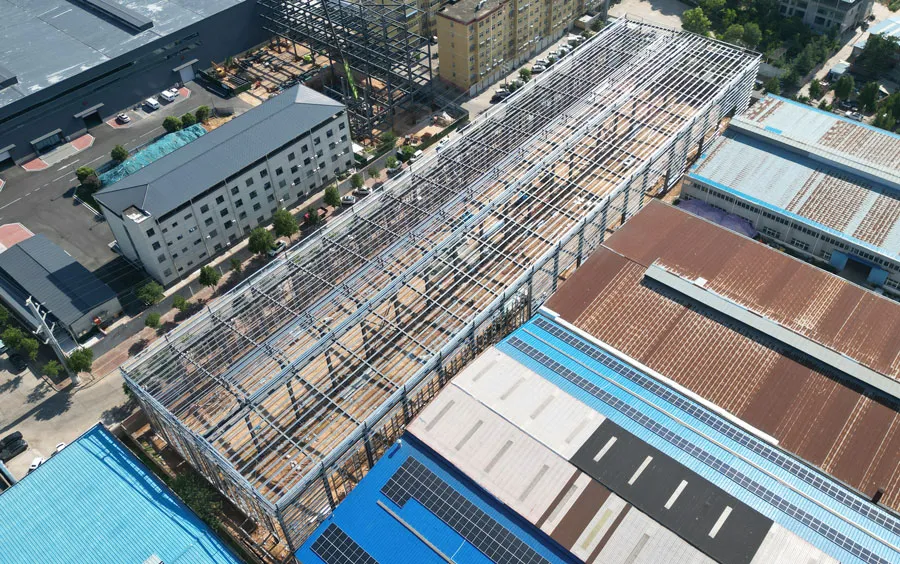
Steel Structure Workshop Solutions
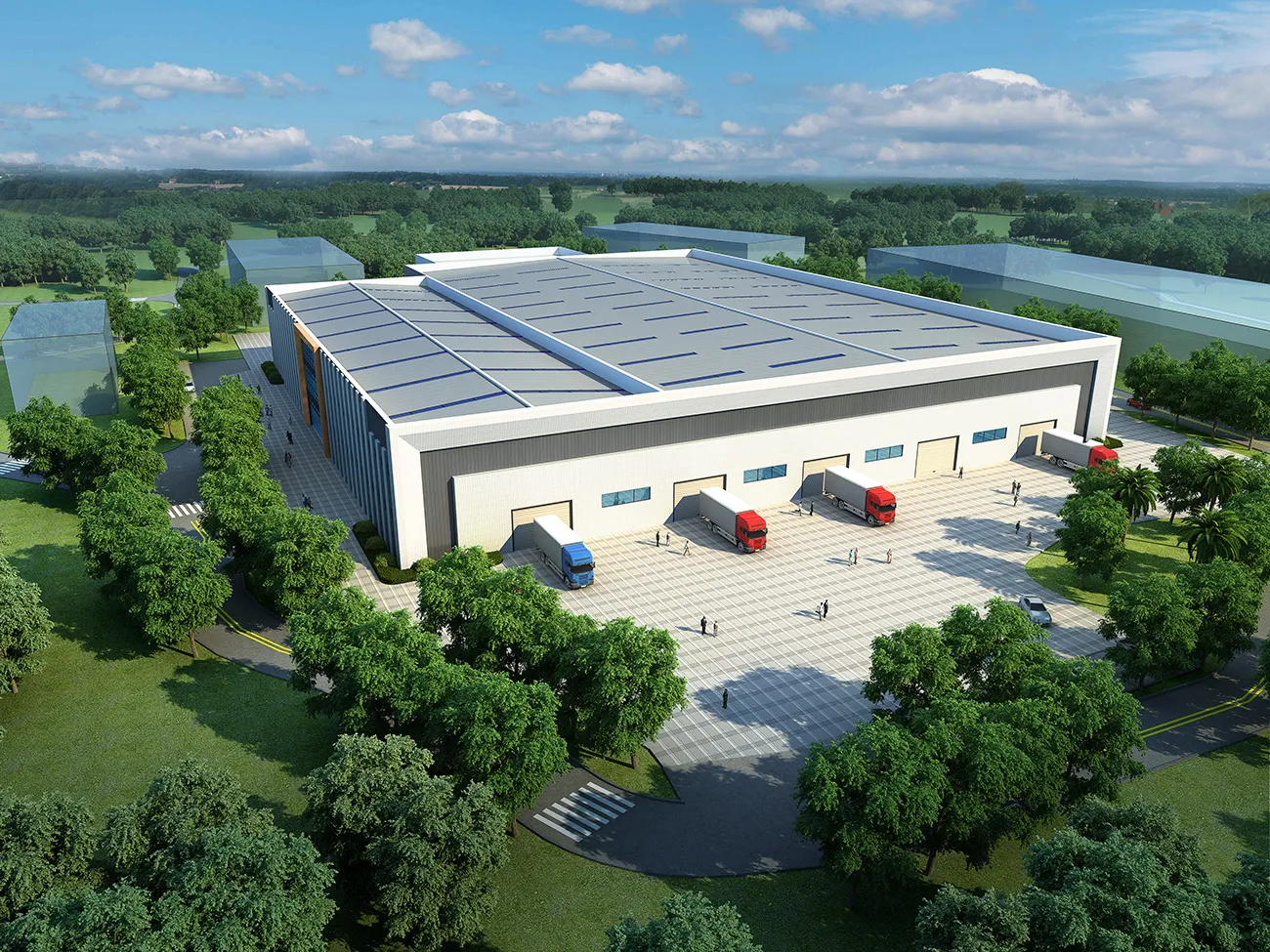
Steel Warehouse Solutions
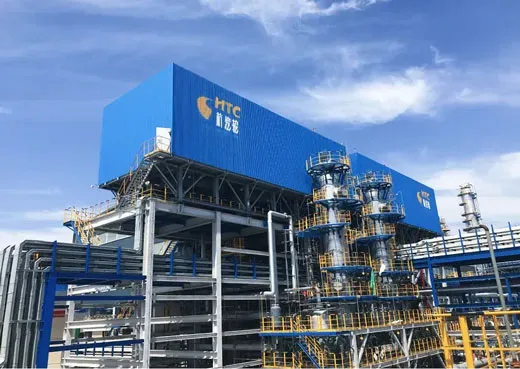
Heavy Steel Structures for Equipment
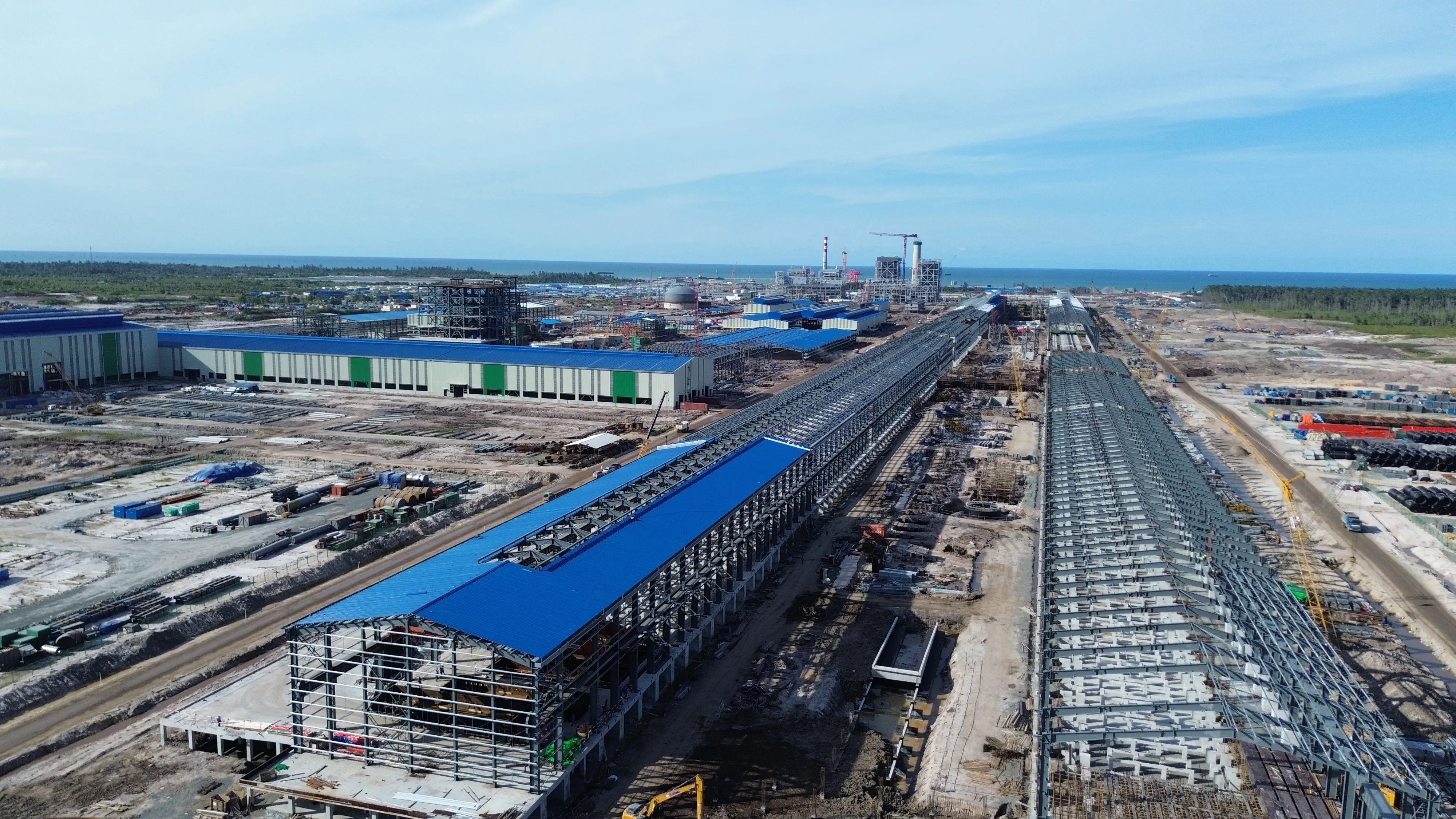
Indonesia North Kalimantan Aluminum Plant Project
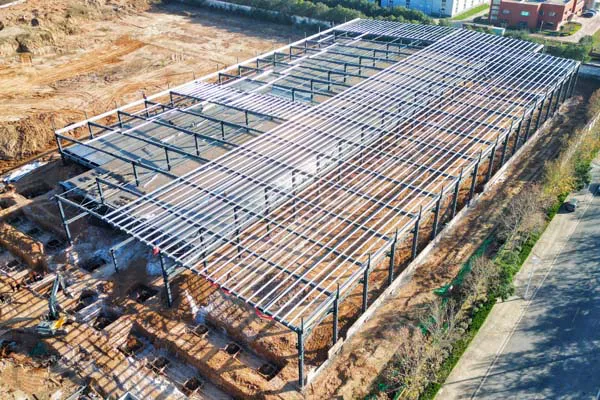
Luoyang Haode Auto Parts Steel Structure Factory Project
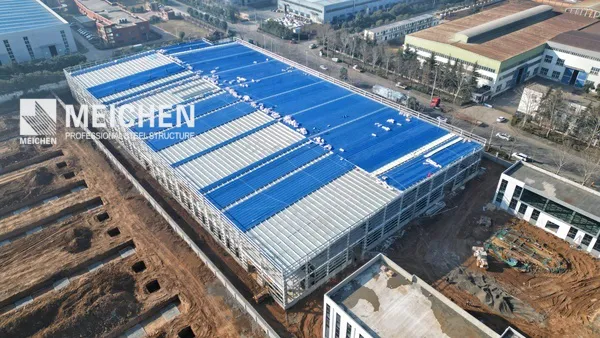
Automated Glass Production Line Steel Structure Factory Building Project
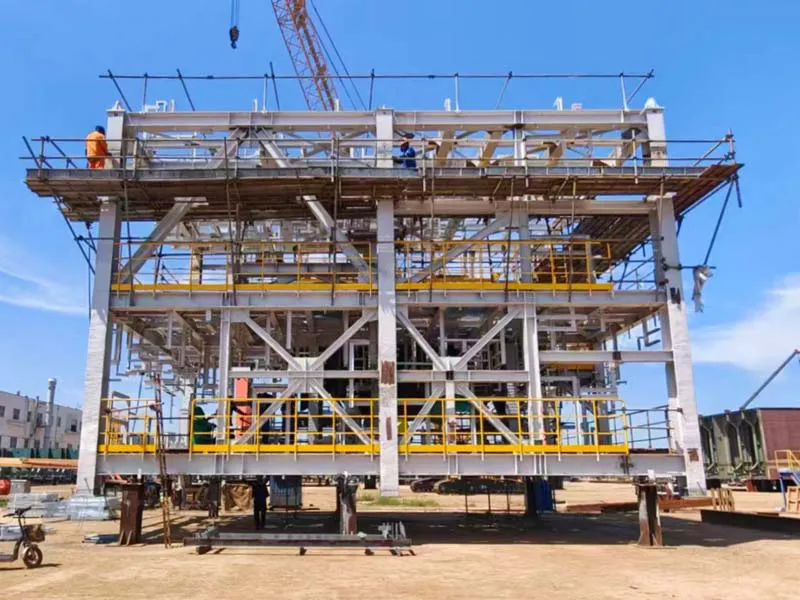
Oil & Gas Modular Steel Structure Fabrication Project

Flare Stack Structure