Time:2026-10-29 01:36:25 Source:Sanjian Meichen Steel Structure
Creating a well-designed industrial steel platform requires balancing structural integrity with real-world constraints. Yet, as a fabricator, I often see client designs that pass engineering calculations but fall apart in manufacturability, operability, or cost-effectiveness. Why does this happen? It usually starts with assumptions about how industrial platforms should be designed.
Design missteps don't just result in delays; they force painful rework cycles—sometimes even quality compromises. Avoiding these issues requires closer collaboration between EPC engineers and fabricators during the design phase.
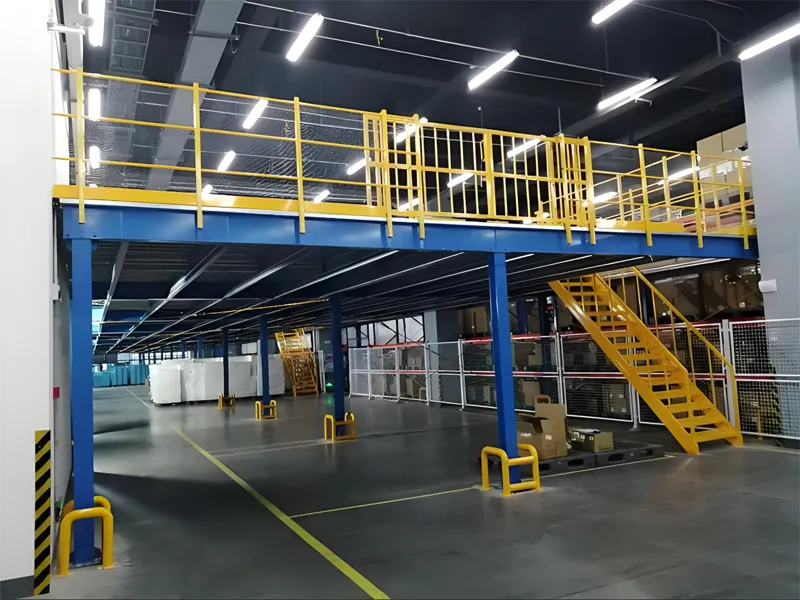
Let's break down the key considerations overlooked in steel platform designs—so you can avoid common pitfalls and keep manufacturing on track.
Designers often assume that if a platform satisfies all structural calculations, fabricators will have no issues. However, this isn't always the case.
Here's the problem: Many designs that look flawless on paper create massive welding access challenges, alignment headaches, and even shipping violations during fabrication. These issues only become visible when shop drawings are prepared—but by then, changes can be costly.
Picture a platform with tightly spaced beams and intricate weld joints. It might pass stress tests but leave fabricators asking, “How are we supposed to reach this weld effectively?” Worse, platforms with oversized assemblies sometimes exceed shipping dimensions, creating logistical nightmares[^1].
Common design oversights include:
During shop review, we flagged a platform drawing containing inaccessible internal welds due to overlapping beam placement. The solution required staggering the beams slightly—something easy to adjust early on but costly if discovered post-fabrication.
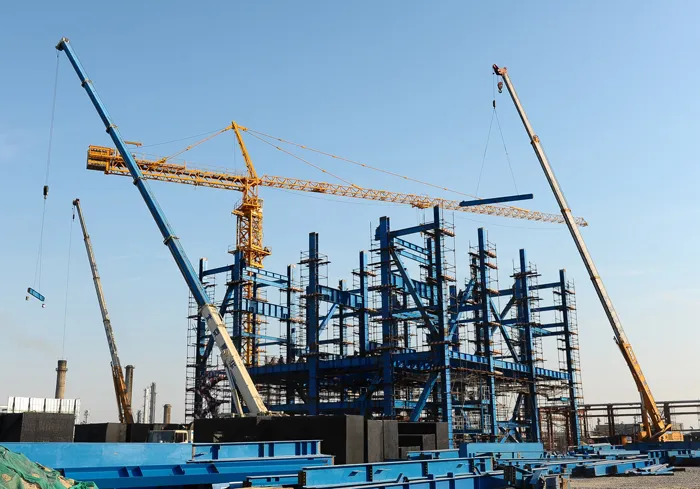
Industrial platforms are not static structures—they need to function in dynamic environments.[^4] Yet, many designs focus on structural calculations while neglecting how the platform will actually be used.
Design engineers often prioritize load capacity and skip considerations like pipe routing, equipment clearances, and maintenance access. This blindspot leads to platforms that require expensive post-delivery modifications[^5]—something no EPC project wants.
I've seen designs with no cutouts for pipes, forcing contractors to drill holes through finished steel sections. I've also reviewed platforms that block access to critical valves or motors, requiring operators to awkwardly climb over obstacles.
Designers are usually far removed from fabrication and operational environments.[^6] Their focus is on calculations and process requirements, not practical usability. Pipe routing, clearances, or operator paths often fall outside their field of vision. As a fabricator, these issues stand out the moment we review drawings—helping clients catch them early before they cause trouble in the field.
Fabrication costs aren't just influenced by the size of a platform—they depend heavily on smaller design details.
Connection types, beam sizes, and weld joint configurations can make or break a platform's fabrication budget. We often see platforms designed with features that seem minor but turn into big manufacturing expenses.
Here's why:
One project involved a platform with round cross-braces instead of simple angles. While structurally sound, switching these braces to angles cut our welding time in half—and saved the client thousands of dollars.
Structural engineers design for performance and safety, but they often lack fabrication feedback during drawing preparation. Until someone flags potential manufacturing bottlenecks, these issues sneak through unnoticed.
When a platform design doesn't account for fabrication-level constraints, quality issues become inevitable.
Certain design features—like inaccessible welds, over-specified tolerances, or irregular connection details—force fabricators into difficult choices. They can either compromise quality to meet the design or reject the drawings entirely. Neither outcome is good for your project.
When welding or assembly is physically constrained by design, achieving the required quality levels becomes far harder—or sometimes impossible. Tight dimensions for non-critical areas also eat up inspection time and create unnecessary quality management workload.
As a fabricator, catching these red flags early lets us steer designs toward smoother manufacturing workflows and prevent quality challenges.
Because designers may not account for the positioning constraints during welding—like angles, accessibility, or overlap. Welds tucked into tight spaces often force fabricators to improvise, risking quality compromise.
Coordinate with your fabricator during design freeze. Their input helps ensure pipe cutouts, access routes, and maintenance-friendly clearances are in place before production starts.
Small design details, like unusual connection types or oversized members, can significantly increase labor, tooling, and material costs. Early feedback from fabricators helps identify and eliminate these cost drivers.
Industrial steel platform designs often fall short in manufacturability, operability, and cost efficiency when assumptions about fabrication constraints and real-world usability are ignored. As a fabricator, I see these oversights all the time—especially in EPC-managed projects. To avoid delays, rework, or quality issues, engage your steel structure manufacturer early and work collaboratively during design freeze[^9]. It's the best way to keep your project on schedule and within budget.
Ready to optimize your steel platform designs? Contact Meichen Steel Structures Co., Ltd today. Let's catch potential issues early and ensure manufacturing reliability.
[^1]: "Federal Size Regulations for Commercial Motor Vehicles", https://ops.fhwa.dot.gov/Freight/publications/size_regs_final_rpt/index.htm. Transportation regulations establish maximum dimensions for road transport of industrial structures, with oversized loads requiring special permits and routing considerations that increase logistics complexity and costs. Evidence role: general_support; source type: government. Supports: the existence of regulatory shipping dimension limits that constrain industrial steel assembly sizes. [^2]: "Dimensioning and Tolerancing", https://engineering.tcnj.edu/wp-content/uploads/sites/194/2012/02/dimensioning_and_tolerancing.pdf. Steel fabrication standards provide tolerance ranges appropriate to structural function, with tighter specifications reserved for elements where dimensional precision affects performance or assembly. Evidence role: general_support; source type: institution. Supports: the existence of industry-standard tolerance guidelines that distinguish critical from non-critical dimensional requirements. [^3]: "Bridge Welding Reference Manual", https://www.fhwa.dot.gov/bridge/steel/pubs/hif19088.pdf. Welding standards emphasize that joint accessibility directly affects weld quality, with design guidelines recommending adequate clearance for welding equipment and operator positioning. Evidence role: general_support; source type: institution. Supports: the importance of weld accessibility in achieving quality joints and the existence of design guidance addressing this factor. [^4]: "Facility Management and Maintenance Standards (FMMS)", https://www.mass.gov/info-details/facility-management-and-maintenance-standards-fmms. Industrial facility design literature emphasizes that platforms must accommodate not only structural loads but also operational requirements including maintenance access, equipment installation, and utility distribution. Evidence role: general_support; source type: education. Supports: the need to consider operational factors like maintenance access, equipment clearances, and utility routing in industrial platform design. [^5]: "Design-Build Effectiveness Study - Findings", https://www.fhwa.dot.gov/reports/designbuild/designbuild4.htm. Construction research demonstrates that modifications made during installation or after delivery typically cost several times more than equivalent changes implemented during the design phase, due to rework, schedule impacts, and coordination challenges. Evidence role: statistic; source type: research. Supports: the cost premium associated with modifications made after fabrication or delivery compared to design-phase changes. [^6]: "Structural Engineering", https://www.fit.edu/mechanical-and-civil-engineering/civil-engineering/areas-of-study/structural-engineering/. Engineering education research identifies a persistent gap between design-focused training and manufacturing knowledge, with many structural engineers having limited exposure to fabrication processes and operational environments during their education and early career. Evidence role: general_support; source type: research. Supports: the documented gap between design engineering education/practice and manufacturing/operational knowledge. [^7]: "The Implications of Advanced Manufacturing in ...", https://www.energy.gov/sites/prod/files/2019/07/f65/036-Poster19-24%20-%20Implications%20of%20Advanced%20Manufacturing%20in%20a%20Connected%20Economy.pdf. Construction cost studies indicate that connection complexity significantly influences fabrication labor hours and material waste, with simpler standardized connections generally offering cost advantages over custom or intricate details. Evidence role: general_support; source type: research. Supports: the relationship between connection design complexity and fabrication costs. Scope note: Research may not provide specific cost multipliers for all connection types [^8]: "Structural Steel Reuse as a Cost-Effective Carbon ...", https://dspace.mit.edu/bitstream/handle/1721.1/151575/Berglund-Brown-jbbrown-smbt-arch-2023-thesis.pdf?sequence=1&isAllowed=y. Structural optimization research demonstrates that member sizing beyond structural requirements increases material costs, handling effort, and foundation loads, with optimization studies showing potential cost reductions through right-sizing approaches. Evidence role: general_support; source type: research. Supports: the cost implications of specifying structural members beyond minimum required capacity. [^9]: "Design-Build Effectiveness Study - Conclusions and ...", https://www.fhwa.dot.gov/reports/designbuild/designbuild5.htm. Construction management research on early contractor involvement and integrated project delivery demonstrates that fabricator input during design phases reduces constructability issues, lowers costs through value engineering, and improves schedule performance compared to traditional sequential approaches. Evidence role: general_support; source type: research. Supports: the project performance benefits of early fabricator or contractor involvement in design phases.
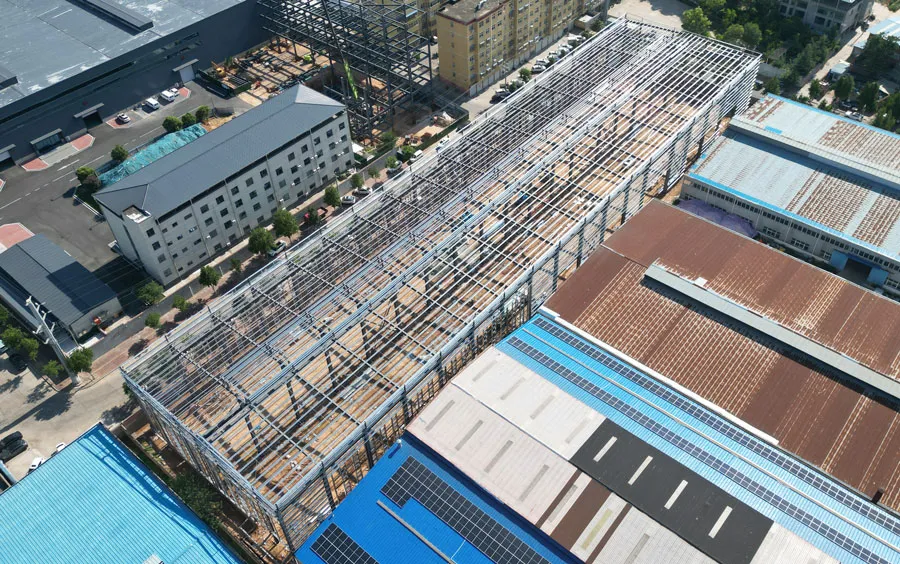
Steel Structure Workshop Solutions
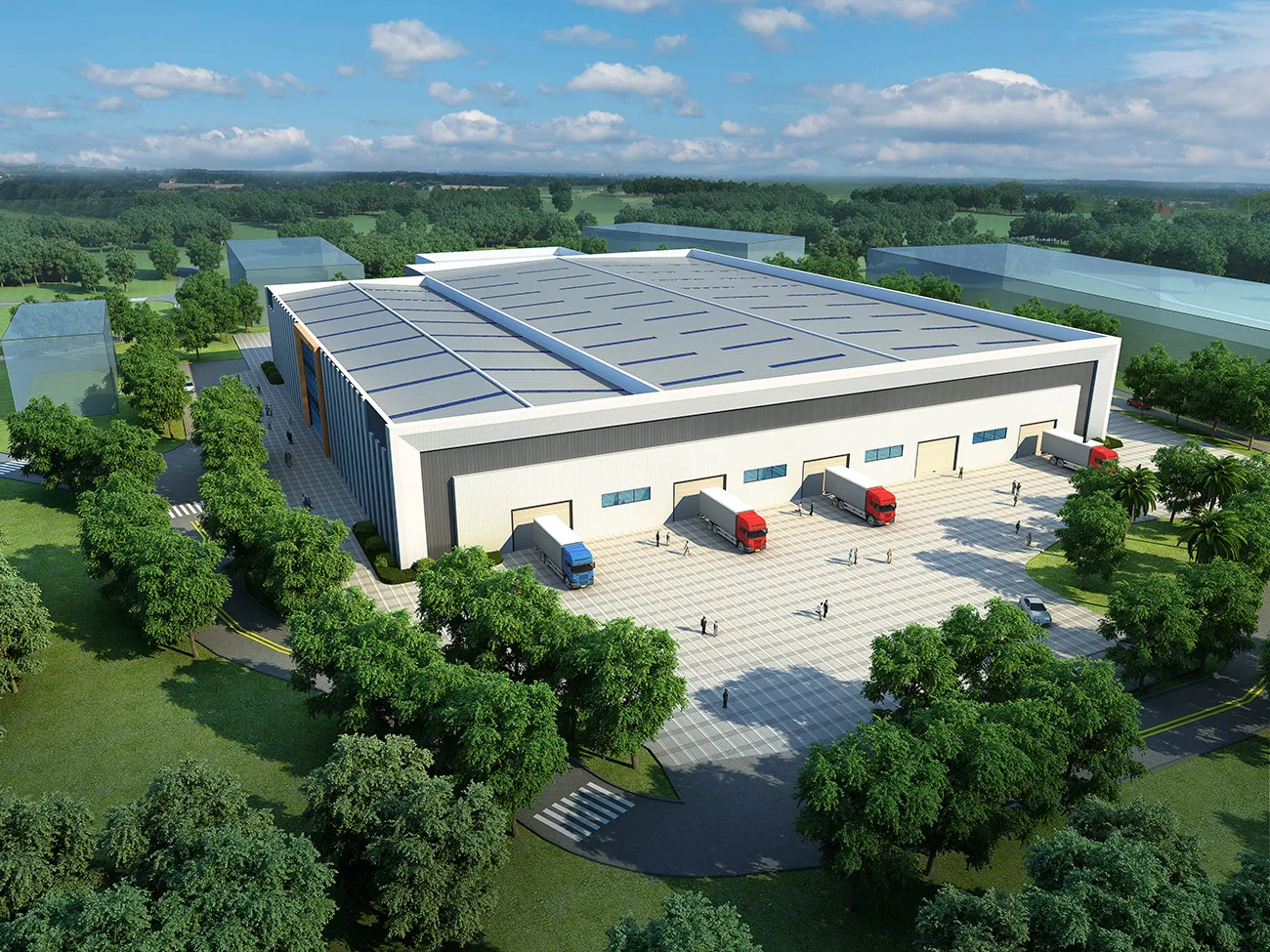
Steel Warehouse Solutions
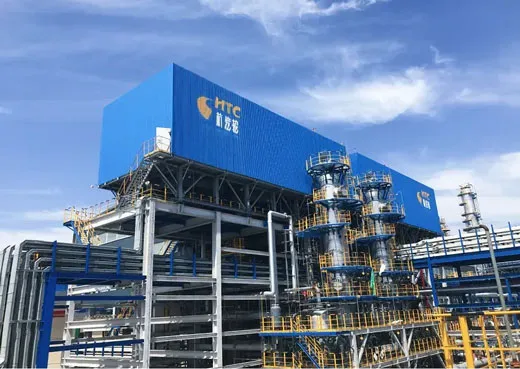
Heavy Steel Structures for Equipment
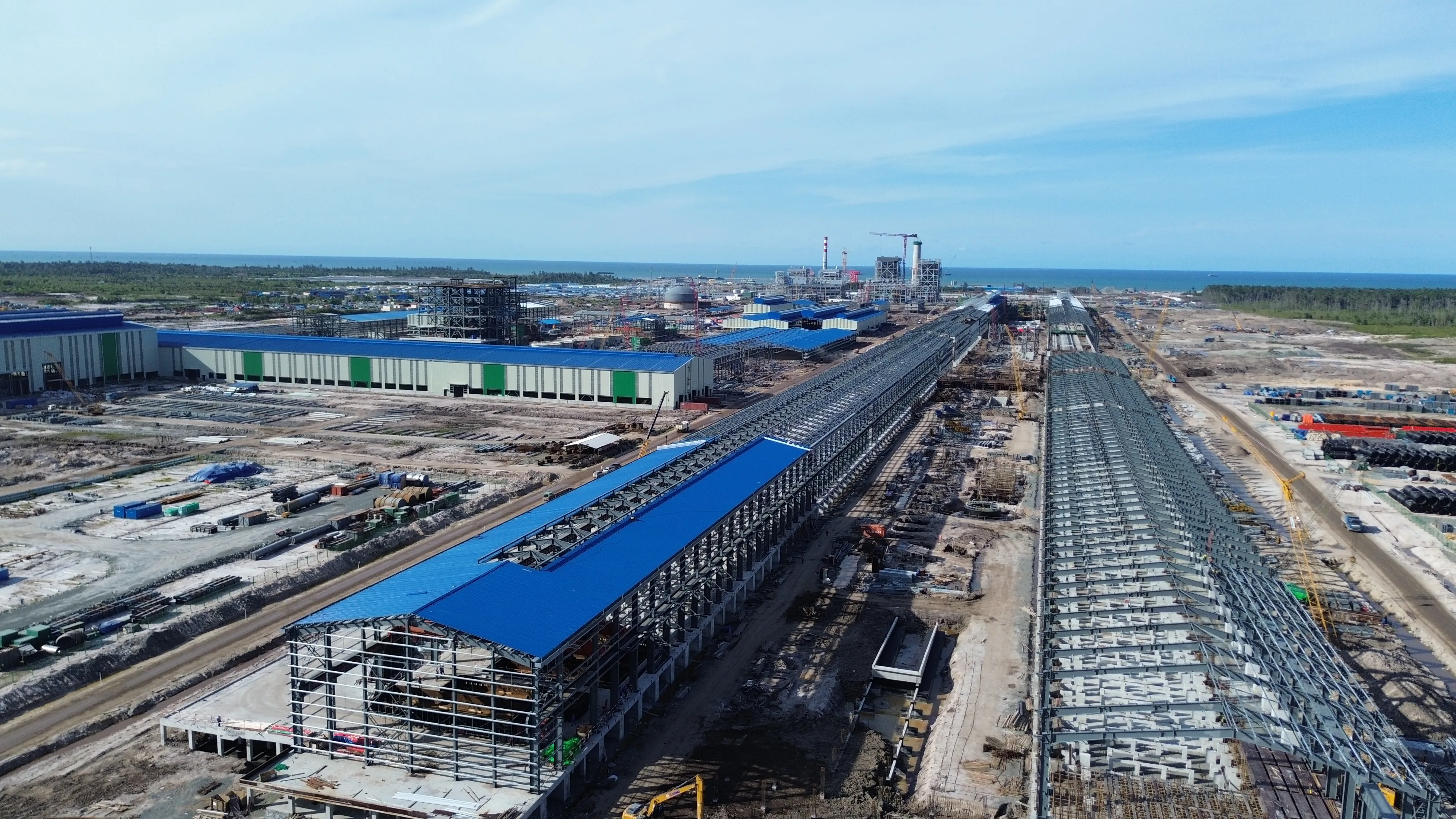
Indonesia North Kalimantan Aluminum Plant Project
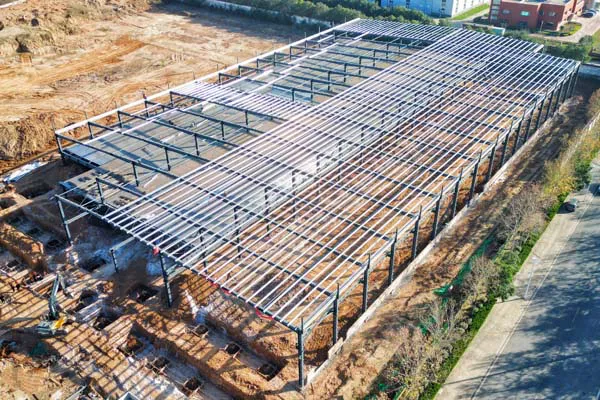
Luoyang Haode Auto Parts Steel Structure Factory Project
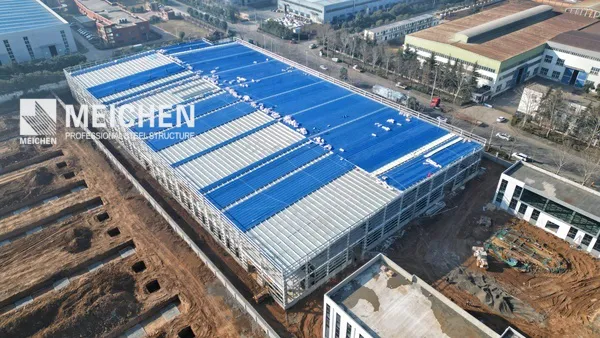
Automated Glass Production Line Steel Structure Factory Building Project
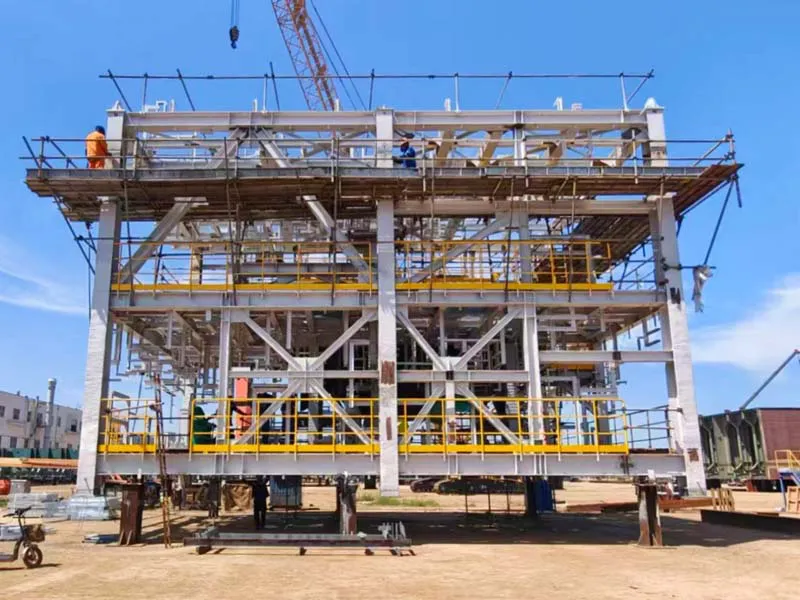
Oil & Gas Modular Steel Structure Fabrication Project

Flare Stack Structure