Time:2026-11-06 07:12:56 Source:Sanjian Meichen Steel Structure
Here's a problem I see all the time: EPC contractors treat modular steel structures like they're just ordering beams for a warehouse. Then three months into fabrication, they discover their "steel structure supplier" has never built a pipe rack that holds six equipment platforms, doesn't understand interface control, and can't produce the mill test reports their quality plan requires. Now they're facing schedule delays on a $50 million module package.
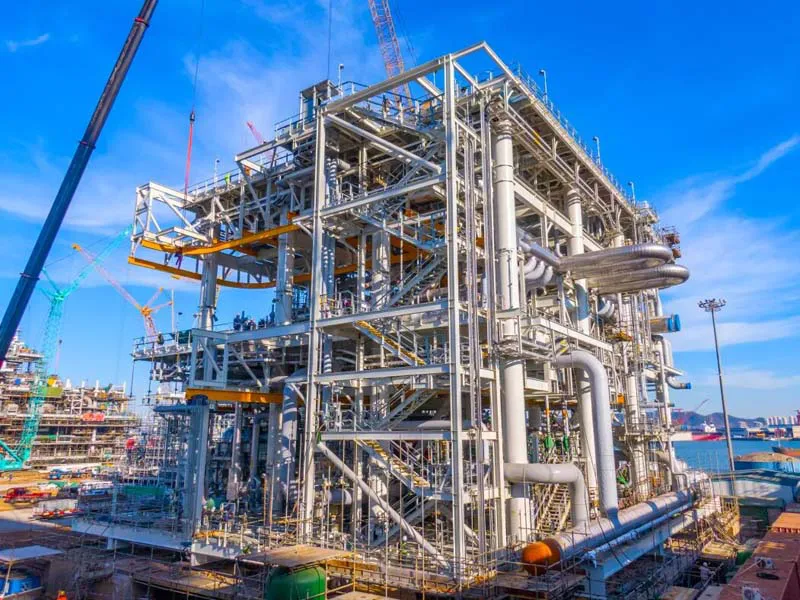
Modular steel structures for industrial equipment and process units are specialized fabrications that support process equipment loads, meet hazardous area classifications[^1], and integrate with modular construction interfaces—requiring manufacturing capabilities fundamentally different from building construction steel structures. These structures demand EN1090 EXC3 certification[^2], full material traceability systems, and documented experience with petrochemical EPC project execution, not just welding capacity and competitive pricing.
Most procurement managers understand this difference conceptually, but they struggle to verify which Chinese fabricators actually have industrial module capabilities versus which ones just claim they do. The gap between these two categories isn't about engineering sophistication—it's about manufacturing systems, inspection protocols, and project experience that only become visible during execution.
I've watched engineering teams hand fabrication packages to building-focused factories because "they've built 10,000-ton projects before" and "steel is steel, right?" Three months later, those same teams are scrambling because the fabricator can't handle the non-standard connections, doesn't track material heat numbers, and has never dealt with a third-party inspection regime.
Industrial module steel structures serve fundamentally different functions than building frames. They're not "heavier construction steel"—they're equipment support systems that must accommodate process loads, vibration, thermal expansion[^3], and often hazardous area requirements. Building structures hold up floors and roofs. Module structures hold up reactors, heat exchangers, pump skids, and pipe racks that cost more than the steel itself.
When I'm reviewing fabrication packages, here's what immediately separates industrial work from building work:
Load characteristics: Equipment platforms carry concentrated point loads from vessels and rotating machinery[^4], not distributed dead loads. A building beam supports consistent loads across its span. An equipment support beam might carry 15 tons at one point, vibration from a centrifuge, and thermal movement from a hot pipe—all simultaneously.
Interface requirements: Building steel connects to other building steel. Module steel must interface with equipment nozzles, pipe supports, electrical cable trays, instrumentation mounting points, and often adjacent modules built by different fabricators. Every connection point needs dimensional control that building work rarely requires.
Material documentation: I can't count how many building-focused factories have told me "we always use Q345B steel" without understanding that petrochemical projects need mill certificates, heat numbers, and chemical composition reports[^5] for every plate and section—traceable to the specific structure location. This isn't bureaucracy; it's how you prove material suitability when something goes wrong at 400°C and 40 bar[^6].
Hazardous area compliance: Many process modules operate in Zone 1 or Zone 2 classified areas. The steel structure itself doesn't need explosion certification, but the grounding systems, electrical continuity, and spark-resistant surface treatments all matter. Building fabricators don't encounter these requirements.
Let me be specific about what goes wrong. Building-focused factories aren't incompetent—they're optimized for different work:
| Capability area | Building-focused factory | Industrial module fabricator |
|---|---|---|
| Welding procedures | Standardized shop procedures for common sections | Multiple WPS documents for pressure boundary connections, stainless overlay, dissimilar materials |
| Quality hold points | Final dimensional check before shipping | Material receiving inspection, fit-up verification, post-weld heat treatment witness, NDE inspection, coating cure verification |
| Drawing control | Shop drawings created once, minimal revisions | Interface control drawings, multiple revision cycles, coordination with equipment suppliers |
| Inspection regime | Internal QC only | Third-party inspection, client witness points, documentation packages for every major component |
The building factory isn't doing anything wrong—their systems work fine for building structures. They just don't have the infrastructure that industrial work demands.
I worked on a 4,200-ton module package where the fabricator—a building-focused company with impressive facility size—couldn't understand why we needed dimensional reports for every equipment support location. "We always hold ±3mm tolerance[^7]," they said. That's fine for building columns. It's not fine when you're setting a 12-ton heat exchanger that must align with pipe nozzles to within ±1mm for welding.
Every procurement manager knows they "should" ask for EN1090 certification. Most don't know what it actually verifies or what it misses. I've reviewed suppliers with impressive certificate folders whose actual shop practices wouldn't pass a third-party audit.
EN1090 EXC3 certification is a manufacturing system verification, not a quality seal. It confirms the factory has documented procedures for material control, welding qualification, traceability, and inspection—and that they follow those procedures consistently enough to pass periodic audits.
Here's what the certification verifies:
Welding procedure qualification: The factory has documented, tested welding procedures (WPS) for the materials and joint types they claim to handle. Not just "we have welders"—they have specific procedures that passed destructive testing.
Welder certification tracking: Every welder has qualification records showing what procedures they're certified to use. When I audit a shop, I check whether the guy welding my critical connection actually holds the qualification for that specific WPS. Building factories often have "certified welders" without tracking which procedures each person is qualified for.
Material traceability: There's a documented system to track material from receiving through fabrication to final assembly. When I ask "show me the mill certificate for the plate used in structure S-101," a proper industrial fabricator can pull it in five minutes. A building factory might have the certificate somewhere, but can't prove which steel actually went into which structure.
Non-destructive testing protocols: The factory has qualified NDT procedures and certified inspectors. This is where many building fabricators fall short—they can arrange for outside inspection when required, but they don't have in-house NDE capability or experience interpreting the results.
The certification doesn't verify everything you need:
I evaluate suppliers by asking: "Show me three projects where you fabricated equipment support structures over 3,000 tons for petrochemical clients." If they can show photos, dimensional reports, and client references, the EN1090 certificate validates their system. If they have the certificate but can't show relevant projects, the certification just means they passed an audit for work they might not actually perform.
Here's what I actually check when qualifying a steel fabricator for module work. These are practical verification steps, not theoretical criteria.
Shop equipment matters less than you think—to a point. Every modern fabricator has CNC plasma cutters and welding robots. What separates industrial capability is the auxiliary equipment that building work doesn't require:
When I visit a shop, I photograph the stress relief furnace and ask how often they use it. Building fabricators either don't have one or it sits unused. Industrial fabricators run it regularly because they handle thick pressure boundary connections.
Ask for specific project parameters, not vague claims:
| What to ask | What you're checking | Red flags |
|---|---|---|
| "Show three petrochemical projects over 3,000 tons" | Whether they handle project scale and complexity | Only building projects, or small equipment platforms mixed with building work |
| "What was the equipment heaviest piece you supported?" | Load handling experience | No answer over 10 tons, or vague responses |
| "Who was the EPC contractor?" | Whether they work with international engineering companies | Only local building clients, or can't name recognizable EPC firms |
| "Show me your dimensional report format" | Documentation standards | No standard format, or reports that only show final assembly dimensions |
I once audited a fabricator who claimed "extensive petrochemical experience." When I asked for project references, they showed photos of a warehouse they built next to a refinery. Not the same thing.
EN1090 confirms they have procedures. You need to verify they actually follow them:
The documentation volume isn't bureaucracy—it's evidence that the factory operates systems required by petrochemical projects.
Procurement managers always ask about the price gap. A building-focused factory quotes $950/ton. An industrial fabricator quotes $1,250/ton. "Why am I paying 30% more for the same steel?"
You're not paying for the same thing.
Material handling and traceability: Industrial fabricators maintain segregated storage, bar code tracking, and documentation systems. This adds 5-8% to material cost versus the building factory's bulk receiving approach.
Welding qualification and procedures: Maintaining multiple WPS documents, qualifying welders for each procedure, and tracking who's certified for what requires full-time quality personnel. Building factories use generic procedures and don't track individual qualifications.
Inspection and testing: Third-party NDE, dimensional surveys at multiple stages, material testing beyond standard mill certificates—these typically add 8-12% to total fabrication cost. Building work includes basic QC only.
Project coordination: Industrial module work requires engineering coordination, interface management, and documentation packages that building projects don't need. This is 3-5% of project cost for engineering time and document control.
Lower throughput: Industrial structures have more complex geometry, more inspection hold points, and more rework cycles than building steel. The same shop capacity produces fewer tons per month. This overhead gets distributed across fewer tons, raising unit cost.
The cost gap isn't markup—it's infrastructure:
When a building-focused factory quotes low prices for industrial work, they're not offering a better deal—they're underestimating what the work actually requires. That gap appears later as quality issues, schedule delays, and rework cost.
I've seen this happen: a module package awarded to the low bidder (building factory) ended up costing 40% more than the original higher quote after three rounds of rework, re-inspection, and schedule acceleration. The "expensive" industrial fabricator's price wasn't high—it was accurate.
Here's my practical checklist. These aren't theoretical criteria—these are questions I actually ask when qualifying suppliers:
Manufacturing experience:
Quality systems:
Technical capability:
Pay attention to these warning signs:
I've learned to trust my instincts during factory audits. If the quality manager can't answer basic questions about their WPS documentation or material traceability, their systems aren't real—they're paperwork for certification audits.
Not usually. Capacity isn't the limiting factor—it's manufacturing systems and project experience. Industrial module work requires material traceability, inspection protocols, and engineering coordination that building fabricators don't typically maintain. The investment to build these systems is substantial, so most building-focused factories don't attempt it. A few large fabricators operate separate divisions for building and industrial work, with different quality systems for each.
Ask for specific details: EPC contractor name, project location, tonnage, and completion year. Then contact the EPC contractor's procurement department directly—don't rely on letters the fabricator provides. Ask about quality performance, schedule adherence, and whether they'd use the fabricator again. Legitimate industrial fabricators have multiple verifiable references. Building-focused factories claiming industrial experience often provide vague references or references from building projects only.
For Chinese fabricators serving international EPC projects, expect $1,100-1,400/ton[^10] for standard module structures, varying with complexity, material specifications, and documentation requirements. Building steel typically runs $800-1,000/ton. The difference reflects quality systems, inspection requirements, and lower production throughput. Quotes below $1,000/ton for industrial module work usually indicate the fabricator doesn't understand full scope requirements.
EN1090 certification verifies that documented procedures exist and are followed during certification audits. It doesn't verify that procedures are appropriate for your specific project requirements, or that the factory follows them consistently on every project. Some fabricators maintain systems just sufficient to pass periodic audits but cut corners on daily work. This is why project-specific third-party inspection is essential—it verifies actual work quality, not just system capability.
Prioritize capability first, then negotiate price within the range of qualified suppliers. The cost difference between capable industrial fabricators is usually 10-15%, while the risk of using an unqualified supplier (rework, delays, quality failures) can exceed 50% of contract value. I've never seen a project succeed by awarding to the cheapest bidder who lacked proper capabilities, but I've seen many projects stay on schedule despite paying slightly higher prices to qualified fabricators.
The fundamental issue isn't that building-focused steel fabricators are incompetent—it's that industrial module structures require manufacturing infrastructure that building work doesn't justify developing. Material traceability, welding procedure qualification, third-party inspection protocols, and engineering coordination represent real capability differences, not just documentation overhead.
When evaluating Chinese steel fabricators for industrial module work, verify actual project experience with similar equipment support requirements, confirm quality system depth beyond certification paperwork, and understand that cost differences reflect manufacturing infrastructure, not arbitrary markup. The procurement decision isn't about finding the cheapest supplier—it's about identifying fabricators whose capabilities match your project's actual requirements.
If you're currently evaluating steel fabricators for petrochemical or industrial module projects and need guidance on capability verification or supplier qualification criteria, contact our team. We've executed over 50,000 tons of industrial module steel structures for international EPC contractors and understand both the manufacturing requirements and the procurement challenges you're facing.
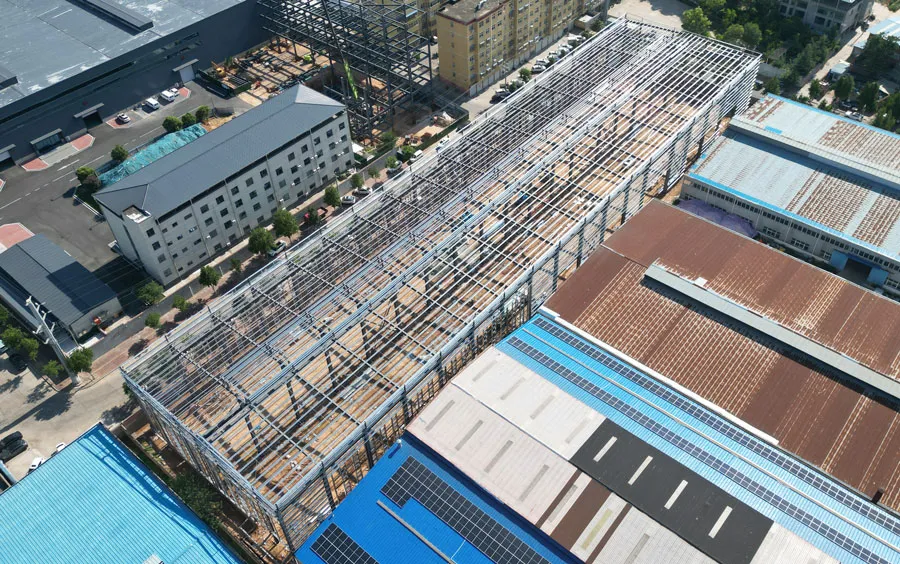
Steel Structure Workshop Solutions
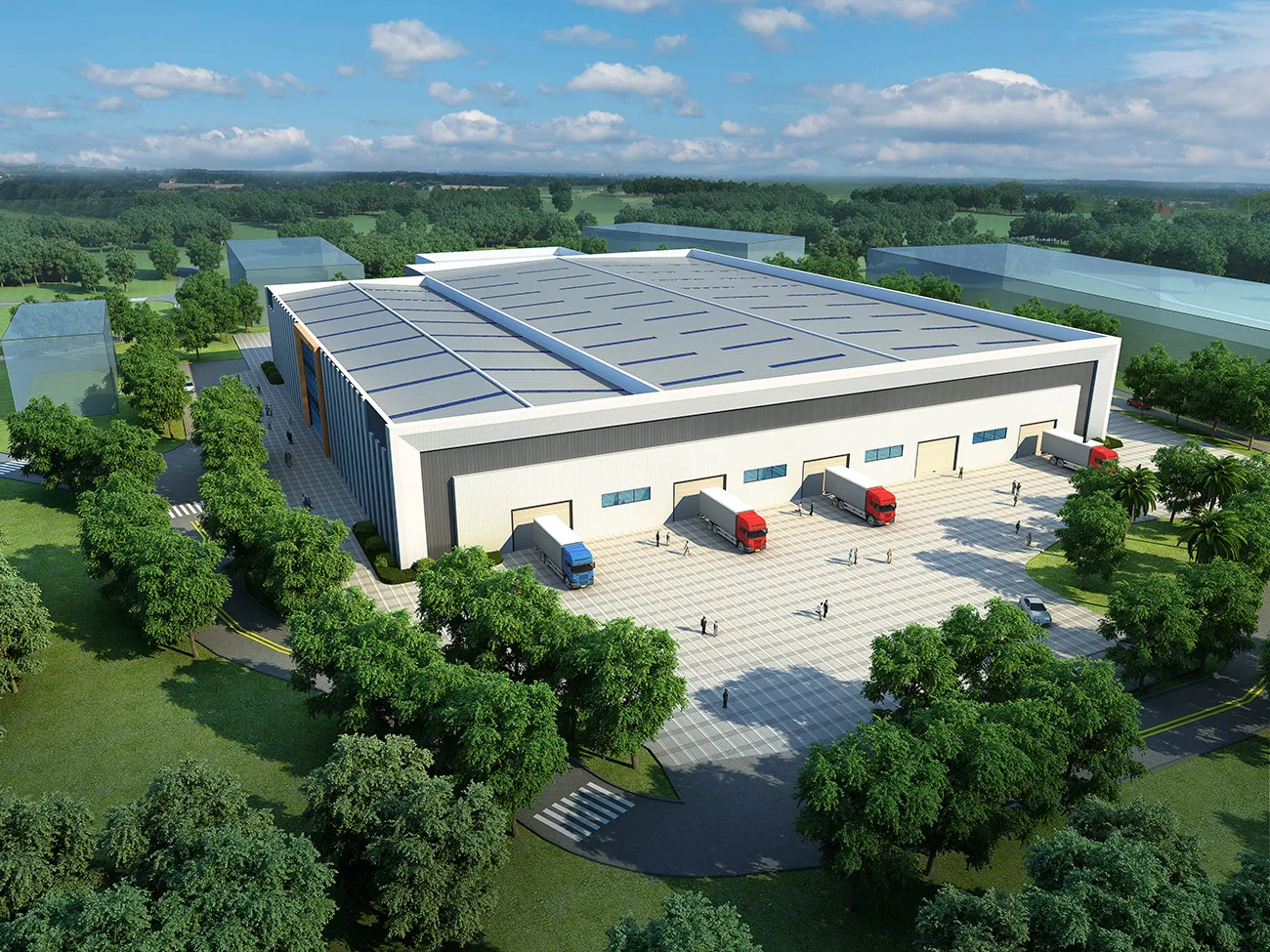
Steel Warehouse Solutions
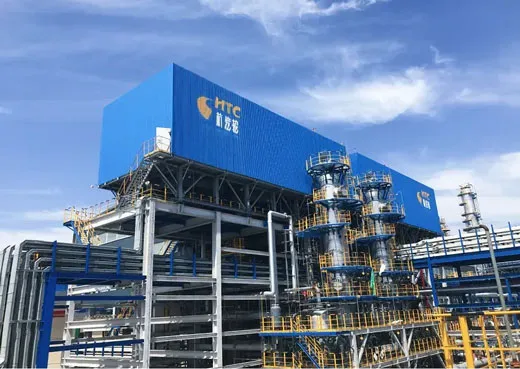
Heavy Steel Structures for Equipment
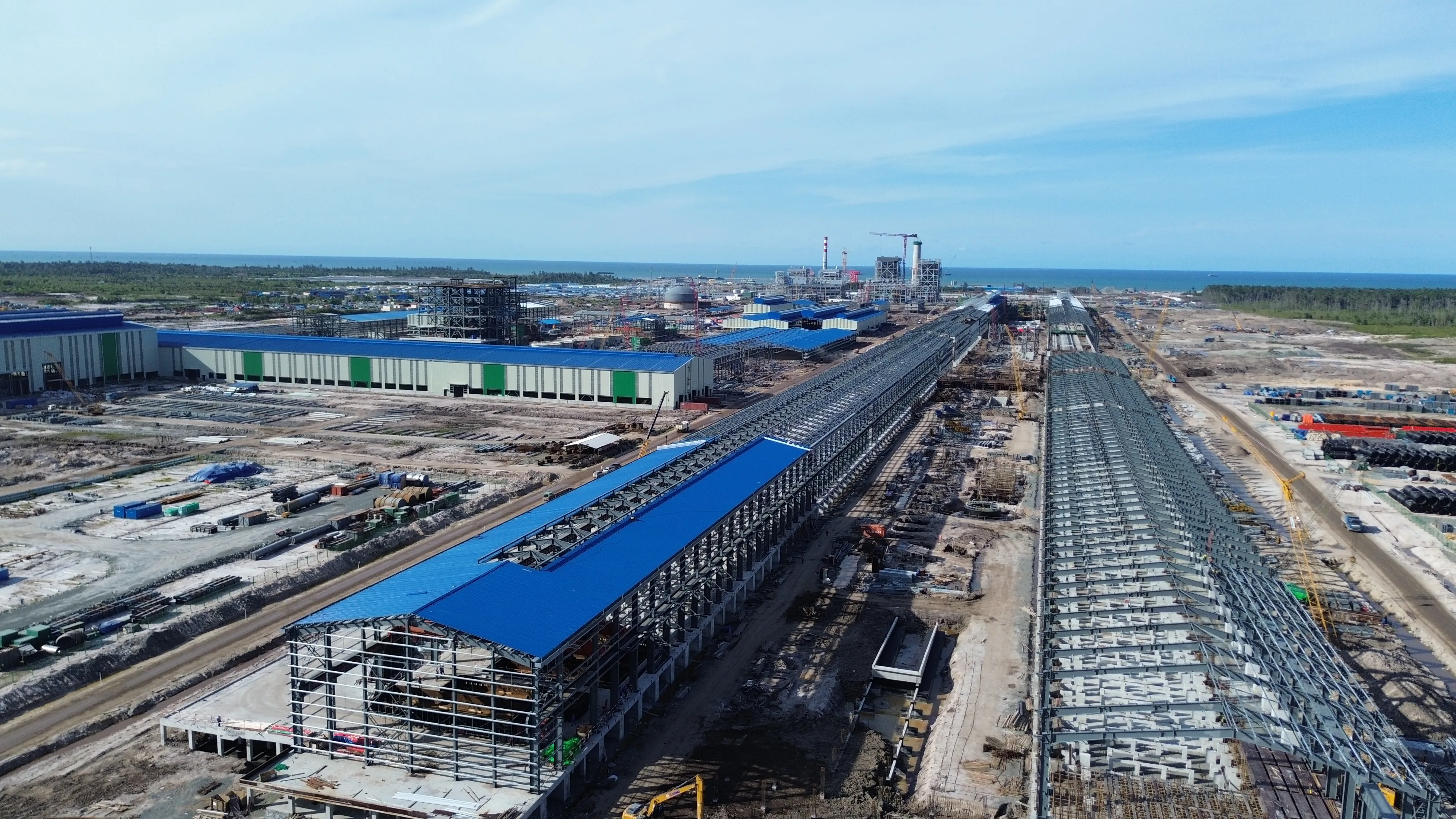
Indonesia North Kalimantan Aluminum Plant Project
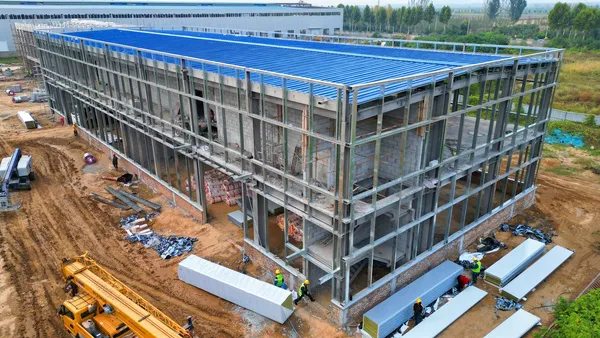
Steel Structure Factory and Warehouse Project for a Material Processing Production Base
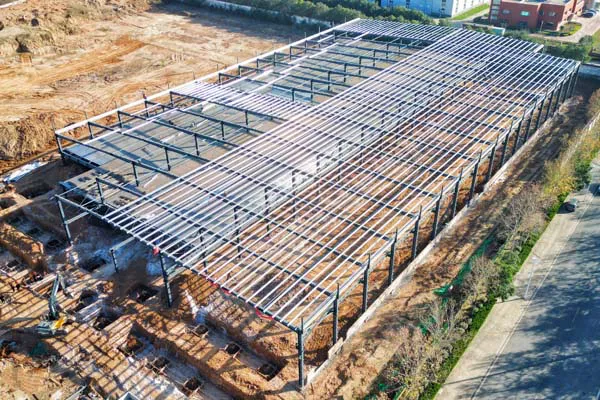
Luoyang Haode Auto Parts Steel Structure Factory Project
Automated Glass Production Line Steel Structure Factory Building Project
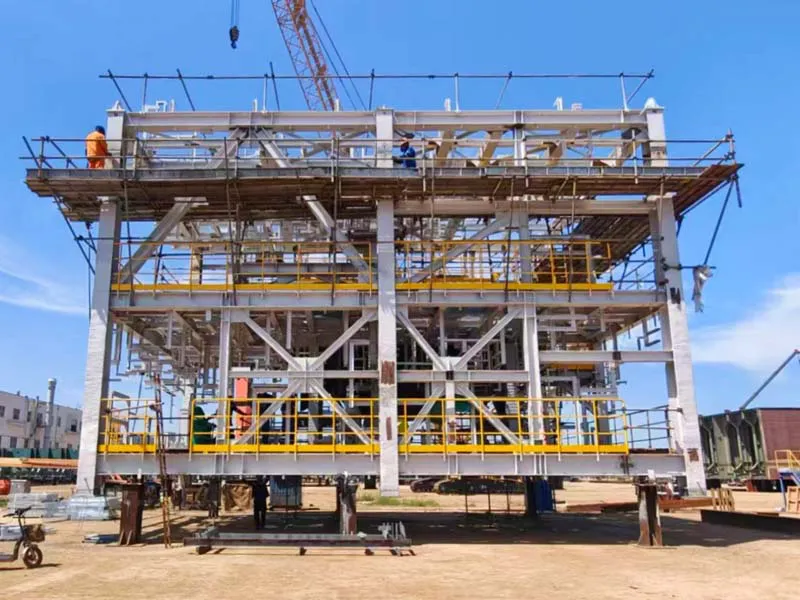
Oil & Gas Modular Steel Structure Fabrication Project