Time:2026-07-02 08:29:34 Source:Sanjian Meichen Steel Structure
Designing a heavy-duty steel structure factory is packed with challenges. Factory owners can easily overlook key details, which leads to delays, repairs, or even safety risks that cost far more in the long run.
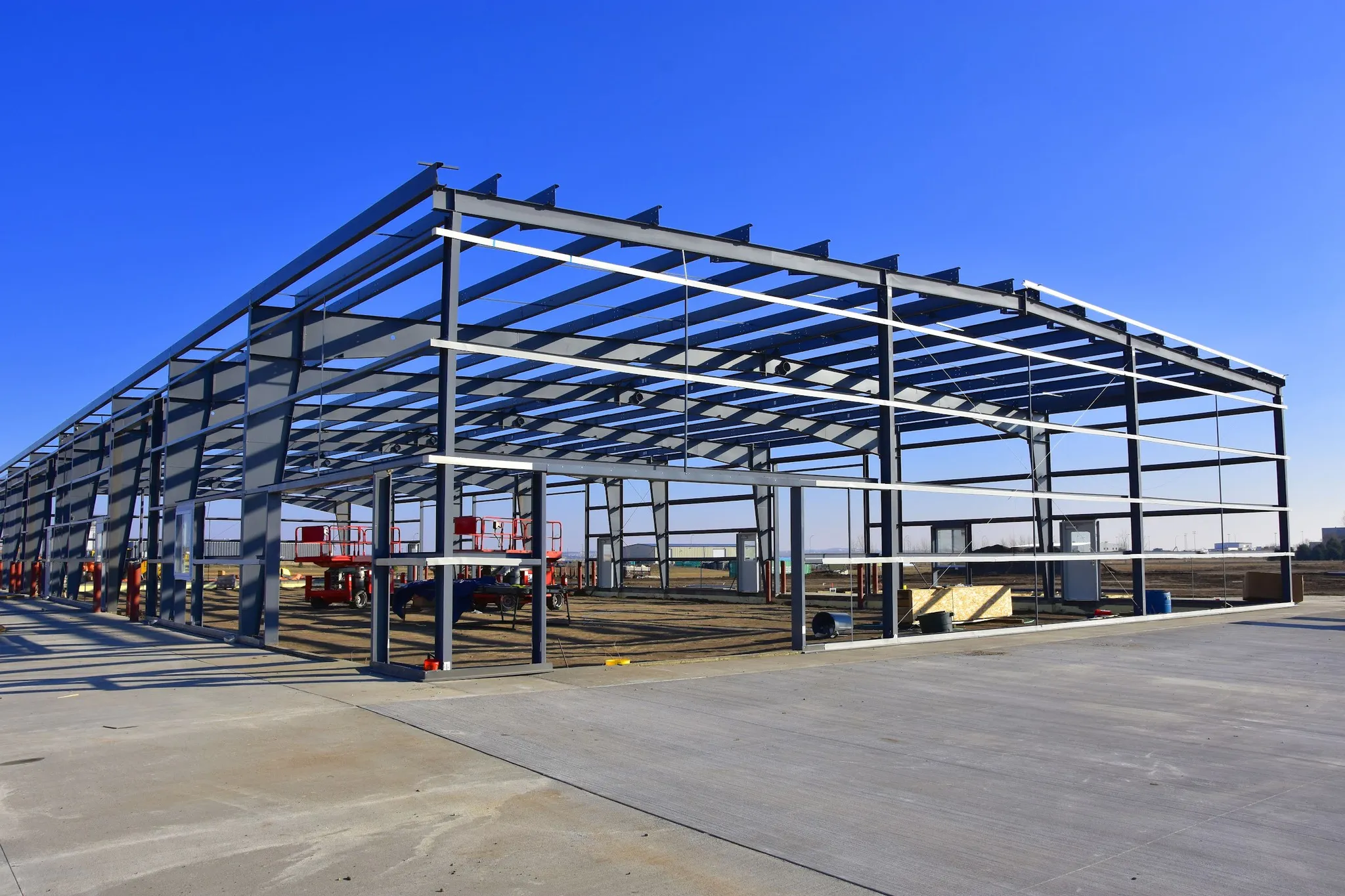
A heavy-duty steel structure factory building must support large machinery, cranes, and heavy traffic. But that’s just the beginning. We need to plan for vibration, expansion, unusual equipment, and safety systems. Over the last two decades, I have learned to look beneath the surface—moving past generic specs and really understanding the heart of each project.
When we start a factory design project, we ask ourselves: What does the client actually need for their production? This means sitting down with their engineering team and walking through every process step. Often, we discover the factory needs to handle machinery heavier than expected—or needs high clearance for tall equipment that wasn’t in the original brief. For instance, if a customer plans to add a crane in the future, we ask more about expansion plans. We always walk the site with them and hold face-to-face Q&A sessions. Many times, we have found the RFP left out important factors, like future machinery upgrades or changing workflows. These conversations help us build flexibility into the design, so the factory can grow with the business.
If load calculations are wrong, the factory could be unsafe or unable to support future upgrades. This step demands both technical skill and practical wisdom.
Structural load calculations guide us in choosing the right foundation strength, beams, and columns. We factor in all weights—machines, vehicles, cranes, and even wind or snow. It’s important to think ahead. More than once, we’ve been asked: “What happens if our equipment gets heavier in five years?” Most designers don’t consider this unless you ask. That is why we often oversize key structural points when budget allows. Upfront investment here prevents costly upgrades later.
Here’s a comparison of costs we’ve seen:
| Item | Upfront Cost Increase | Retrofit Cost Increase |
|---|---|---|
| Oversized crane columns | +8% | +35% |
| Heavy-duty beam connections | +5% | +30% |
| Foundation upgrades | +10% | +40% |
By planning ahead and making structural choices “future-proof,” we save our clients the trouble and expense of retrofitting. It’s always easier and safer to do it right the first time.
Through experience, we have learned that even small changes in machinery or workflow demand bold adjustments in load calculations. Old designs can buckle under new demands if not considered during the original construction.
Choosing the correct steel and following strict quality checks are pivotal for both safety and long-term success.
We lean toward Q345/Q355 or even higher grade steel for the main frames. High-quality bolts and welding materials are essential. For factories working in harsh environments—like petrochemical plants or coastal areas—corrosion-resistant coatings aren’t optional. We insist on them.
Yet paper certifications alone are never enough. We ask manufacturers to allow third-party tests, both at the start and just before shipment. We remember a project where random batch tests caught a supplier mixing in lower-grade steel after passing the first inspection. This saved the client future headaches and major repair bills.
Our table below shows why strict quality checks matter:
| QA Step | Common Practice | Our Approach | Benefit |
|---|---|---|---|
| Steel certification | Provided once | Third-party batch tests | Catches late problems |
| Bolts/welding material checks | Supplier guarantee | Independent verification | Prevents weak points |
| Coating inspection | Sample check | Full lot inspection | Avoids corrosion/failure |
Taking these extra steps, we make sure every piece meets safety and strength requirements. It’s about knowing the real factory, not just the numbers on a certificate.
Factories that are difficult to inspect and maintain can face shutdowns or even accidents. Easy access and built-in safety features lower risks and boost productivity.
We design wide walkways and integrate safety rails and ladders up front. We always recommend extra maintenance walkways above crane beams—even if clients aren’t sure they’ll use them right away. It’s easier to clean, inspect, and repair with safe routes in place.
One client was thankful when their team needed to fix a crane and didn’t have to halt the whole production line. The maintenance staff could reach the faulty spot in minutes instead of hours because we planned for this need early.
A brief rundown of key safety and maintenance features:
| Feature | Why It Matters |
|---|---|
| Wide walkways | Faster inspections, safer repairs |
| Safety rails & ladders | Prevents falls, meets legal codes |
| Fire-resistant partitions | Limits risk, protects core machinery |
| Walkways above beams/cranes | Maintenance without shutdowns |
We never regret adding extra access and safety features. These cost little compared to emergency repairs or lost production time.
Energy efficiency and sustainability can lower long-term costs and help the environment. The best time to plan these features is at the project’s start.
We use skylights and design layouts for natural ventilation. Insulated roof panels keep temperatures stable. Good design means rainwater can be harvested and solar energy can be added later. Once, we helped a client retrofit solar panels because we left cable trays and anchor points ready—this saved them huge installation costs.
Here’s how factory energy efficiency stacks up:
| Energy Feature | Simple Planning Step | Long-Term Benefit |
|---|---|---|
| Skylights & daylighting | Modular roof layout | Free lighting |
| Natural ventilation | Airflow mapping | Fresh air, lower AC |
| Rainwater harvesting | Sloped gutters & collection | Lower water bills |
| Solar panel readiness | Accessible cable trays | Easy upgrades |
Thinking about energy efficiency early opens up future options and keeps operational costs in check.
Pre-assembly and modular methods speed up site work and improve quality.
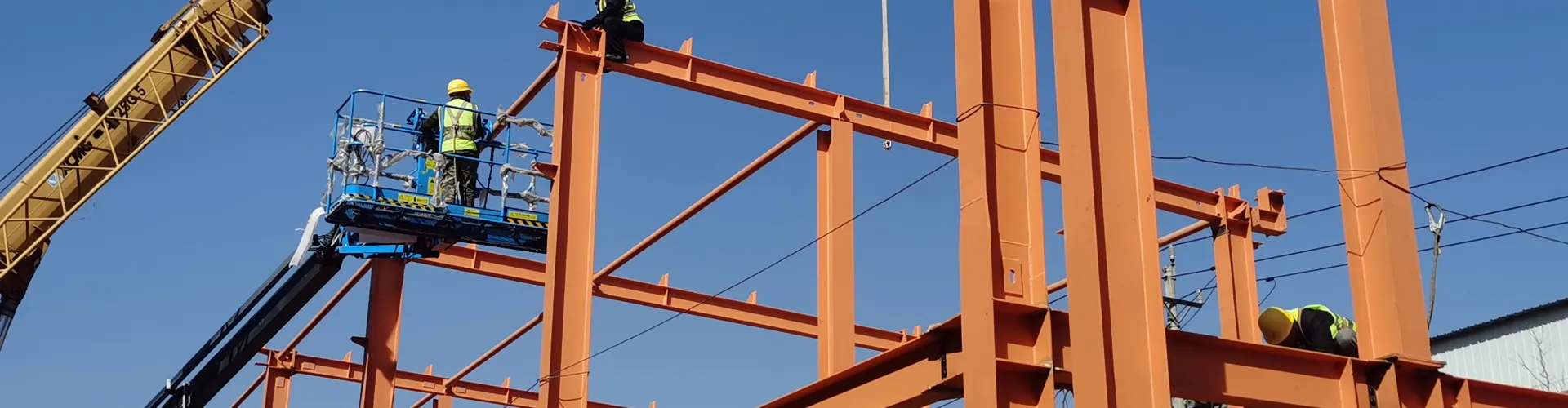
We push our suppliers to pre-assemble key parts—beam-column joints, crane girders, and special connections—before they reach the site. Factory-level checks mean fewer mistakes when assembling outside, where weather and other conditions can complicate things.
One memorable project saw us shave weeks off delivery time because almost everything arrived “plug and play.” Quality was higher and rework was lower.
| Construction Step | Traditional Approach | Modular Pre-Assembly | Benefit |
|---|---|---|---|
| Beam/column connections | Site assembly | Factory pre-assembled | Faster, safer assembly |
| Crane girder installation | On-site welding | Pre-checked joints | Cuts site mistakes |
| Connection node QC | After installation | Before shipment | Quality guaranteed |
Clients are often surprised how much smoother the process becomes with modular thinking.
Mistakes and delays happen when people don’t communicate. We always set up a dedicated project manager who speaks both the language of engineering and business.
Clear timelines, regular meetings, and honest feedback keep everyone in sync. For example, on a recent project, weekly calls between our client, engineers, and fabricators helped us catch small issues before they became big ones. This teamwork made us finish faster—with fewer errors.
Good project management saves money and keeps the job moving. We believe in building trust through openness, not just ticking boxes.
Designing heavy-duty steel structure factories is part science, part experience. We deliver flexible, robust factories when we plan carefully, communicate closely, and think ahead. The little details matter—and they save more than money; they build stronger businesses.
Steel Structure Workshop Solutions
Steel Warehouse Solutions
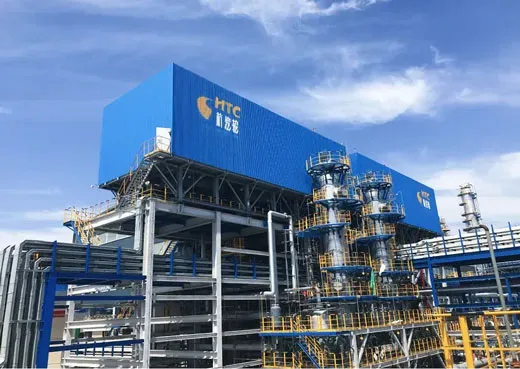
Heavy Steel Structures for Equipment
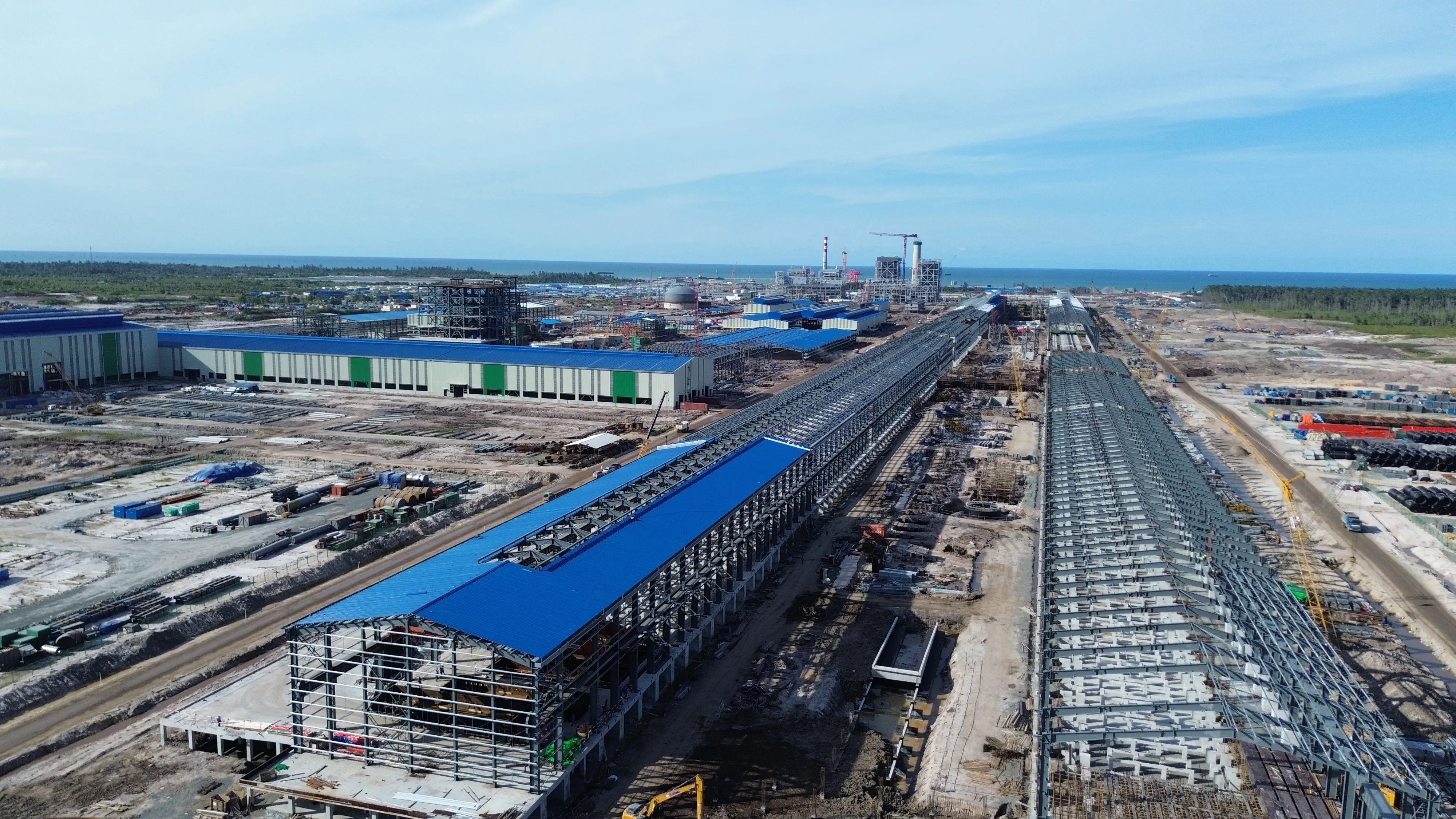
Indonesia North Kalimantan Aluminum Plant Project
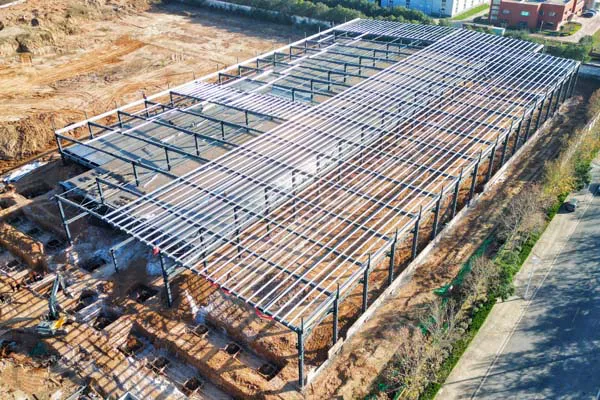
Luoyang Haode Auto Parts Steel Structure Factory Project
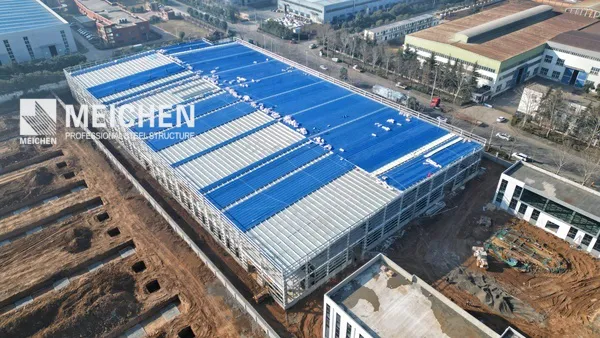
Automated Glass Production Line Steel Structure Factory Building Project
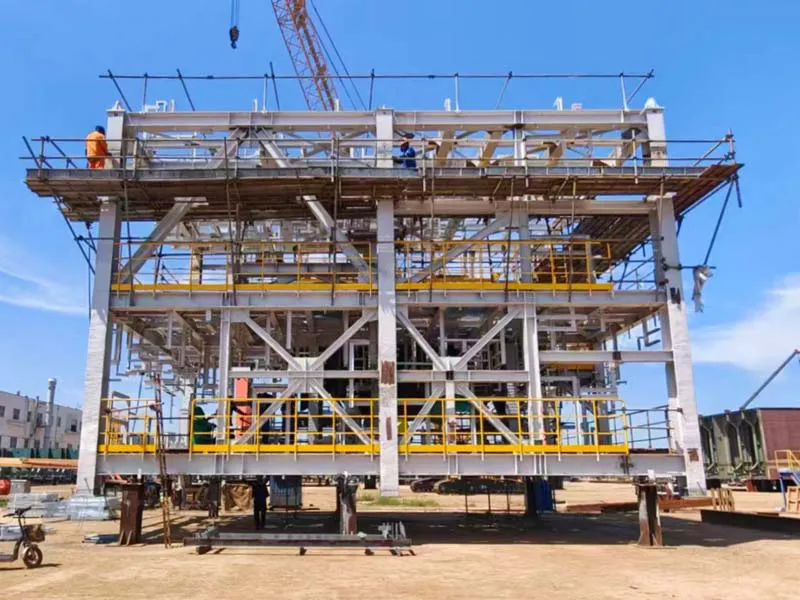
Oil & Gas Modular Steel Structure Fabrication Project
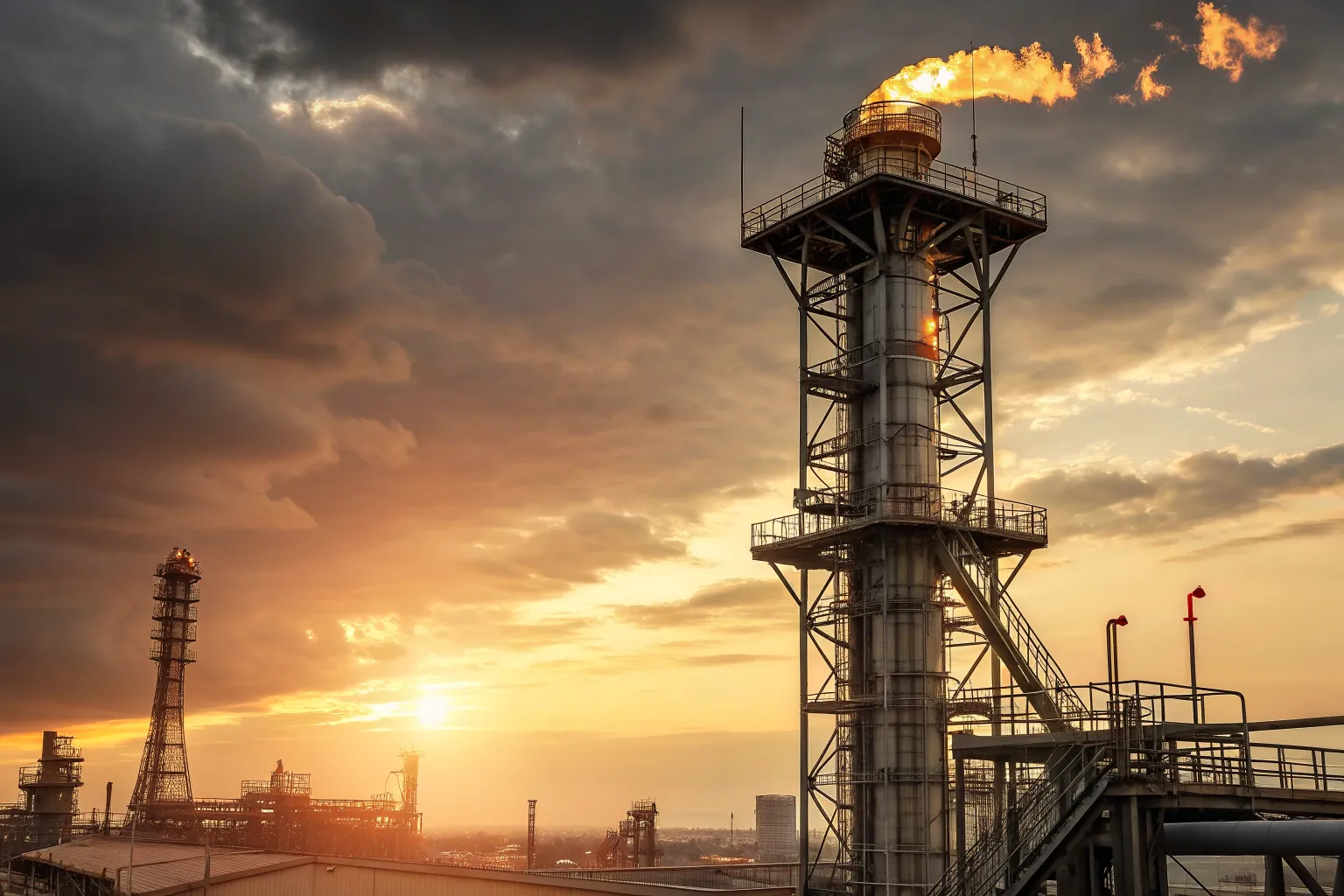
Flare Stack Structure