Time:2026-11-27 02:52:32 Source:Sanjian Meichen Steel Structure
I've been quoting data center steel structure projects for over eight years now, and I keep seeing the same procurement mistake repeated. Engineering managers treat data center structural steel like they're buying building frames for warehouses or office towers. They focus on tonnage, steel grade, and price per kilogram. Then three months into fabrication, they discover their low-bid supplier can't hold the tolerances their equipment vendors require, or they're watching their project schedule slip because the fabricator's production line is backed up with five other projects. By then, it's too late to switch suppliers without blowing the entire project timeline.
Data center steel structures aren't conventional building steel. They're precision industrial structures that need to carry concentrated server rack loads, support cable management systems, integrate with cooling equipment, and maintain tight dimensional tolerances—all while meeting aggressive project schedules. The procurement decision isn't about finding the cheapest steel fabricator; it's about identifying which suppliers have the manufacturing capability, quality systems, and industrial project experience to deliver on time without forcing redesigns or causing equipment installation delays.
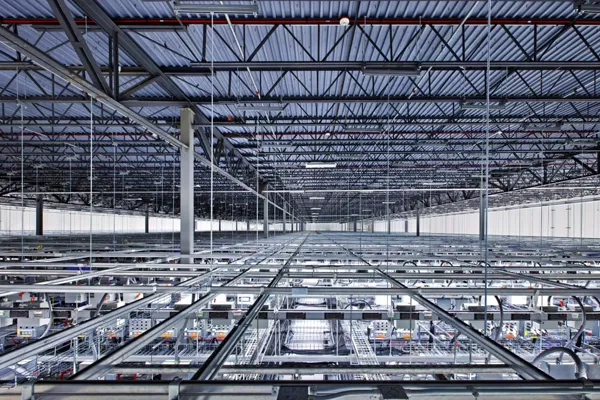
Here's what I want to walk you through today. I'm going to show you what actually matters when you're evaluating steel structure suppliers for data center projects—not the generic stuff that every fabricator claims they can do, but the specific capabilities and experience markers that separate suppliers who understand industrial precision from those who think data centers are just another steel building.
The procurement manager sends out the structural drawings, asks for quotes, and receives bids ranging from $850 per ton to $1,350 per ton. Naturally, they're looking at that $850 quote thinking they just saved the client 30% on the steel package. What they don't see yet is that the low bidder looked at the drawings, saw standard beam sections and column sizes, calculated material weight, and priced it like a commercial building structure.
Data center structures carry loads that conventional building steel fabricators rarely encounter: 2-3 kN/m² server floor loads[^1] concentrated on specific rack positions, cable tray support systems creating continuous line loads, HVAC platforms supporting equipment weighing 15-20 tons[^2] in tight ceiling spaces, and electrical switchgear platforms requiring vibration isolation details. These aren't building loads—they're process equipment loads that require industrial fabrication precision, not construction-grade tolerance.
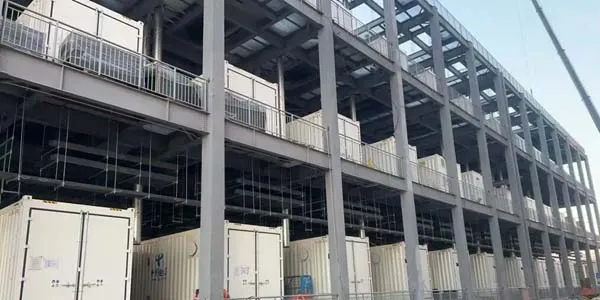
What makes this tricky is that data center structural steel looks deceptively simple on the drawings. You see standard H-beams, box columns, bracing members—nothing exotic. But the difference shows up in three places:
Standard building steel tolerances (AISC Code of Standard Practice) allow ±3mm for beam length, ±5mm for overall frame dimensions[^3]. That's fine when you're erecting a building frame and field-fitting cladding.
Data center equipment vendors specify ±2mm positional tolerance for rack support beams, ±1mm for critical equipment platform dimensions[^4]. I've had equipment suppliers reject entire platform assemblies because beam flange placement was off by 3mm—perfectly acceptable for building construction, completely unacceptable for modular equipment installation.
Building steel buyers typically verify material certificates and perform visual weld inspection. Data center projects require ultrasonic testing on primary load-bearing welds[^5], certified load testing for equipment platforms, and complete traceability documentation linking every component to material test reports.
Data center projects have tight, non-negotiable schedules driven by IT equipment delivery dates and revenue targets. A 2-month fabrication delay can cost the client millions in delayed service launch[^6].
Building steel fabricators typically run 6-8 simultaneous projects through their shop, allocating production capacity based on cash flow and material availability. Industrial fabricators maintain dedicated production lines, buffer capacity for schedule acceleration, and have material pre-positioning agreements with mills.
When you're evaluating quotes, you're not just comparing steel prices. You're comparing manufacturing risk profiles. That $500/ton price difference often reflects the difference between a supplier who's guessing they can figure it out and a supplier who's already calculated the testing costs, tolerance requirements, and schedule buffer needed to deliver without problems.
Most procurement evaluation checklists don't ask the right questions. They verify ISO 9001 certification[^7] (every fabricator has it), check if the supplier has welding qualifications (standard requirement), and confirm production capacity (measured in annual tonnage, which tells you nothing about capability for precision work). Then they award the contract and hope for the best.
Meaningful supplier evaluation for data center steel structures requires examining three manufacturing capability areas that directly predict delivery performance: precision fabrication equipment, quality control systems with actual traceability, and verifiable industrial project experience—not building construction experience.
Here's a simple test: ask your potential supplier how they maintain ±2mm beam length tolerance across a 12-meter member. If they talk about skilled workers and careful measurement, you're talking to a building steel fabricator. If they describe CNC cutting equipment with automatic length compensation and digital verification, you're talking to someone who understands precision work.
Data center steel fabrication requires:
Manual processes introduce human variability that creates quality uncertainty. When you're buying 3,000 tons of steel for a schedule-critical data center project, you need process consistency that only comes from manufacturing automation.
Every steel fabricator claims they have quality control. The question is whether their quality system is a document filing exercise or an actual manufacturing control system.
Here's what real quality traceability looks like:
Material tracking from mill to final assembly: Every plate, beam, and structural member gets marked with heat number and material certificate traceability code. When you receive fabricated components on site, you can trace each piece back to the original mill test report.
Welding procedure qualification and welder certification: This isn't just checking if welders have certification cards. It's verifying that welding procedures have been qualified for the specific materials, joint configurations, and quality requirements in your project.
Inspection and testing at defined hold points: Quality systems for industrial steel work include mandatory inspection stages before proceeding to next fabrication step.
Non-destructive testing capabilities: Building steel rarely requires ultrasonic testing, magnetic particle inspection, or radiographic examination. Data center projects frequently specify these tests for critical connections. If your supplier has to subcontract NDT work, that's a 2-3 week schedule delay every time testing is required.
A fabricator's experience building shopping centers, hotels, or parking structures tells you almost nothing about their capability for data center steel structures.
Data center structures share more in common with petrochemical plant structures, power plant equipment platforms, and industrial module frames than with commercial building steel. The procurement evaluation should look for comparable industrial project experience, not just steel tonnage delivered.
| Experience Type | Relevant for Data Centers | Why It Matters |
|---|---|---|
| Petrochemical plant structures | High relevance | Equipment support loads, precision requirements, quality system maturity |
| Industrial equipment platforms | High relevance | Concentrated loads, vibration considerations, dimensional accuracy |
| Modular process structures | High relevance | Schedule demands, coordination with equipment, tight tolerances |
| Commercial building frames | Low relevance | Different load types, construction-grade tolerances, different quality expectations |
| Standard warehouse structures | Low relevance | Routine fabrication, minimal precision requirements, basic quality systems |
When you're reviewing supplier proposals, ask for specific industrial project examples with these details: project type and structure application, steel tonnage and project value, technical requirements that match data center demands (precision tolerances, load testing, NDT inspection), quality certifications required by the project owner, and schedule performance.
When you receive three quotes for data center steel structures: one at $850/ton, one at $1,050/ton, and one at $1,280/ton, the natural instinct is to focus on that price difference. You're thinking: "If I pick the low bid, I save $400,000 on a 3,000-ton steel package." The question is whether you're saving it or just pushing it into project delays, quality issues, and change orders six months from now.
Quote evaluation for data center steel structures should focus on risk indicators embedded in the pricing and technical responses, not just the bottom-line price. Manufacturing capability differences, quality system maturity, and schedule confidence are the actual procurement decision variables—price is an outcome of those factors.
When you see significant price differences between quotes, don't just assume someone is being greedy or someone is offering a great deal. Price variance reflects differences in:
How the supplier interpreted the technical requirements. The low bidder might be pricing it as conventional building steel with standard tolerances and basic quality control. The mid-range bidder might have included precision fabrication costs and standard NDT testing. The high bidder might be pricing full industrial execution with comprehensive testing and schedule buffer.
Manufacturing cost structure differences. Industrial fabricators with precision equipment, in-house testing capability, and established quality systems have higher base costs but lower risk of delays and rework. Building-focused fabricators have lower overhead but need to outsource specialized testing and precision work—creating hidden schedule delays.
Risk margin and execution confidence. Experienced industrial fabricators price in contingency for tolerance verification, testing mobilization, and schedule acceleration capability. Less experienced fabricators price optimistically, assuming everything will go smoothly.
The right procurement question isn't "Why is Supplier A more expensive?" It's "What am I actually getting for that price difference, and what am I risking by going with the low bid?"
Suppliers who understand data center steel structures ask questions during the quote phase. Suppliers who don't understand the requirements accept the drawings at face value and submit the cheapest price they can calculate.
Look for these quality indicators in technical responses:
You ask suppliers "Can you deliver in 12 weeks?" and they all say "Yes." Then you award the contract, and four weeks later you discover your supplier is running three other projects simultaneously and your steel is sitting in queue waiting for cutting line availability.
Schedule confidence isn't a commitment statement—it's a manufacturing capacity reality that you can verify before contract award.
Production line availability: Ask the supplier what their current production line utilization is and how many simultaneous projects they're running. If they're at 90% capacity with six active projects, your schedule is at risk.
Equipment capacity for critical operations: Identify your project's bottleneck operations (usually precision cutting, welding of complex connections, and inspection/testing) and verify the supplier has sufficient equipment capacity.
Material lead time and buffer inventory: Data center steel often uses standard sections, but material procurement still takes 4-6 weeks[^10]. Industrial fabricators maintain buffer inventory of common sections; building fabricators order material after contract award and hope for the best.
One simple verification question: "Show me your current production schedule for the next 16 weeks and explain where my project would fit into your fabrication sequence." Suppliers with mature project management will provide a detailed production plan. Suppliers winging it will give vague answers about "allocating resources."
Procurement managers love certifications because they're easy to verify. The problem is that generic certifications don't tell you much about actual capability for data center steel work.
RFQs require ISO 9001 certification, standard welding qualifications, and maybe AISC certification if the buyer is sophisticated. Every fabricator on the quote list has these certificates. Then during production, the client discovers their supplier has never actually executed to EXC3 requirements, never performed UT inspection at the required volume, and never maintained the material traceability their quality system claims to provide.
Meaningful certification requirements for data center steel structures should focus on execution class standards (EN 1090 EXC3, AISC Advanced certification) that define fabrication tolerances and quality control requirements—not just generic quality management system certificates that say nothing about manufacturing capability.
EN 1090 is the European standard for structural steel fabrication[^11], but its real value is the execution class system that defines quality requirements based on structure criticality. Most data center steel structures require EXC3 execution class because of load criticality and precision requirements.
Here's what EXC3 actually means in fabrication terms:
The difference between a supplier who's EN 1090 certified at EXC2 (standard building structures) and EXC3 (industrial structures) is significant. When you're evaluating suppliers, don't just verify they have EN 1090 certification—check what execution class they're certified for and whether they have recent project experience executing to EXC3 requirements.
If you're sourcing in markets that follow US standards, AISC (American Institute of Steel Construction) certification provides similar execution class verification. AISC offers three certification programs:
For data center steel structures, you want suppliers with ACBD or CBR certification—not standard CBD certification. The Advanced certification verifies the fabricator has demonstrated capability for fabrication tolerance control, complex welding procedures, NDT inspection programs, material traceability systems, and fracture-critical member fabrication.
Beyond general fabrication certifications, some data center projects require specific quality system compliance based on the project owner or EPC contractor's standards.
One practical verification approach: ask potential suppliers to provide examples of project-specific quality plans they've executed, including inspection and testing matrices, material traceability procedures, and documentation deliverables. Suppliers with industrial project experience will have detailed examples.
Data center structures carry concentrated equipment loads (server racks, HVAC platforms, electrical gear) rather than distributed building loads. This requires precision fabrication to ±2mm tolerances for equipment mounting, comprehensive load testing, and industrial-grade quality systems—not construction-grade tolerances. The procurement decision should focus on suppliers with industrial fabrication experience, not just building construction background.
Request specific evidence: production facility photos showing CNC cutting equipment and robotic welding cells, documented industrial project examples with comparable precision and testing requirements, inspection and testing procedures with specific hold points, and current production schedules showing capacity availability. Generic capability statements and certifications alone don't verify manufacturing capability for data center structures.
Price variance reflects differences in how suppliers interpret technical requirements, their manufacturing cost structure (automated precision equipment versus manual processes), quality system maturity (in-house testing versus outsourced), and risk margin for schedule confidence. Low quotes often indicate suppliers underestimating precision requirements or lacking industrial fabrication experience—not aggressive pricing from efficient operations.
Require EN 1090 EXC3 certification or AISC Advanced Certified Building status—not just basic ISO 9001 or standard building certifications. These verify execution class standards for tolerance control, NDT inspection capability, material traceability, and quality hold points that data center structures require. Generic certifications don't predict capability for precision industrial steel work.
Typical fabrication for 2,500-3,500 ton data center steel packages ranges 12-16 weeks[^12] from material procurement to final delivery, assuming the fabricator has adequate production capacity and doesn't encounter quality delays. Suppliers quoting 8-10 week delivery either have exceptional capacity availability (verify this directly) or haven't accounted for testing requirements and inspection hold points that extend production time.
Data center steel structure procurement isn't about finding the cheapest steel fabricator—it's about identifying suppliers whose manufacturing capability, quality systems, and industrial project experience match the precision requirements and schedule demands your project actually needs. The price difference between quotes often reflects the difference between suppliers who understand industrial fabrication and those who think data centers are just another building.
Focus your evaluation on verifiable manufacturing capabilities: precision fabrication equipment that holds tight tolerances, in-house quality control systems with actual material traceability and NDT testing capacity, and documented industrial project experience with comparable loads and execution requirements. These capability factors determine schedule confidence and delivery performance—not generic certifications and lowest-price bids.
If you're currently evaluating steel structure suppliers for a data center project and want to understand how our industrial fabrication experience and production capabilities apply to your specific requirements, contact us at info@meichensteel.com or call +86 13383791128. We'll walk through your technical specifications, explain our fabrication approach, and provide the detailed capability information you need to make a confident procurement decision.
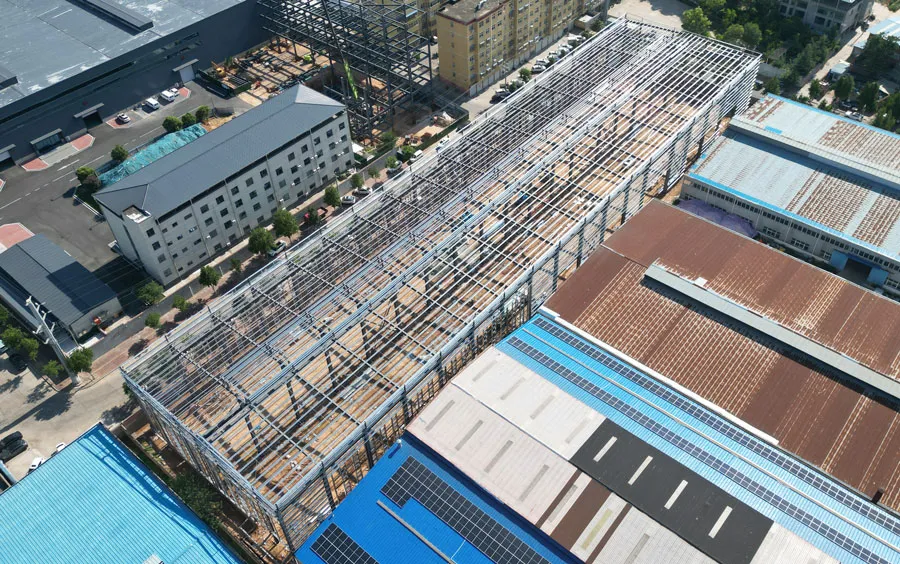
Steel Structure Workshop Solutions
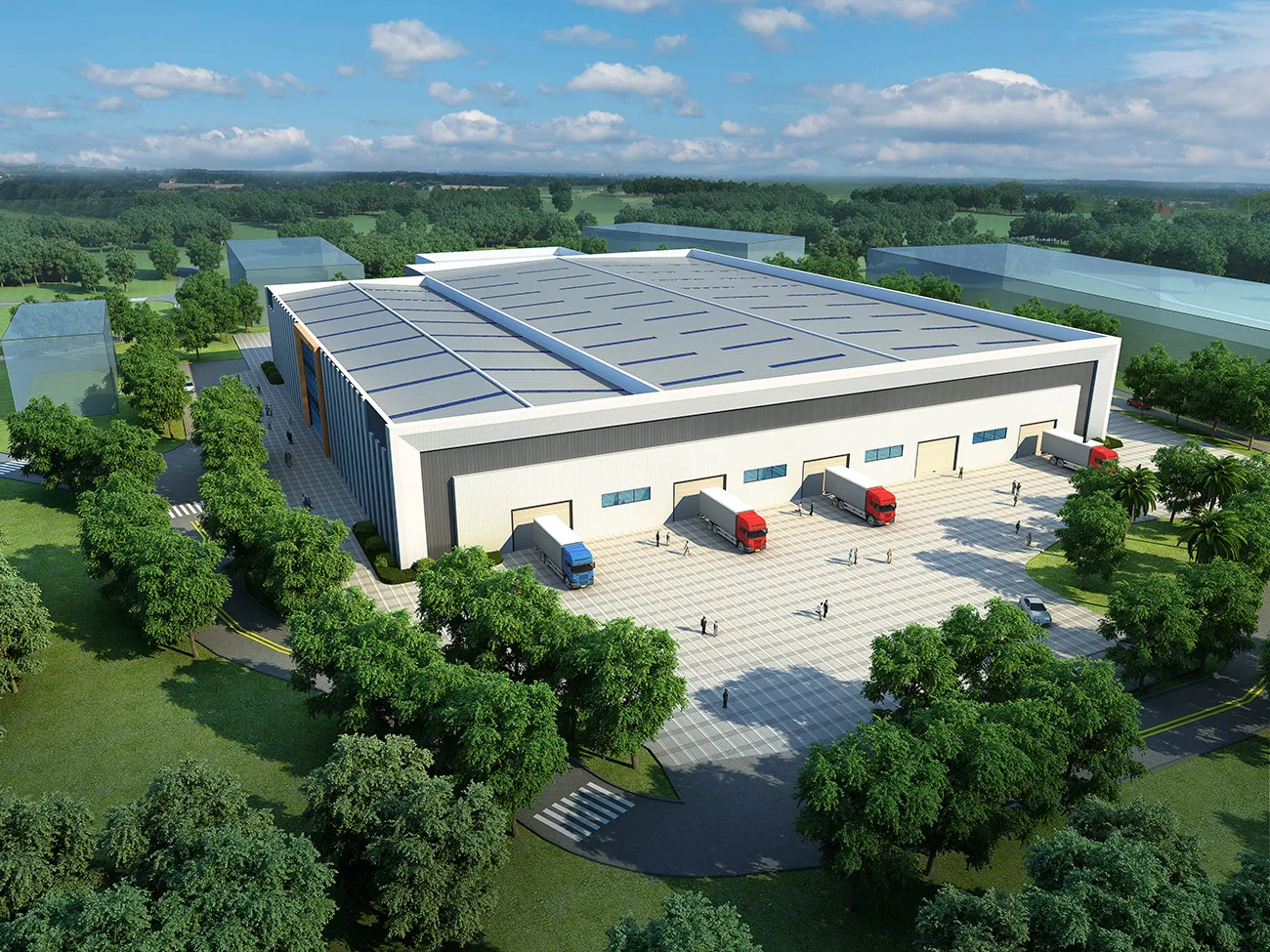
Steel Warehouse Solutions
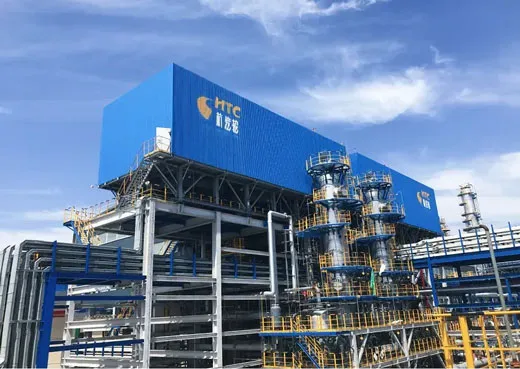
Heavy Steel Structures for Equipment
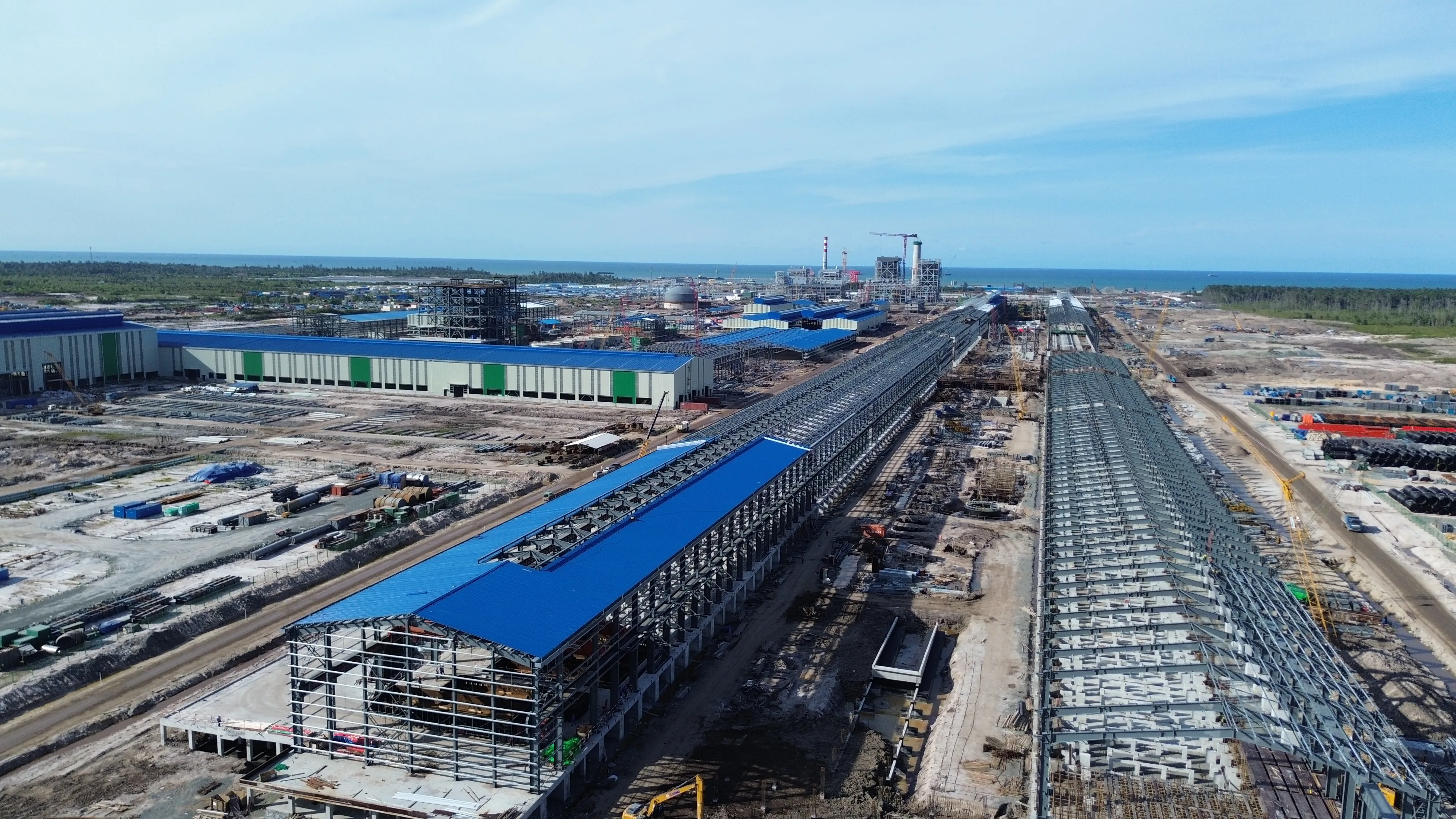
Indonesia North Kalimantan Aluminum Plant Project
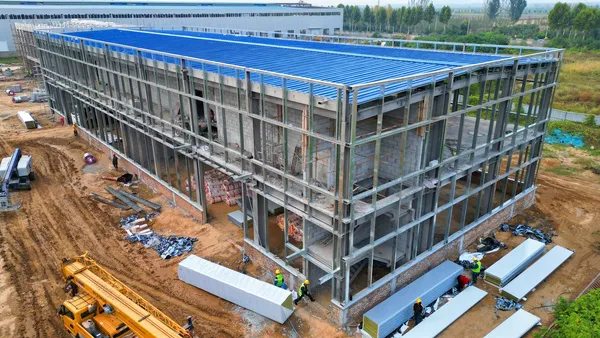
Steel Structure Factory and Warehouse Project for a Material Processing Production Base
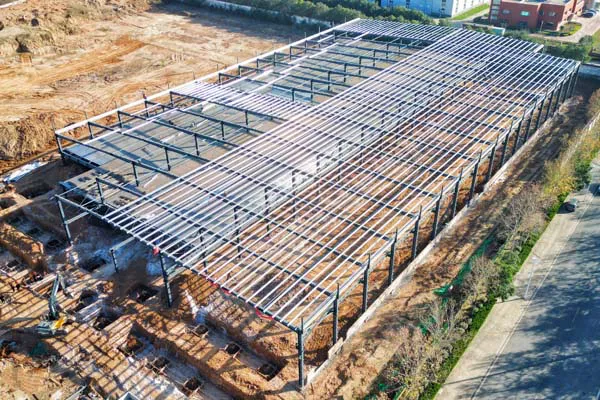
Luoyang Haode Auto Parts Steel Structure Factory Project
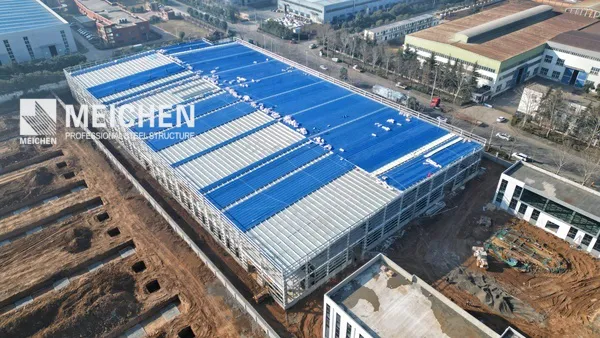
Automated Glass Production Line Steel Structure Factory Building Project
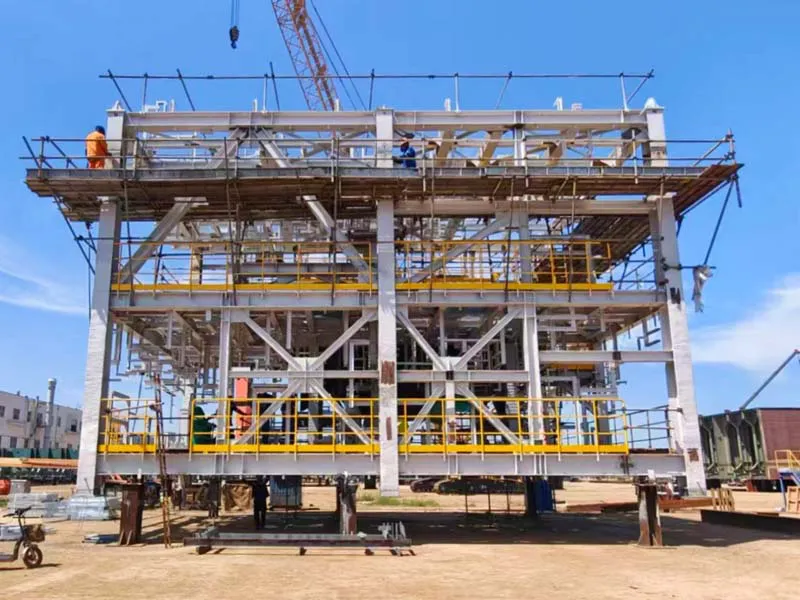
Oil & Gas Modular Steel Structure Fabrication Project