Time:2026-05-12 01:55:09 Source:Sanjian Meichen Steel Structure
Steel warehouses have become the preferred choice for industrial storage, logistics hubs, and manufacturing facilities because of their durability, scalability, and fast construction timelines. However, many project owners quickly realize that costs can escalate if planning and execution are not handled strategically. A well-managed steel warehouse project does not simply rely on choosing cheaper materials; it requires a comprehensive approach that balances design efficiency, procurement strategy, and construction management.
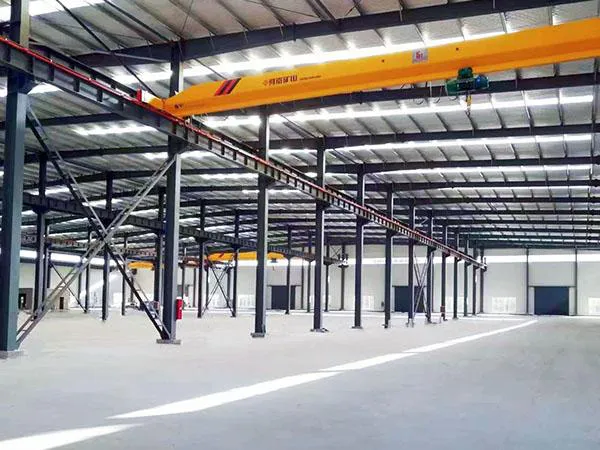
This guide explains practical and proven methods to reduce the construction budget for steel warehouses while maintaining structural integrity, safety, and long-term value.
Every cost-saving decision begins at the design stage. A poorly optimized design often leads to unnecessary material usage and complex fabrication processes.
A rational structural layout can significantly lower steel consumption. Designers should aim to standardize spans, column spacing, and bay sizes to reduce customization in fabrication. When engineers adopt modular thinking, they simplify both manufacturing and installation.
You should also avoid overdesign. Many projects include excessive safety margins that increase steel weight without delivering real value. A professional structural engineer should calculate loads precisely based on actual usage conditions, including wind, snow, and seismic requirements.
In addition, selecting the right roof slope and building height can influence material usage and energy costs. A slightly lower roof height may reduce both steel consumption and long-term heating or cooling expenses.
Material selection directly affects the overall budget. High-strength steel may appear more expensive per ton, but it often reduces the total quantity required.
For example, using higher-grade steel in critical load-bearing components allows thinner sections without compromising safety. This approach reduces both raw material costs and transportation expenses.
At the same time, it is important to match materials to actual project requirements. Not every part of the warehouse needs premium-grade steel. Secondary structures, such as purlins and bracing systems, can often use more economical materials.
A balanced material strategy ensures that you spend where necessary and save where possible.
Procurement plays a crucial role in controlling construction costs. Steel prices fluctuate due to market conditions, so timing your purchase can lead to significant savings.
Bulk purchasing is another effective strategy. When contractors consolidate material orders, they often receive better pricing from suppliers. Long-term partnerships with reliable manufacturers can also result in consistent quality and favorable terms.
It is equally important to evaluate suppliers beyond price alone. A cheaper supplier with inconsistent quality may lead to rework, delays, and higher overall costs. Reliable suppliers help ensure smooth project execution and reduce hidden expenses.
Fabrication efficiency has a direct impact on the total budget. Simplified designs reduce cutting, welding, and assembly complexity in the factory.
Prefabrication is one of the most effective ways to control costs. When components are manufactured in a controlled environment, the process becomes faster, more accurate, and less wasteful. Prefabricated elements also reduce labor requirements on-site.
Transportation planning should not be overlooked. Oversized components increase shipping costs and may require special handling. By designing components that fit standard transport dimensions, you can avoid additional logistics expenses.
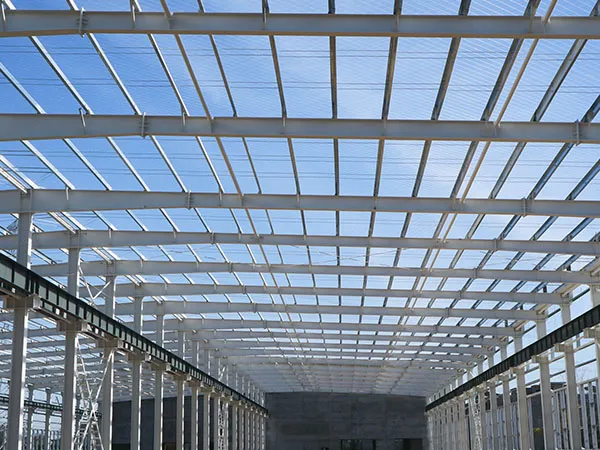
On-site construction is often where budgets spiral out of control. Efficient project management can prevent unnecessary delays and cost overruns.
A well-organized construction schedule ensures that materials, labor, and equipment are used effectively. When teams coordinate properly, they minimize idle time and avoid conflicts between different stages of construction.
Labor costs can also be optimized through skilled workforce planning. Experienced installation teams complete tasks faster and with fewer errors, reducing rework and material waste.
In addition, investing in proper equipment, such as cranes and lifting tools, improves installation efficiency and enhances safety.
The foundation represents a significant portion of the total construction cost. Many projects overspend on foundations due to conservative assumptions or lack of proper soil analysis.
A detailed geotechnical survey helps engineers design a foundation that matches actual ground conditions. When soil capacity is accurately understood, unnecessary excavation and concrete usage can be avoided.
In some cases, switching to a lighter steel structure can reduce foundation loads, which leads to further cost savings. This demonstrates how structural and foundation design must work together to achieve optimal results.
Reducing construction costs does not mean ignoring operational expenses. A warehouse that is cheap to build but expensive to operate is not truly cost-effective.
Insulation systems, natural lighting design, and ventilation strategies can reduce energy consumption over time. For example, installing skylights or translucent panels decreases reliance on artificial lighting during the day.
Although these features may slightly increase initial costs, they deliver long-term savings and improve the building’s overall value.
Frequent changes during construction are one of the biggest sources of budget overruns. Each modification can lead to material waste, delays, and additional labor costs.
A detailed project plan and clear communication between stakeholders help prevent unnecessary revisions. Before construction begins, all design details should be finalized and approved.
Digital tools such as 3D modeling can also help identify potential issues early, reducing the risk of costly adjustments during construction.
Choosing the right project partners is essential for cost control. Experienced contractors understand how to balance cost, quality, and timeline.
They can identify potential risks early and propose practical solutions that save money without compromising safety. Their expertise also ensures compliance with local regulations, avoiding penalties or redesign costs.
A reliable team brings not only technical skills but also valuable insights that improve overall project efficiency.
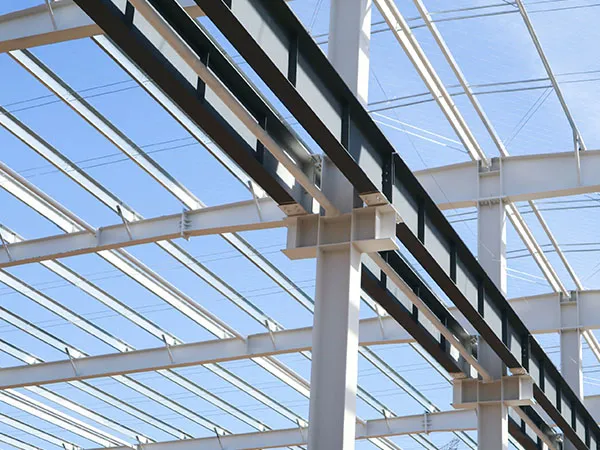
Many warehouse projects fail to consider future growth. When expansion becomes necessary, the lack of initial planning leads to expensive modifications.
Designing a structure that allows for easy extension can save significant costs in the long run. For example, leaving provisions for additional bays or increasing load capacity in key areas can simplify future upgrades.
A forward-thinking approach ensures that your investment remains flexible and cost-effective over time.
Reducing the construction budget for steel warehouses requires a holistic strategy rather than isolated cost-cutting measures. From intelligent design and material selection to efficient construction management and long-term planning, every stage of the project offers opportunities for optimization.
Project owners who focus on value rather than just price can achieve a balance between affordability and performance. By working with experienced professionals and adopting a data-driven approach, you can build a steel warehouse that meets operational needs while staying within budget.
In a competitive industrial landscape, controlling construction costs is not just a financial decision—it is a strategic advantage that supports sustainable growth and long-term success.
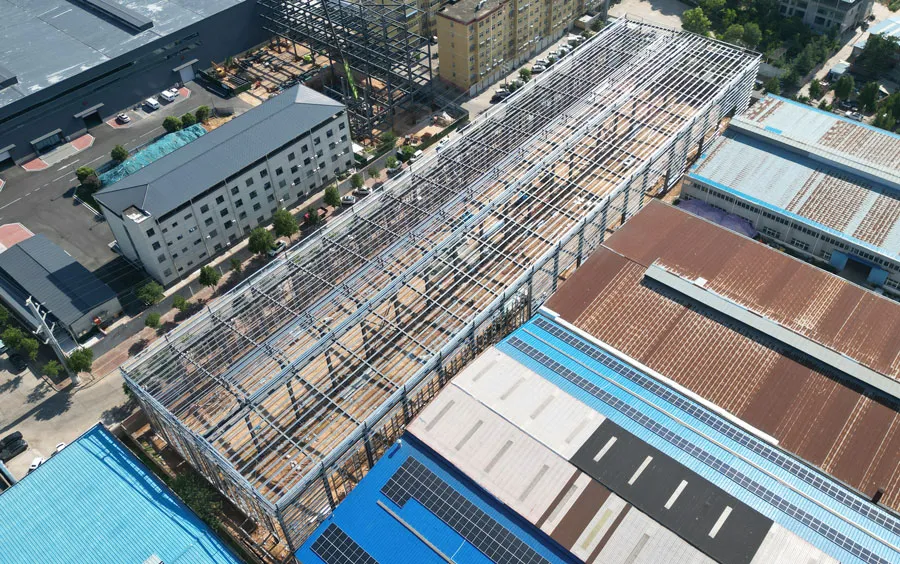
Steel Structure Workshop Solutions
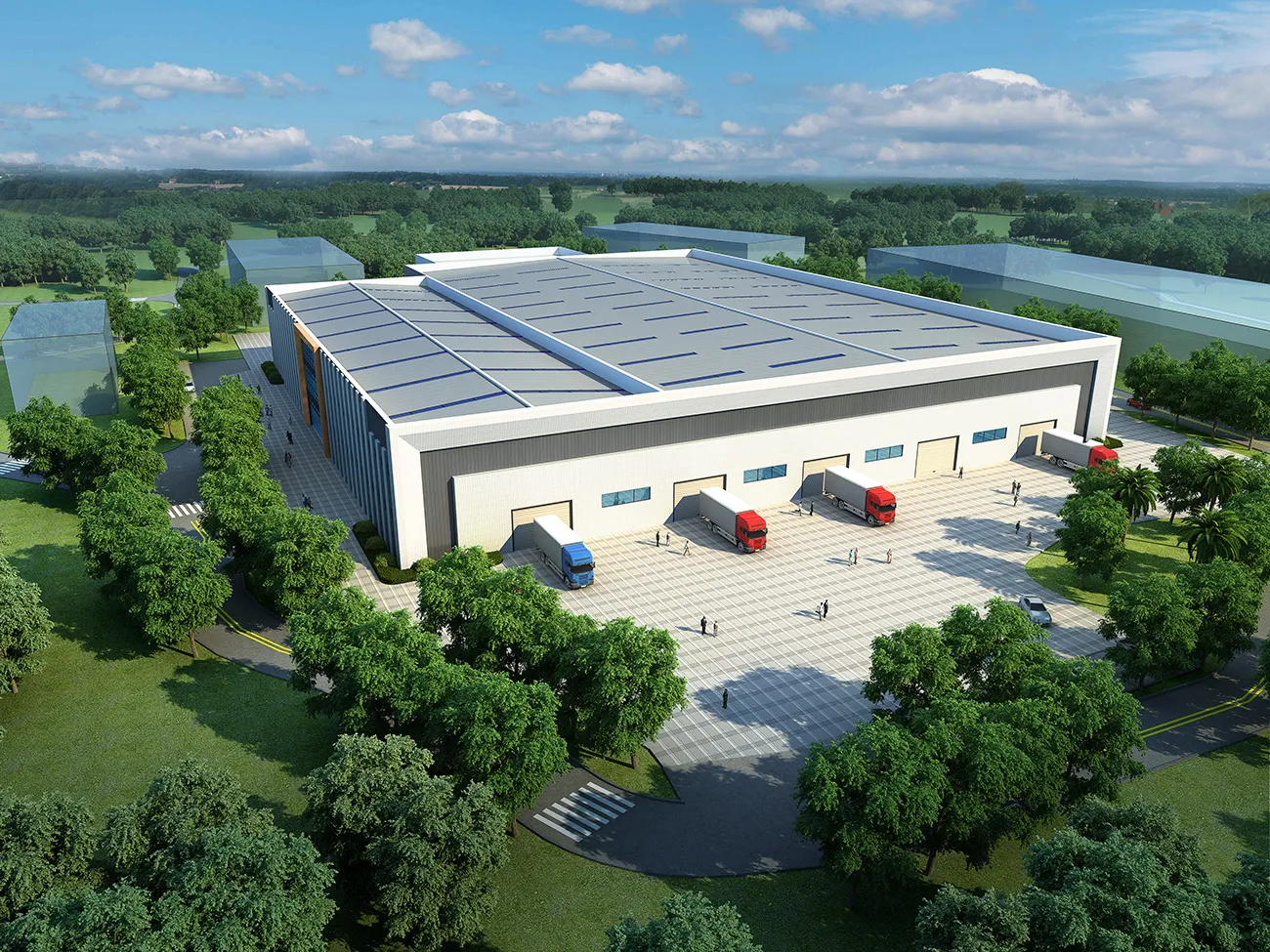
Steel Warehouse Solutions
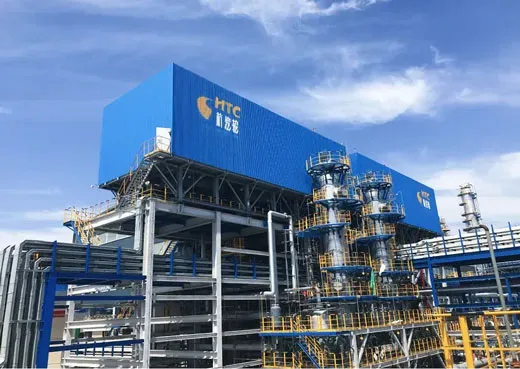
Heavy Steel Structures for Equipment
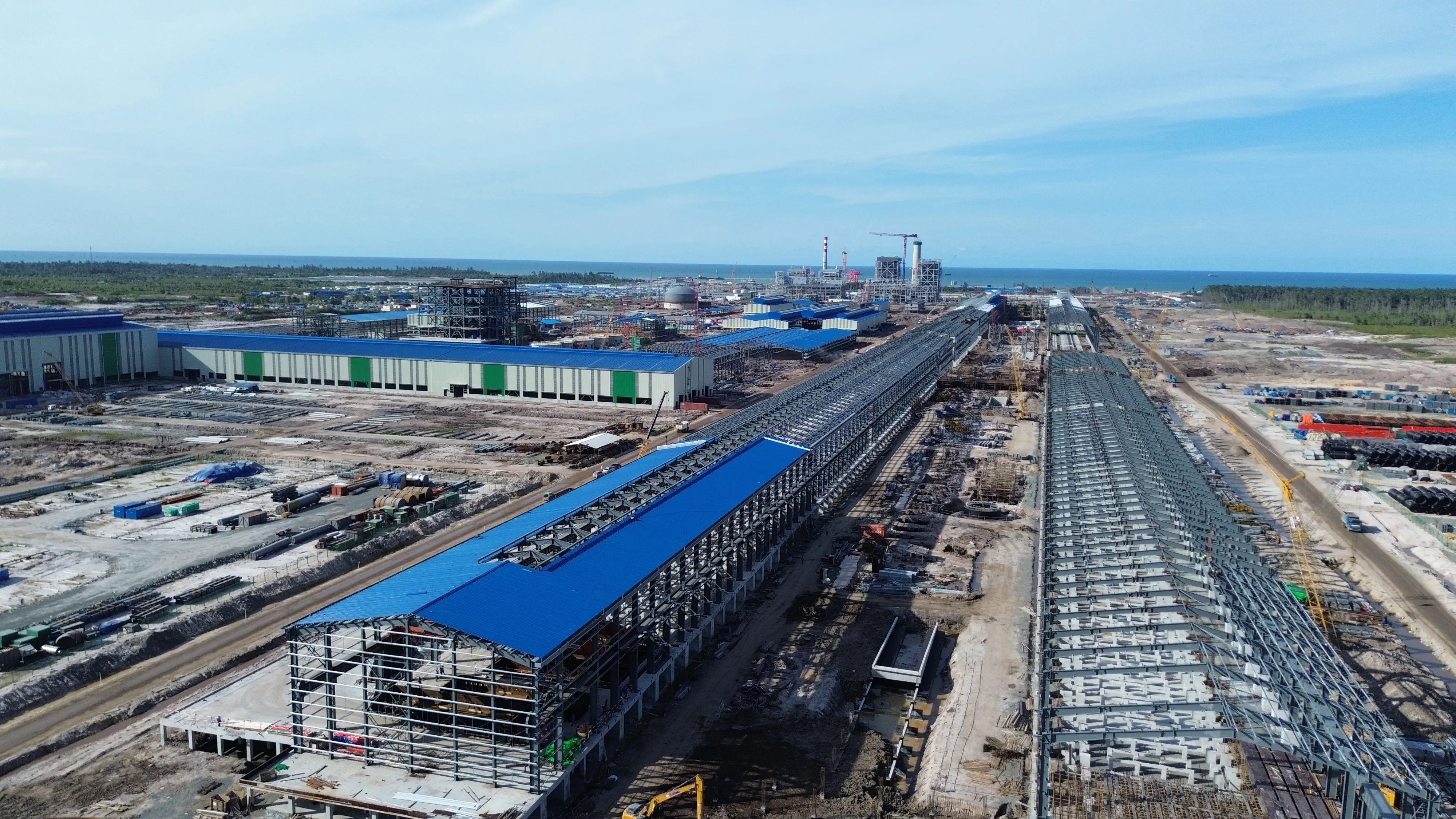
Indonesia North Kalimantan Aluminum Plant Project
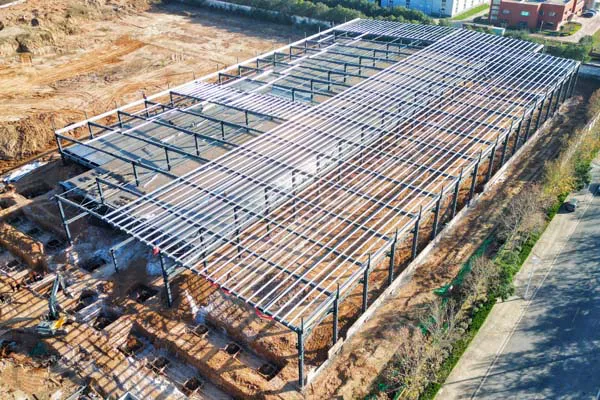
Luoyang Haode Auto Parts Steel Structure Factory Project
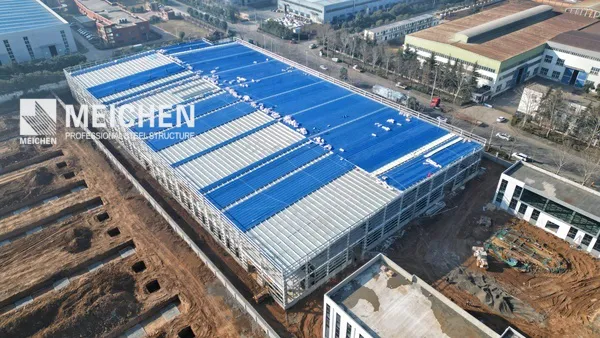
Automated Glass Production Line Steel Structure Factory Building Project
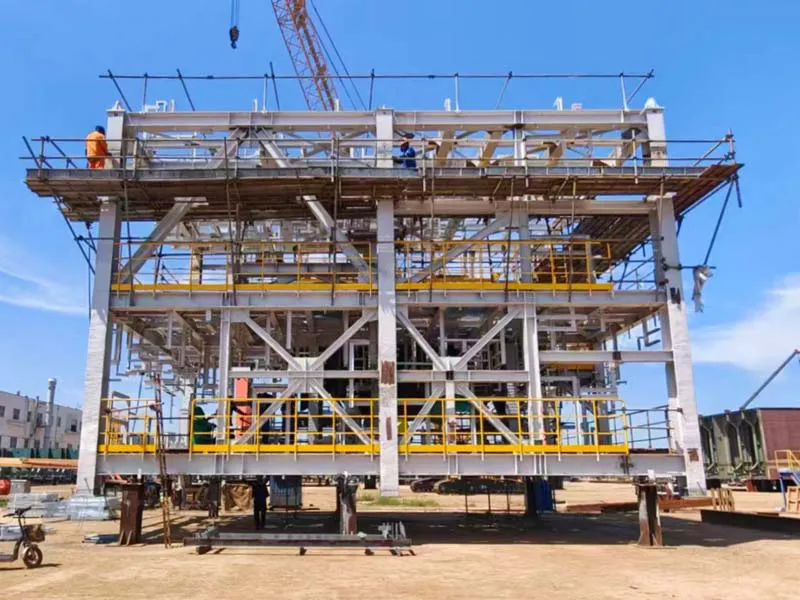
Oil & Gas Modular Steel Structure Fabrication Project

Flare Stack Structure