Time:2026-05-15 01:15:51 Source:Sanjian Meichen Steel Structure
Heavy-duty steel structure buildings have become the backbone of modern industrial construction. Manufacturers, logistics operators, and infrastructure developers rely on these buildings for their strength, durability, and flexibility. However, many buyers quickly discover that pricing varies widely from one project to another. A warehouse with a similar footprint may cost significantly more than another, even when both appear comparable on the surface.
This article explains the real factors that influence the price of heavy-duty steel structure buildings. It aims to help decision-makers understand cost drivers, avoid hidden expenses, and make smarter investment choices while meeting performance and safety requirements.
Steel accounts for the largest portion of the total building cost. The grade, thickness, and type of steel directly influence pricing. High-strength structural steel typically costs more than standard carbon steel, but it can reduce overall material consumption by improving load-bearing capacity.
In addition, global steel prices are highly sensitive to raw material supply, energy costs, and geopolitical factors. When iron ore prices or energy tariffs increase, the cost of fabricated steel components rises accordingly. Buyers who monitor market cycles or lock in contracts at the right time can significantly reduce procurement costs.
Design complexity plays a crucial role in determining the final price. A simple rectangular warehouse with standard spans will always be more economical than a structure with multiple levels, irregular geometry, or specialized load requirements.
For example, buildings that must support heavy cranes, large machinery, or dynamic loads require reinforced beams and columns. These enhancements increase both material usage and fabrication complexity. Similarly, customized architectural elements, such as curved roofs or large cantilever sections, demand advanced engineering and precision manufacturing, which adds to the cost.
A well-optimized design does not simply reduce steel usage; it balances structural safety, fabrication efficiency, and installation convenience.
The cost of fabrication depends on how the steel components are processed before delivery. Standard cutting, welding, and drilling are relatively cost-efficient. However, projects that require CNC precision cutting, robotic welding, or complex assembly processes will incur higher manufacturing expenses.
Surface treatment is another critical factor. Heavy-duty steel structures often require anti-corrosion coatings, galvanization, or fireproofing treatments. Hot-dip galvanizing, for instance, significantly extends the lifespan of the structure in harsh environments, but it also increases upfront costs.
Fabrication quality also affects long-term value. Poor workmanship may reduce initial expenses but often leads to higher maintenance and repair costs over time.
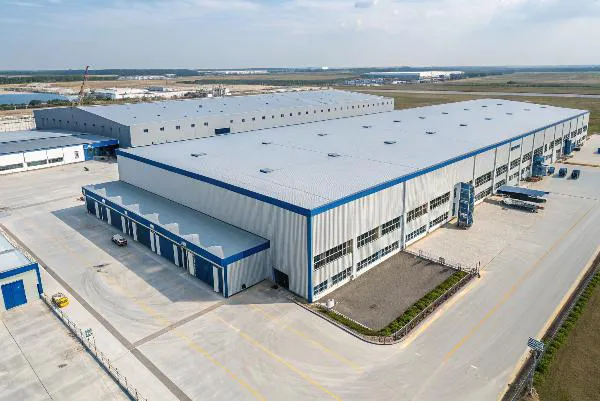
Steel structures are typically prefabricated in factories and then transported to the construction site. Transportation costs depend on distance, component size, and logistical complexity.
Large-span beams or oversized columns may require special transport arrangements, including escort vehicles or route planning. Projects located in remote areas or regions with limited infrastructure often face higher delivery costs. In international projects, shipping fees, customs duties, and port handling charges must also be considered.
Efficient modular design can reduce transportation costs by optimizing component sizes for standard shipping containers.
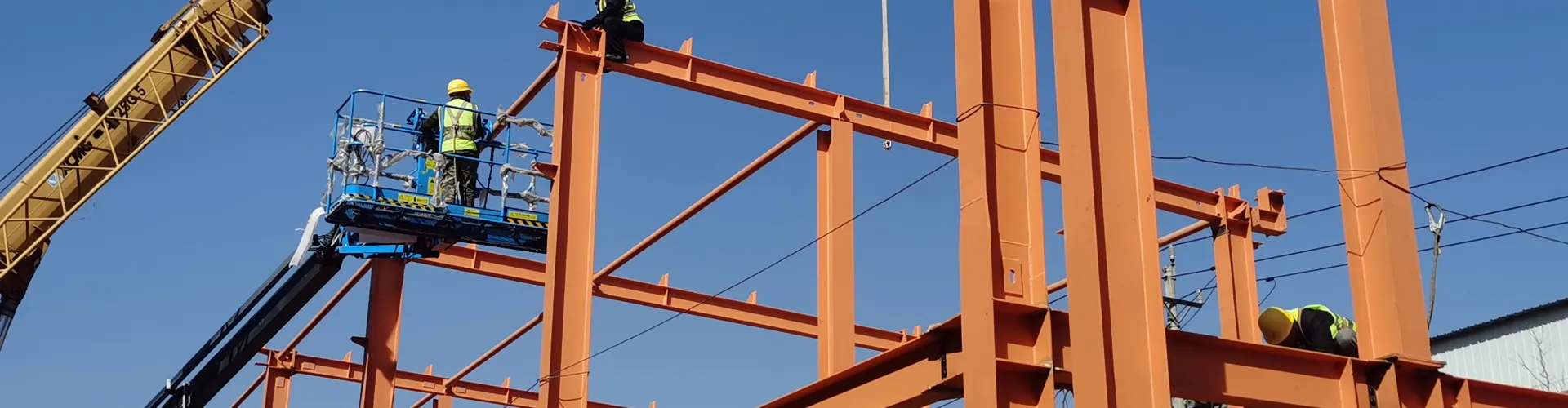
Installation is another major cost component. The complexity of assembly, availability of skilled labor, and local labor rates all influence the final price.
Projects that require heavy lifting equipment, such as large cranes, will naturally incur higher installation costs. In addition, sites with challenging conditions—such as uneven terrain, extreme weather, or limited access—often require additional preparation work.
Choosing a supplier that provides detailed installation guidance or on-site technical support can improve efficiency and reduce unexpected expenses during construction.
Many buyers underestimate the impact of foundation costs on the total project budget. The type of soil, load requirements, and environmental conditions determine the foundation design.
Soft soil or high groundwater levels may require deep foundations, piling, or soil stabilization, which can significantly increase costs. In contrast, stable ground conditions allow for simpler and more economical foundation solutions.
A thorough geotechnical survey before design begins helps prevent costly changes later in the project.
Heavy-duty steel structure buildings must comply with local and international standards. These may include structural safety codes, fire resistance requirements, and environmental regulations.
Meeting higher standards often requires better materials, stricter quality control, and additional testing. For export-oriented projects, compliance with certifications such as ISO or regional construction codes can add to the overall cost.
However, these requirements are not optional. They ensure long-term safety, reliability, and legal compliance, which ultimately protects the investment.
The total cost of a steel structure building goes beyond the primary frame. Additional systems can significantly impact the budget, including:
Roofing and wall cladding materials
Insulation for temperature control
Ventilation and lighting systems
Fire protection systems
Doors, windows, and access solutions
For example, a building designed for cold storage or high-temperature industrial processes will require specialized insulation and environmental control systems, which increase costs but are essential for operational performance.
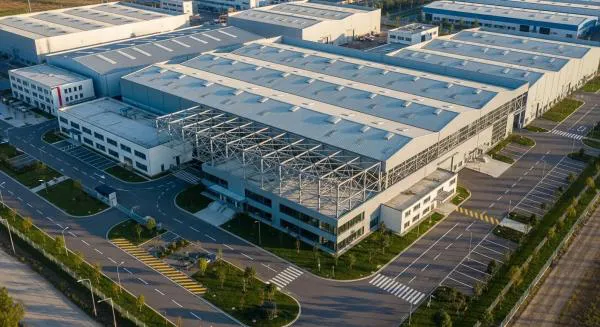
Time is often a hidden cost factor. Projects with tight deadlines may require expedited manufacturing, priority shipping, or additional labor shifts. These measures increase costs but may be necessary to meet business objectives.
On the other hand, projects with flexible timelines can benefit from more efficient production scheduling and cost optimization.
The choice of supplier has a direct impact on both price and overall project success. Experienced manufacturers may not always offer the lowest initial quote, but they provide value through optimized design, reliable quality, and efficient project management.
A reputable supplier typically offers:
Professional engineering support
Transparent quotations
Strict quality control
After-sales service and technical assistance
These factors reduce risks and help avoid costly delays or rework during the project lifecycle.
The price of heavy-duty steel structure buildings is influenced by a combination of material costs, design decisions, fabrication processes, logistics, and project-specific requirements. Focusing solely on the lowest price can lead to compromises in quality, safety, and long-term performance.
A more effective approach is to evaluate the total value of the project. Buyers who understand the key cost drivers can make informed decisions, optimize their budgets, and achieve better returns on investment.
If you are planning a steel structure project, it is advisable to work closely with an experienced supplier from the early design stage. A collaborative approach ensures that your building is not only cost-effective but also durable, compliant, and tailored to your operational needs.
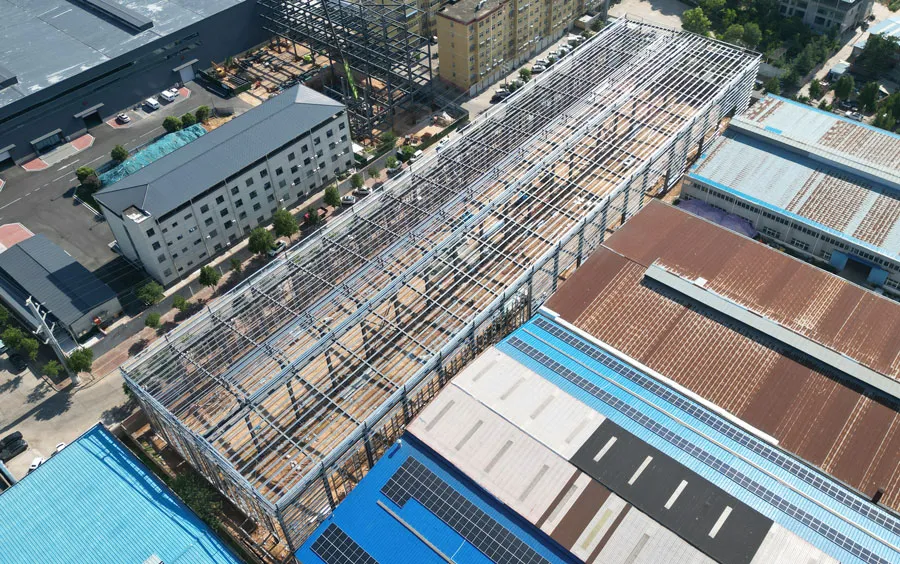
Steel Structure Workshop Solutions
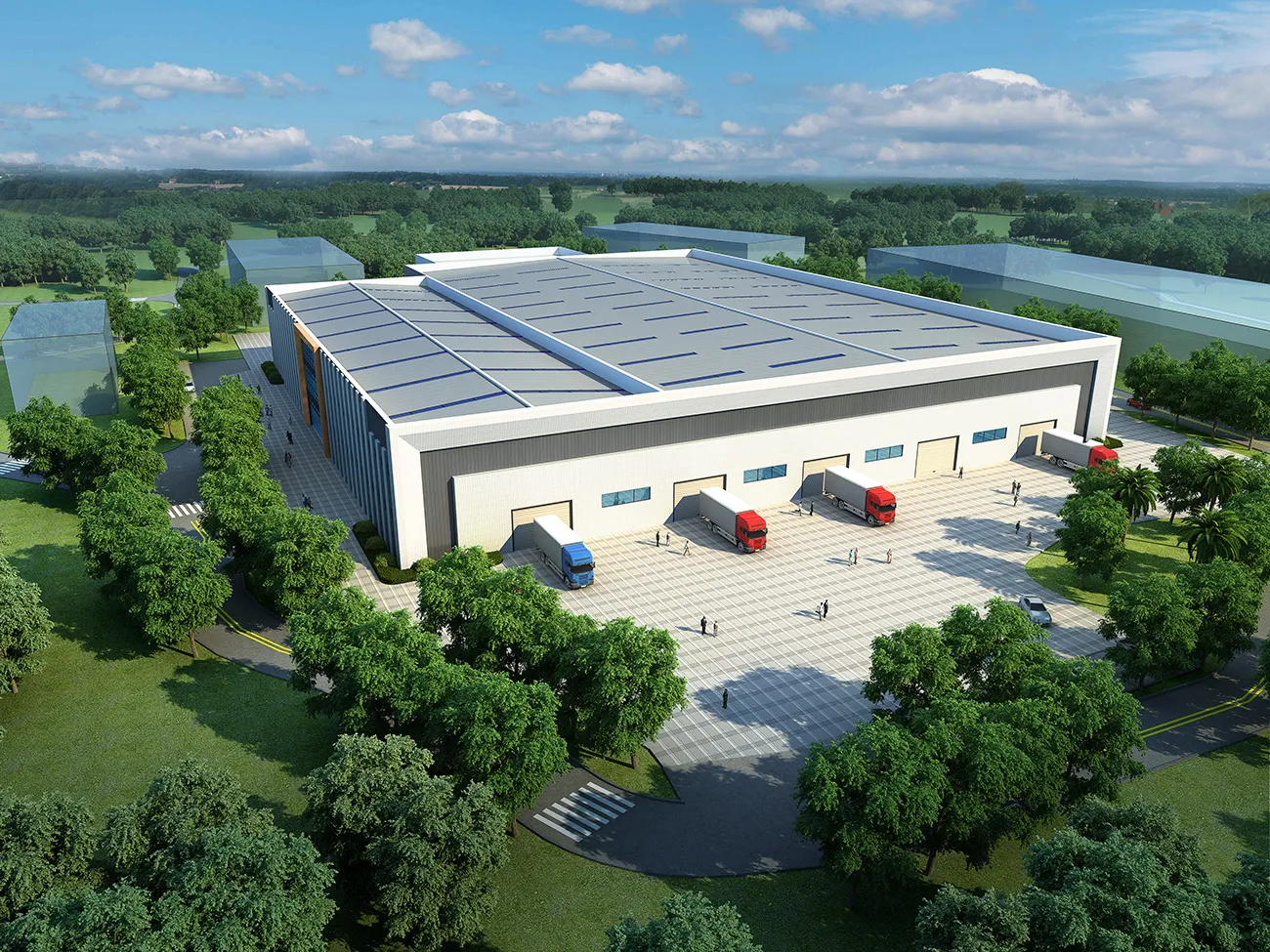
Steel Warehouse Solutions
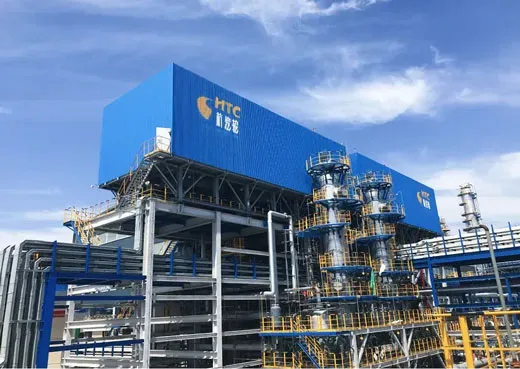
Heavy Steel Structures for Equipment
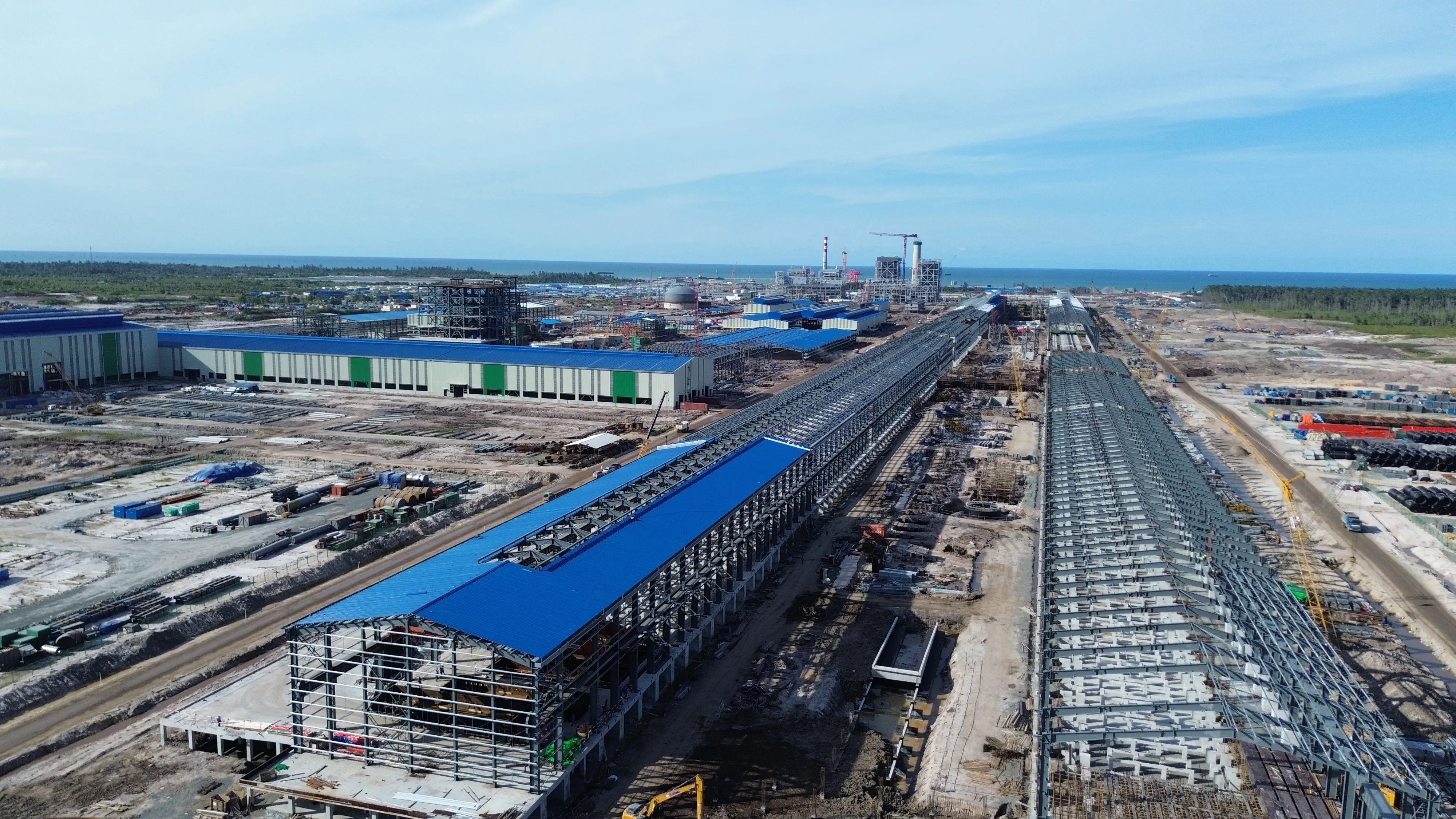
Indonesia North Kalimantan Aluminum Plant Project
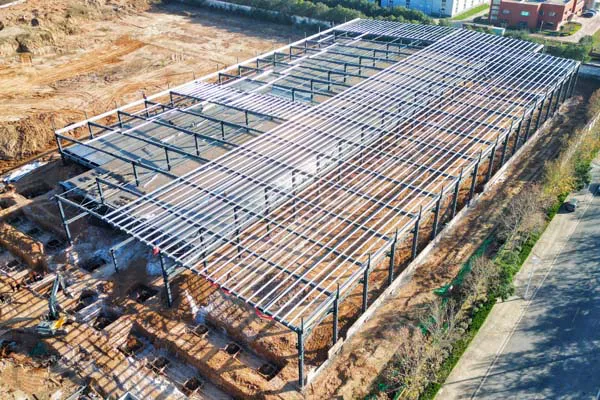
Luoyang Haode Auto Parts Steel Structure Factory Project
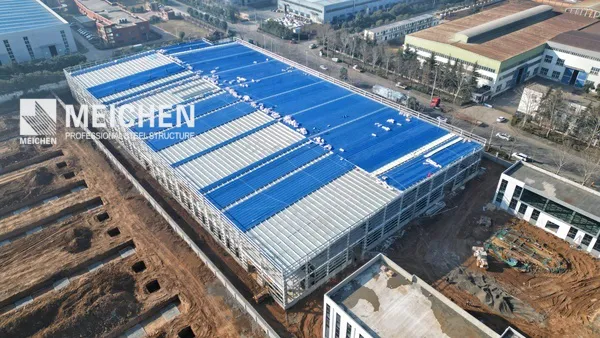
Automated Glass Production Line Steel Structure Factory Building Project
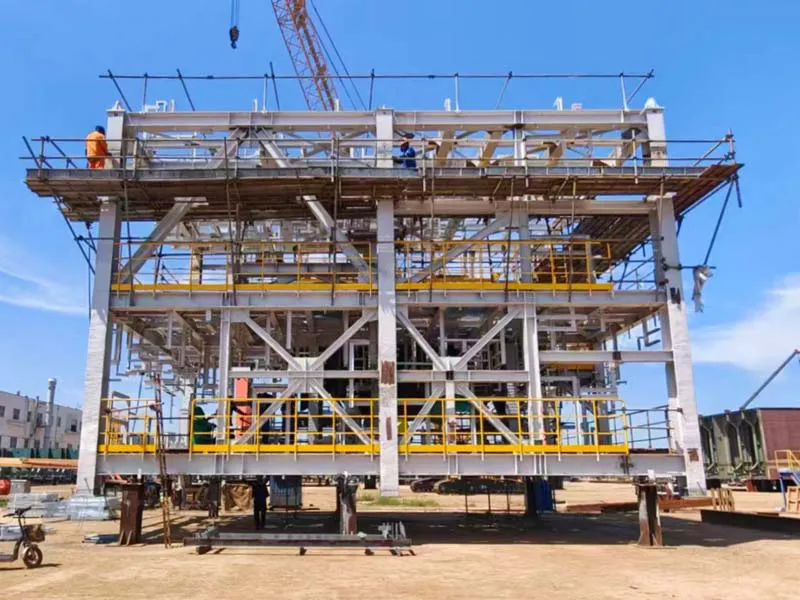
Oil & Gas Modular Steel Structure Fabrication Project
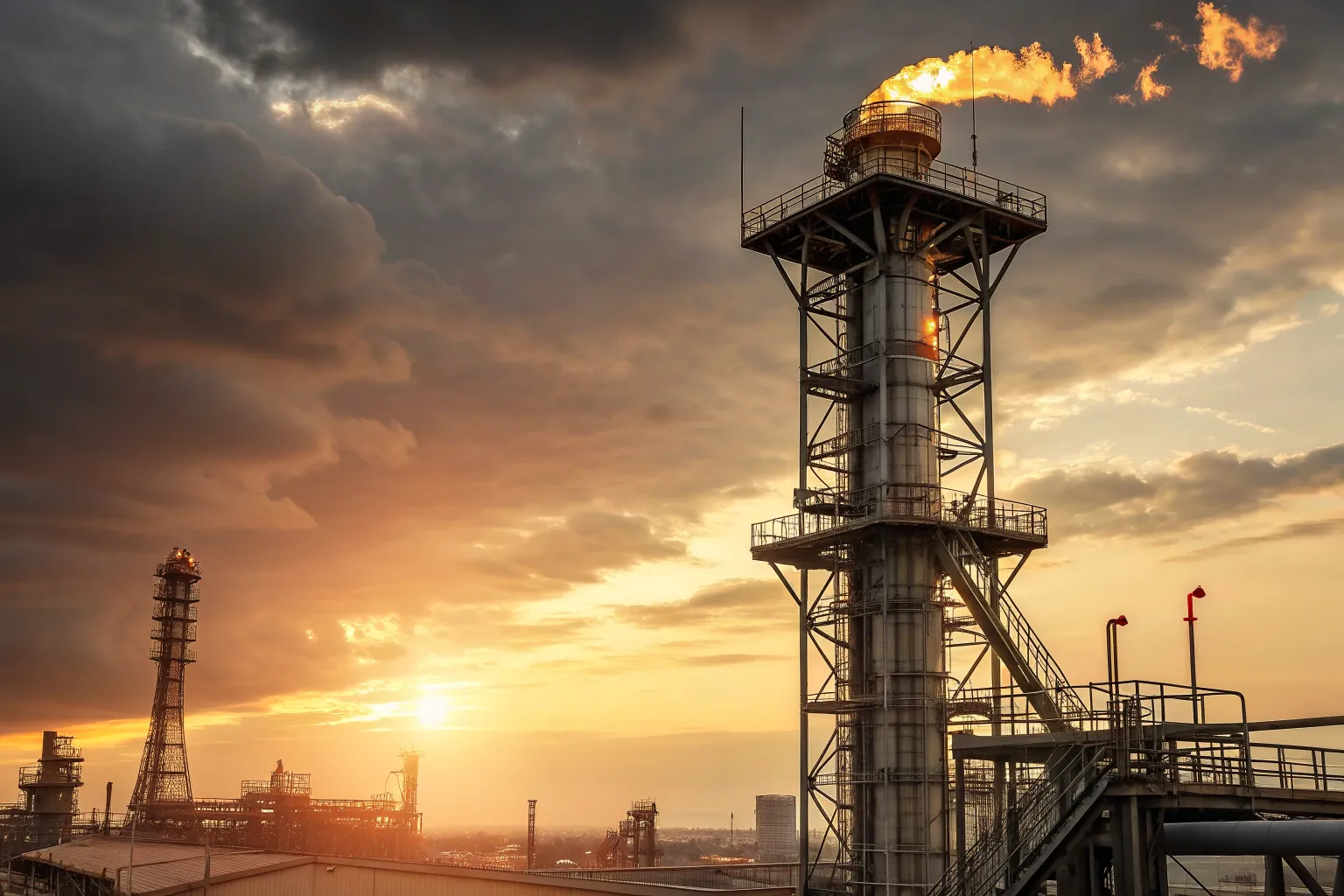
Flare Stack Structure