Время:2024-12-28 01:06:58 Источник:S buttonMe ehChen стальная конструкция
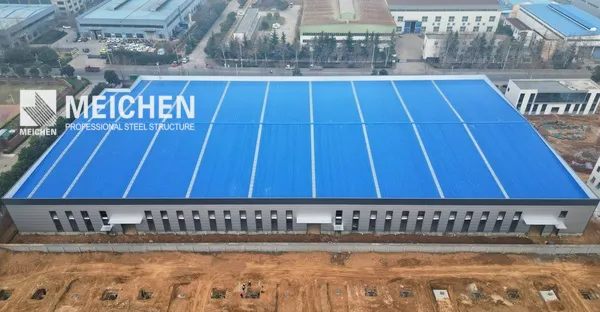
A structural steel factory is a facility dedicated to the fabrication, processing, and assembly of structural steel components used in construction, manufacturing, and infrastructure projects. These factories play a critical role in providing the steel elements that form the backbone of buildings, bridges, industrial facilities, and other structures.
Designing a structural steel factory requires careful planning to ensure efficient operations, safety, and compliance with regulations. Below is an outline of the key considerations and design principles for a structural steel factory.
Site Selection:
Analyze the location for accessibility, land size, soil conditions, and proximity to raw material sources and markets.
Requirements Definition:
Determine production capacity, equipment layout, storage needs, and future expansion plans.
Budgeting:
Establish a budget covering construction, equipment, utilities, and contingencies.
Factory Layout:
Define the flow of materials and operations (e.g., receiving, processing, assembly, storage, and shipping).
Optimize space utilization and minimize material handling.
Structural Requirements:
Consider the type of structural steel to be processed and the machinery loads.
Utilities and Support Systems:
Plan for power supply, ventilation, water, and waste management systems.
A. Architectural Design
Building Dimensions:
Define clear spans, ceiling height, and column placement to accommodate equipment and workflows.
Aesthetic and Functional Elements:
Design facades, access points, and office spaces.
B. Structural Design
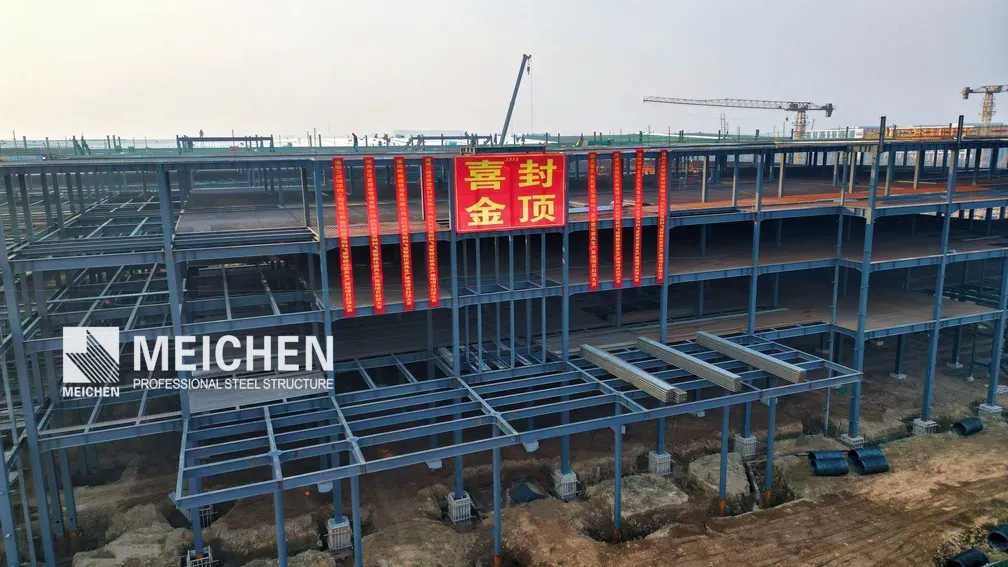
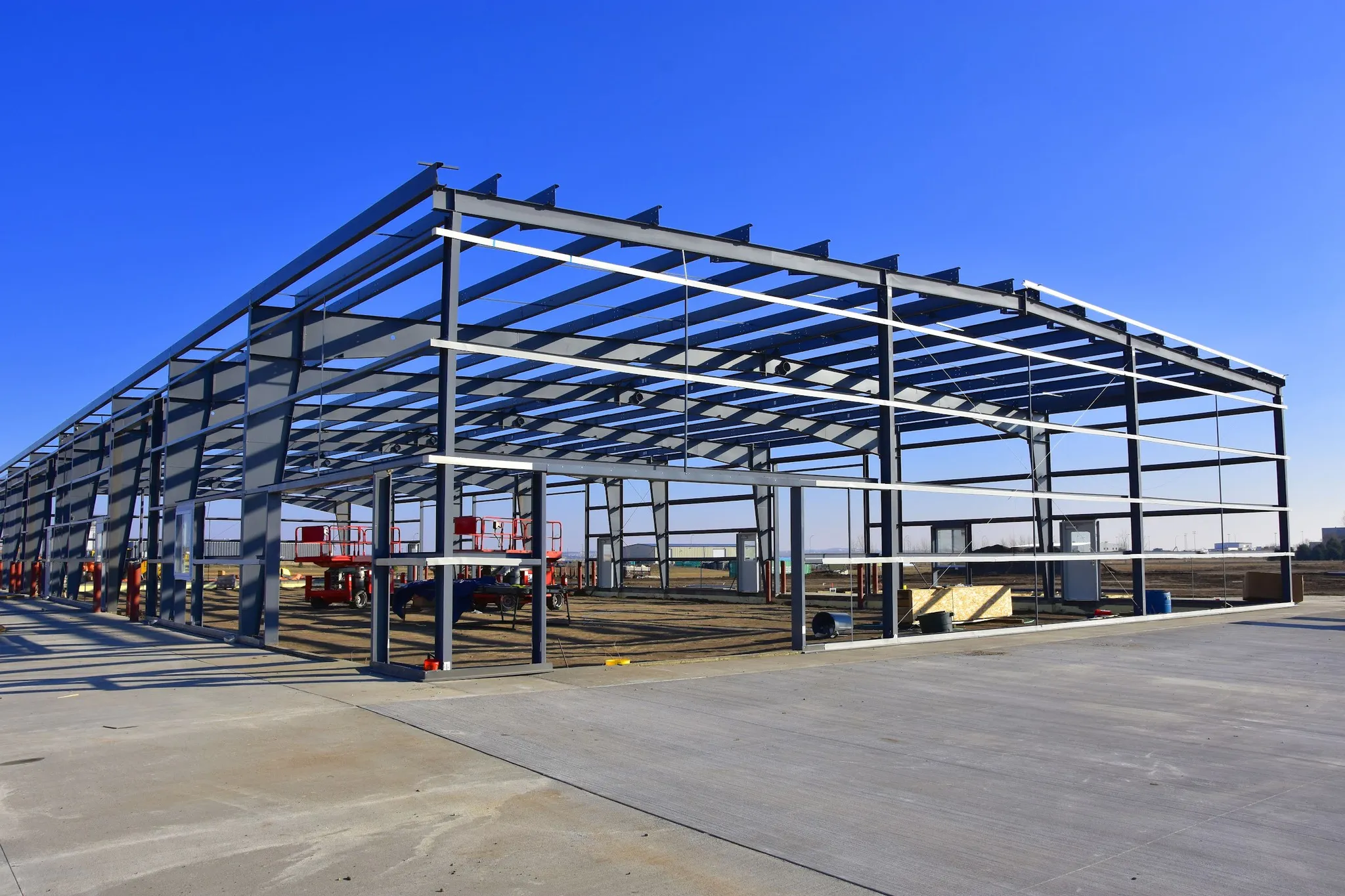
Framework Design:
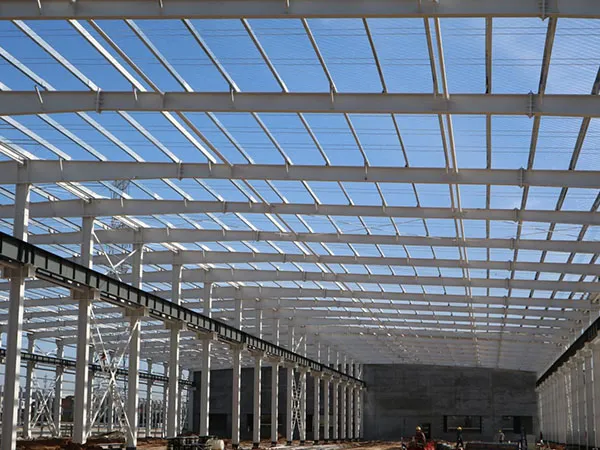
Use steel beams, columns, trusses, and purlins for the main structure.
Load Analysis:
Account for dead loads (self-weight), live loads (machinery, workers), wind loads, seismic loads, and snow loads (if applicable).
Foundation Design:
Design foundations based on soil investigation results and load requirements.
Cranes and Equipment Loads:
Incorporate provisions for overhead cranes, conveyors, and other heavy equipment.
C. Mechanical, Electrical, and Plumbing (MEP) Design
HVAC Systems:
Design heating, ventilation, and cooling systems tailored for a steel factory's needs.
Power Supply:
Plan for transformers, substations, and backup power systems.
Water Systems:
Include provisions for cooling, fire suppression, and domestic use.
Lighting:
Provide adequate illumination for operational areas and safety.
D. Environmental and Safety Design
Waste Management:
Plan for the handling of solid waste, scrap steel, and effluents.
Fire Safety:
Install fire-resistant materials, sprinklers, and fire exits.
Noise and Emission Control:
Use soundproofing and dust collection systems to meet environmental regulations.
Use specialized software (e.g., SAP2000, STAAD.Pro) for structural analysis.
Optimize the design to reduce steel usage without compromising safety or functionality.
Building Codes:
Follow local building codes and standards (e.g., Eurocode, AISC, or IS codes).
Regulatory Approvals:
Obtain permits for construction, fire safety, and environmental impact.
Material Procurement:
Source high-quality steel and construction materials.
Fabrication:
Prefabricate structural elements to improve construction efficiency.
Site Preparation:
Excavate and level the site, then construct foundations.
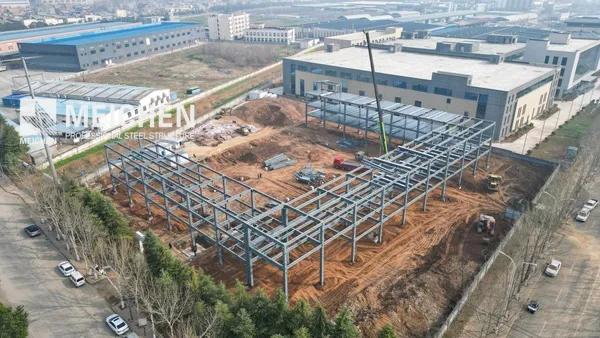
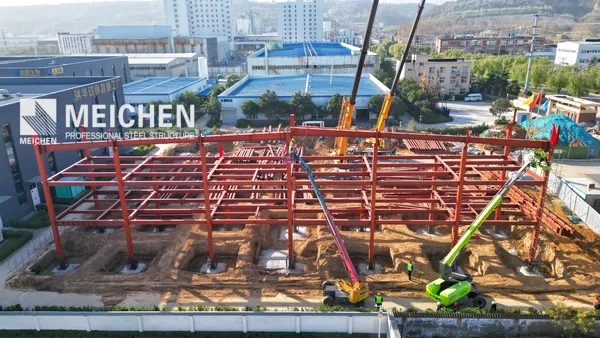
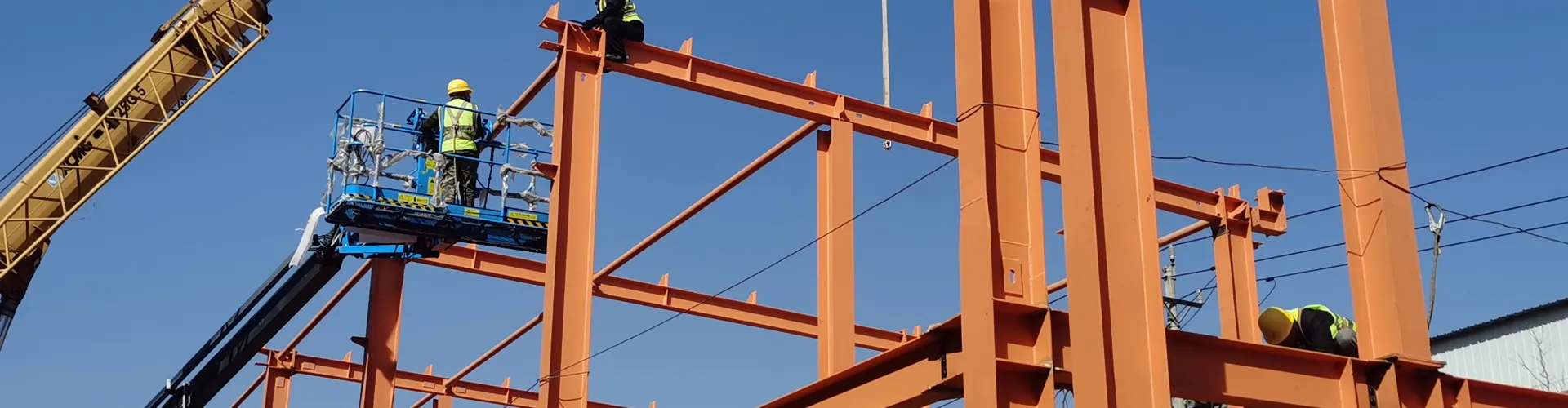
Erection of Steel Structure:
Assemble the steel framework using cranes and other equipment.
Cladding and Roofing:
Install walls and roofing systems, ensuring insulation and weatherproofing.
Install machinery, conveyors, and cranes as per the layout.
Test equipment and utilities to ensure proper integration and functionality.
Conduct inspections for structural integrity, alignment, and finishing.
Perform load tests and check compliance with safety standards.
Operational Testing:
Ensure the facility operates as intended under full load conditions.
Training:
Train staff on the factory’s equipment and safety protocols.
Handover:
Transfer the factory to the client with all necessary documentation and warranties.
By following this systematic process, a structural steel factory can be designed and constructed efficiently, meeting operational needs, safety standards, and future scalability.
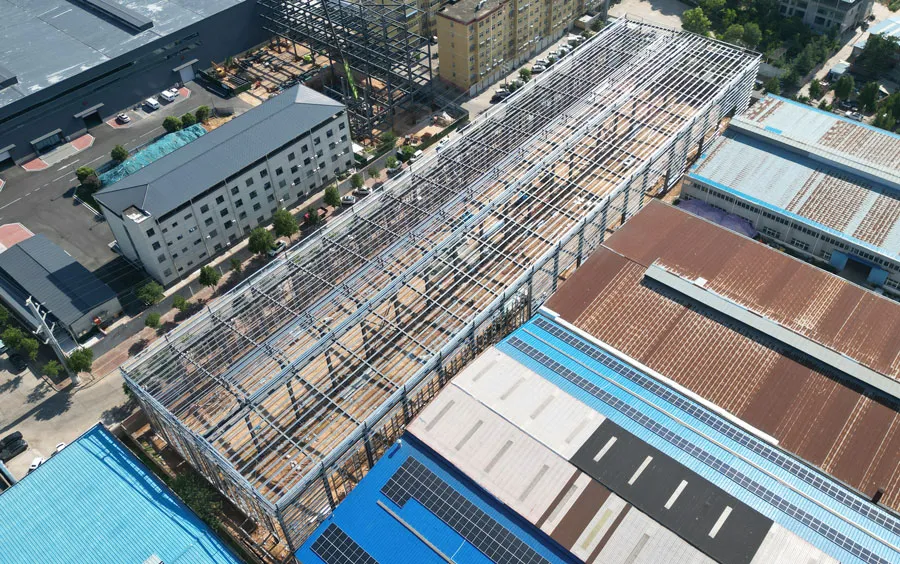
Решения для стальных конструкций мастерских
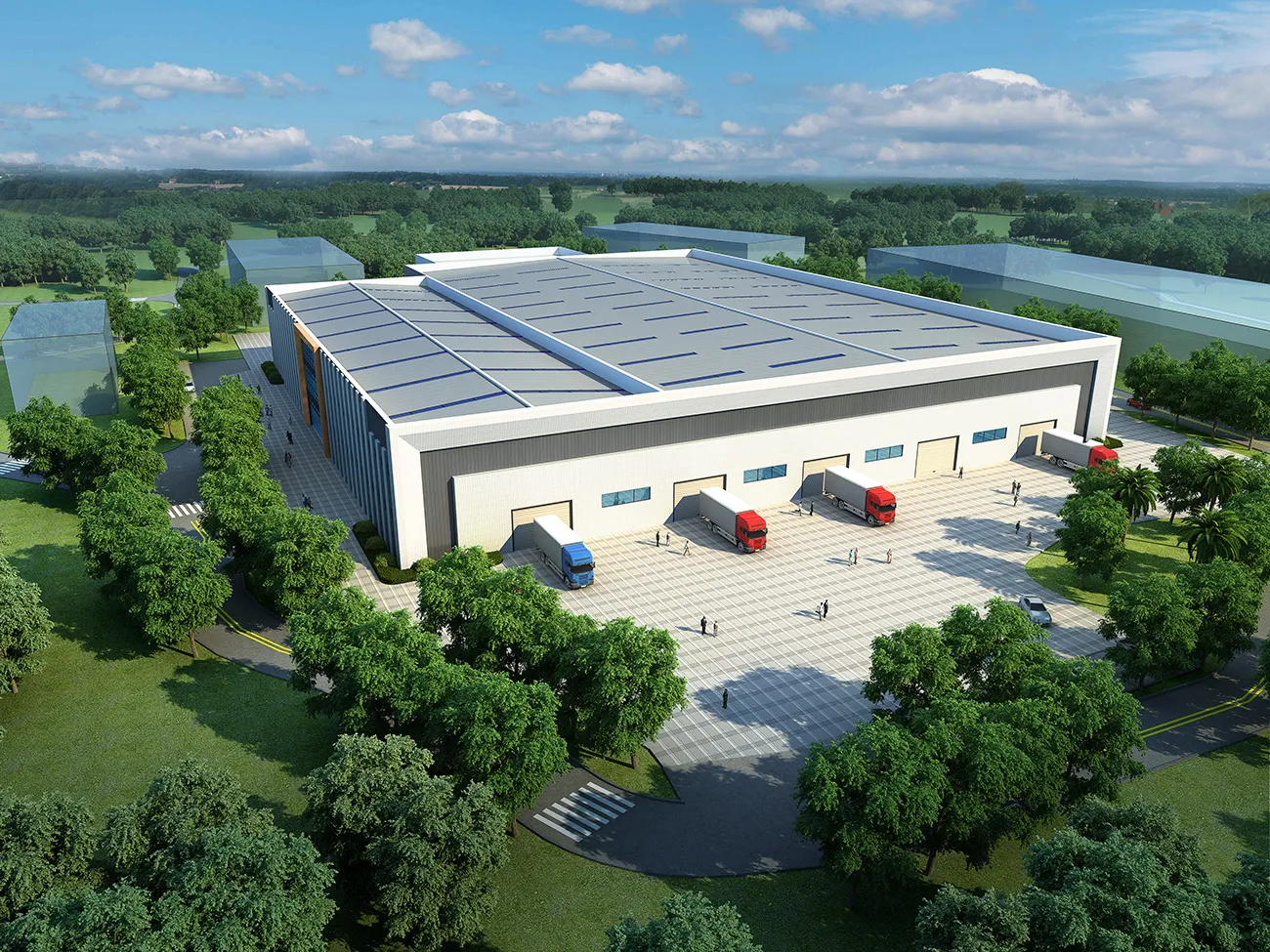
Решения для складов стали
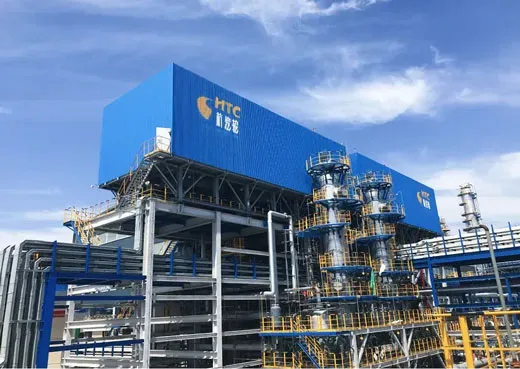
Тяжелые стальные конструкции для оборудования
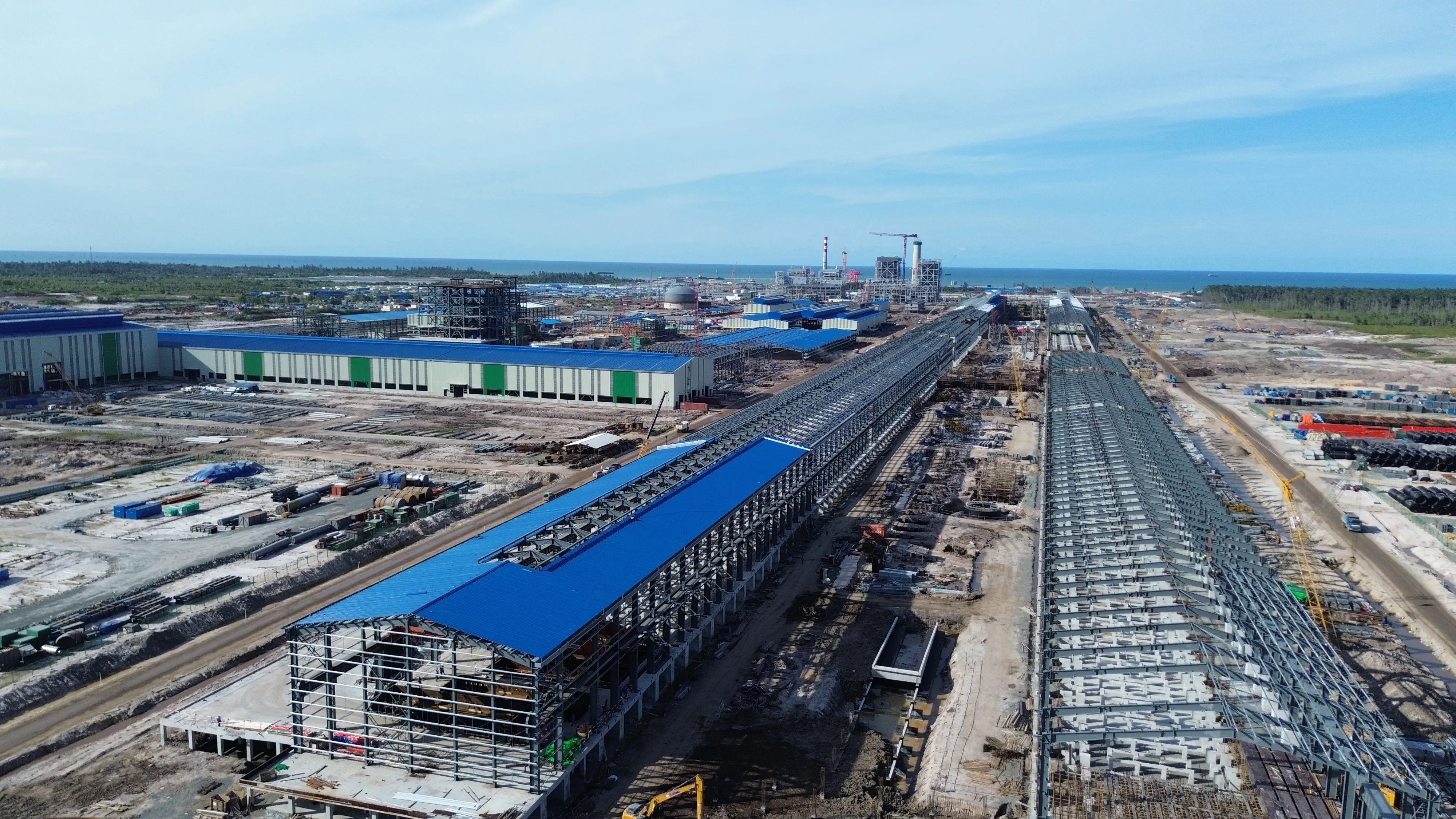
Проект алюминиевого завода в Северном Калимантане, Индонезия
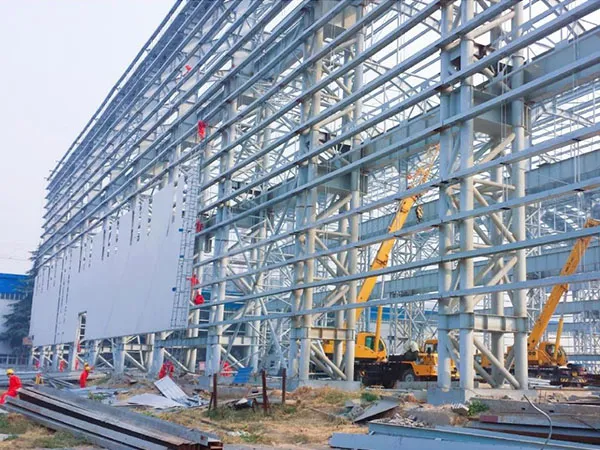
Китайский завод по клепке и сварке для нефтегазовой промышленности
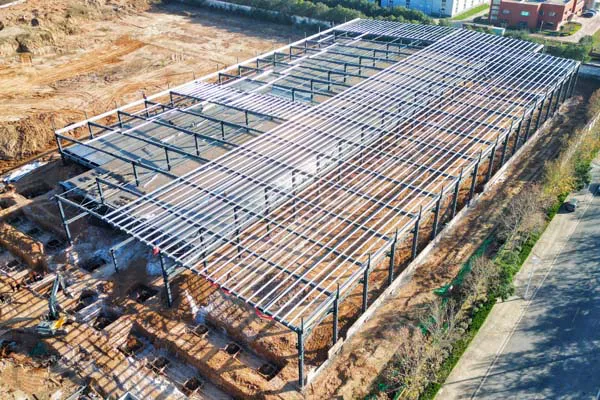
Проект завода по производству стальных конструкций автозапчастей Luoyang Haode
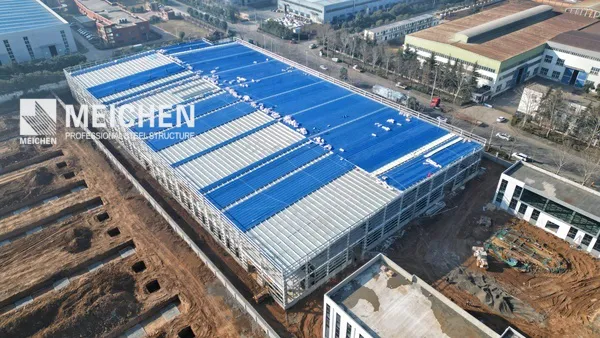
Проект автоматизированной линии по производству стекла: строительство здания завода из стальных конструкций
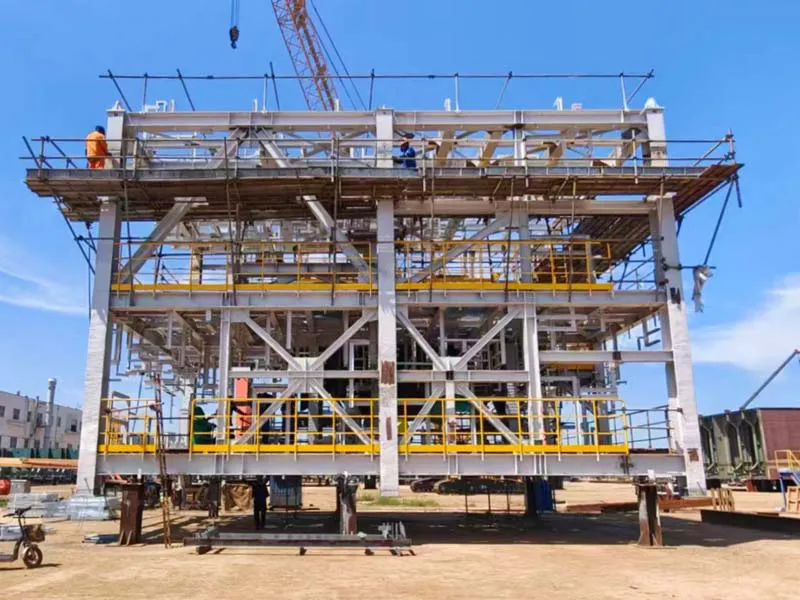
Проект по изготовлению модульных стальных конструкций для нефтегазовой отрасли