Time:2026-07-06 03:10:35 Source:Sanjian Meichen Steel Structure
Across manufacturing sectors, a decisive shift is underway: more factory owners are opting for steel structures over traditional concrete or brick-and-mortar construction. This transition is not merely a trend but a strategic response to demands for faster project delivery, lower lifecycle costs, and greater adaptability. Understanding the rationale behind this choice reveals why steel has become the material of choice for modern industrial facilities, and how partners like MeiChen Steel help factories achieve these advantages with precision-engineered solutions.
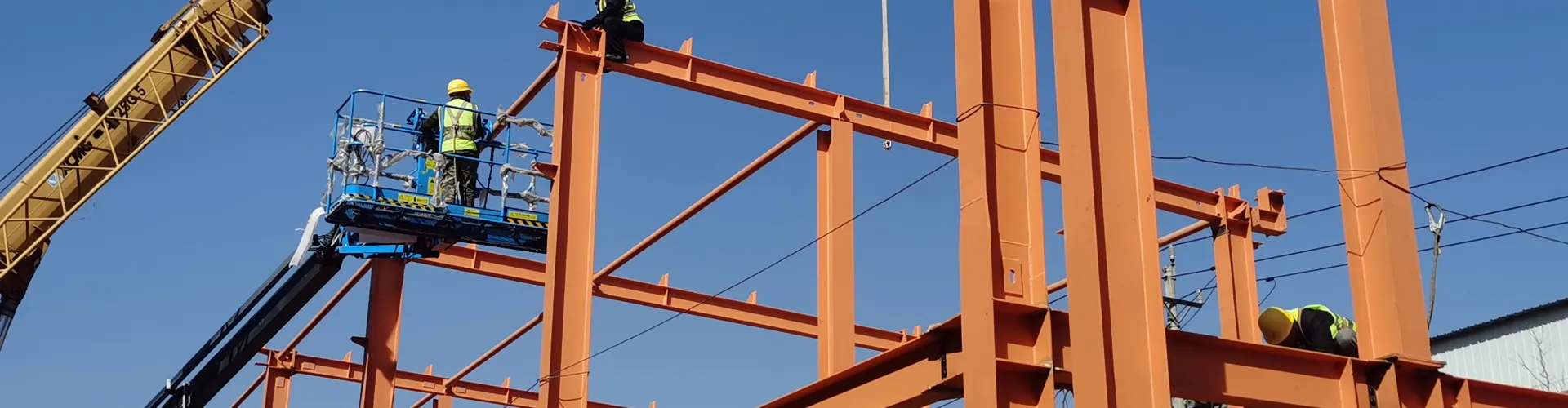
The primary drivers are speed, strength, and scalability. A steel-framed factory can be erected in weeks rather than months, reducing downtime and enabling faster return on investment. Steel offers superior load-bearing capacity with less material, allowing for larger clear spans—critical for production lines, warehouse racking, and future layout changes. Additionally, steel is non-combustible, resistant to pests and mold, and performs well in seismic zones when properly designed.
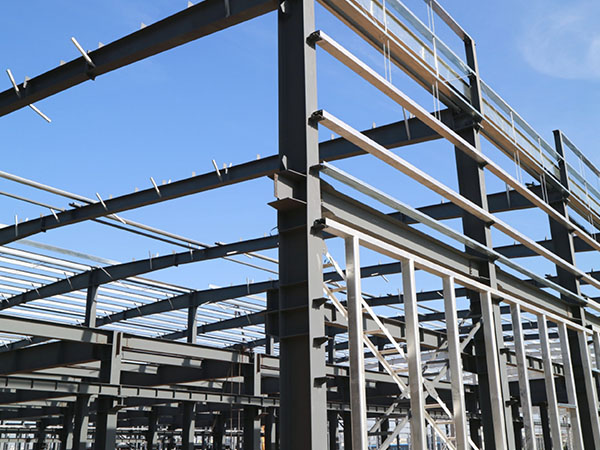
Below is a direct comparison between steel structures and conventional building methods across crucial factors for factory owners.
| Factor | Steel Structure | Traditional (Concrete/Brick) |
|---|---|---|
| Construction speed | Fast (prefabricated components) | Slow (on-site curing & masonry) |
| Design flexibility | High (easy to modify, expand) | Low (demolition required) |
| Cost per square foot | Lower labor & foundation cost | Higher due to longer timeline & more material |
| Durability | Weather-resistant, termite-proof | Prone to cracking, moisture damage |
| Energy efficiency | Easy to insulate (sandwich panels) | Thermal mass benefits but harder to retrofit |
| Maintenance | Low (galvanized or painted steel) | Moderate to high (repair cracks, repaint) |
| Seismic performance | Excellent (ductile connections) | Requires special reinforcement |
From automotive assembly plants to food processing facilities, the reasons are consistent. A recent client of MeiChen Steel, a mid-sized electronics manufacturer, replaced an aging concrete building with a steel structure. The result: 40% faster construction, 15% lower total cost, and ability to add a second floor within two years without disrupting production. The flexibility of steel allowed for integrated overhead cranes and easy future expansion.
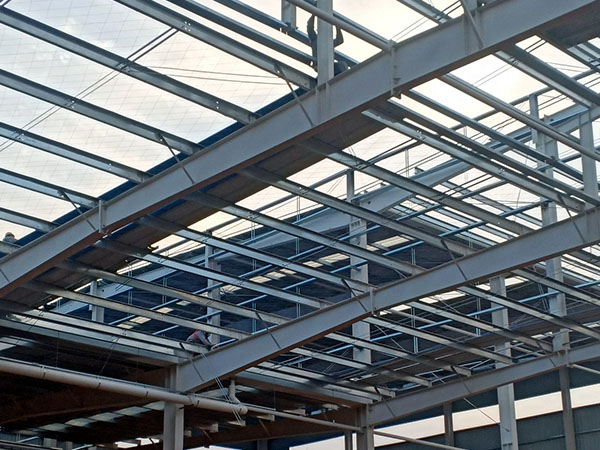
While initial material costs for steel can be comparable to concrete, the overall lifecycle cost is significantly lower. Foundation requirements are reduced because steel is lighter. Assembly is faster, reducing labor and equipment rental. Insurance premiums often drop due to fire resistance. And when production needs change, steel structures can be disassembled and relocated—something impossible with traditional construction. For factories planning expansions or relocations, steel is a capital asset that retains value.
Choosing the right supplier is as critical as the material itself. MeiChen Steel brings over a decade of expertise in designing and delivering industrial steel buildings tailored to factory requirements. Their engineering team ensures compliance with local building codes, seismic standards, and thermal performance targets. With end-to-end service from CAD drawings to turnkey erection, factories benefit from a single point of accountability. Each structure is fabricated with high-grade galvanized steel and protected by a comprehensive warranty.
Q: Is steel more expensive than concrete for a factory?
A: Upfront costs can be similar, but overall project cost is lower due to faster construction and reduced foundation work. Long-term savings from lower maintenance and flexibility make steel more economical.
Q: How long does a steel factory last?
A: Properly maintained, a steel structure can last 50+ years. Galvanized steel resists corrosion, and modern coatings extend service life significantly.
Q: Can steel factories be energy efficient?
A: Yes. With insulated sandwich panels and reflective roofing, steel buildings can meet or exceed energy codes. MeiChen Steel offers customized insulation solutions.

The momentum toward steel is backed by measurable benefits: speed, strength, scalability, and lower total cost of ownership. For any factory manager evaluating a new facility or expansion, steel offers a future-proof foundation. With a trusted partner like MeiChen Steel, the transition from traditional construction is seamless, professional, and delivers immediate operational advantage.