Time:2026-06-01 03:10:53 Source:Sanjian Meichen Steel Structure
Selecting the right structural material for an industrial building is a high-stakes decision that directly impacts long-term operational efficiency, maintenance costs, and return on investment. While concrete has been a traditional choice for decades, the modern industrial environment demands materials that offer superior strength-to-weight ratios, faster construction timelines, and greater adaptability. Steel has emerged as the dominant solution for warehouses, manufacturing plants, and logistics hubs. In this article, we examine five compelling ways steel outperforms concrete in industrial buildings, drawing on engineering principles and real-world performance data that matter to facility owners and developers.
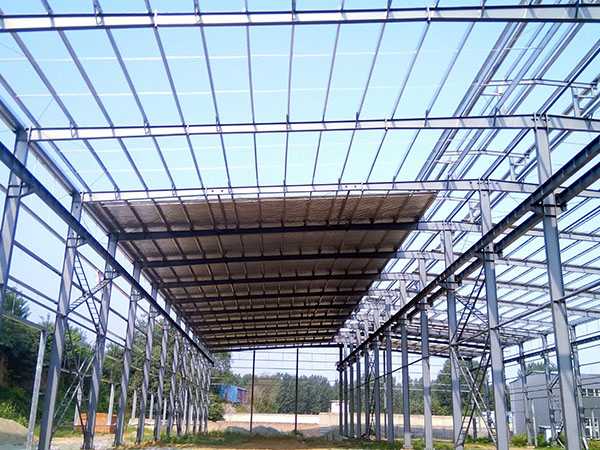
Industrial buildings often require large, open floor plans to accommodate machinery, storage racks, or assembly lines. Steel’s high strength-to-weight ratio allows for clear spans exceeding 100 feet without intermediate columns. In contrast, concrete buildings typically require columns every 30 to 40 feet, interrupting workflow and limiting layout flexibility.
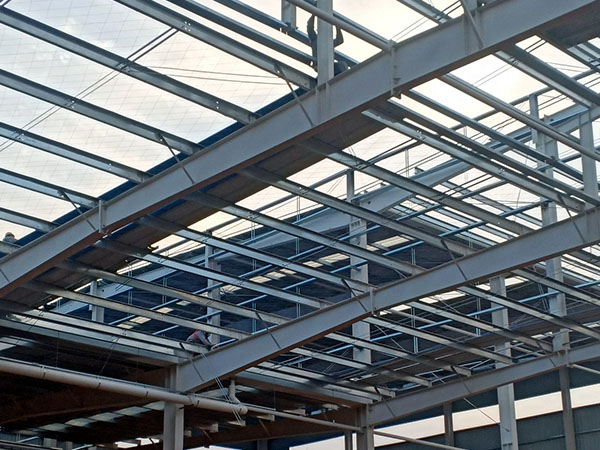
Time is money in industrial real estate. Steel buildings are prefabricated off-site while site preparation occurs simultaneously, compressing the overall project timeline by 30–50% compared to cast-in-place concrete. A typical 50,000-square-foot warehouse can be erected in weeks rather than months.
Companies like MeiChen Steel specialize in delivering pre-engineered steel kits that arrive ready for rapid assembly, helping owners accelerate their occupancy timeline.
Industrial environments expose structures to heavy loads, vibrations, chemical spills, and thermal cycling. Steel treated with modern protective coatings outperforms concrete under many of these stressors.
| Property | Steel | Concrete |
|---|---|---|
| Cracking resistance | High (ductile material) | Low (brittle; prone to shrinkage cracks) |
| Chemical resistance | Excellent with epoxy coatings | Poor (spalled by acids, salts) |
| Vibration fatigue | Superior (dissipates energy well) | Inferior (cracks under cyclic loading) |
| Fire protection | Requires intumescent coating | Inherently fire-resistant |
While concrete offers natural fire resistance, steel’s overall durability profile — especially its resistance to cracking and chemical attack — makes it the more cost-effective choice over a 30-year lifecycle in many industrial applications.
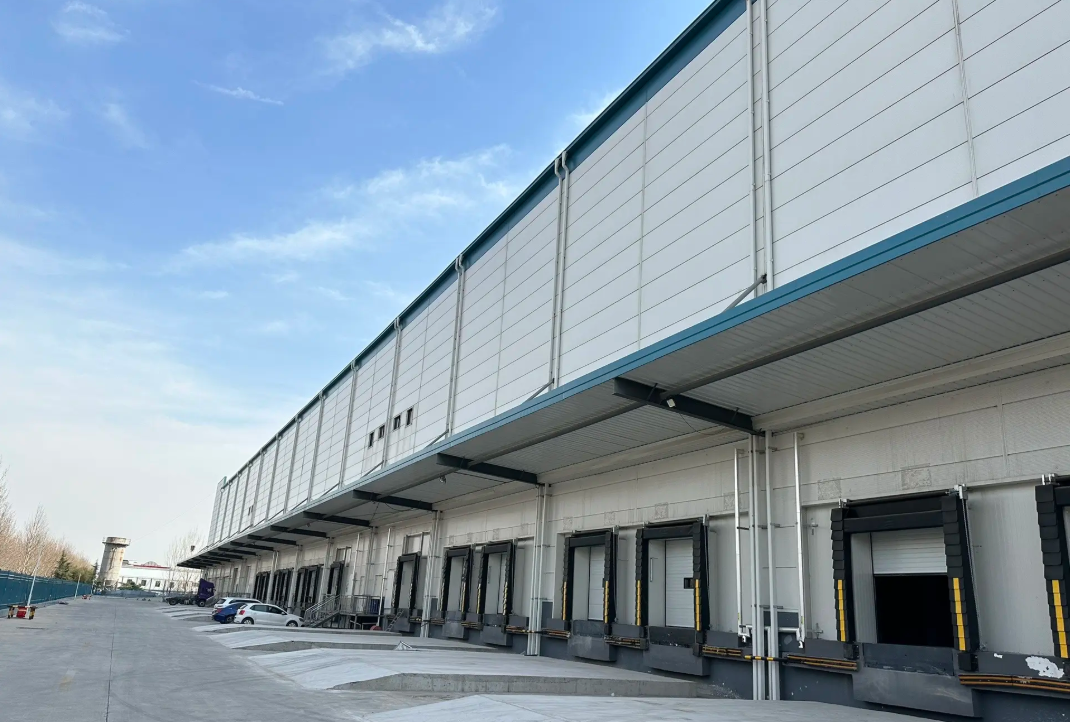
Industrial buildings rarely remain static. Equipment upgrades, automation retrofits, and layout changes are common. Steel structures provide unmatched flexibility for modifications, whereas concrete changes often require demolition and heavy engineering.
When future-proofing an industrial asset, steel’s adaptability directly translates to higher residual value and lower renovation costs.
Regulatory pressures and corporate ESG goals are driving material selection decisions. Steel is the most recycled material in the world — over 90% of structural steel is reclaimed, compared to about 30% for concrete (which is often downcycled into aggregate).
MeiChen Steel supplies certified recycled-content steel, helping industrial projects earn LEED and BREEAM credits while meeting corporate sustainability targets.
The evidence is clear: steel surpasses concrete in strength-to-weight efficiency, construction speed, long-term durability, design flexibility, and environmental performance. For owners, developers, and facility managers evaluating material options for warehouses, factories, or distribution centers, steel offers a faster path to revenue, lower lifecycle costs, and greater adaptability to future needs. Partnering with an experienced supplier like MeiChen Steel ensures you receive engineered solutions tailored to your specific industrial requirements — from clear-span designs to corrosion-resistant coatings for harsh environments. When you choose steel, you choose a foundation for growth.