Time:2026-11-23 03:10:35 Source:Sanjian Meichen Steel Structure
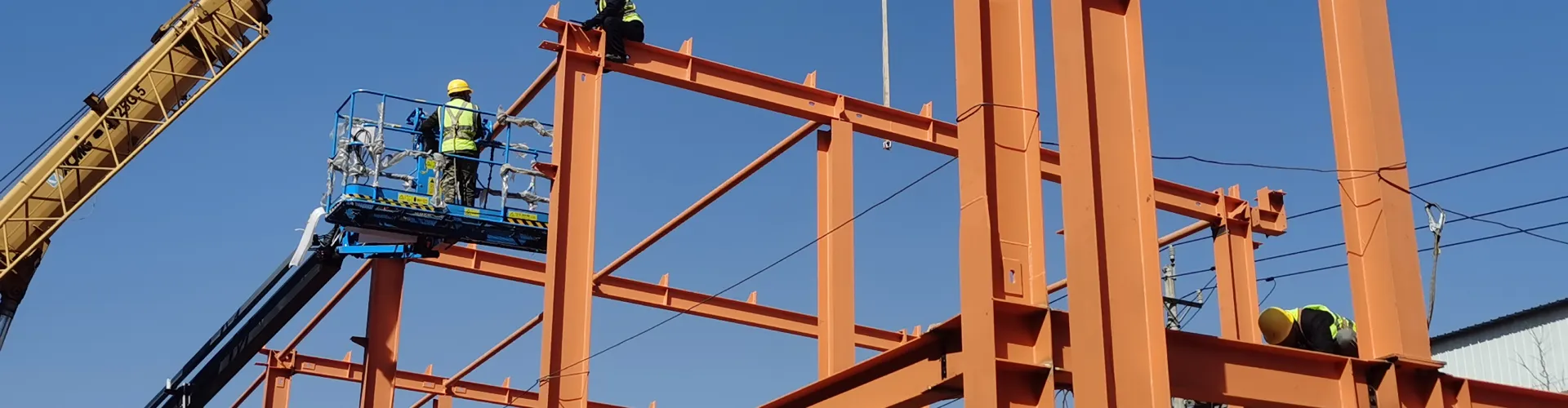
Earthquakes impose extreme lateral forces on buildings, and the choice of structural material can determine whether a structure withstands or collapses. Steel buildings have consistently demonstrated superior performance in seismic events, offering ductility, energy absorption, and controlled failure mechanisms that protect occupants. This article examines the engineering principles behind steel's seismic resilience, provides a direct comparison with concrete and masonry, and explains why partnering with a trusted fabricator like MeiChen Steel is critical for achieving optimal earthquake safety.
Steel's inherent ductility—the ability to deform plastically without fracturing—is its primary advantage under seismic loads. While concrete is strong in compression but brittle in tension, structural steel can undergo significant inelastic deformation, dissipating energy through yielding. This property allows steel frames to sway during an earthquake, reducing peak forces transferred to the foundation. The stress-strain curve of steel shows a long plastic plateau, enabling the structure to absorb multiple cycles of loading without sudden collapse. Design codes such as AISC 341 and Eurocode 8 recognize steel's superior toughness, imposing stricter detailing requirements for steel members in high-seismic zones to ensure stable hysteretic behavior.
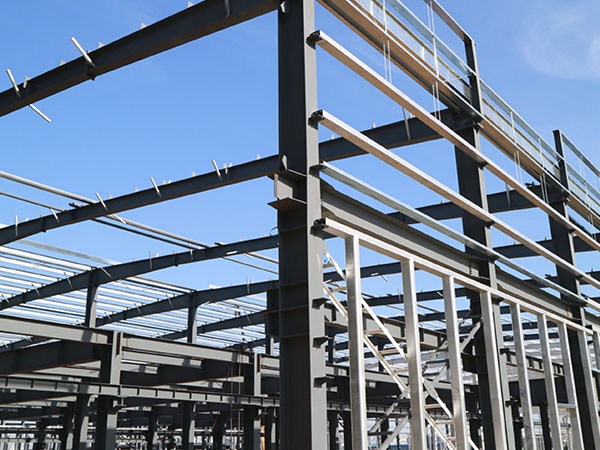
The following list summarizes key performance differences between steel-framed buildings and traditional concrete or masonry structures under seismic excitation:
Beyond material properties, specific design strategies maximize steel's seismic performance. MeiChen Steel incorporates these best practices into every project to ensure compliance with international seismic codes.
Moment-resisting frames rely on fully restrained beam-to-column connections that can develop the member's plastic moment. In high-seismic applications, reduced beam sections (RBS) or bolted extended end-plate connections force plastic hinging away from weld zones. Brace connections in concentrically braced frames (CBFs) and eccentrically braced frames (EBFs) are designed to accommodate axial and rotational demands without premature fracture. Welding procedures must meet CVN toughness requirements, and MeiChen Steel ensures all shop welds undergo ultrasonic testing for quality assurance.
Passive energy dissipation devices such as buckling-restrained braces (BRBs) and viscous dampers can be integrated with steel frames to further reduce seismic response. BRBs yield in both tension and compression without buckling, providing stable energy dissipation over many cycles. Steel plate shear walls, another option, offer high stiffness and ductility through controlled yielding of the infill plate. These systems are particularly valuable for retrofit projects where existing structures need improved seismic capacity.
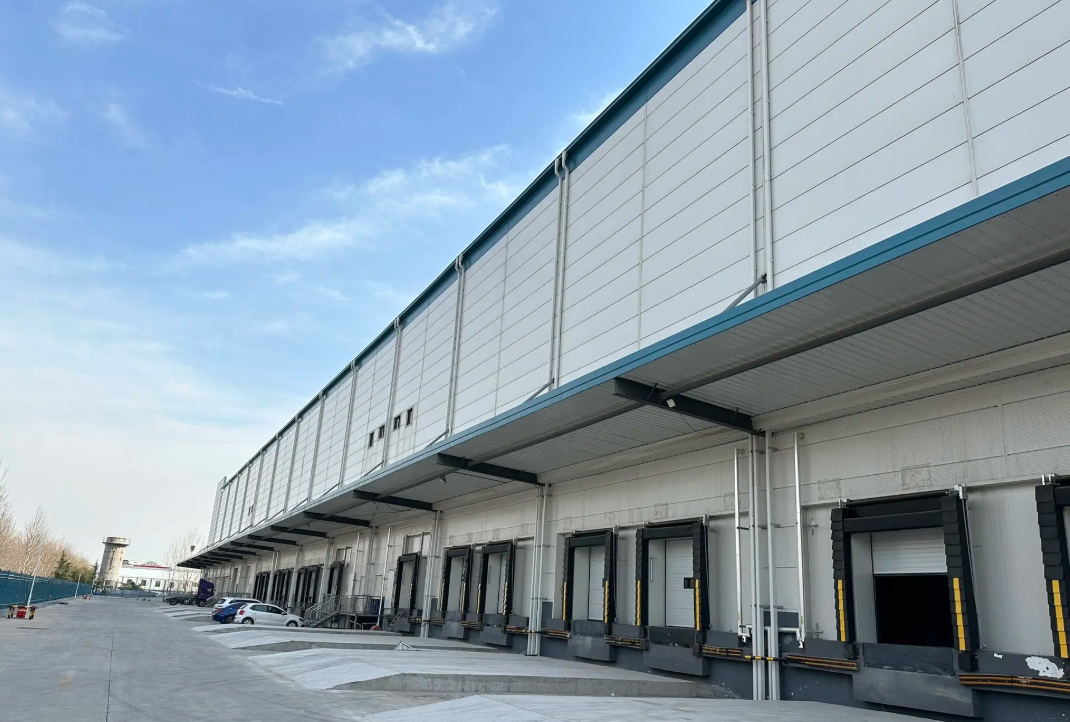
When selecting a steel fabricator for earthquake-resistant construction, expertise and quality control matter. MeiChen Steel has over a decade of experience fabricating structural steel for seismic zones across the globe. Our manufacturing facilities are ISO 9001 certified, and we adhere to AISC, BS EN, and GB codes. Every beam, column, and connection is designed with ductile detailing, using steel grades with certified yield strengths and Charpy impact values. We work closely with structural engineers to optimize member sizes and connection types, balancing economy with performance. Real-time quality monitoring, including third-party NDT, ensures that each component meets the stringent demands of seismic design. Whether you need a low-rise steel portal frame or a high-rise moment frame, MeiChen Steel delivers reliable, code-compliant solutions that protect lives and investments.
Steel generally offers better ductility and energy dissipation, but the overall performance depends on design, detailing, and construction quality. A well-designed concrete structure with sufficient confinement and proper reinforcement can also perform well. However, steel's lighter weight and controlled failure mechanisms make it a preferred choice for high-seismic zones, especially for buildings requiring long spans or complex geometries.
Most seismic codes require structural steel with high toughness, such as ASTM A992 (50 ksi yield) for W-shapes, or S355 J2+N (355 MPa) under EN standards. These grades have low carbon equivalent for good weldability and ensure Charpy V-notch impact test results at service temperature. MeiChen Steel procures only mill-certified material and conducts additional third-party tests when required.
Engage a structural engineer experienced in seismic design and specify a fabricator like MeiChen Steel that understands code-specific detailing. We provide comprehensive shop drawings, welding procedure specifications, and material test reports to facilitate plan approval. Our team stays updated on IBC, ASCE 7, and local amendments to guarantee compliance.
Earthquakes are unpredictable, but the performance of a building can be engineered with certainty. By choosing steel and working with a partner who prioritizes seismic resilience, you invest in safety, durability, and long-term value. MeiChen Steel is committed to delivering steel structures that stand firm when the ground shakes.