Time:2026-06-29 03:10:19 Source:Sanjian Meichen Steel Structure
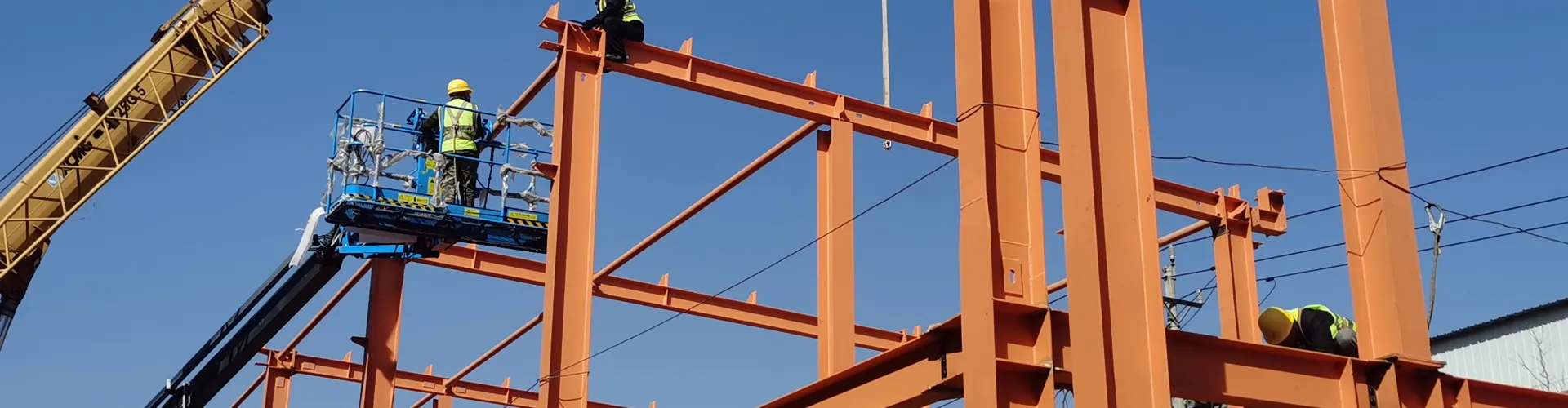
Fire-resistant steel structures are critical for protecting lives and assets in commercial, industrial, and residential buildings. Understanding the safety standards that govern these structures helps architects, engineers, and project owners make informed decisions. This article explains the core requirements, testing methods, and design principles behind fire-resistant steel, with practical insights from MeiChen Steel, a trusted provider of compliant steel solutions.
Steel is inherently non-combustible, but its mechanical properties degrade rapidly at temperatures above 540°C (1000°F). Without proper protection, a steel frame can lose strength and fail within minutes of a fire. Fire-resistant steel structures are designed to maintain load-bearing capacity for a specified duration, enabling safe evacuation and firefighting. International building codes require structural steel to meet specific fire-resistance ratings based on occupancy type, building height, and fire load.
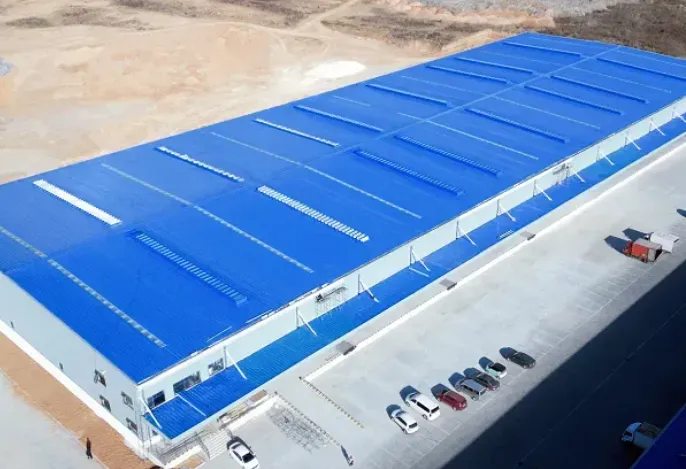
Several major standards define fire resistance requirements for steel structures:
Compliance with these standards is verified through third-party testing. MeiChen Steel ensures all its structural sections and prefabricated assemblies undergo rigorous assessment to meet applicable codes.
To achieve the required fire rating, steel can be protected by:
Fire tests follow a standard time-temperature curve (e.g., ISO 834). The assembly is subjected to a furnace that follows this curve for the target duration. Key performance criteria include:
Residential buildings usually require 30 to 60 minutes; commercial high-rises may need 90 to 120 minutes; industrial storage facilities often demand 120 to 240 minutes depending on fuel load. MeiChen Steel provides engineering guidance to select the optimal protection thickness for each rating, balancing cost and safety.
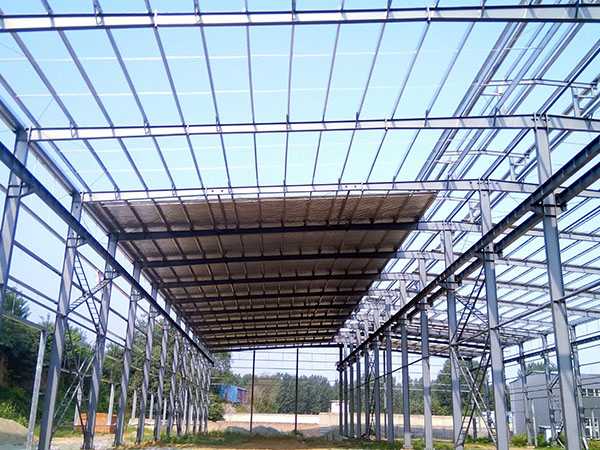
MeiChen Steel has served the construction industry for over a decade, supplying steel sections that meet strict fire safety standards. Their approach includes:
By choosing MeiChen Steel, project teams reduce design risk and streamline approvals, knowing that every product traceable through a quality management system accredited to ISO 9001.
No — buildings with low occupant load, smaller size, or located in areas without fire services may be exempt. However, most codes mandate protection for structures over a certain height or occupancy category. Always consult local building regulations.
No — intumescent coatings are typically designed for interior use. Exterior steel requires weather-resistant systems such as intumescent with a durable topcoat or alternative encasement. MeiChen Steel recommends products that match exposure conditions.
In operational buildings, inspections are recommended annually, or after any event that could damage the coating (impact, water leakage, renovation). Repairs must use the original specified system.
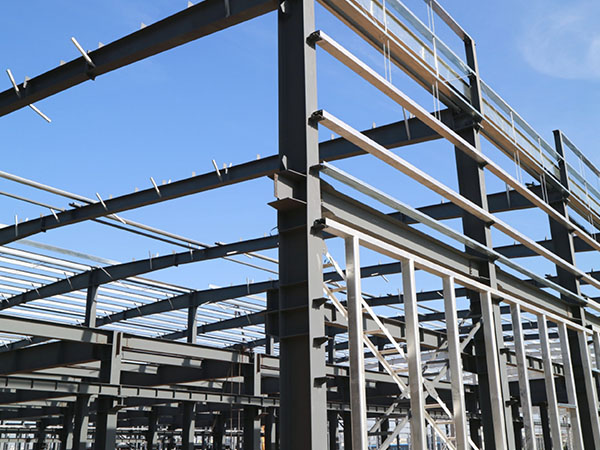
Fire-resistant steel structures are not optional — they are mandated by safety codes worldwide. Selecting the right fire protection method requires understanding the standard, the required rating, and the building’s specific risks. MeiChen Steel helps simplify this process by supplying certified steel and expert support, so you can build with confidence. Whether you are designing a warehouse, high-rise, or industrial facility, investing in compliant fire protection saves lives and ensures long-term asset protection.